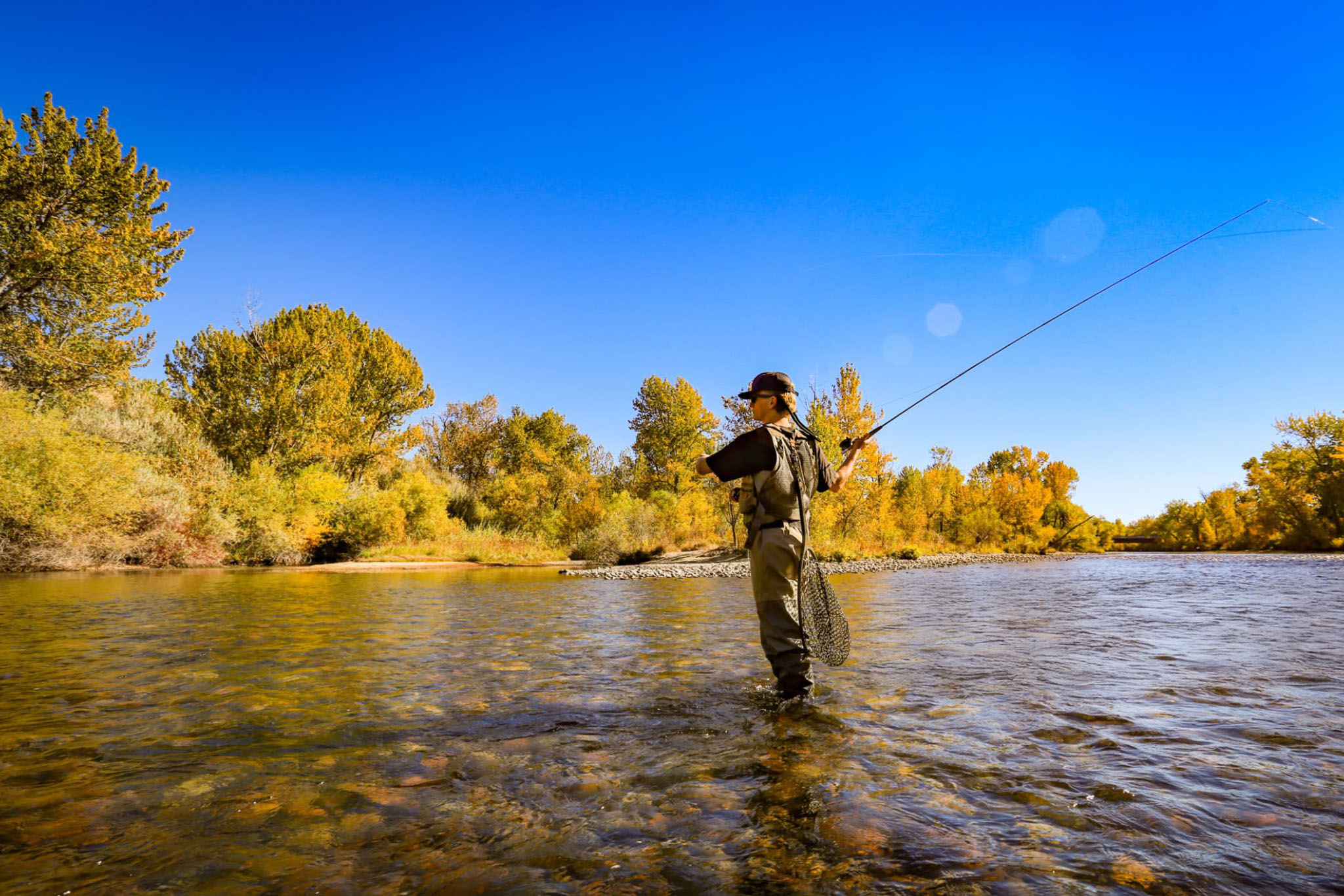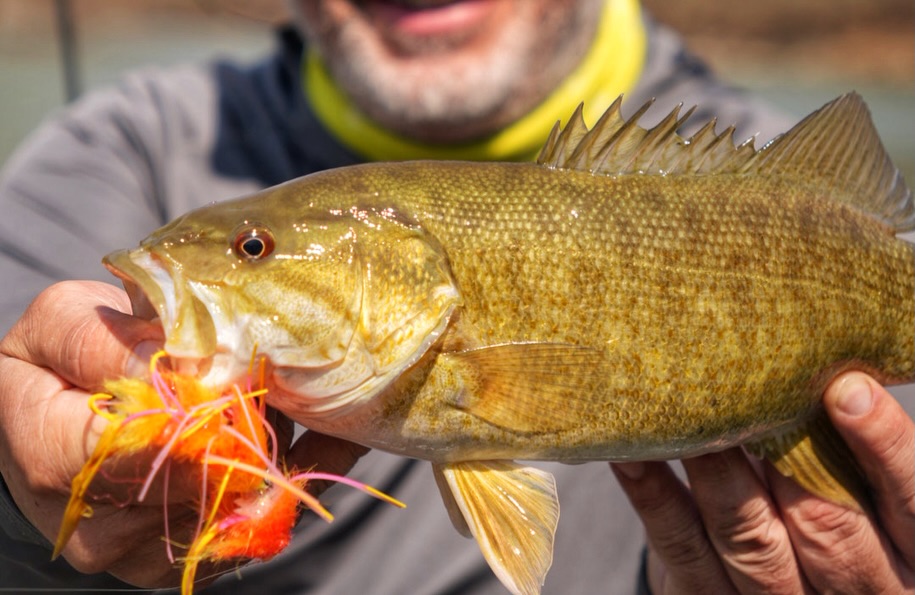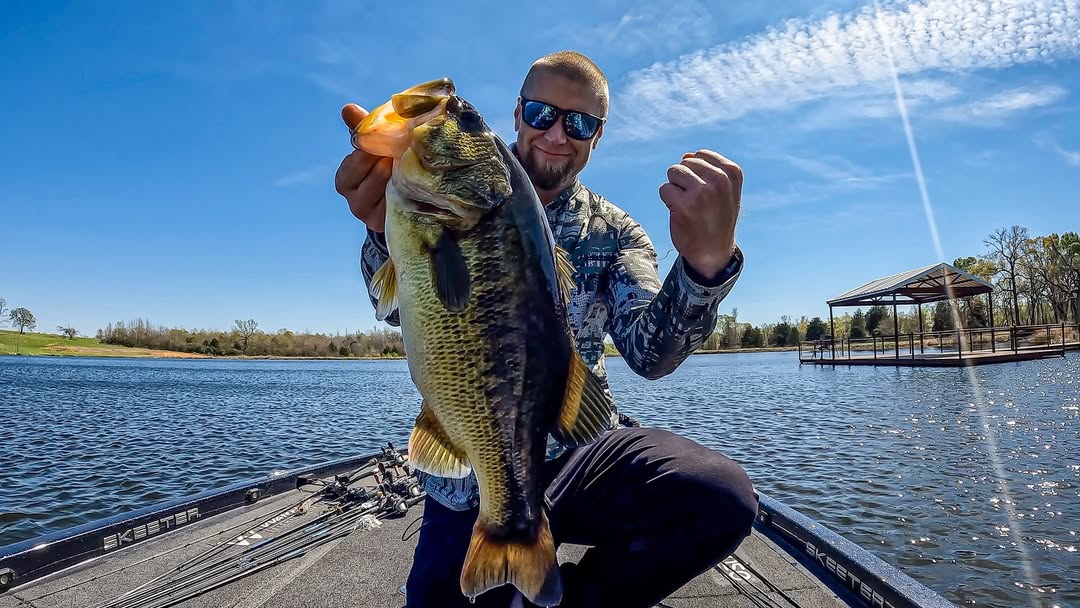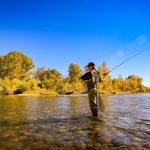

As autumn fades and the first bite of winter begins to chill the air, freshwater systems across the country start to change dramatically. Water temperatures drop, vegetation dies back, and baitfish — the foundation of the aquatic food chain — begin their seasonal migration. One of the most productive and overlooked places to find feeding predators during this time? The narrow, winding creek mouths where baitfish funnel into tight channels. For anglers who know how to read these transitions, creek mouth fishing can be absolute gold.
The Baitfish Blueprint: Understanding the Migration
When the water cools, baitfish like shad, minnows, and small bluegills move toward the back of creeks and narrow channels seeking slightly warmer, oxygen-rich water. These areas often hold the last remaining insect life and a steady food supply, making them irresistible to both prey and predator.
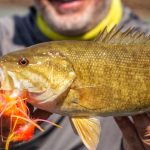
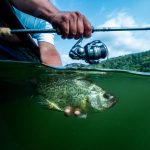
Predatory fish such as bass, crappie, and even walleye follow this movement like a trail of breadcrumbs. As baitfish stack up near creek mouths, game fish don’t have to chase far — they simply set up ambush points where the current concentrates their meals.
Understanding this natural migration pattern is the first key to success. If you can locate the right creek mouth — one with a steady inflow of current, mixed depth, and some cover — you’ve found a seasonal buffet line.
Why Creek Mouths Matter in Late Fall
Creek mouths are transitional zones — they blend main lake water with the inflow of smaller creeks or rivers. This mixing creates slight temperature differences, oxygen variations, and current seams that attract both baitfish and predators.
As lakes stratify and surface temperatures fall, creek inflows often provide slightly warmer or more oxygenated water, especially on sunny afternoons. Fish sense these micro-differences and congregate in predictable areas, such as:
- Eddy pockets on the down-current side of the mouth
- Drop-offs leading from shallow flats into deeper water
- Submerged wood or rock piles that break current flow
- Mudlines or stained water transitions that give predators ambush cover
Essentially, creek mouths become temporary ecosystems — dense, alive, and full of feeding opportunities.
Locating Active Fish: Where to Cast and Why
Finding fish in these transitional zones takes a combination of observation and timing. Start by identifying creek inlets that have visible flow, especially after light rains. Then, focus your casts near current seams, where fast and slow water meet. These are natural feeding lanes.
Here’s a quick breakdown of where and how to target:
- 🎯 At the mouth: Cast parallel to current breaks with crankbaits or swimbaits. This mimics baitfish being swept out of the creek.
- 🎯 Just inside the channel: Try finesse jigs or soft plastics along the bottom. Fish often hold deeper here, especially during colder mornings.
- 🎯 Deeper holes nearby: When the sun is high, switch to vertical presentations — spoons or blade baits — to tempt lethargic feeders suspended off the bottom.
If you notice flickering baitfish or surface ripples, you’ve hit the jackpot. Predators won’t be far behind.
Tackle and Presentation Tips
Cold-water fish are often less aggressive, so subtle presentations work best. Choose natural colors that match local forage, and keep movements smooth and steady.
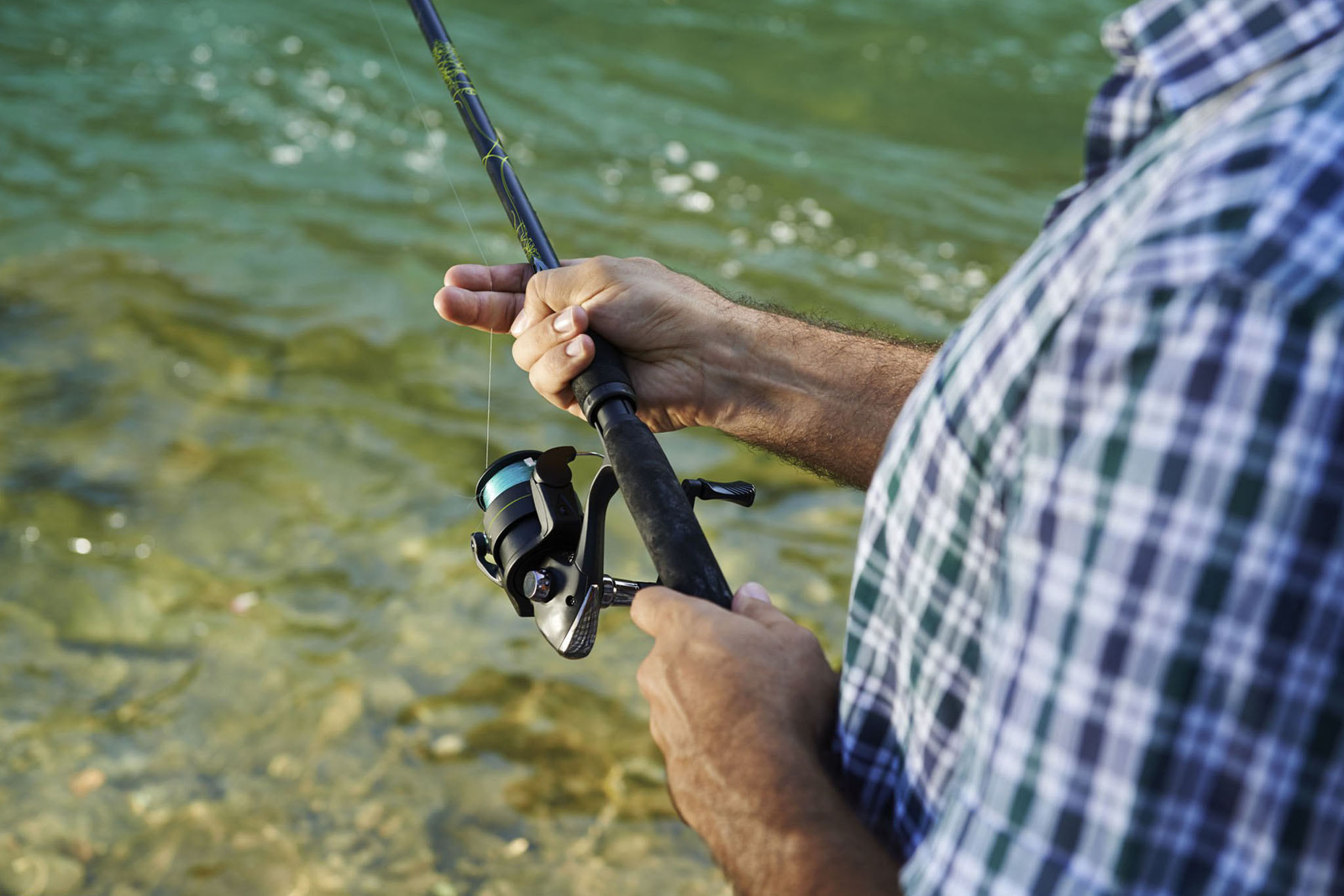
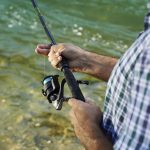
- Rod Setup: Medium-light spinning rod with a sensitive tip for detecting soft bites.
- Line: 8–10 lb fluorocarbon to stay stealthy and sensitive.
- Top Lures:
- 1/4 oz swimbaits (white, shad, or silver hues)
- Lipless crankbaits for covering open water
- Ned rigs or finesse jigs for working slower pockets
- Suspending jerkbaits for clear-water creeks where visual cues matter
Keep your retrieve slow — sometimes painfully slow. Cold-water fish aren’t chasing fast meals; they want an easy target drifting naturally with the flow.
Timing is Everything
The best time to hit creek mouths is during late afternoon warm-ups or early morning calm periods before the day’s chill sets in. Overcast skies and light drizzle often trigger heavier feeding, as baitfish move freely and predators take advantage of lower light.
If a cold front recently passed, wait 24–48 hours for the system to stabilize before revisiting your favorite creek mouth. During fronts, fish tend to hunker down — but once conditions even out, the bite can explode.
Seasonal Adaptation: When to Move On
As winter fully settles in, many creek systems cool too much to sustain the bait migration. When that happens, both prey and predators move deeper into main-lake basins and wintering holes. Keep an eye on water temperature — once it dips below 45°F consistently, it’s time to follow them out.
Final Thoughts
Fishing creek mouths during the late fall migration isn’t just about luck — it’s about understanding how seasonal shifts affect the entire food chain. By recognizing where baitfish go and how predators respond, you’re not just casting blindly — you’re making calculated moves based on natural patterns.
So, next time you hit the water and see a narrow, winding creek spilling into the main lake, don’t overlook it. That’s where the action is. Follow the bait. Trust the migration. The fish will be there — waiting.