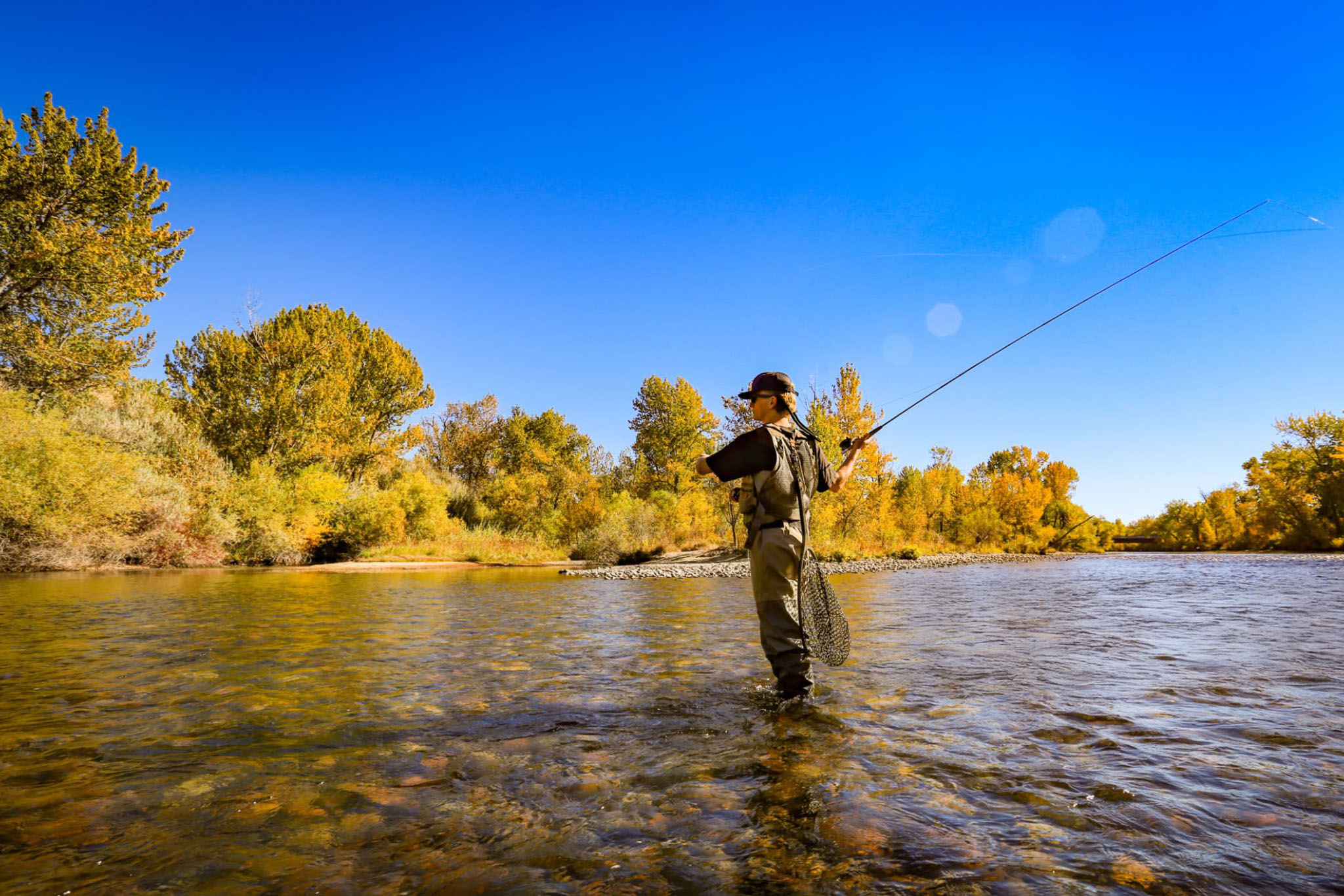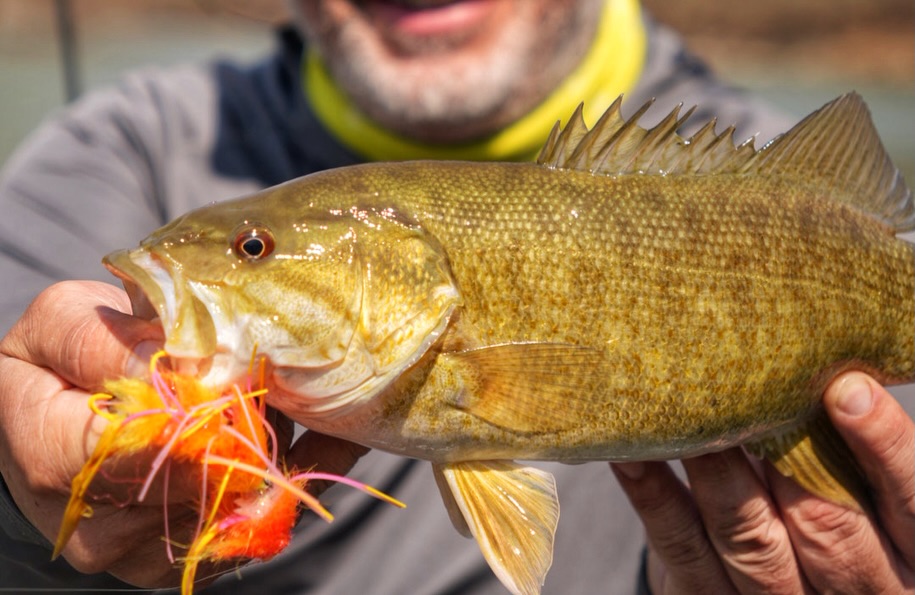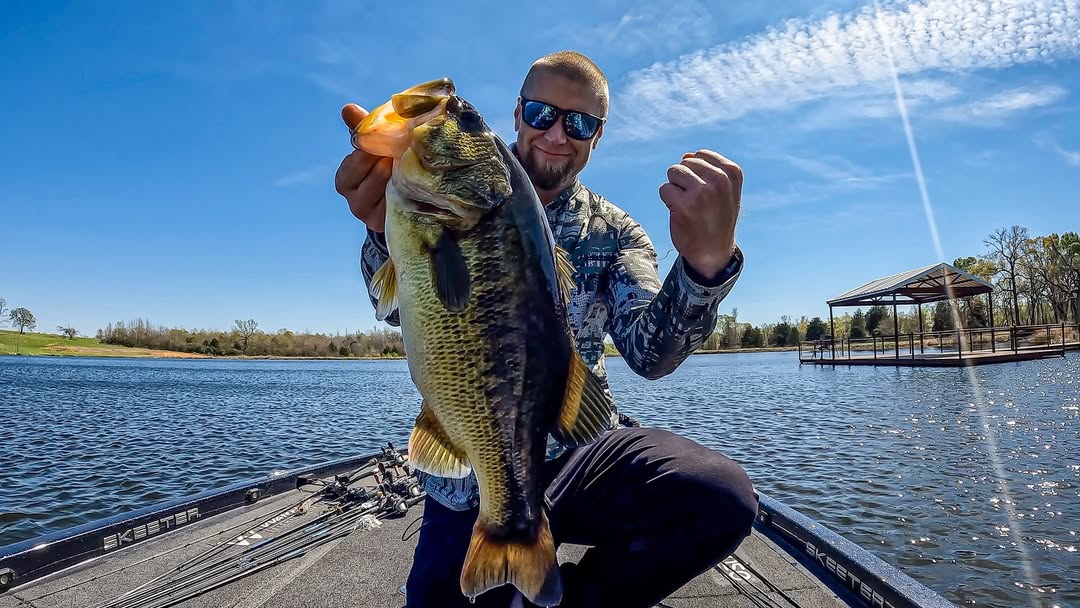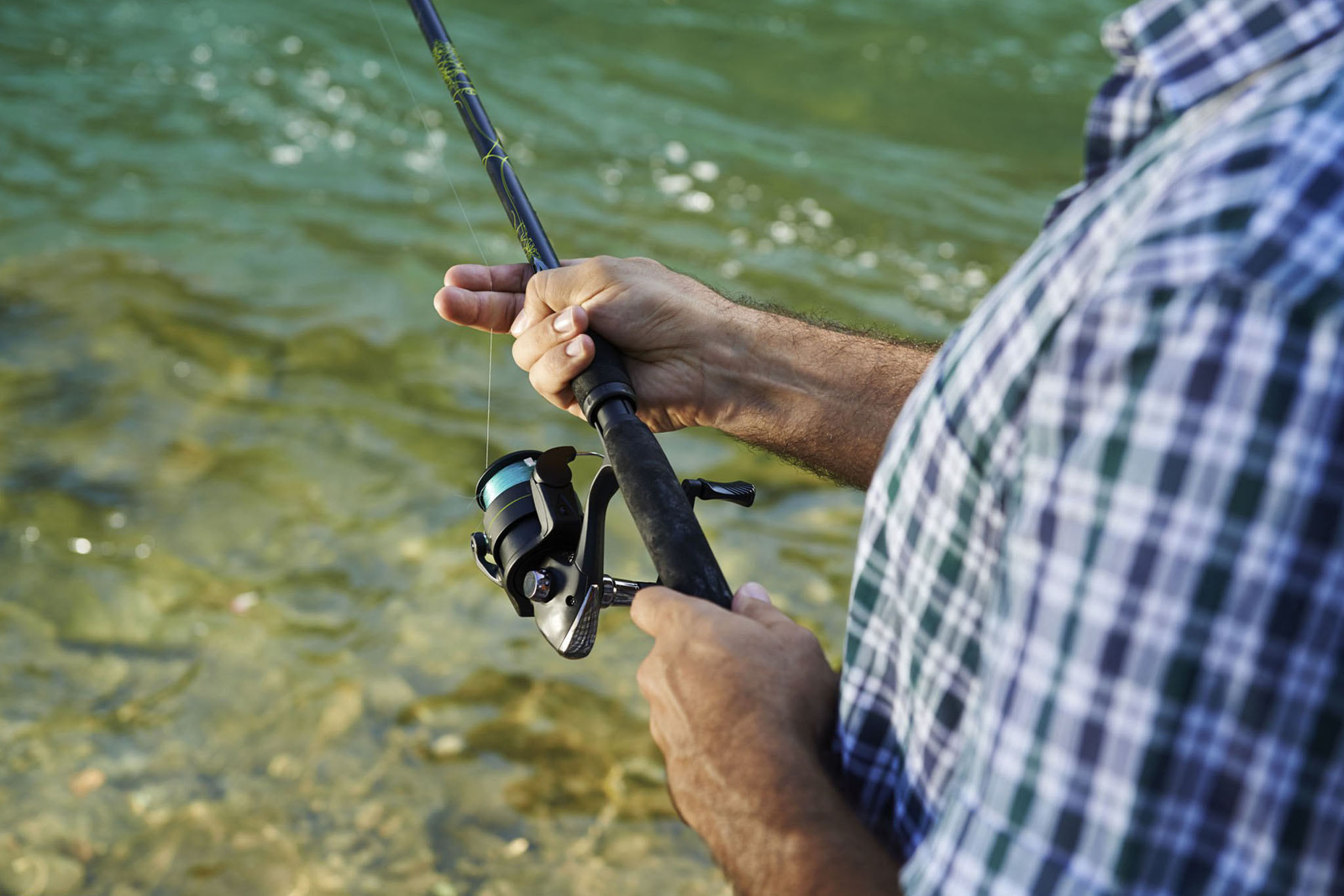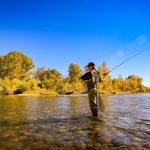
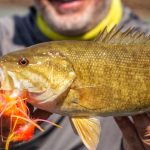
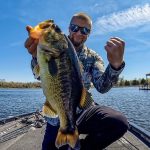
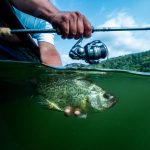
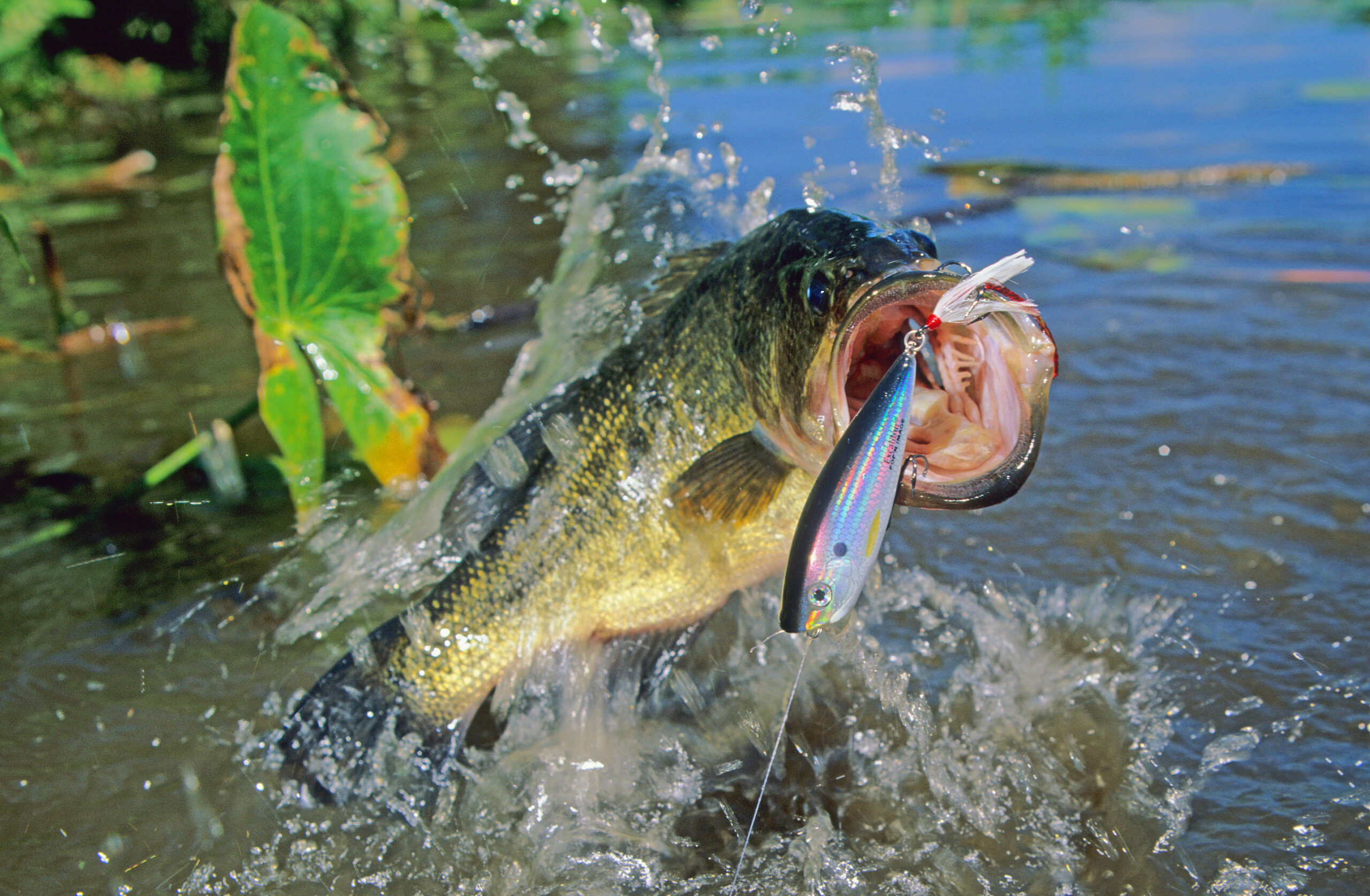
As water temperatures cool and fish prepare for winter, their feeding behaviors shift dramatically. While artificial lures have their place, autumn is one of the best times to rely on live bait. The combination of cooling water, shorter days, and changing forage availability means fish are keyed in on the real thing. In many cases, a lively minnow, worm, or crayfish can outperform even the most realistic plastic.
Why Live Bait Shines in the Fall
- Fish metabolism slows down: Cold water reduces a fish’s energy levels, making them less likely to chase fast-moving artificials. Live bait offers an easy, natural target.
- Forage patterns change: As baitfish migrate to shallower or deeper waters depending on the species, predators follow. Live bait matches what they’re actually feeding on.
- Natural scent and movement: Plastics rely on vibration and flash, but live bait releases scent into the water column that draws fish in, even from a distance.
Best Live Baits for Autumn Fishing
- Minnows
- Perfect for crappie, walleye, bass, and northern pike.
- Fish them under a slip bobber in shallow creeks or slow-troll them on points where predator fish are staging.
- Nightcrawlers
- A staple for panfish and catfish.
- In cooler water, thread a half crawler on a small hook for finicky bluegill or perch.
- Crayfish
- Highly effective for smallmouth bass in rocky rivers and lakes.
- Rig them weightless or with a small split shot to keep them near the bottom where bass hunt.
- Shad and Shiners
- Larger baitfish like shad are excellent for stripers, walleye, and trophy catfish.
- Drift them with current in rivers or free-line them in reservoirs where schools are moving.
Situations Where Live Bait Outperforms Plastics
- Clear, cold mornings: Fish are sluggish and less aggressive; a lively minnow provides just enough temptation.
- Post-cold front conditions: When the bite shuts down, live bait often still gets strikes because of its scent and realism.
- Heavily pressured waters: Fish that have seen every crankbait and jig all summer long are more likely to hit something real.
- Late-season walleye and crappie: Both species feed heavily before winter, and live bait simply matches their natural forage better.
Tips for Fishing Live Bait in Fall
- Keep bait fresh and lively: Use an aerated bucket for minnows and store nightcrawlers in cool bedding.
- Match bait size to conditions: Smaller baits work best when fish are picky, while bigger baits attract fall trophy fish.
- Use light line in clear water: Autumn water is often clearer, so fluorocarbon leaders can make a big difference.
- Stay mobile: Don’t wait too long in unproductive water. In fall, fish are often grouped tightly—once you find them, the action can be fast.
The Bottom Line
Artificial lures will always have their place, but in autumn, live bait often wins out. The combination of natural scent, lifelike movement, and seasonal feeding patterns make minnows, nightcrawlers, and crayfish irresistible to gamefish. If you want to maximize your catch rates in the crisp fall months, keep a bucket of bait handy—sometimes nature simply outperforms plastic.