As fall deepens and the days shorten, many anglers begin putting away their gear. But for kayak fishermen, late-season opportunities are just getting interesting. With fewer boats on the water and fish transitioning into predictable patterns, pressured lakes can still deliver exceptional catches—if you know how to stay stealthy.
Why Late-Season Kayak Fishing Stands Out
By late autumn, fish have endured months of pressure from powerboats, jet skis, and anglers. Their behavior changes—they become wary, often pushing into quieter coves or holding deeper where noise is minimal. A kayak’s natural advantage is stealth. With silent paddling and low-profile positioning, you can slip into zones that larger boats can’t reach.
Key Advantages of Kayaks in Pressured Lakes
- Minimal noise: Unlike motorboats, kayaks allow for near-silent approaches, perfect for spooked fish.
- Access to shallow structure: In late fall, bass, crappie, and panfish often stage around shallow brush or rocky points. Kayaks can slide right in.
- Precise positioning: Anchoring or using a pedal drive keeps you locked on a spot without disturbing fish.
- Mobility: Quick transitions between deep and shallow water are easier in a lightweight craft.
Seasonal Fish Behavior to Target
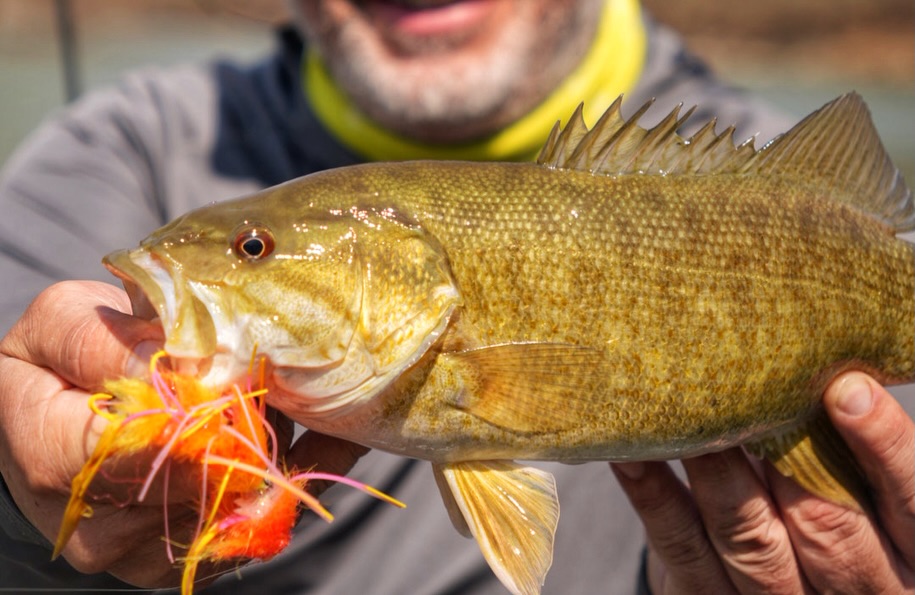
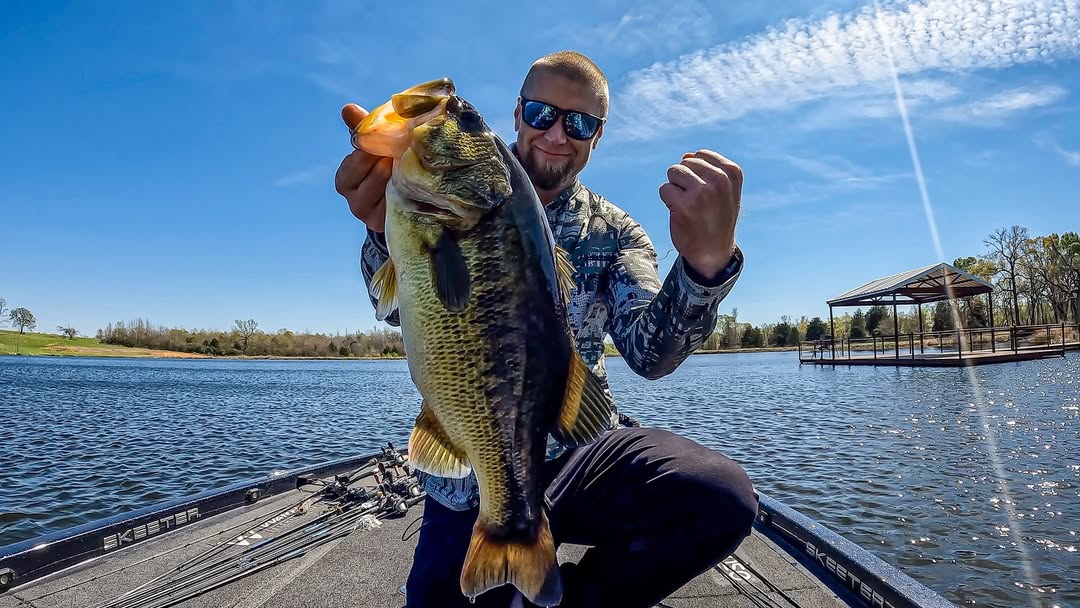
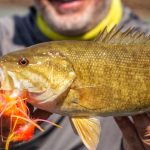
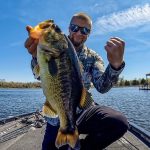
- Bass: As water cools, largemouth and smallmouth bass often school up on points and ledges. They respond well to finesse presentations from a quiet kayak.
- Crappie: They gather around brush piles and submerged timber, particularly in 10–20 feet of water. Slow jigging from a kayak is deadly effective.
- Walleye: These predators are more active during low-light hours in fall. A kayak allows you to fish tight to shorelines at dawn or dusk without spooking them.
- Trout (stocked lakes): Cooler water spreads trout across the lake, and kayaks let you troll quietly with small spoons or spinners.
Stealth Tactics for Late-Season Success
- Paddle softly and slowly
Even small splashes can push fish away. Use smooth strokes, and when possible, drift into prime areas with the wind at your back. - Use natural cover
Position yourself near brush, cattails, or standing timber. Your kayak will blend into the environment, reducing your silhouette. - Anchor with finesse
Drop a lightweight anchor or stake-out pole carefully. Avoid sudden movements that create ripples. - Downsize your tackle
In pressured waters, subtlety is key. Light fluorocarbon leaders, smaller jigs, and natural-colored plastics work best. - Stay low and still
Fish are sensitive to movement above the waterline. Keep a low posture in your seat and avoid unnecessary shifting.
Best Lures and Baits for Pressured Fall Fish
- Finesse worms and Ned rigs for bass—subtle presentations excel when fish are wary.
- Small jigs tipped with minnows for crappie—classic, effective, and deadly from a quiet kayak.
- Blade baits and jigging spoons for walleye—perfect for vertical presentations in deeper zones.
- Inline spinners and micro-cranks for trout—keep them moving slowly for late-season strikes.
Gear Tips for Cold-Weather Kayak Fishing
- Clothing: Layer with moisture-wicking base layers, insulation, and waterproof outerwear. Always wear a PFD designed for cold-weather conditions.
- Rod storage: Secure rods with leashes to prevent losing them in sudden wind gusts or slips.
- Electronics: A compact fish finder can make a huge difference when locating deep schools of fish.
- Lighting: Shorter days mean more low-light fishing. Carry a headlamp or mounted kayak light for safety and visibility.
Safety Considerations
Late-season water is unforgiving. Hypothermia can set in quickly if you capsize. Always:
- Wear a PFD at all times.
- Bring a dry bag with spare clothes.
- Let someone know your location before heading out.
- Avoid fishing alone in very cold or windy conditions.
Final Thoughts
Late-season kayak fishing is about patience, precision, and stealth. While pressured lakes may seem tough, a quiet approach from a kayak gives you the upper hand. By downsizing your gear, moving silently, and targeting seasonal fish patterns, you can extend your fishing season well into the cold months—and maybe even land some of the biggest catches of the year.