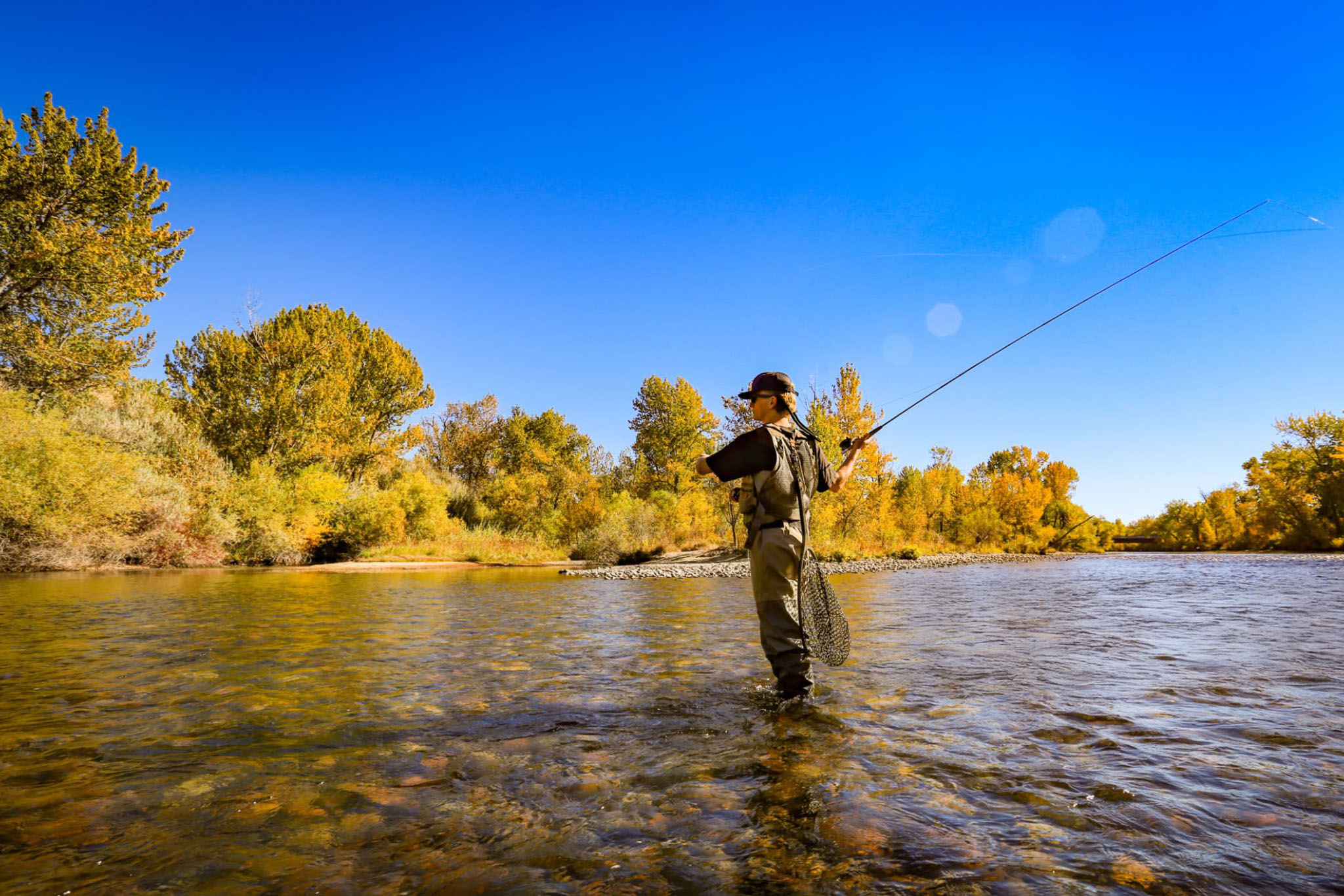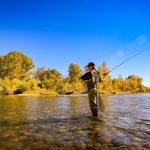

As autumn settles in and streams run clear and shallow, trout behavior changes dramatically. The once-boisterous currents of spring and early summer give way to gentle trickles, exposing gravel beds, narrowing pools, and forcing trout into more predictable holding spots. For anglers, this season is less about brute strength and more about observation, patience, and precision. Learning to read ripples in low autumn flows can reveal where trout lie, giving you the edge in some of the year’s most technical fishing.
Understanding Trout Behavior in Low Flows
Trout are masters of efficiency. In low water, they must balance the need for oxygen, food, and safety. With reduced current, they won’t waste energy chasing prey in open water. Instead, they tuck into lies where all three needs converge.
Key behaviors include:
- Seeking shelter from predators: In skinny water, trout become skittish. They favor shadow lines, undercut banks, and deeper slots.
- Conserving energy: Low current means trout sit tight in slower seams where they can intercept food with minimal effort.
- Relying on camouflage: Trout blend with rocks, gravel, and leaves, often visible only as a faint shadow if you’re paying close attention.
Decoding Ripples and Surface Clues
The art of reading water begins with observing subtle surface disruptions. Even in shallow creeks, ripples reveal what’s happening below. Here’s what to look for:
1. Soft Seams and Current Breaks
Where fast water meets slower pockets, a soft seam forms—a perfect ambush point for trout. Ripples often look smoother just downstream of a rock or log. Cast your fly to the seam line, and let it drift naturally into the slack.
2. Tailouts of Pools
As a pool narrows into the next riffle, look for dimples or shifting rings on the surface. Trout stack up here, feeding on insects funneling through the choke point. Tailouts may appear calm, but a faint ripple at the seam line often marks active fish.
3. Undercut Banks and Overhanging Cover
Ripples close to the bank—especially those with broken reflections—signal subtle current deflections. These spots often hold larger, wary trout waiting for terrestrial insects to fall.
4. Oxygen-Rich Riffles
Even when flows are low, shallow riffles oxygenate the water. The small choppy ripples on the surface mask trout from predators. Look downstream of these riffles for a bubble line or softer patch—prime lies for feeding fish.
5. Rock Shadows
Large submerged rocks split the current, creating slicks and pillow water in front, and an eddy behind. Watch how ripples swirl and flatten around these structures—they’re telling you exactly where a trout might hold.
Tactical Approaches for Autumn Trout
Once you’ve identified potential lies, stealth becomes critical. Low flows mean trout see and hear more than usual.
- Approach low and slow: Keep your profile below the skyline, moving carefully along banks. Avoid wading unless absolutely necessary.
- Downsize your tackle: Use lighter tippets (5x–6x) and smaller flies to match the clear-water conditions.
- Match the hatch: In autumn, trout feed heavily on midges, blue-winged olives, and terrestrials like ants and beetles. Observe surface activity before tying on.
- Use longer leaders: A 9–12 foot leader helps keep fly lines from spooking fish in skinny water.
- Drift with precision: Natural drifts are everything. Even the slightest drag will send trout bolting.
Seasonal Fly Choices
- Nymphs: Pheasant Tail, Zebra Midge, Hare’s Ear in size 18–22.
- Dry flies: Blue-Winged Olive (BWO), Griffith’s Gnat, and Parachute Adams for sipping trout.
- Streamers: In deeper pockets, small woolly buggers or sculpin patterns can move bigger fish.
When to Fish in Autumn
Timing matters. Trout in low autumn flows feed best under low-light conditions:
- Early mornings: Cooler water and insect activity pick up.
- Cloudy days: Overcast skies reduce glare, making trout less wary.
- Late afternoons: As temperatures dip, insect hatches often intensify.
Final Thoughts
Low autumn flows may look intimidating at first glance, but they offer a unique opportunity for observant anglers. By training your eye to read ripples, seams, and subtle surface cues, you can unlock trout lies that others overlook. Success in these conditions isn’t about covering miles of river—it’s about slowing down, observing carefully, and presenting your fly with finesse.
For the patient angler, autumn’s clear waters hold the promise of some of the most technical—and rewarding—trout fishing of the year.