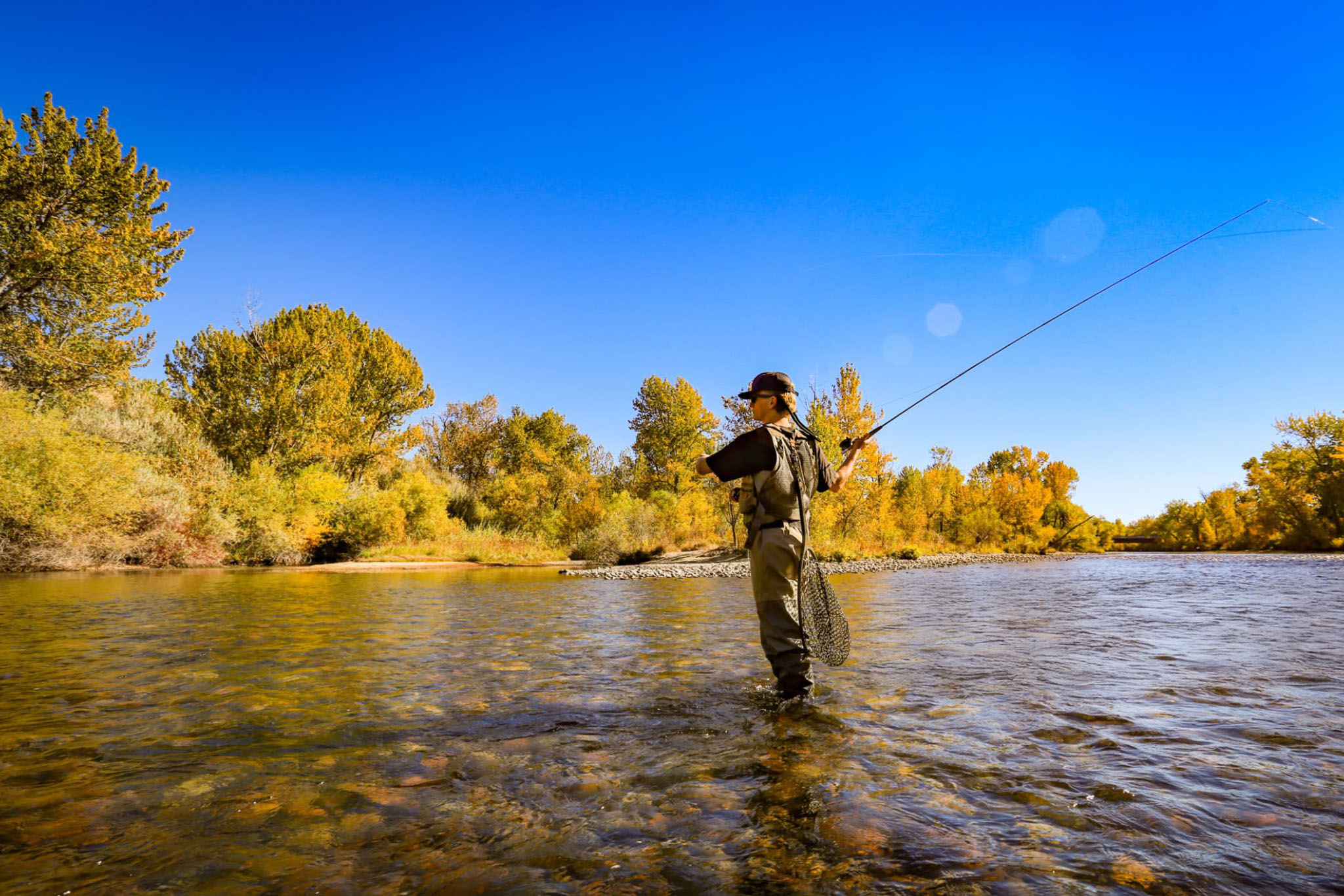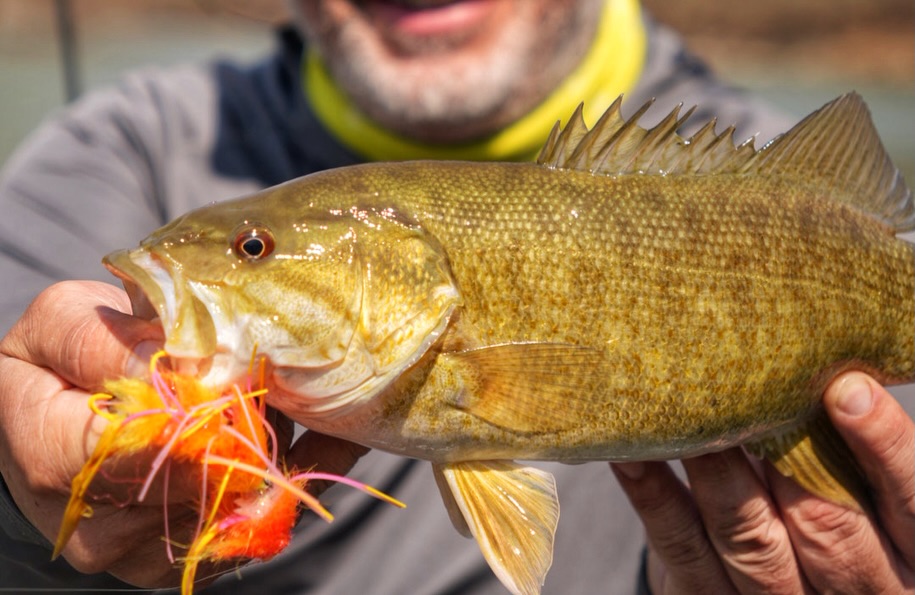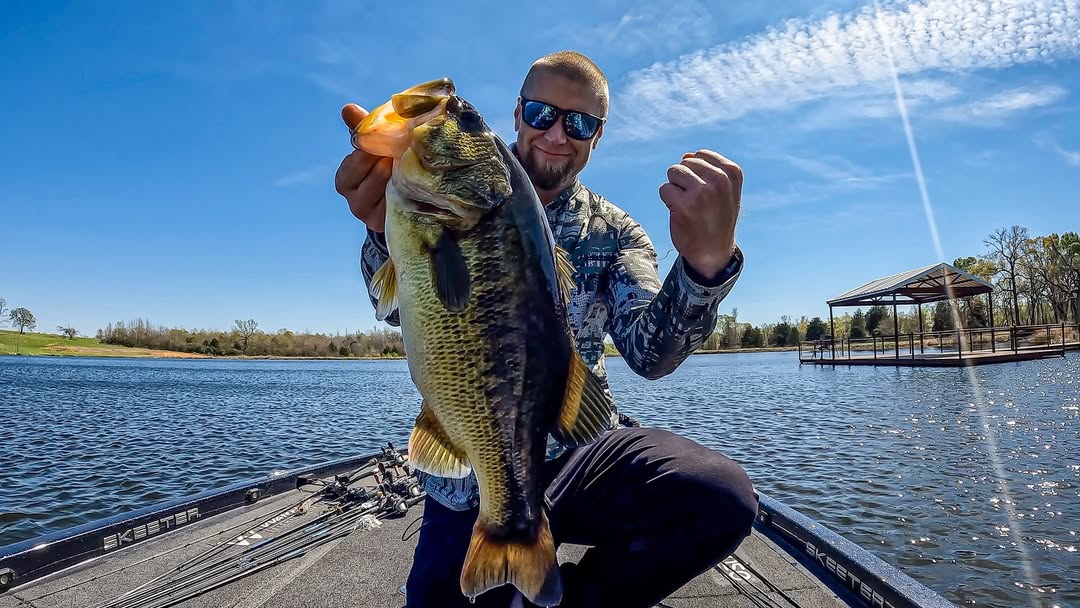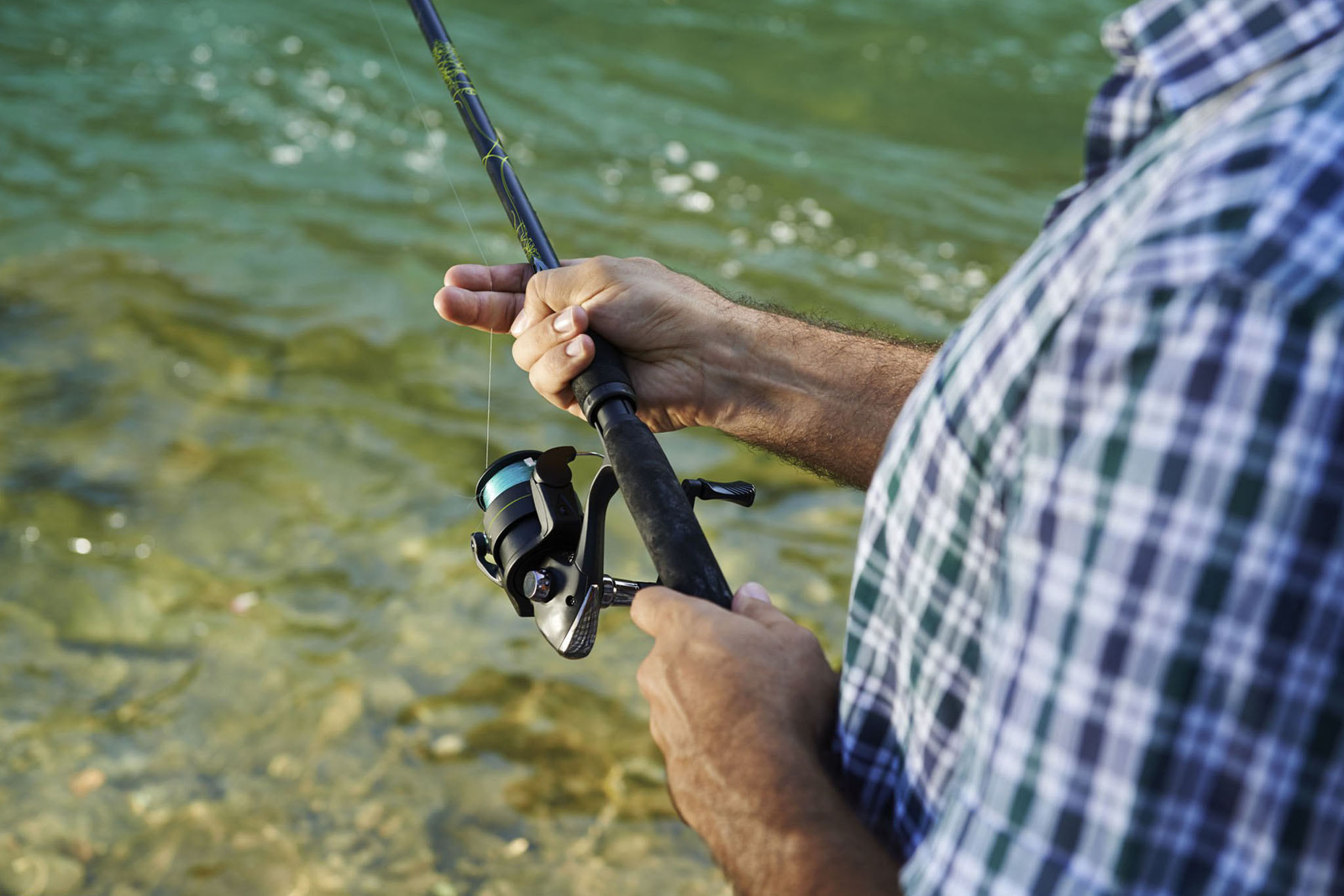
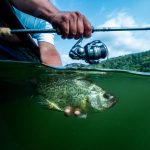
As fall rolls in and the air cools, crappie fishing begins to heat up. For many anglers, this season is prime time to target “slabs”—the big, thick-shouldered crappie that feed heavily before winter. One of the most reliable patterns during fall is focusing on brush piles. Whether natural or man-made, brush piles act like magnets for crappie, drawing them in with food, cover, and protection from predators. Understanding how to locate and fish these structures can be the difference between a slow day on the water and filling your livewell with trophy slabs.
Why Brush Piles Hold Crappie in Fall
Crappie are structure-oriented fish year-round, but brush piles become especially important during the fall transition. Here’s why:
- Forage Availability – As baitfish like shad and minnows move into shallower water during fall, brush piles provide ambush points for crappie to feed efficiently.
- Cover and Security – With cooling water and shifting daylight, crappie instinctively seek places to hide. Brush piles shield them from larger predators while offering comfortable cover.
- Stable Water Temperatures – Brush piles in slightly deeper water often provide stable conditions when surface temps fluctuate in autumn.
- Concentration Effect – Instead of being scattered, crappie bunch up tightly in and around brush, making them easier to target.
Finding Productive Brush Piles
Not all brush piles are created equal. Successful crappie anglers learn to identify the ones that consistently hold fish.
- Depth Matters – In early fall, look for piles in 8–12 feet of water. As the season progresses and temperatures drop, crappie often move deeper to 15–20 feet.
- Location Relative to Structure – Brush piles near creek channels, points, and drop-offs are prime spots. Crappie love areas where they can move quickly between feeding and resting zones.
- Electronics Are Key – Modern fish finders and side-scan sonar make locating hidden brush piles much easier. Pay attention to arches and stacked marks—these are crappie holding tight to cover.
- Public vs. Private Piles – Some lakes have brush piles placed by state agencies, and many are marked on maps. But don’t overlook piles sunk by local anglers—those “secret” spots can hold the biggest slabs.
Best Tactics for Fishing Brush Piles
Fishing brush piles requires finesse. Too aggressive, and you’ll snag up. Too cautious, and you won’t get your bait in front of the fish.
1. Vertical Jigging
A tried-and-true method, vertical jigging allows you to drop small jigs directly into the pile. Use a light line (4–6 lb test) and a sensitive rod to feel the subtle “thump” when a crappie strikes. Try varying your jigging cadence—sometimes a slow lift-and-drop triggers bites, while other days, a quivering motion works best.
2. Slip Bobber Rigs
When crappie are holding just above the brush, a slip bobber keeps your bait at the right depth without constantly snagging. Pair a live minnow or soft plastic with a light jighead for natural movement.
3. Casting and Pendulum Retrieves
Casting small jigs or plastics past the pile and letting them swing back naturally is another great tactic. This approach works best when fish are suspended just outside the brush.
4. Live Bait Advantage
While jigs catch plenty of crappie, live minnows are hard to beat in fall. Hook them through the lips or behind the dorsal fin and let them swim naturally around the pile.
Seasonal Adjustments
Fall isn’t a static season, and neither are crappie movements.
- Early Fall – Crappie often hold shallower, sometimes only 6–10 feet down. Focus on brush piles near main-lake flats and creek mouths.
- Mid-Fall – As temperatures stabilize, crappie move deeper. Brush piles in 12–18 feet are reliable.
- Late Fall – Expect fish to stack even deeper as they prepare for winter. Electronics become essential for locating dense schools in 20+ feet of water.
Pro Tips for Targeting Big Slabs
- Fish the Edges First – Big crappie often hold slightly outside the densest part of the pile. Target the edges before diving into the heart of the cover.
- Lighten Up Your Gear – Thinner lines and small jigs get more bites, especially in clear water.
- Stay Patient – Brush pile crappie can be finicky. Give each spot time before moving on.
- Mark Productive Spots – Once you find a brush pile loaded with slabs, mark it on your GPS. Chances are, it’ll produce year after year in fall.
Final Thoughts
Fall crappie fishing around brush piles is one of the most rewarding experiences for anglers. The combination of crisp air, beautiful scenery, and the chance to haul in big slabs makes it hard to beat. By understanding why brush piles attract crappie, learning how to locate them, and applying the right techniques, you’ll be setting yourself up for consistent success this season.
So grab your jig box, spool up with light line, and head for the cover. Those fall brush piles are waiting—and they’re holding crappie slabs that can make your autumn fishing unforgettable.