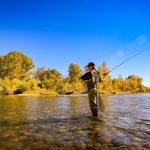
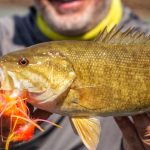
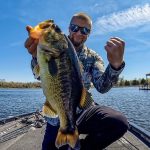
When fall rolls in, anglers know one thing for sure: baitfish movement triggers predator feeding. Among all the baitfish species, shad migrations are perhaps the most influential in shaping autumn fishing success. As shad push shallow with dropping water temperatures, bass, stripers, and other predators follow with aggressive strikes, creating some of the most action-packed fishing of the year. Understanding how to time these movements and adjust your tactics can turn a good fall outing into one you’ll never forget.
Why Shad Migration Matters
Shad are high-protein forage fish, and in many lakes and rivers, they make up the bulk of predator diets. As surface temperatures cool into the 60s, shad move from open-water summer haunts toward shallower creeks, coves, and shorelines.
This predictable migration gives anglers a road map: find the shad, and you’ll find the fish. Bass, in particular, become highly aggressive as they fatten up for winter, often corralling shad into tight schools and striking with reckless abandon.
Key Predator Species That Feed on Migrating Shad
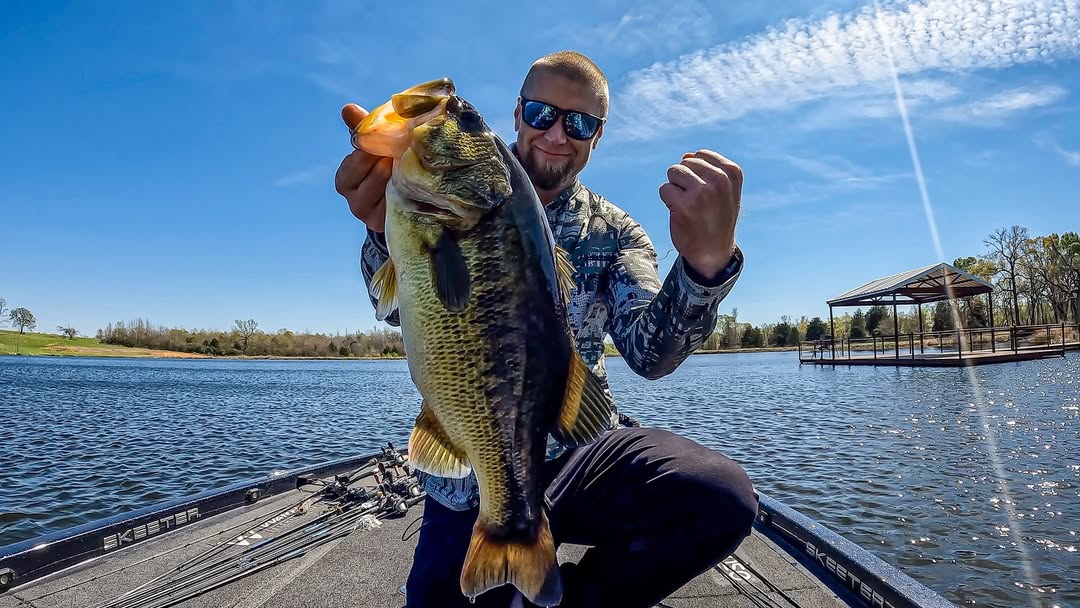
- Largemouth Bass: Perhaps the biggest beneficiaries of shad migration. Bass will push into backs of creeks and hit baitfish imitators hard.
- Striped Bass & White Bass: Open-water hunters that follow shad in massive schools. When they surface feed, the action can be fast and furious.
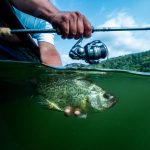
- Crappie: These panfish often suspend around brush piles near shad schools, picking off stragglers.
- Walleye: As shad drop deeper in late fall, walleyes shift to ledges and channel edges to ambush them.
Fall Patterns That Deliver
1. Creek Channel Hunts
By mid to late fall, shad pour into feeder creeks. Bass follow them along channel bends and shallow flats. Casting crankbaits, spinnerbaits, or flukes along these routes can yield heavy strikes.
2. Schooling Frenzy
On calm mornings and evenings, shad schools may push to the surface. Bass, stripers, and whites bust into them, creating surface explosions. Casting topwater lures like walking baits, poppers, or small spoons into the chaos is one of the most exciting ways to fish.
3. Bluff Walls and Ledges
As fall progresses and water dips further, shad move back toward deeper wintering areas. Predators position along drop-offs and bluff walls, making vertical jigging spoons, swimbaits, and blade baits highly effective.
4. Wind-Driven Points
Wind pushes shad into certain shorelines and points, creating ambush zones for feeding fish. Targeting wind-blown banks with moving baits often out-produces calm areas.
Lure Choices for Shad-Based Fall Fishing
- Shad-Pattern Crankbaits: Squarebills for shallow creeks, medium divers for mid-depth channels.
- Spinnerbaits & Chatterbaits: Flash and vibration mimic panicked baitfish.
- Soft Plastics: Flukes, swimbaits, and grubs rigged weightless or on jigheads for subtle presentations.
- Topwater Walkers & Poppers: Best during surface schooling action.
- Jigging Spoons & Blade Baits: Perfect for vertical fishing deeper schools as winter approaches.
Tips for Success
- Use Electronics: Modern sonar and forward-facing technology make it easy to find shad schools and mark predator activity around them.
- Stay Mobile: Shad are constantly moving. If the action slows, don’t wait too long — chase active schools.
- Match the Size: Pay attention to shad size in your lake and pick lures that closely resemble them.
- Follow the Sun: Early and late, shad roam shallow. As the day warms, they may move slightly deeper. Adjust accordingly.
The Payoff of Fall Shad Fishing
Fishing around migrating shad is all about being in the right place at the right time. When you intersect a predator feeding frenzy, the strikes are violent, the action is steady, and the adrenaline rush is unforgettable. For many anglers, chasing fall shad patterns is the highlight of the entire fishing calendar — a perfect storm of biology, timing, and opportunity.
Final Thoughts
Shad migrations drive some of the most reliable fishing action in fall. Whether you’re chasing largemouths in the creeks, stripers on the main lake, or walleyes on ledges, understanding baitfish movement is the key to unlocking aggressive strikes. This season, follow the forage, adjust your tactics to match the patterns, and you’ll find that fall fishing truly delivers.