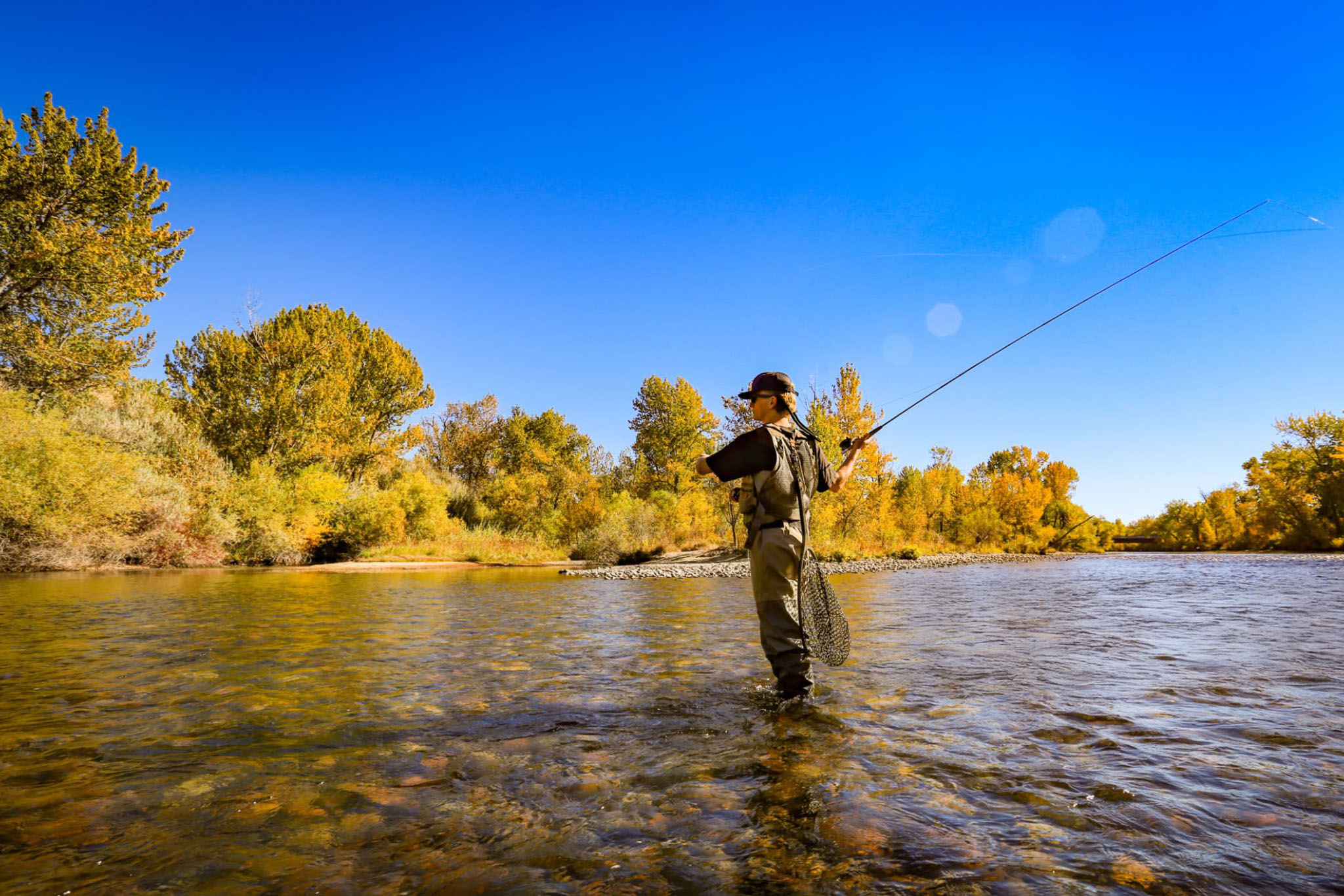
Every fall, lakes and rivers across the country come alive with a natural drama that defines the success or failure of anglers everywhere. It’s not just about water temperature, lure selection, or weather fronts—though those factors matter. At the heart of fall fishing lies a single truth: find the baitfish, and you’ll find the game fish.
Predators like bass, walleye, pike, and stripers know that winter is coming. To prepare, they feed aggressively, and their primary food source—schools of shad, minnows, and other baitfish—sets the stage. For savvy anglers, understanding this predator-prey relationship is the difference between slow days and unforgettable action.
Why Baitfish Drive Fall Fishing
Unlike summer, when forage can scatter, baitfish in the fall begin to group up in large schools. This shift is triggered by:
- Cooling Water Temperatures: As lakes and rivers cool, baitfish move shallower, often into coves, creeks, and points.
- Seasonal Migrations: Some species, like threadfin shad, naturally migrate toward the backs of creeks and river arms as autumn progresses.
- Predator Pressure: Schooling offers baitfish safety in numbers, but ironically, it also concentrates food sources for predators.
For game fish, this buffet-style setup is irresistible. For anglers, it’s a roadmap to consistent catches.
Locating Baitfish in Fall
Spotting bait schools isn’t always easy, but several clues help narrow the search:
- Bird Activity
Diving gulls, terns, or loons are often the first sign of surface-feeding baitfish. If birds are working, predators are almost certainly below. - Surface Disturbances
Look for nervous water—ripples, splashes, or baitfish jumping. These often signal a predator attack underneath. - Electronics
Modern sonar and side imaging are invaluable. Baitfish often appear as tight clouds or balls, sometimes suspended in the water column. - Seasonal Hotspots
- Early Fall: Main lake points, shallow flats, and weedlines.
- Mid-Fall: Back halves of coves and creek channels.
- Late Fall: Deeper channels, drop-offs, and river mouths.
Matching Predator Behavior
Game fish follow bait schools closely, and their feeding patterns shift as the season progresses:
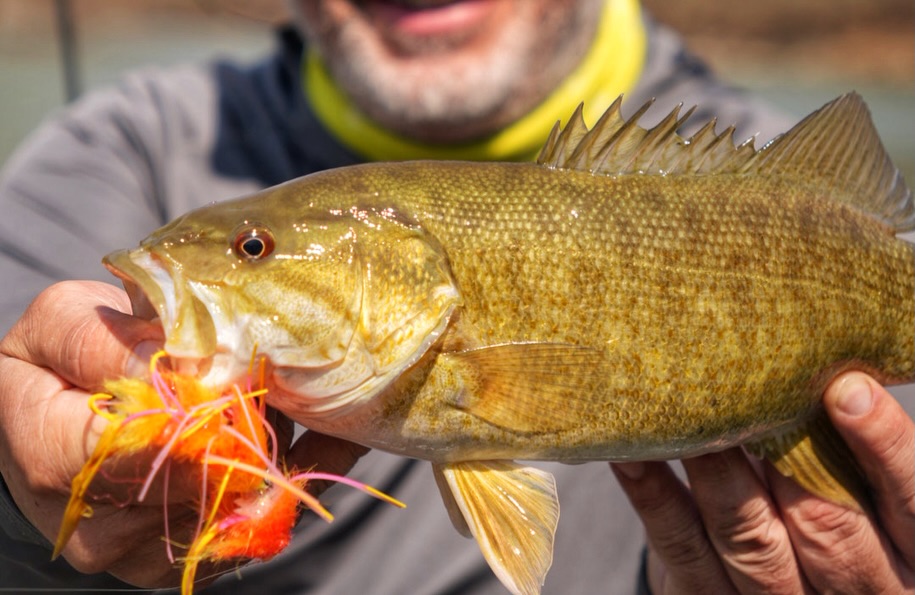
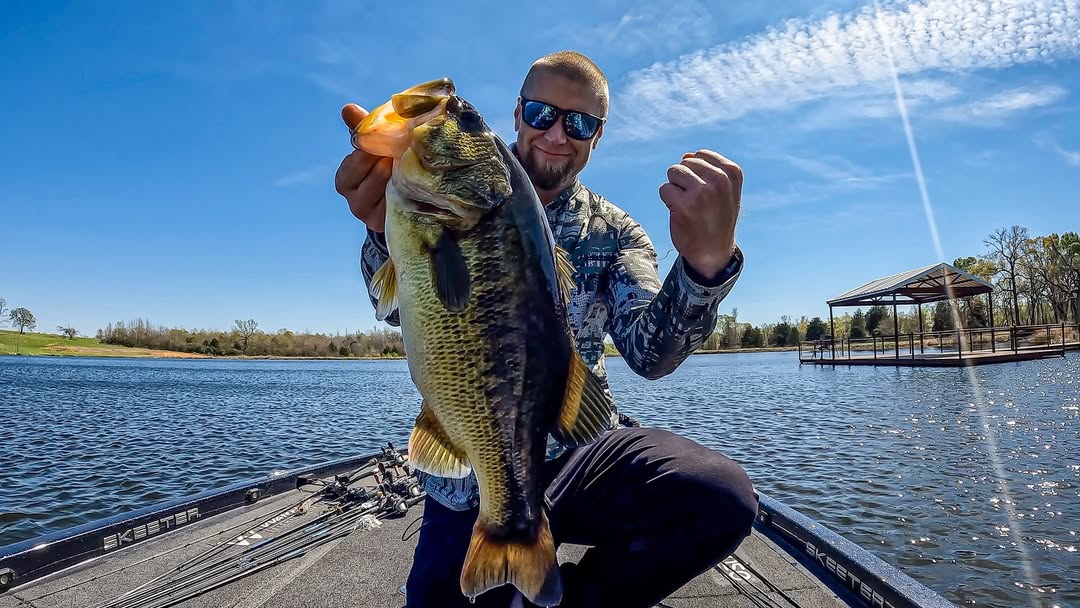
- Bass: In early fall, largemouths herd shad into pockets and feed in flurries. By late fall, they suspend under bait balls in deeper water.
- Walleye: These predators key in on bait near ledges, humps, and mid-lake structures. They’re often found just below bait schools.
- Pike and Musky: Ambush predators that patrol weed edges and points where bait is funneled.
- Striped Bass: Famous for blitzing baitfish at the surface, especially during cool mornings and evenings.
Understanding these tendencies helps anglers anticipate where and how fish will strike.
Lure Choices: Imitating the Forage
When predators are keyed on baitfish, matching the hatch becomes critical. The closer your presentation resembles what they’re chasing, the more success you’ll have.
- Crankbaits: Shad-pattern squarebills or medium divers excel around points and shallow flats.
- Swimbaits: Soft plastic paddletails rigged on jig heads are deadly around bait schools.
- Jerkbaits: Perfect for suspended bass and walleye shadowing bait balls.
- Topwater Lures: Walking baits and poppers shine during surface blitzes.
- Spoons and Blade Baits: Excellent for vertical jigging when fish are feeding under schools in deeper water.
Tip: Color matters. Silver, white, and pearl mimic baitfish well, but subtle hues like chartreuse or blue can stand out in stained water.
Timing Your Approach
Not all times of day are equal when chasing bait-driven predators:
- Early Morning & Late Evening: Best for surface activity and aggressive feeding.
- Midday: Fish may hold deeper, requiring sonar and vertical presentations.
- Pre-Front Conditions: Overcast skies and dropping barometers often trigger extended feeding frenzies.
Adapting to the Fall Transition
As temperatures continue to drop, bait schools shift, and so must anglers:
- Early Fall: Stay mobile, cover water, and watch for surface activity.
- Mid-Fall: Work creek arms and backs of coves where bait is thickening.
- Late Fall: Slow down. Use vertical jigging or slow-rolled swimbaits near deep structure.
Final Thoughts
Fall fishing success comes down to one guiding principle: follow the forage. Whether you’re chasing bass busting shad on a windswept point, walleyes lurking beneath suspended bait, or stripers crashing the surface, the key lies in locating and imitating baitfish schools.
By reading the signs, matching predator behavior, and adjusting tactics as the season shifts, you’ll not only increase your odds of success—you’ll unlock some of the most exciting action the fishing calendar has to offer.