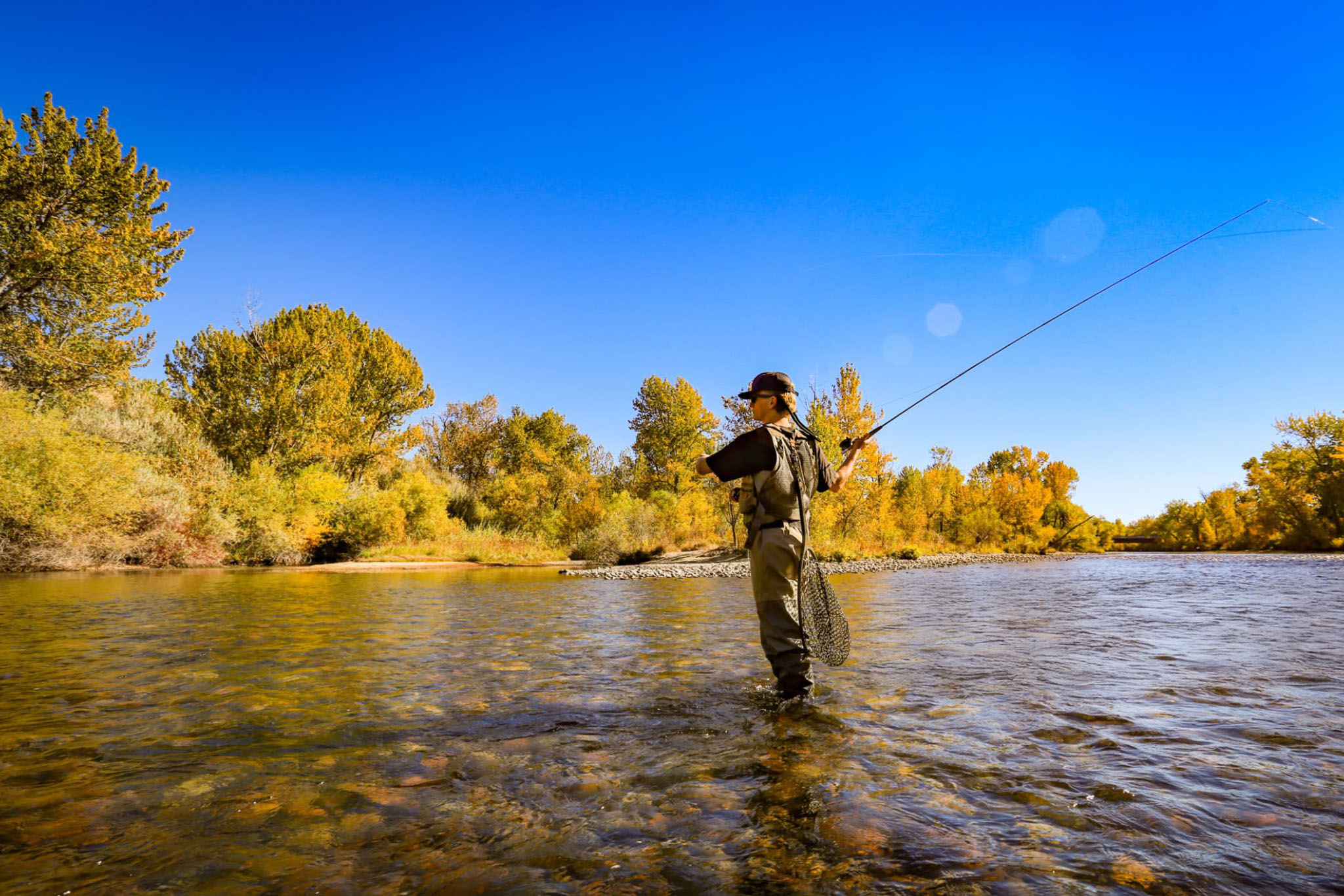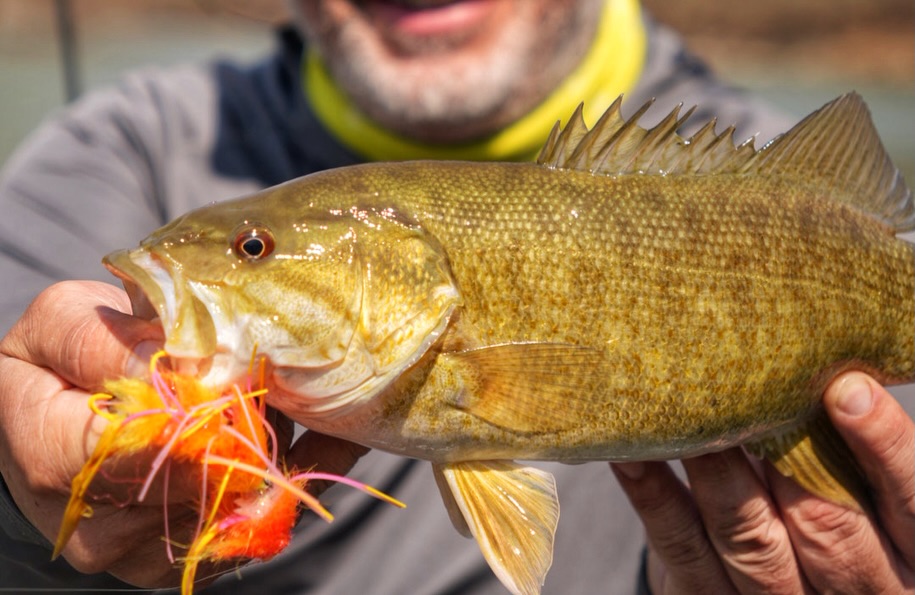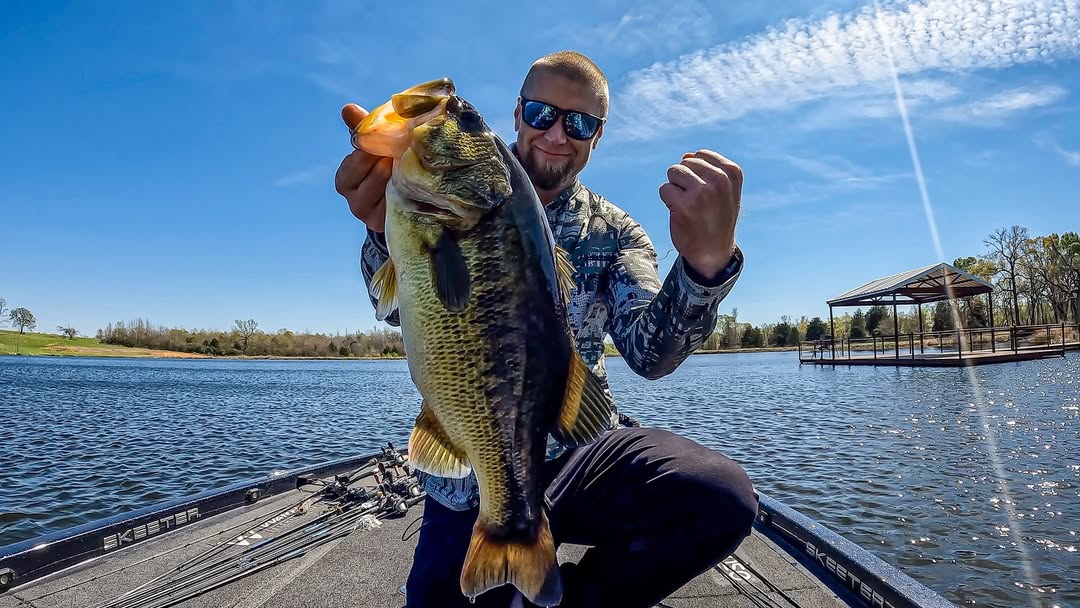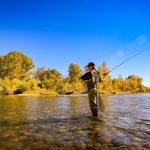
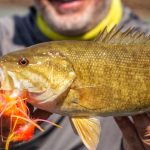
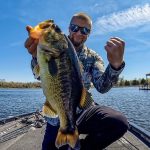
When fall cools the water and the first frosts begin to bite, smallmouth bass shift their patterns in ways that can frustrate unprepared anglers. But for those who understand their seasonal tendencies, this period becomes one of the most rewarding times of the year. Smallmouths may not be as scattered as summer or as lethargic as winter, but they demand a more calculated approach. Rock ledges and slow drifts become the keys to unlocking consistent action.
Why Smallmouths Gravitate to Rock Ledges in Fall
Smallmouth bass are structure-oriented predators, and as water temperatures drop into the 50s and 60s, they gravitate toward rocky features that offer both food and shelter.
- Heat Retention – Rocks absorb and hold warmth longer than surrounding substrate, making ledges attractive as temperatures fall.
- Forage Habitat – Crawfish and baitfish use ledges and cracks for cover, drawing smallmouths in close.
- Vertical Access – Ledges allow smallmouths to move quickly between shallow feeding areas and deeper holding zones.
In short, ledges give smallmouths everything they need during fall transitions: warmth, food, and flexibility.
Locating Productive Rock Ledges
Not all ledges are created equal. Focus on features that concentrate forage and offer ambush opportunities:
- Main Lake Points and Bluffs – Look for ledges that drop quickly into deeper water.
- River Bends – Current-carved ledges on outside bends hold fish looking for easy meals.
- Transitional Areas – Places where rock meets gravel or sand often produce the most action.
- Wind-Blown Shorelines – Moving water pushes baitfish against rocky edges, making them hotspots.
Using modern electronics, such as side-scan sonar, can help reveal ledge details and fish positioning you’d never spot with the naked eye.
Slow Drifts: The Secret Sauce of Fall Smallmouth Fishing
Fall smallmouths can be aggressive, but they also demand patience. That’s where slow drifting comes into play. Instead of anchoring or power fishing, drift naturally with the current or a controlled trolling motor, keeping your bait in the strike zone longer.
- Drift Jigs – Football jigs with craw trailers bounced slowly across ledges mimic natural forage.
- Drop Shotting – Suspended smallmouths hovering just off ledges respond well to finesse plastics.
- Tube Baits – A classic for smallmouths. Allow them to spiral naturally down ledges on a drift.
- Live Bait Options – Minnows or leeches on light rigs can be deadly when fish are finicky.
Drifting allows you to cover long stretches of ledges efficiently without spooking fish, offering a subtle presentation that matches their fall feeding style.
Best Conditions for Ledge Fishing in Fall
- Overcast Days – Smallmouths roam more freely, often pushing up shallow on ledges.
- Stable Weather – After a cold front, give fish time to stabilize before hitting them with slow drifts.
- Moderate Wind – A light chop adds movement to your bait without overpowering the drift.
- Late Afternoon – Rocks release stored heat, making evening bites surprisingly strong.
Gear Setup for Rock Ledges and Drifting
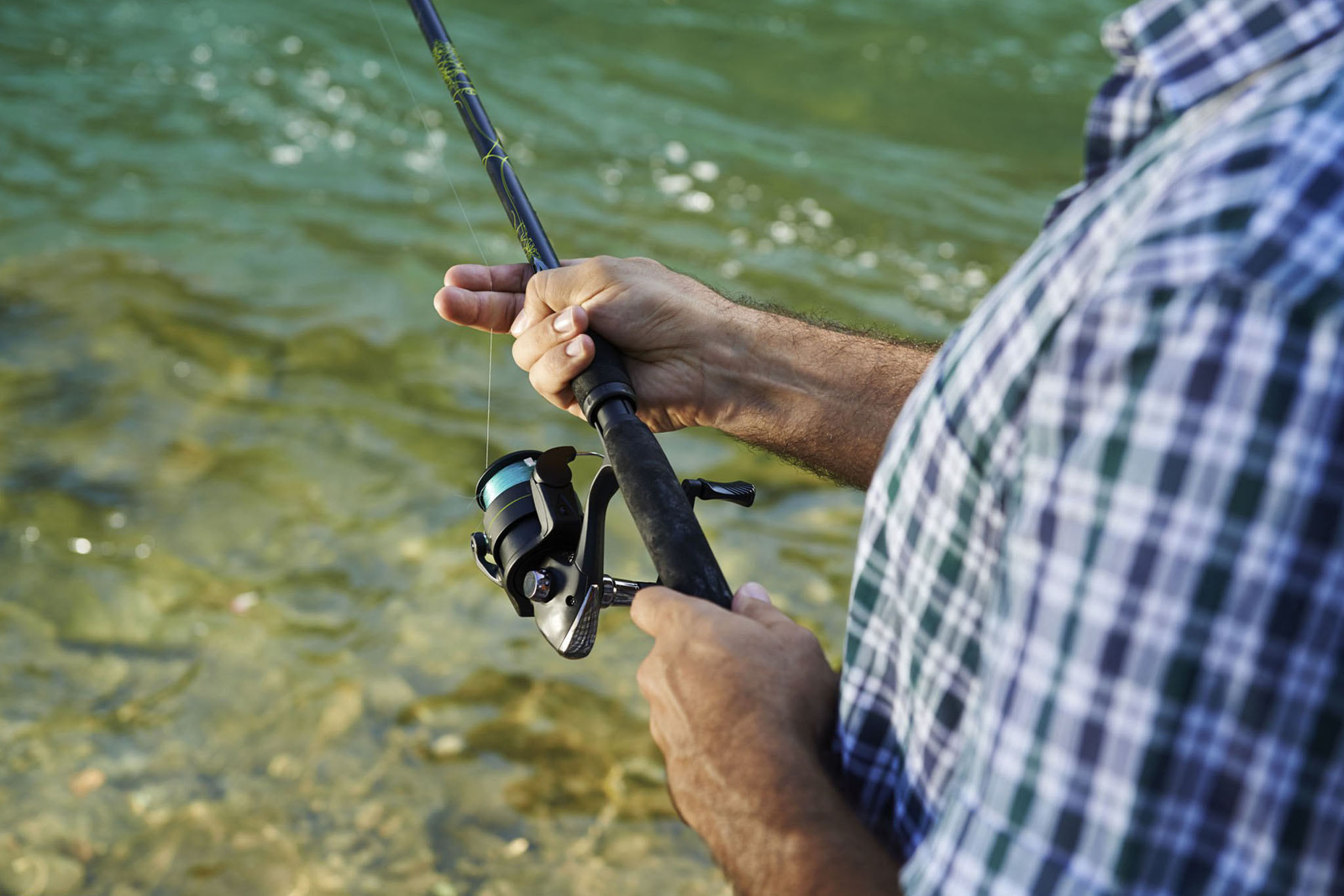
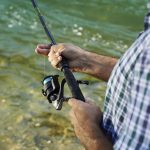
- Rods and Reels – Medium spinning rods (6’6”–7’0”) paired with 2500–3000 series reels give the perfect balance of sensitivity and backbone.
- Line Choice – 10–15 lb braid with a 6–8 lb fluorocarbon leader ensures stealth and control.
- Weights – Lighter weights (1/8–3/8 oz) for subtle drifts; heavier jigheads for deeper ledges.
- Electronics – Use sonar to track bait balls and mark ledges with consistent arches.
Conservation: Handling Fall Smallmouth with Care
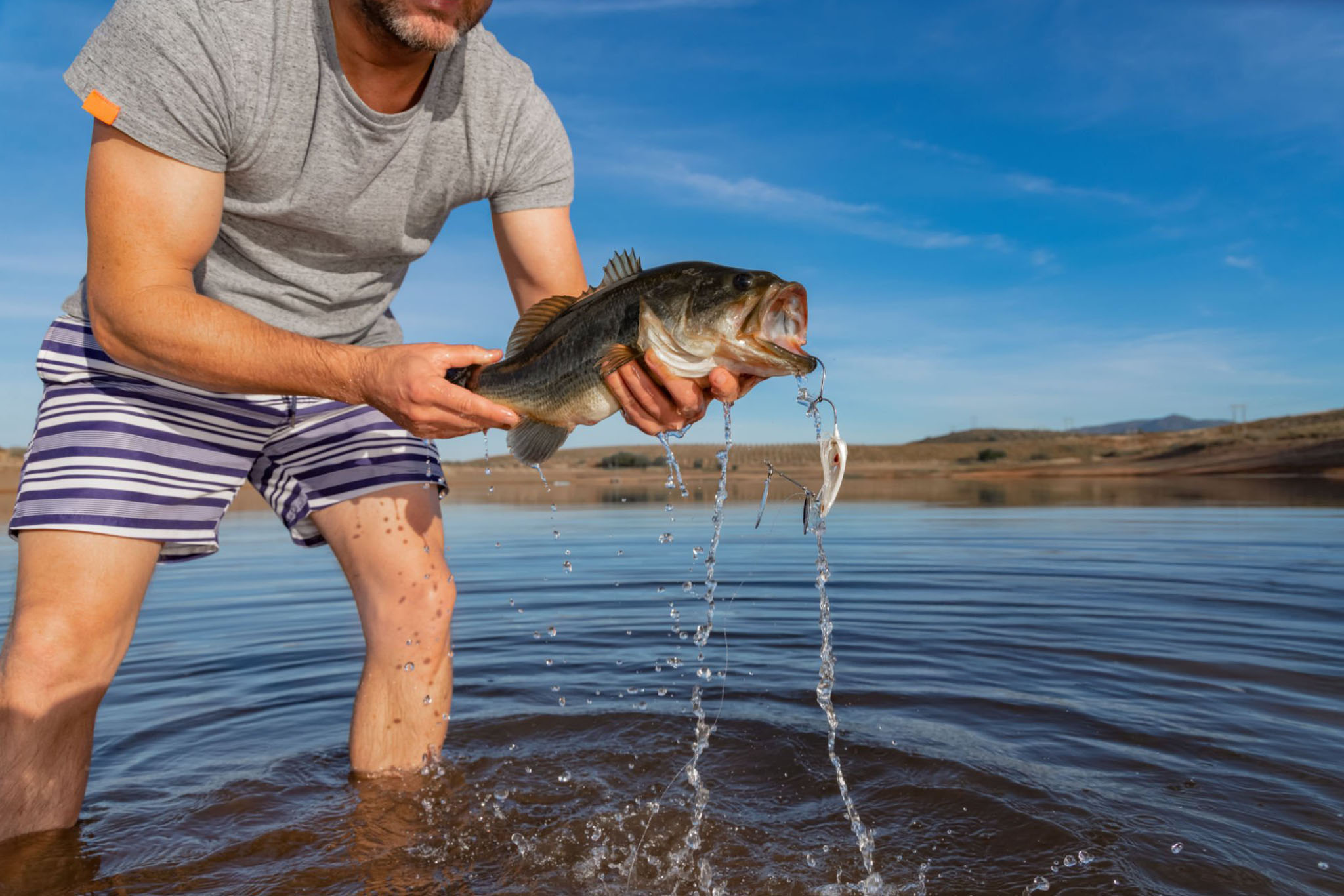
Smallmouth bass are highly valued sport fish, and fall often produces some of the year’s biggest catches. To protect the resource:
- Use barbless hooks or crimped barbs to reduce injury.
- Limit handling time in cool weather to avoid unnecessary stress.
- Practice catch-and-release for larger fish, ensuring healthy populations for years to come.
Final Thoughts
Fall smallmouth fishing isn’t about racing across the lake—it’s about precision, patience, and subtlety. By targeting rock ledges and employing slow drifts, you align your strategy with the natural movements of both forage and predators.
When you commit to this methodical approach, you’ll find that fall delivers not just quantity, but quality—fat, bronze-backed smallmouths eager to strike when your bait drifts naturally into their strike zone.
So grab your jig box, slow down your drift, and let the ledges reveal their secrets this season.