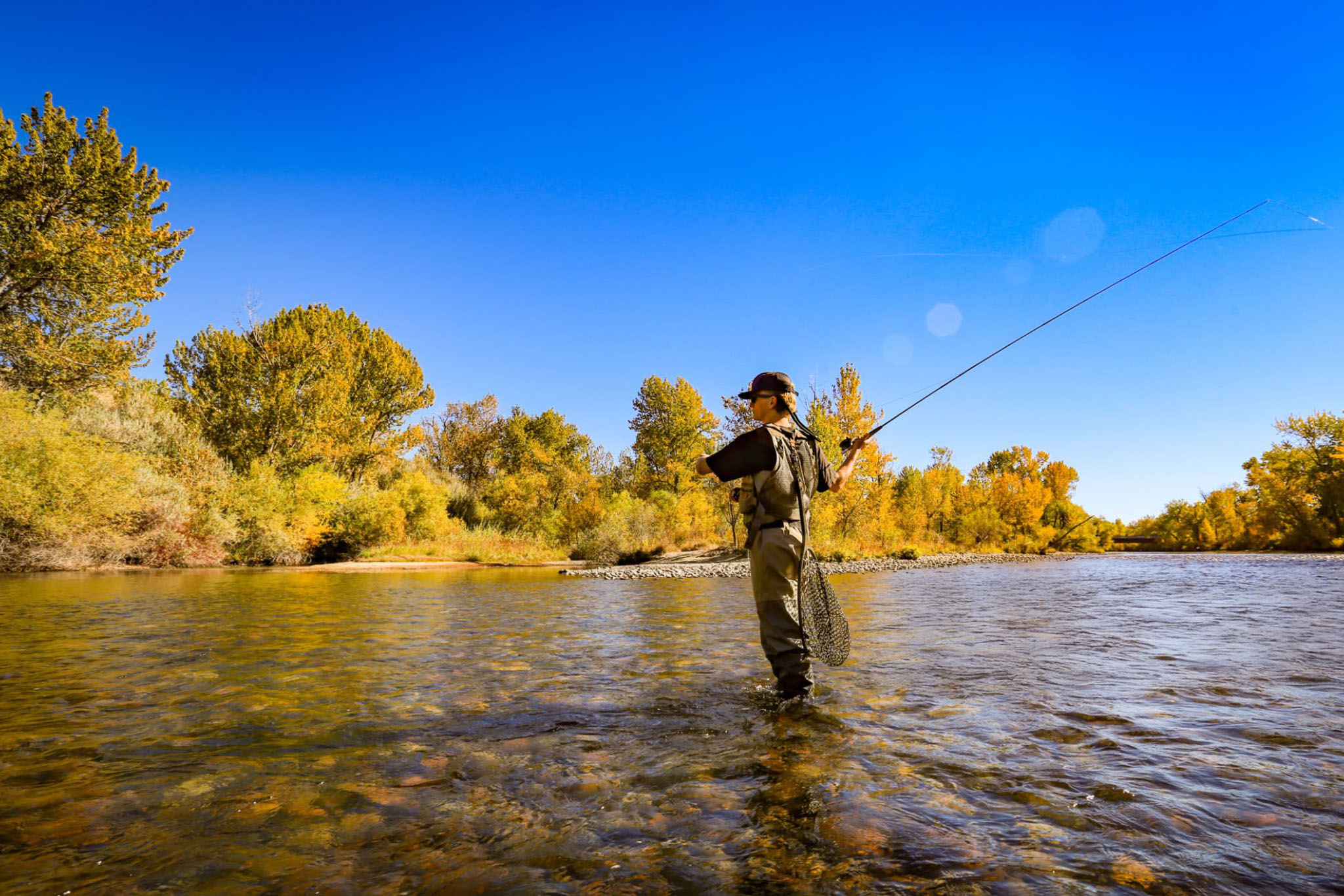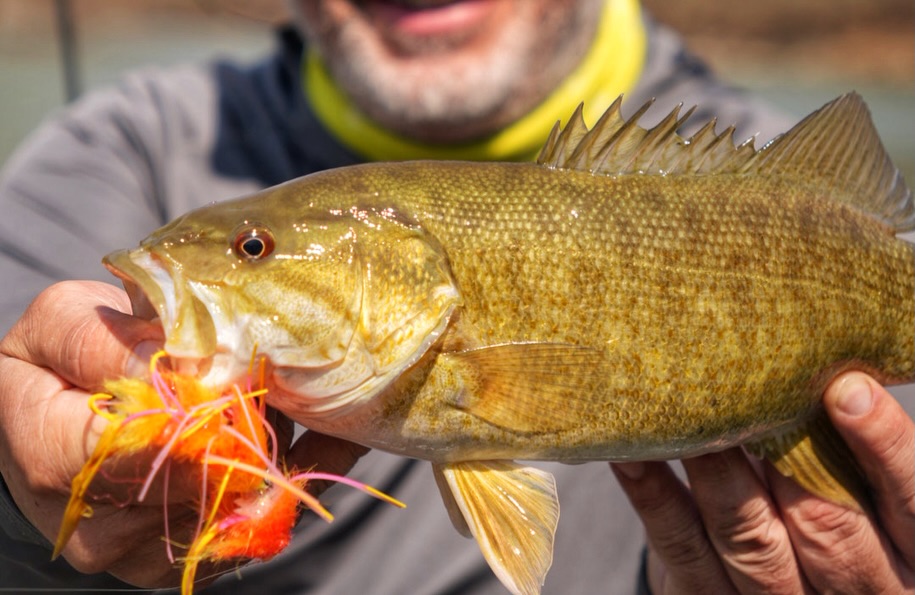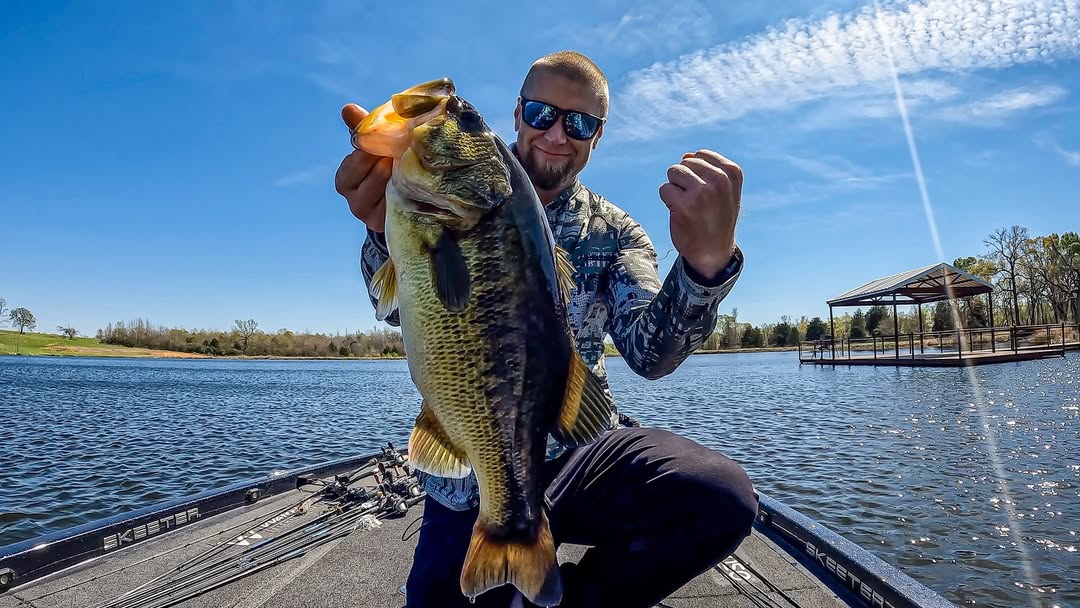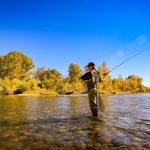
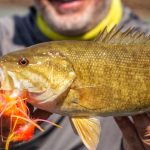
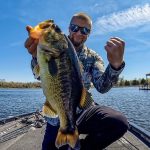
As summer heat fades and crisp mornings set in, bass behavior shifts dramatically. Fall is often called the “second spring” for anglers, when both largemouth and smallmouth feed heavily before winter. Cooling water sparks aggression, driving bass to hunt more actively and chase larger meals. For those who know how to read these seasonal cues, fall can be the most rewarding time to target trophy fish.
Why Bass Get Aggressive in Fall
The science is simple: bass sense the changing season and begin stocking up for leaner winter months. Several key triggers influence this aggressive feeding phase:
- Dropping Water Temperatures – As lakes cool into the 60s and 50s, bass metabolism stays high but energy reserves start dropping, pushing them to eat more.
- Baitfish Migration – Shad, shiners, and other forage species move into the backs of creeks and shallow bays in autumn. Bass follow closely.
- Shorter Days – Reduced daylight signals the transition, condensing feeding windows and making them more intense.
Together, these factors create a window of opportunity for anglers who adapt their approach.
Locating Fall Bass
One of the biggest mistakes anglers make is sticking to summer patterns. In fall, bass shift their haunts, often moving shallower and more aggressively following forage. Productive spots include:
- Creek Channels and Backs of Coves – Baitfish gather here, and schools of bass chase them relentlessly.
- Points and Secondary Points – These act as ambush spots where bass intercept migrating bait.
- Weed Edges and Flats – Dying vegetation funnels prey into predictable lanes, giving bass easy meals.
- Rock Transitions – Areas where sand meets gravel or rock provide cover and heat retention that attract both bait and predators.
Best Baits for Aggressive Fall Bass
Fall is a season where bass aren’t shy about hitting moving baits. Here’s what works:
- Crankbaits – Medium-diving crankbaits in shad or craw patterns excel along points and rocky shorelines.
- Spinnerbaits – A classic fall lure. White or chartreuse skirts with double willow blades mimic fleeing shad perfectly.
- Topwater – Buzzbaits, poppers, and walking baits shine on calm mornings or evenings when bass push bait to the surface.
- Swimbaits – Paddle-tail plastics rigged on jig heads mimic larger forage that bass target in fall.
- Jigs – When fish hold tighter to cover, football or flipping jigs tipped with craw trailers get results.
Tactics and Presentations That Trigger Strikes
Fall is about covering water and finding active schools. Key approaches include:
- Power Fishing – Don’t be afraid to fish quickly with crankbaits or spinnerbaits until you locate bass.
- Schooling Fish Chasing Shad – Watch for surface boils or birds diving. Cast into the frenzy with topwater or jerkbaits.
- Slow Rolling in Cold Snaps – After a sudden cold front, bass may slow down. Switch to a jig or finesse presentation near structure.
- Timing Is Key – Early morning and late afternoon feeding windows often outproduce midday, especially on sunny days.
Gear and Setup
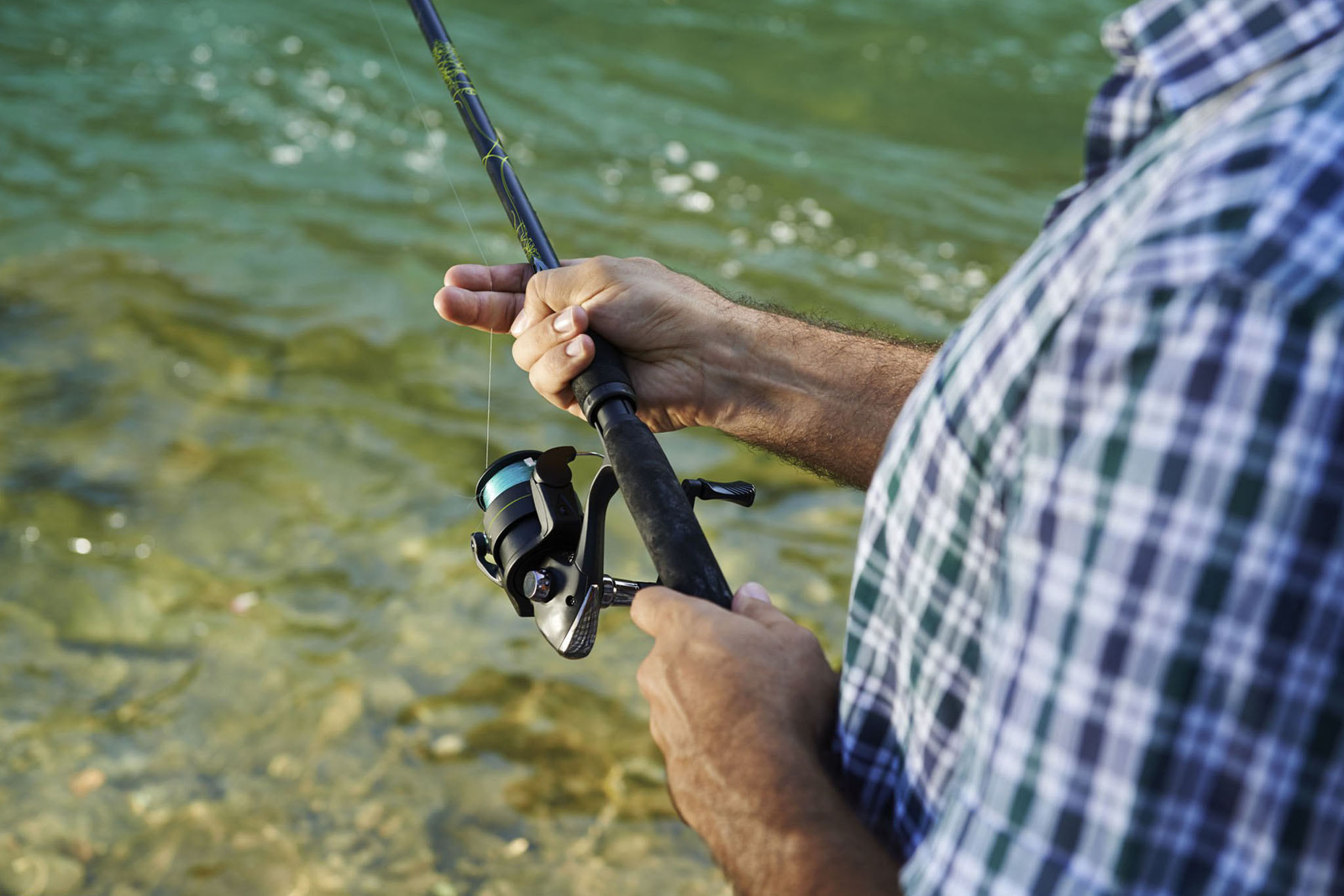
- Rods and Reels – Medium-heavy casting rods for power baits, spinning setups for finesse presentations.
- Line – 12–17 lb fluorocarbon for crankbaits and jigs; 30–50 lb braid for topwater and heavy cover.
- Electronics – Use sonar to locate bait balls. Where there’s forage, bass are never far behind.
Weather and Seasonal Influences
- Wind – Bass use wind-blown points as ambush spots. Fish the windy side, even if it’s less comfortable.
- Cloud Cover – Overcast days extend the bite, often keeping bass aggressive all day.
- Cold Fronts – These can push bass deeper or slow activity temporarily, but stable weather following a front reignites the bite.
Conservation and Responsible Harvest
Fall is prime time for trophy bass. Practice catch-and-release for larger fish to maintain healthy populations, and consider selective harvest of smaller bass if your fishery encourages it. Always handle fish with care, especially in cooler weather when stress can still be a factor.
Final Thoughts
Fall bass fishing is about mobility, observation, and aggression—just like the fish you’re chasing. By following baitfish migrations, focusing on wind-blown structure, and using baits that mimic forage, you can unlock some of the year’s most exciting action.
As cooling water sparks bass into overdrive, the window is short but sweet. Get out on the water this season, and you may just connect with the trophy bite you’ve been waiting for all year.