As summer fades into fall, anglers across the Midwest and Northern states know that walleye fishing begins to change dramatically. Shorter days and cooling water temperatures trigger shifts in walleye behavior, particularly in the evenings when feeding activity spikes. For those looking to connect with big eyes before winter sets in, understanding how to adapt your tactics to the season is key.
Why Walleyes Feed Heavily in the Evenings
Walleyes are naturally low-light predators, equipped with exceptional vision that gives them the edge when daylight dims. During late summer and into autumn, two key environmental factors align in their favor:
- Declining Day Length – Shorter daylight hours push walleyes into extended feeding windows at dusk.
- Cooling Water Temperatures – Dropping temps drive baitfish toward shallower zones, concentrating walleye forage near shorelines, weedlines, and rocky points.
Together, these conditions create prime evening action. Anglers who time their outings around sunset often find fast-paced bites and heavier fish compared to midday trips.
Locating Walleyes as the Season Shifts
Finding fall walleyes requires attention to seasonal structure changes. Here’s where to start:
- Weed Edges – As aquatic vegetation begins to die back, minnows and perch hold to remaining green patches. Walleyes use these as ambush points in low light.
- Rocky Points and Riprap – Cooling water drives baitfish along rocky shorelines, attracting walleyes that patrol these areas in the evenings.
- River Mouths and Current Breaks – Where creeks or rivers flow into lakes, currents concentrate baitfish. In fall, walleyes often stage in these funnels during dusk.
- Shallow Flats at Dark – Don’t overlook knee-deep water. Some of the best action comes from surprisingly shallow flats once the sun sets.
Baits and Presentations That Shine in Fall Evenings
Walleyes become more aggressive in cooler weather, but finesse often wins as the light fades. Proven techniques include:
- Jigs and Live Bait – A classic combination. Tip a 1/8 to 1/4 oz jig with a fathead minnow or nightcrawler. Work it slowly near the bottom.
- Slip Bobbers – Deadly in evenings when fish rise to feed near weeds. A leech or minnow suspended just above the vegetation is hard to beat.
- Crankbaits – As walleyes roam shallower water, trolling or casting slender cranks like Shad Raps along drop-offs can trigger reaction strikes.
- Soft Plastics – Paddle tails and finesse worms fished on light jig heads mimic baitfish silhouettes perfectly in low light.
Timing and Conditions to Watch
Evening bites are about more than just showing up at sunset. Successful anglers monitor these key conditions:
- Cloud Cover – Overcast days extend the bite window, sometimes starting well before sundown.
- Wind Direction – A steady breeze pushing bait toward wind-blown points or shorelines stacks fish in predictable locations.
- Moon Phase – Walleyes often feed more aggressively during full or new moons, especially when combined with twilight.
- First Cold Fronts – Sudden drops in temperature can temporarily slow activity, but walleyes rebound quickly with powerful feeding bursts.
Gear Tips for Evening Walleye Success
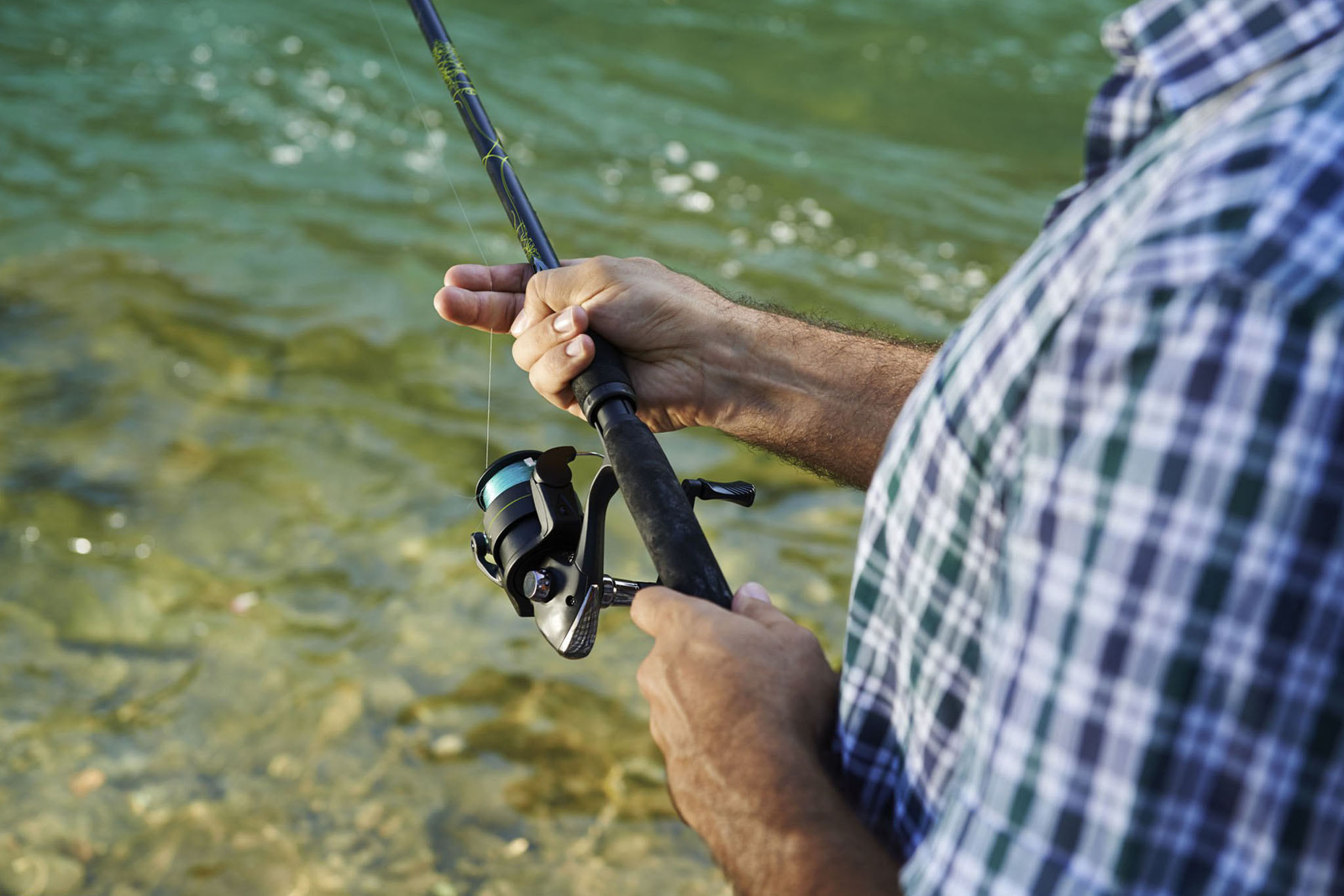
- Rods – Medium-light spinning rods with a sensitive tip are ideal for detecting subtle bites.
- Line – Use braided line (6–10 lb) with a fluorocarbon leader for invisibility in clear water.
- Lighting – A headlamp is essential for retying knots and safely handling fish in the dark.
- Boat Positioning – Spot-lock trolling motors or anchors help you stay tight on productive evening spots.
Conservation and Ethical Harvest
While fall fishing often produces larger walleyes, it’s important to practice selective harvest. Consider releasing big breeding females to sustain local populations, and keep smaller “eaters” (15–18 inches) for the table. Respecting slot limits and practicing proper catch-and-release ensures walleye fisheries thrive season after season.
Final Thoughts
Evenings in fall represent one of the finest times to chase walleyes. As days grow shorter, these fish respond with heightened feeding behavior that rewards anglers who adapt to changing conditions. By targeting weed edges, rocky points, and current breaks with the right presentations, you can experience some of the most exciting bites of the year.
So, grab your jig box, keep an eye on the sunset, and get ready to hook into walleyes when the light begins to fade—because fall evenings aren’t just shorter, they’re sweeter for every angler chasing the gold-eyed predator.