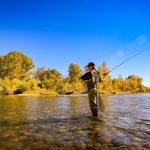
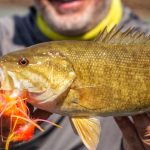

For anglers across the northern states and the Great Lakes region, fall means one thing—steelhead. As the days shorten and water temperatures begin their steady decline, rivers transform into highways for these chrome-bright fish. The “steelhead surge” isn’t just a season of opportunity; it’s a window when tactics must be refined, timing must be precise, and adaptability becomes the difference between success and missed chances.
If you’re looking to maximize your time on the water this fall, understanding how cooling water influences steelhead behavior is the first step. Here’s how to read the rivers, adjust your approach, and consistently connect with one of the hardest-fighting fish in freshwater.
Why Water Temperature Matters for Steelhead
Steelhead are highly responsive to water temperature. As rivers cool into the 40s and low 50s °F, their metabolism slows, altering both feeding behavior and movement patterns.
- Early Fall (55–60°F): Fish are aggressive and cover water quickly. They’ll chase spoons, spinners, and swung flies readily.
- Mid-Fall (45–55°F): Movement stabilizes. Steelhead stage in deeper pools but still respond well to drifting eggs, beads, or soft plastics.
- Late Fall (below 45°F): Fish conserve energy. Presentations need to be slower, closer to the bottom, and more deliberate.
By tracking river temps daily, you can anticipate shifts in fish positioning and feeding windows.
Reading the River: Where Steelhead Hold as Temperatures Drop
Cooler water concentrates steelhead into specific parts of the river. Knowing these spots is half the battle.
- Deep Pools and Tailouts: As temps dip, steelhead prefer slower currents where they can rest with minimal energy use.
- Current Seams: Look for transition zones where fast water meets slow—steelhead often sit here waiting for food.
- Undercut Banks & Logjams: Natural cover provides shade and protection, making these prime ambush points.
- Tributary Mouths: During temperature shifts, fish may pause at confluences before moving upstream.
Spend time scouting in lower light conditions, when fish often reveal themselves through subtle rolls or surface disturbances.
Proven Techniques for Fall Steelhead
Tactics must evolve with water conditions. Here’s what works best as fall progresses:
1. Drift Fishing with Eggs and Beads
Nothing imitates natural forage better than egg patterns during spawning runs. Drift them under a float or with light split shot to maintain a natural presentation.
2. Swinging Flies and Streamers
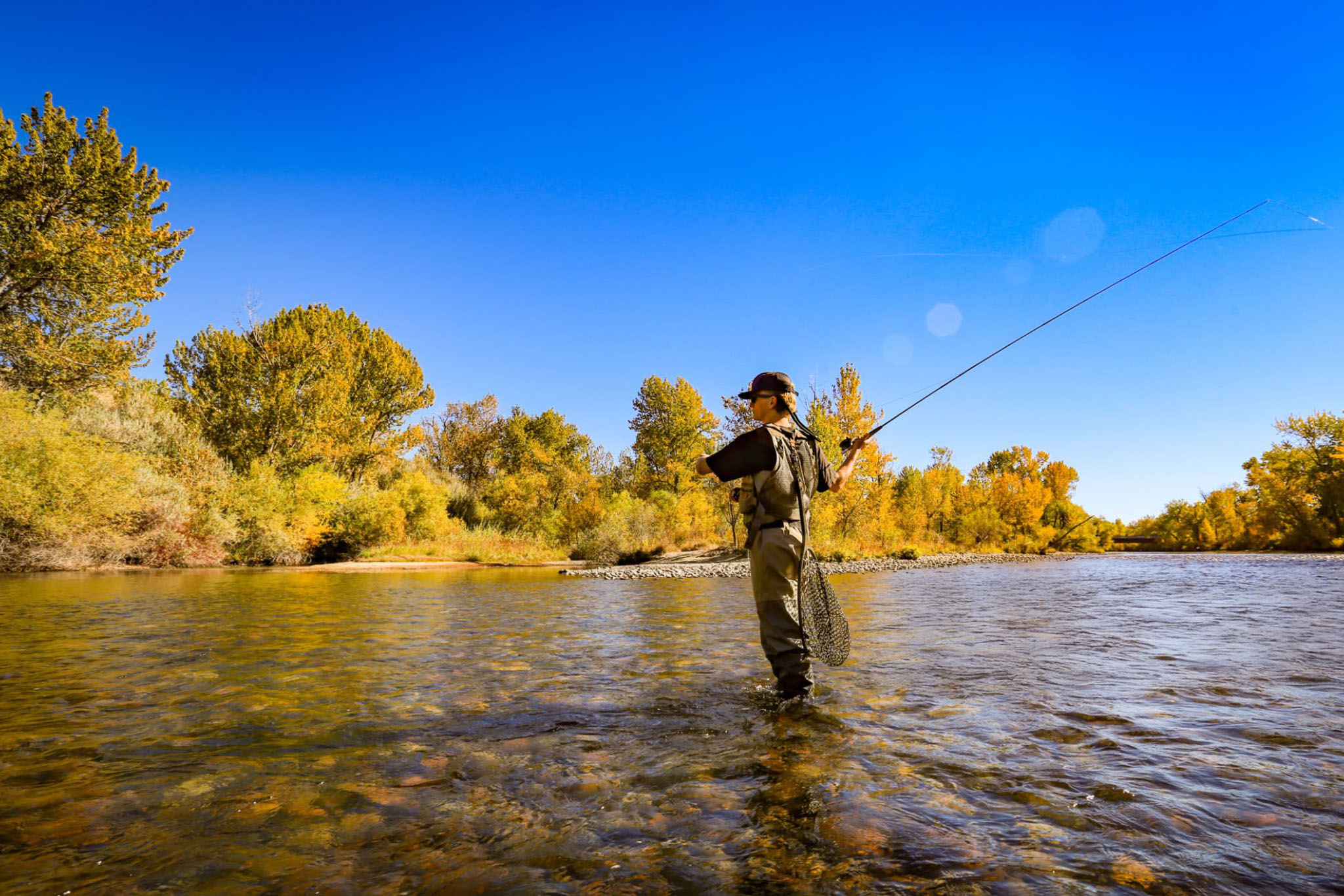
In early fall, when steelhead are aggressive, a swung intruder or leech pattern can trigger heart-stopping grabs. As temps cool, switch to smaller patterns and slow the swing.
3. Hardware for Active Fish
Spoons and spinners excel in slightly warmer water. Cast across current and retrieve at varying speeds to find what triggers strikes.
4. Float Fishing in Cold Water
When fish turn sluggish, float fishing with jigs, waxworms, or beads keeps your bait in the strike zone longer, right at eye level.
Timing Your Trips for Peak Action
Steelhead often feed in short bursts, especially as the water cools. The most productive times are:
- First Light: Steelhead are most active in low-light periods, often biting aggressively before sunrise.
- Midday Warmth: On colder days, a slight bump in temperature around noon can spark feeding activity.
- Before Storm Fronts: Dropping barometric pressure often triggers fish to move and feed heavily.
Plan shorter but strategic sessions rather than grinding through slow hours.
Gear Considerations for Cooler Water
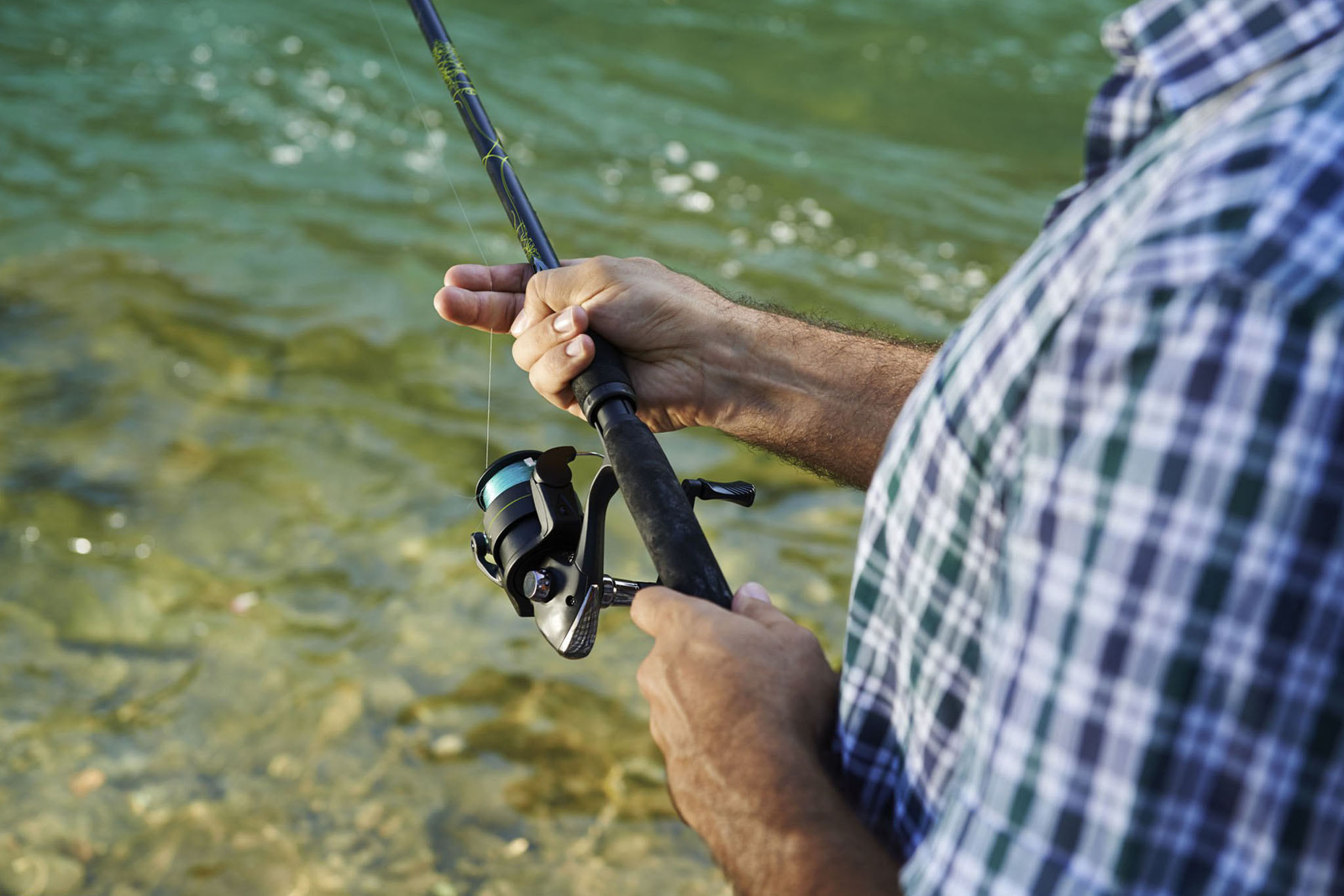
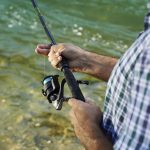
- Rods & Reels: A medium-light to medium power rod with smooth drag is ideal for handling long runs.
- Line Choice: Braided mainline with fluorocarbon leaders offers both strength and stealth.
- Waders & Clothing: Cold water demands reliable waders and layered insulation to keep you comfortable and focused.
Conservation and Respect for the Run
Steelhead are treasured game fish, and responsible angling ensures future runs remain strong. Practice selective harvest, handle fish with care, and always follow local regulations regarding season dates and limits.
Final Thoughts: Riding the Steelhead Surge
There’s nothing quite like the surge of a fall steelhead—bright, powerful, and built for battle. As water temps drop, the game changes, but with the right strategies, you can meet these fish on their terms. By reading the river, refining your tactics, and timing your outings, you’ll unlock some of the best action the season has to offer.
When your float dips or your line goes tight and a silver torpedo cartwheels across the river, you’ll know you’ve mastered the fall steelhead surge.