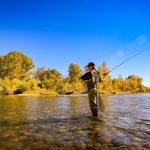
For anglers across North America, few events are as iconic as the fall salmon run. From the Pacific Northwest to the Great Lakes, rivers come alive with the flash of migrating fish as they push upstream to spawn. For those who live and breathe fishing, timing a trip around the peak of these runs can mean the difference between an average day and the kind of action that fills a lifetime of memories.
But hitting it just right requires more than luck. Water temperatures, river flows, and local conditions all play a role in dictating when salmon make their move. Here’s how to plan your outings to capitalize on peak action during salmon runs.
Understanding the Salmon Run Cycle
Salmon spend most of their lives in the ocean or large lakes, returning to freshwater rivers and streams when it’s time to spawn. The exact timing of these runs depends on species, geography, and environmental triggers.
- Chinook (King) Salmon: Known for their size and strength, Chinook often begin migrating as early as late summer, with peak runs from September through October.
- Coho Salmon: Coho typically run a bit later, peaking in October and November, depending on the river system.
- Sockeye & Pink Salmon: In regions like Alaska and British Columbia, sockeye and pink salmon runs can dominate midsummer into early fall.
- Great Lakes Salmon: Introduced Chinook and Coho in the Great Lakes generally peak in September, with tributaries filling up as fish stage for the spawn.
Understanding which species you’re targeting and the timing in your region is the first step toward planning a successful trip.
Key Environmental Triggers to Watch
Salmon don’t just swim upstream on a calendar date—they wait for the right conditions. Anglers who pay attention to environmental cues have the best chance of hitting peak action.
- Water Temperature: Runs often kick into gear when river temps drop into the low- to mid-50s °F.
- River Flow: Fresh rainfall or dam releases can create surges in river flow that spark salmon to move upstream.
- Daylight & Season: Shortening daylight hours act as a biological signal for salmon to begin their migration.
By keeping an eye on weather forecasts and river reports, you can anticipate when fish will be most active.
Prime Locations for Salmon Runs
Different regions offer unique opportunities for salmon anglers, and each has its own peak run timing.
- Pacific Northwest (WA, OR, AK): Legendary for massive Chinook and Coho runs in rivers like the Columbia, Kenai, and Skeena.
- Great Lakes Tributaries (MI, WI, NY, OH): Accessible runs of Chinook and Coho in rivers such as the Pere Marquette, Salmon River (NY), and St. Joseph.
- British Columbia & Alaska: World-class sockeye and pink salmon runs that can number in the millions.
Whether you’re fishing with a fly rod, casting spinners, or drifting bait, knowing the local hotspots is key to maximizing your time on the water.
Techniques for Peak Run Success
When the rivers fill with salmon, it’s not just about showing up—you’ll want the right tactics to consistently connect with fish.
- Drift Fishing: A staple technique in tributaries, drifting egg patterns or beads under a float mimics natural food sources.
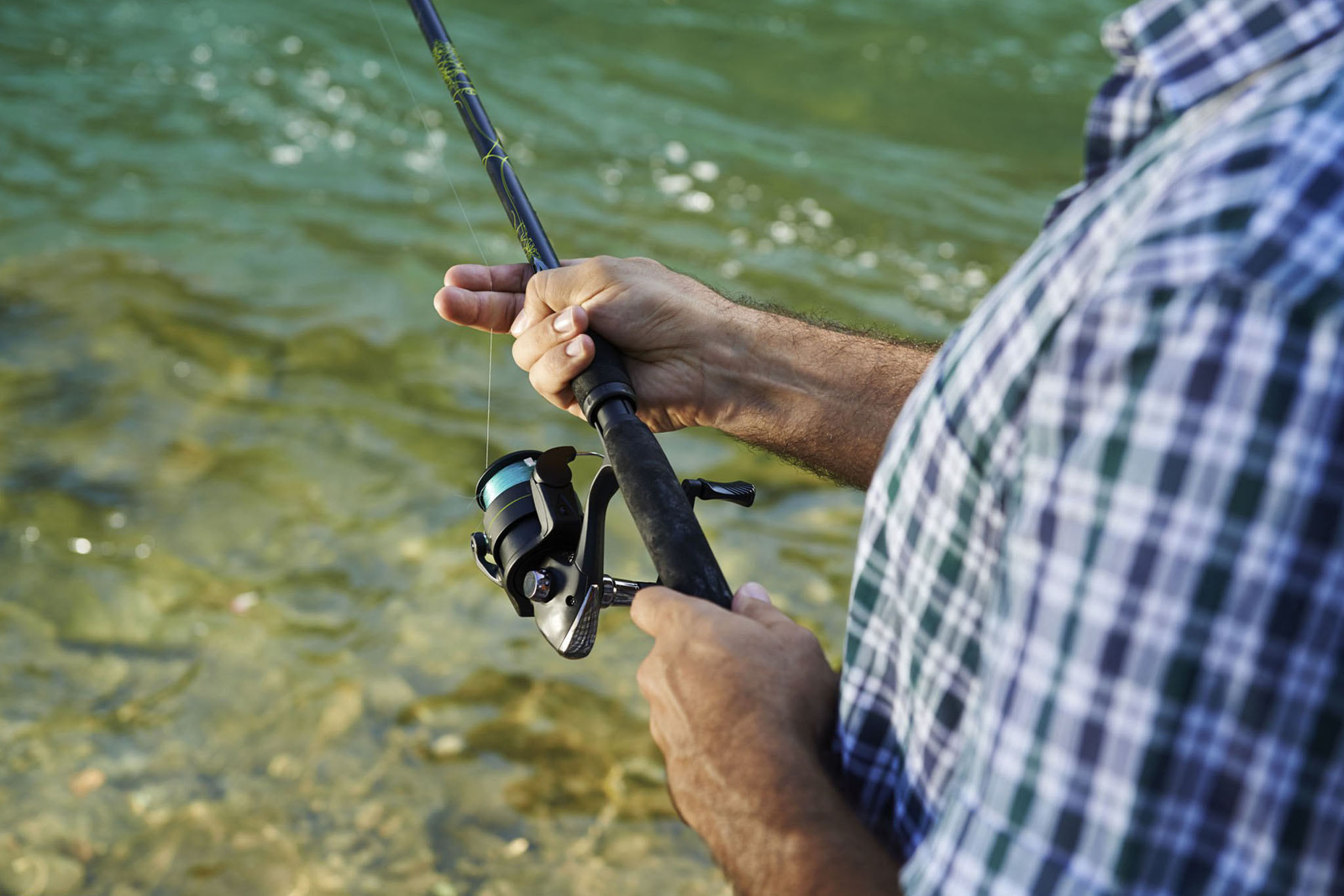
- Casting Hardware: Spoons, spinners, and plugs remain proven producers for aggressive salmon.
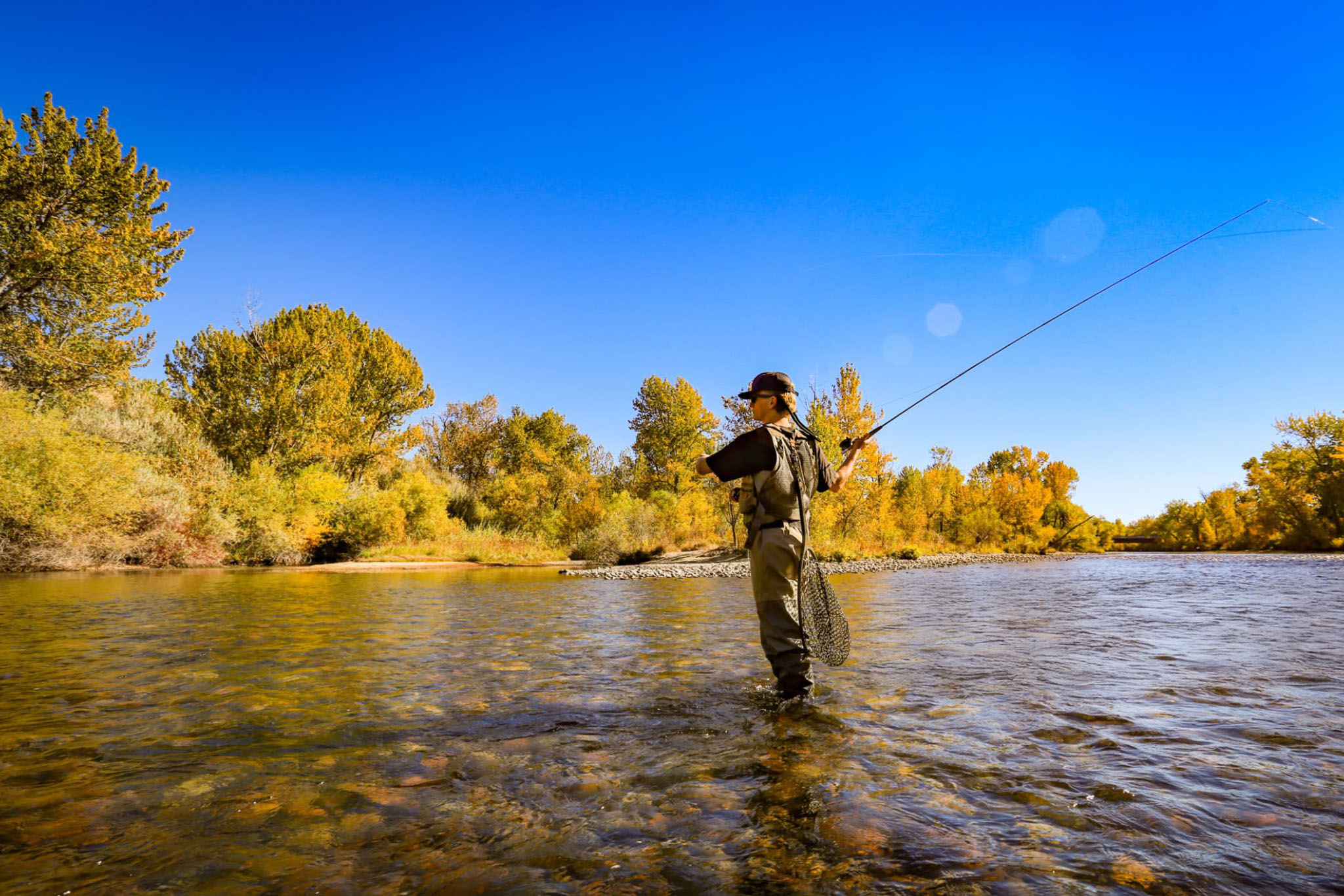
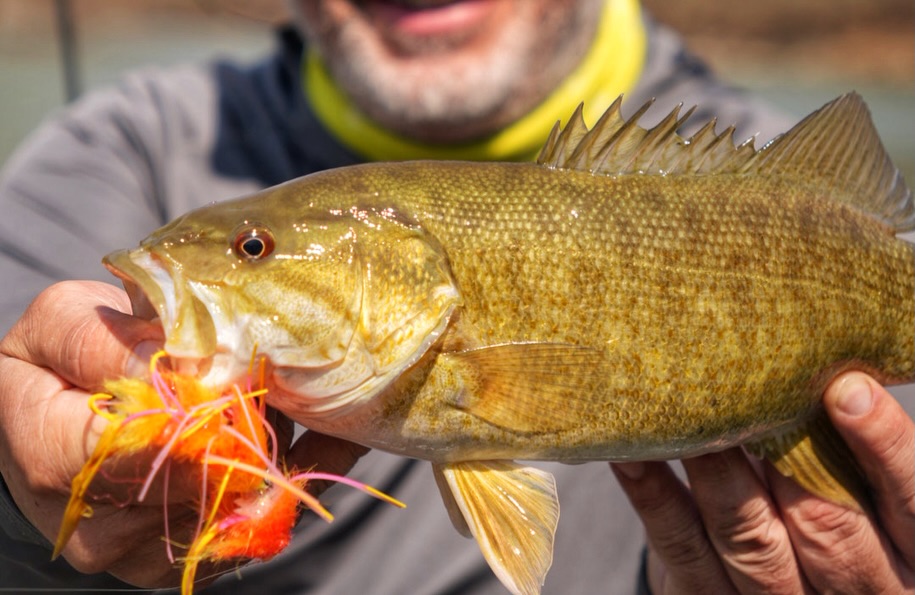
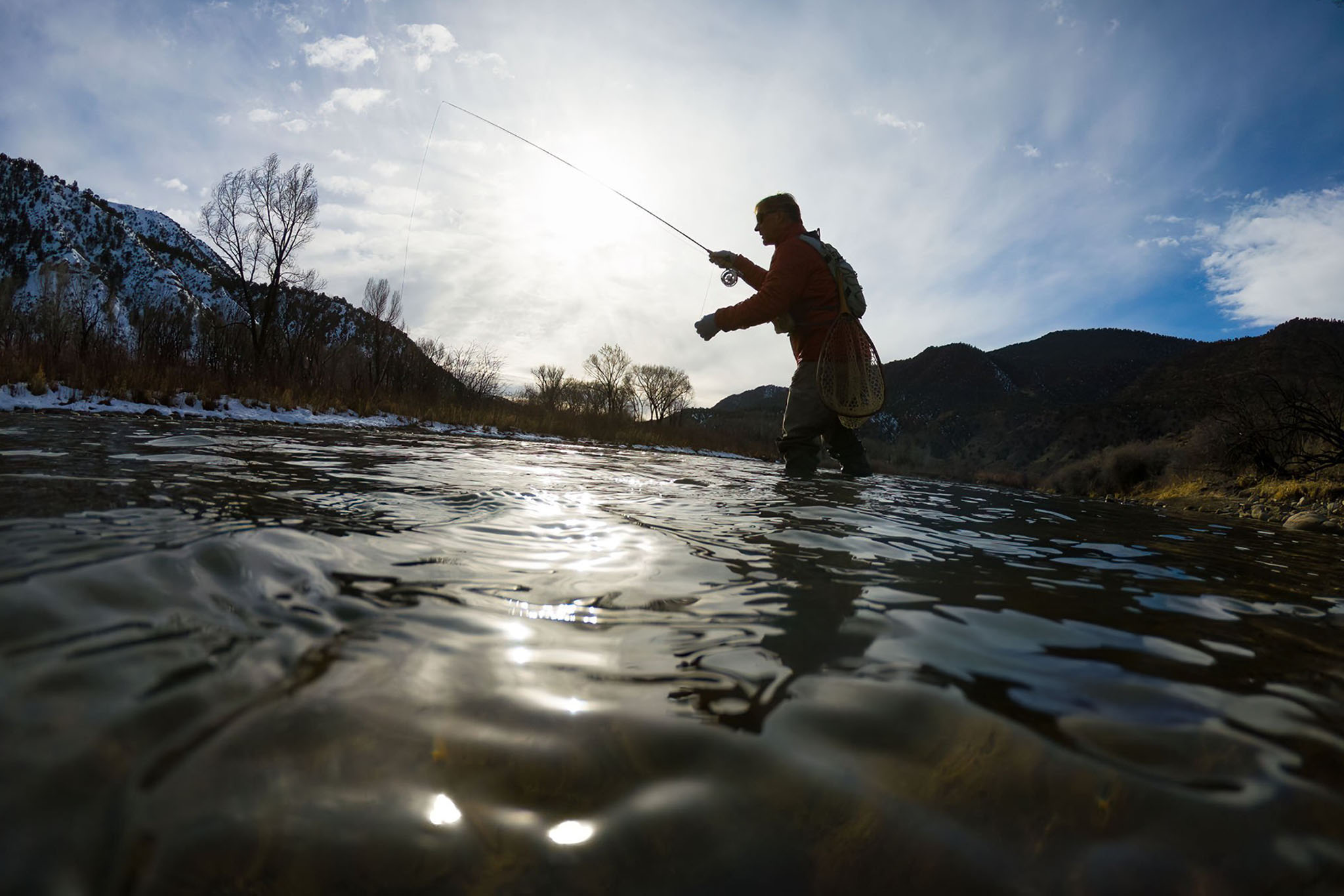
- Fly Fishing: Egg flies, streamers, and intruder-style patterns can trigger strikes in both clear and stained water.
- Timing the Day: Early morning and late evening are often the most productive windows, especially during heavy fishing pressure.
Conservation and Ethical Angling
While the excitement of salmon runs can be intense, it’s important to fish responsibly. Many rivers have regulations regarding catch limits, gear restrictions, and closed spawning areas. Always check local regulations and consider practicing catch-and-release when appropriate to ensure future runs remain strong.
Final Thoughts: Chasing the Peak
Salmon runs are more than just a fishing event—they’re a seasonal ritual, a chance to connect with nature’s cycles in some of the most beautiful waters on earth. By studying species-specific timing, monitoring environmental triggers, and preparing the right tactics, you can align your trip with the peak of the run.
When the river turns silver with moving fish and your rod doubles under the weight of a hard-charging salmon, you’ll know you timed it right.