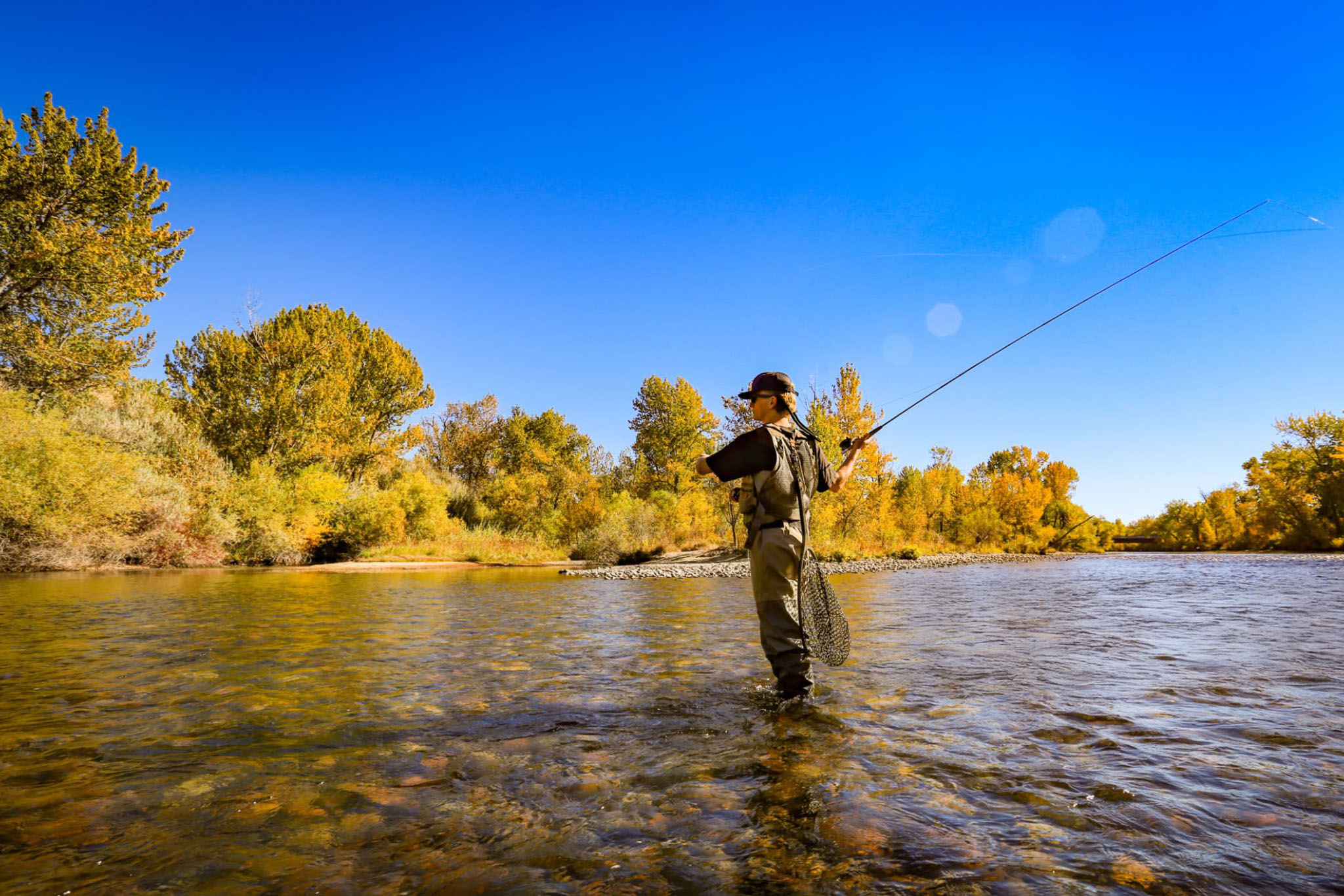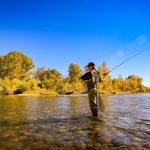
As the heat of summer gives way to crisp mornings and fiery foliage, trout fishing takes on a whole new rhythm. Autumn is one of the most rewarding times of year for anglers, but it also demands a shift in tactics. Cooling water temperatures, shifting insect hatches, and the trout’s instinct to bulk up before winter mean that success hinges on adapting to the season. Here’s how to fine-tune your approach when chasing trout in fall streams.
Reading the Water in Cooler Conditions
As water temperatures drop into the mid-50s and low-60s, trout behavior changes. Unlike summer, when fish often retreat to deep, shaded pools to escape the heat, autumn trout spread out more. Cooling currents increase oxygen levels, making runs, riffles, and even shallower glides productive.
Focus on:
- Tailouts and Riffles: With more oxygen and steady insect activity, these spots become trout magnets in fall.
- Transitional Zones: Areas where deep pools taper into faster water are ideal ambush points.
- Banks with Overhead Cover: Fallen leaves and overhanging brush create shade and camouflage, especially for wary browns.
Seasonal Diet Shifts: What Trout Are Eating
Fall is a season of abundance, but also one of change. Trout key in on different food sources as insect life wanes.
- Terrestrials: Grasshoppers, ants, and beetles linger into early fall, especially on sunny afternoons.
- Blue-Winged Olives (BWOs): These small mayflies hatch steadily in cooler, overcast conditions, offering dependable dry-fly action.
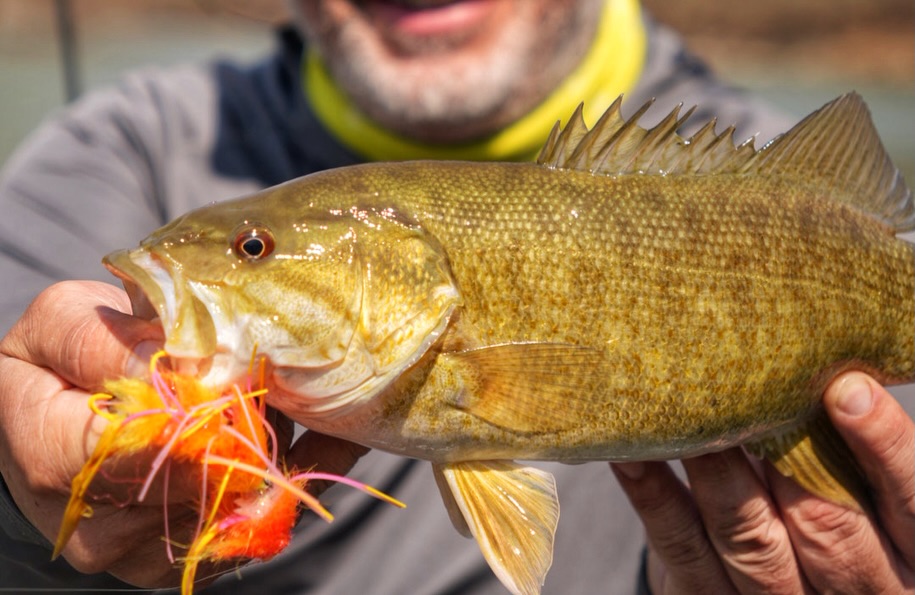
- Streamers: With browns preparing for the spawn, larger patterns like woolly buggers and sculpin imitations provoke aggressive strikes.
- Egg Patterns: In streams with early-spawning fish, eggs become a prime food source for opportunistic rainbows and cutthroats.
Gear Adjustments for Fall Conditions
Autumn fishing often calls for subtle changes in gear to maximize success.
- Rod & Line: A 4- or 5-weight rod paired with a floating line handles dries, nymphs, and small streamers with versatility.
- Leader & Tippet: Use longer leaders (9–12 feet) and lighter tippet (5x–6x) when fishing low, clear fall water. Switch to heavier tippet when stripping streamers.
- Clothing: Mornings may start frosty, but afternoons warm up. Layer smartly, and bring waterproof gear to handle sudden autumn showers.
Tactics for Autumn Success
The most successful anglers embrace the seasonal subtleties.
- Match the Hatch, but Stay Flexible: Start with small BWO dries during cloudy stretches, then switch to terrestrials if the sun breaks through.
- Work Streamers Aggressively: Browns respond to movement this time of year. Vary your retrieve until you dial in the bite.
- Cover Water Efficiently: Don’t camp out in one pool. Fall trout are active, so keep moving until you find them.
- Mind Your Stealth: Low flows and clear water make trout skittish. Approach slowly, wear muted colors, and use natural cover when possible.
The Rewards of Fall Trout Fishing
Beyond the fishing itself, autumn streams offer an unmatched backdrop: golden cottonwoods, crisp mountain air, and fewer crowds than summer. Trout are feeding with urgency, making it one of the most productive—and enjoyable—times of year to be on the water.
Whether you’re chasing wild browns with streamers or matching a late-season BWO hatch, adapting to the cooling currents will reward you with memorable days on the stream.