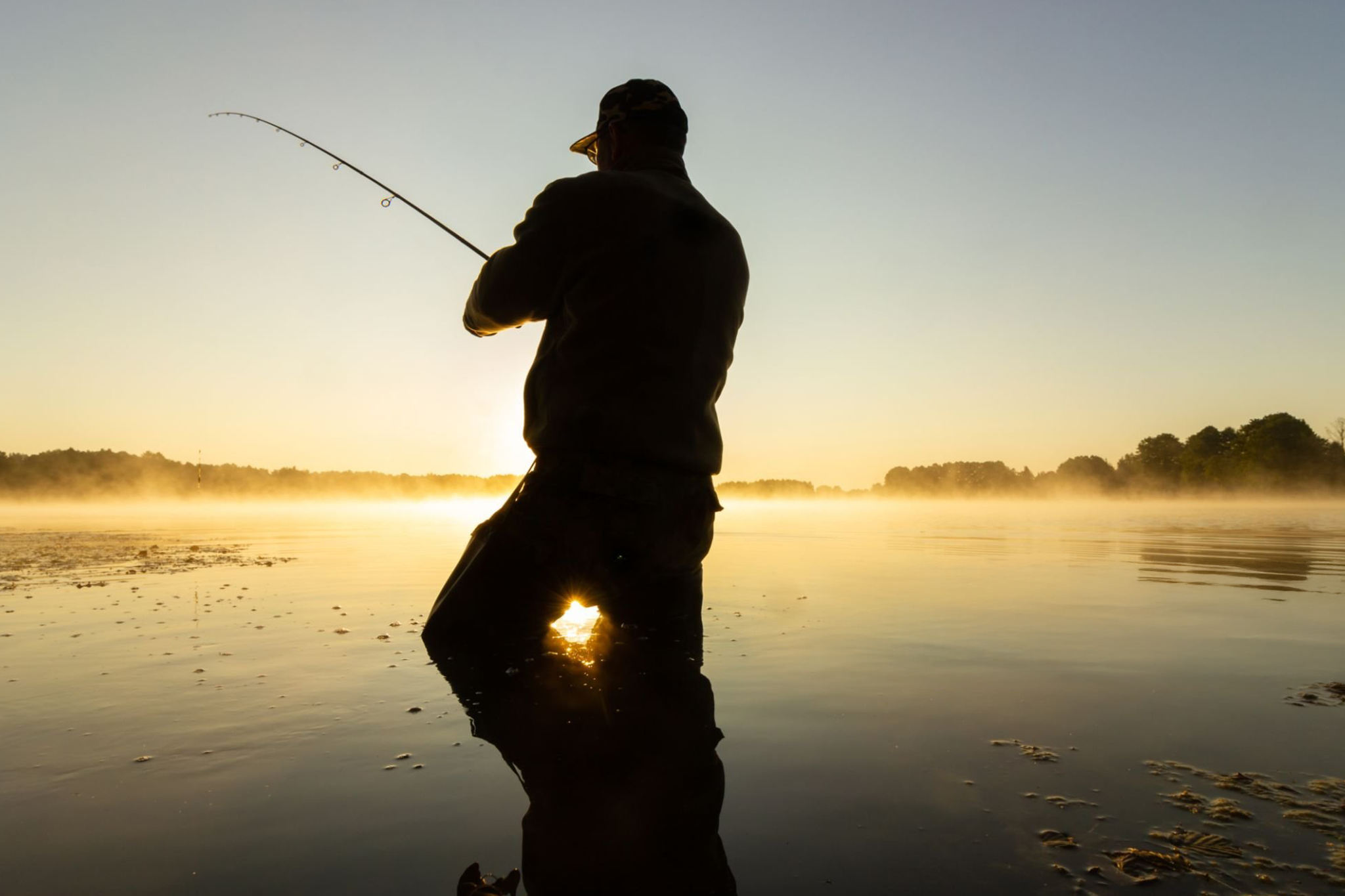
Fall fishing carries a unique magic. The air turns crisp, fog rises off the water, and as the sun breaks the horizon, anglers often find themselves in the middle of explosive feeding activity. While fall is a productive season overall, there’s something special about the first light bite. Fish that may seem sluggish later in the day often feed with urgency at dawn, making early mornings a must for serious anglers.
Why First Light Matters in Fall
As water temperatures cool, fish behavior shifts dramatically. Understanding why the morning bite is so reliable gives you an edge over other anglers.
- Temperature Advantage: Overnight cooling lowers water temps, concentrating fish in areas that will warm quickly with the first rays of sun.
- Forage Movement: Baitfish, insects, and crustaceans are most active at dawn, drawing in hungry predators.
- Predator Advantage: Dim light provides ambush cover, giving bass, walleye, trout, and other game fish a window to hunt aggressively.
- Reduced Pressure: Many anglers hit the water later in the day. Fishing at first light often means less competition and more undisturbed fish.
Species That Shine at Dawn in Fall
Bass
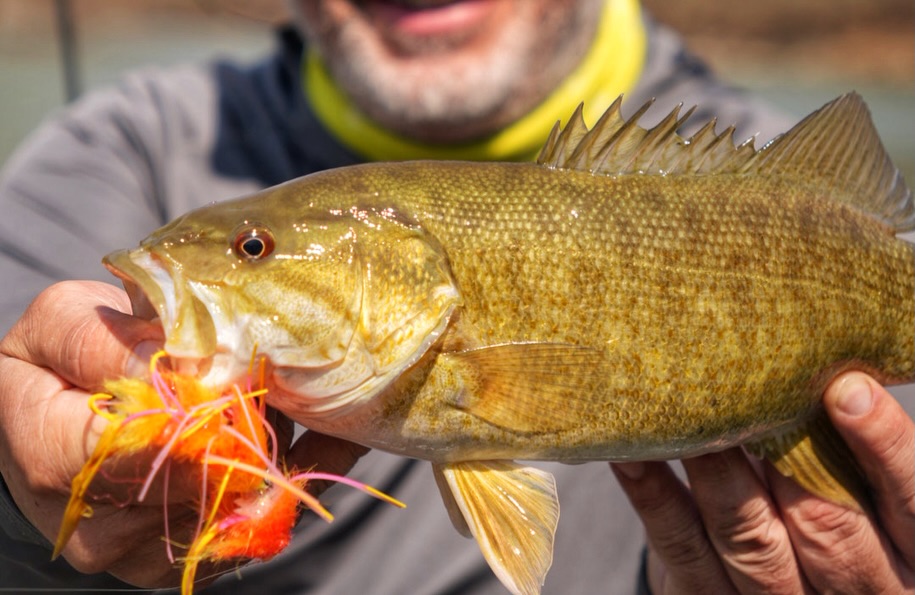
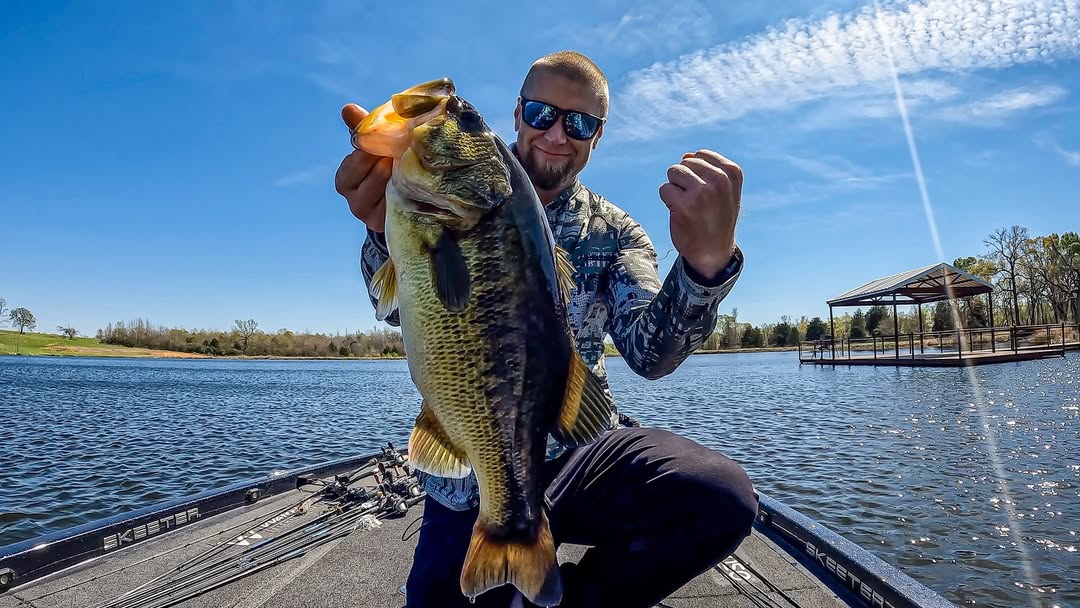
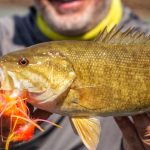
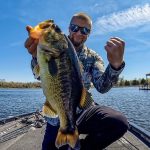
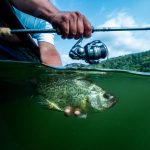
Largemouth and smallmouth bass both use low-light conditions to corner baitfish. Topwater lures, buzzbaits, and walking baits can draw explosive strikes along weedlines and shallow flats.
Walleye
Known for their low-light feeding habits, walleye often patrol sandbars, rocky points, and river channels at dawn. Crankbaits and live minnows excel during these hours.
Trout
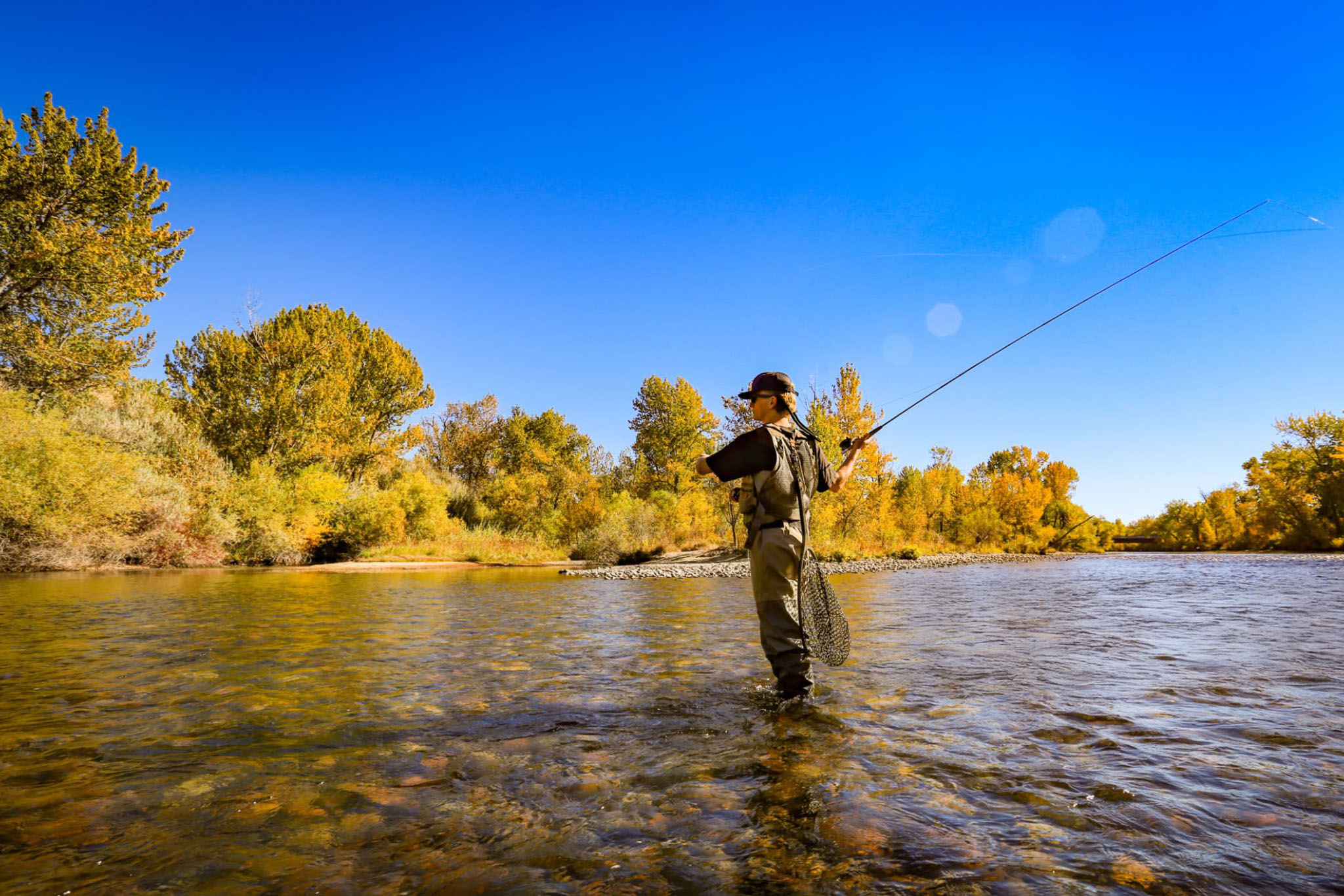
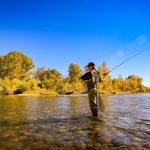
Whether in rivers or lakes, trout feed heavily on insects and baitfish in the early morning. Fly anglers can match hatches, while spin anglers should try spinners or small crankbaits.
Pike and Musky
These apex predators love the cover of dawn to ambush prey. Casting large jerkbaits or spinnerbaits near weed edges can produce trophy-class fish.
Best Fall Dawn Tactics
Work the Shallows First
As the sun begins to rise, fish move into shallower feeding zones before retreating to deeper water later in the day. Focus on flats, weed edges, and shoreline structure.
Use Topwater Early
Calm, cool mornings are perfect for surface action. Frogs, poppers, and buzzbaits imitate vulnerable baitfish that predators can’t resist.
Switch as the Sun Rises
Once the light strengthens, fish often move deeper. Transition to crankbaits, jigs, or drop-shot rigs to stay on the bite.
Pay Attention to Fog and Clouds
A foggy or overcast morning extends the feeding window, keeping fish active well past sunrise. Take advantage by working both shallow and mid-depth patterns longer than usual.
Gear Tips for Crisp Fall Mornings
- Layered Clothing: Temperatures can swing dramatically from dawn to midday. Dress in layers to stay warm without overheating.
- Polarized Sunglasses: As the sun rises, glare increases. Good lenses help spot structure and baitfish.
- Quiet Approach: Sound travels easily in still morning air and water. Move slowly and keep noise to a minimum.
- Headlamp and Safety Gear: If launching before first light, ensure you have proper navigation and safety equipment.
Timing Your Trip
The key to maximizing the first-light bite is planning around conditions:
- Clear Skies: Expect a shorter window; fish will slide deeper as the sun rises.
- Overcast Mornings: Extended feeding, often lasting hours.
- Cold Fronts: Fish may be sluggish, but dawn still offers the best shot at active feeders.
Final Thoughts
Fishing at first light in the fall isn’t just about beating the crowds—it’s about capitalizing on a natural feeding window when fish are most aggressive. From bass hammering topwaters on misty flats to walleye prowling rocky points, dawn delivers some of the most memorable action of the season.
So set your alarm early, pack an extra thermos of coffee, and be on the water when the horizon glows. Because when crisp mornings meet active fish, first light truly is the key to unlocking fall’s best fishing.