
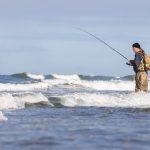

As autumn deepens and water temperatures start to drop, bass behavior shifts dramatically. For anglers aiming to stay ahead of the curve, understanding how feeding patterns change in the fall is crucial. Cooler water triggers bass to move into more predictable feeding zones, providing excellent opportunities for consistent catches before the winter slowdown.
Understanding Fall Bass Behavior
During early fall, bass are still finishing up their post-spawn recovery but are actively feeding to bulk up for the winter. As water temperatures drop into the mid-60s, their metabolism slows slightly, but they become more strategic in where they hunt. Bass begin moving from shallow spawning areas into mid-depth and deeper feeding zones, often congregating near structure, points, and drop-offs where prey is abundant.
Identifying Prime Feeding Zones
- Points and Ledges: Bass often patrol the edges of points where shallower water meets deeper basins. These areas are rich with baitfish, offering an ideal feeding corridor. Focus on points that receive morning sun, as bass may linger in these warmer zones before moving deeper.
- Rocky Bottoms and Ledges: As the water cools, bass seek ambush points where they can conserve energy while waiting for prey. Rock piles, ledges, and submerged humps are perfect hunting grounds. Cast parallel to these structures to increase your chances of triggering strikes.
- Shoreline Transition Zones: Look for areas where shallow flats transition into deeper water. These “drop zones” act as natural highways for baitfish, and bass use them as ambush points. Focus on coves, creek mouths, or inflow areas that funnel prey into concentrated paths.
Best Lures and Presentations for Fall Bass
- Crankbaits: Medium-diving crankbaits are ideal for mimicking baitfish along points and ledges. Slow your retrieve slightly in cooler water to match the bass’ energy level.
- Jigs and Flipping Rigs: For targeting structure-heavy areas, jigs with soft plastic trailers allow for a subtle yet effective presentation. Flip along rocks, docks, and submerged timber to entice lethargic bass.
- Topwater Baits: Early fall mornings can still trigger explosive surface strikes. Poppers or walking baits work well in low-light conditions when bass hunt shallow baitfish.
- Soft Plastics: Shaky heads, drop-shot rigs, and worm presentations excel in deeper transition zones, especially when the bass are more deliberate in their movements.
Timing Your Fall Bass Fishing
- Morning: Bass often feed aggressively in low-light conditions. Early hours provide the best chances for topwater action and active strikes along shallow points.
- Midday: As the sun warms the water slightly, bass may move deeper along ledges and structure. Adjust your lure depth and focus on mid-range areas.
- Afternoon to Evening: Late-day feeding can trigger renewed activity in shallow flats, especially on warm, sunny afternoons before a cold front.
Reading Weather and Water Temperature
Cold fronts can dramatically affect bass movement. A drop in air pressure and water temperature will often push bass deeper temporarily, while rising temperatures or overcast skies can stimulate shallow feeding activity. Carry a thermometer or use apps with lake temperature data to target precise depth zones.
Conclusion
Fall is one of the most productive seasons for bass fishing. By focusing on feeding zones before the winter chill sets in, anglers can enjoy explosive action and higher catch rates. Points, ledges, and transition areas between shallow and deep water offer the best opportunities, while a strategic combination of lures and presentations will match the bass’ energy and feeding patterns. Stay observant, adjust to changing temperatures, and your fall bass fishing success will soar.