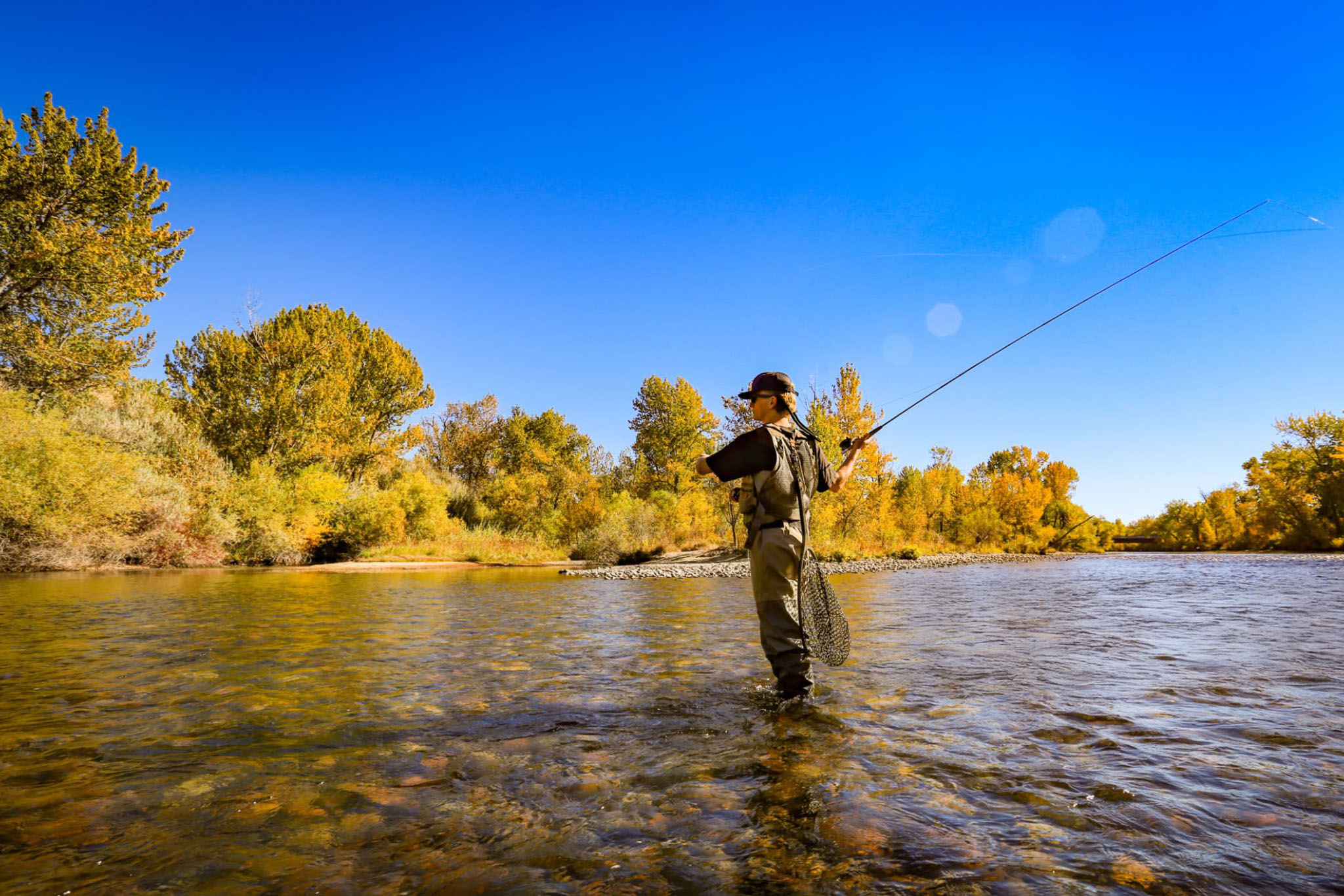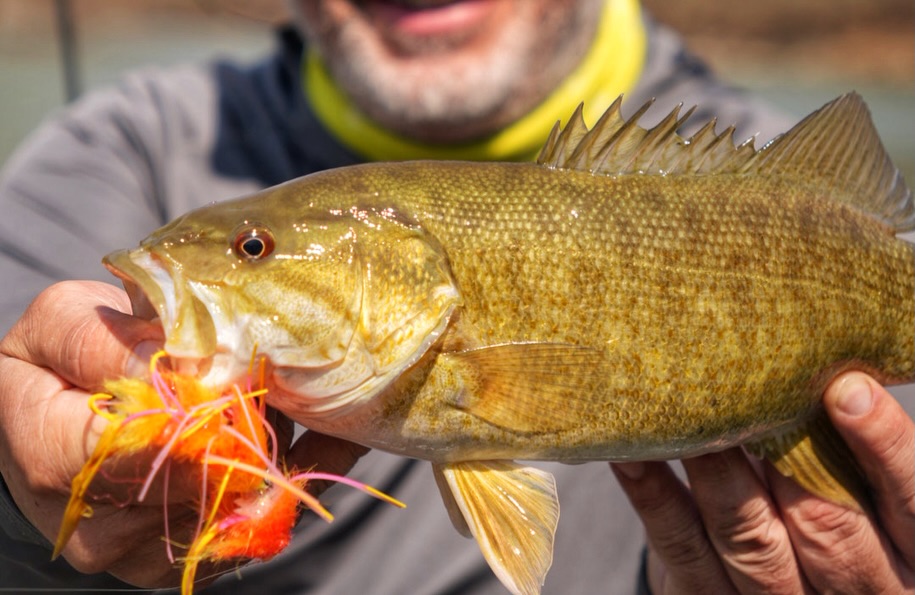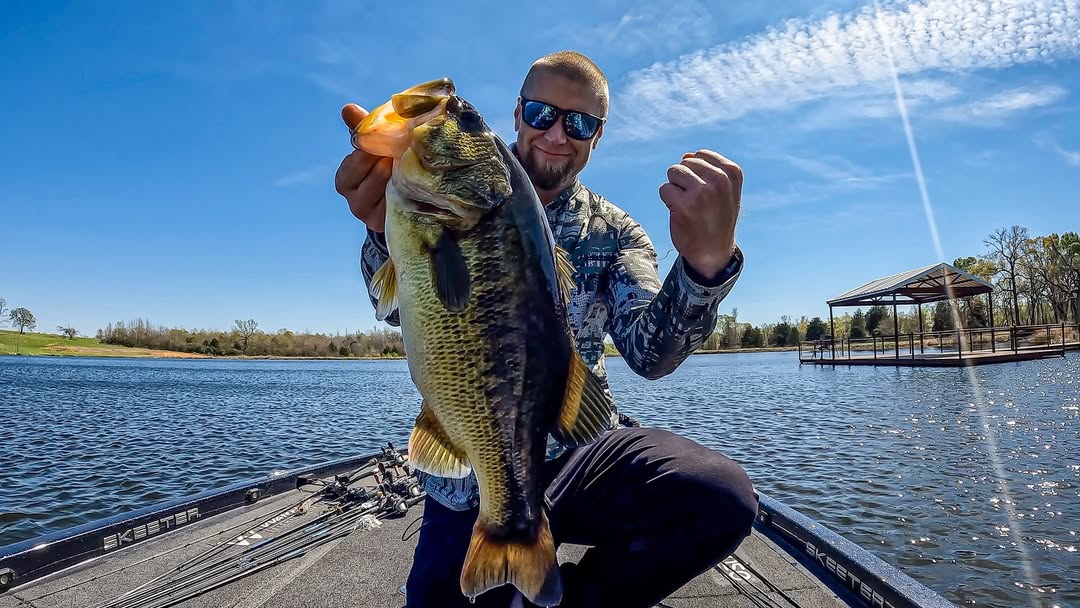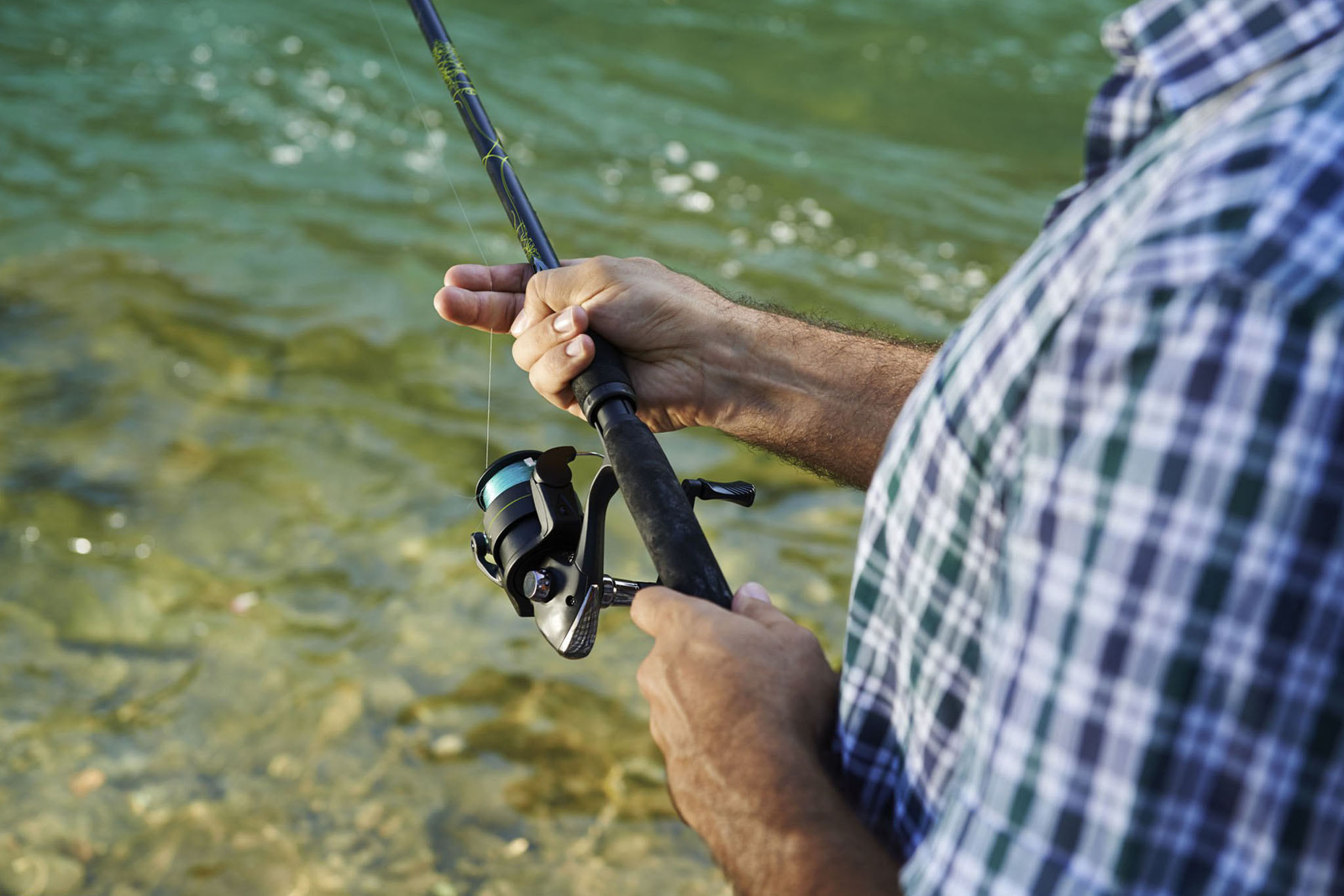
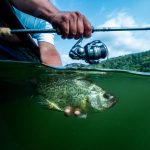
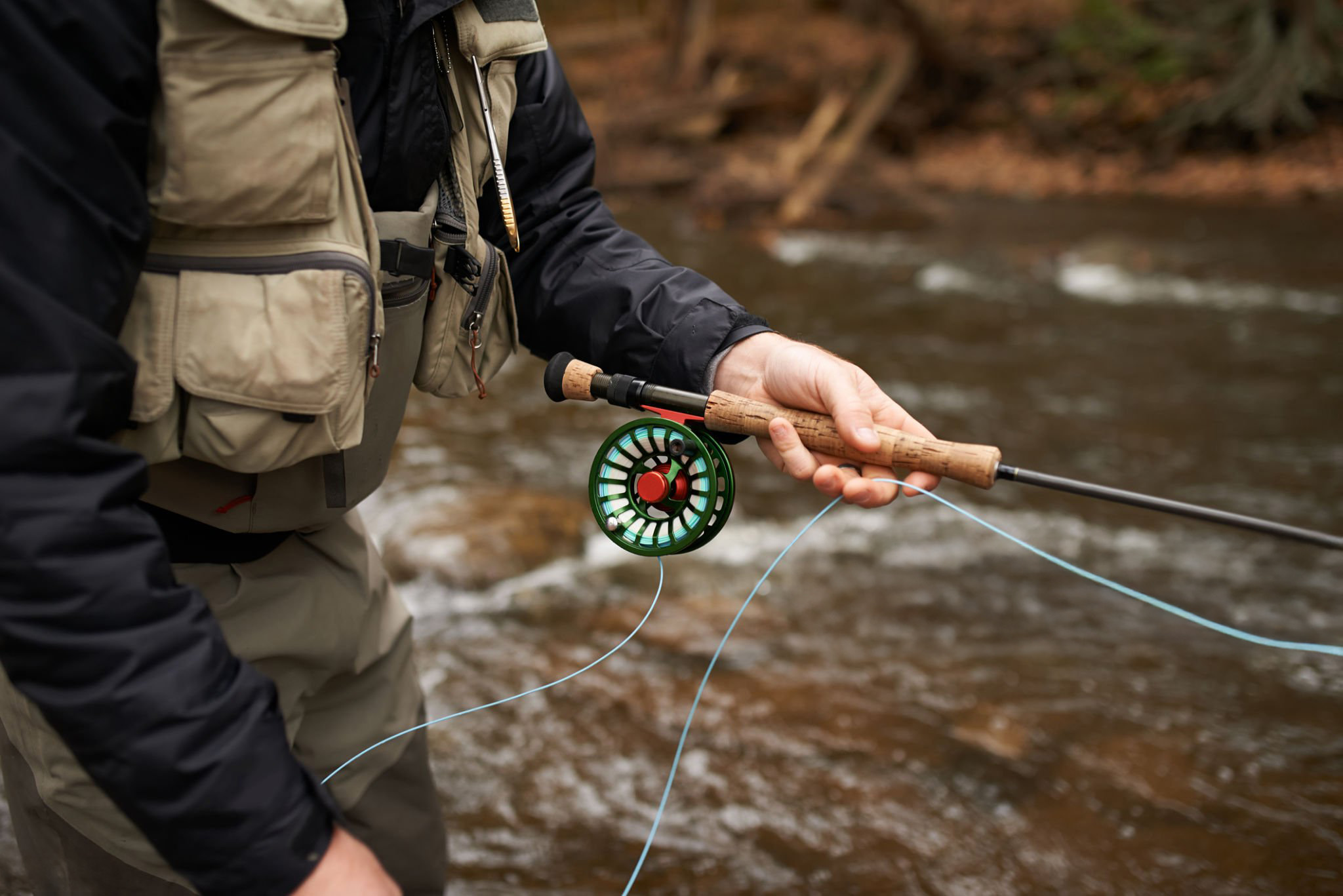
As summer fades and the first crisp mornings roll in, many anglers turn their focus to bass or walleye. But for those who love steady action and delicious filets, early fall panfish—bluegill, crappie, and perch—are the stars of the season. This time of year, shallow flats come alive with baitfish movement, cooling water, and hungry schools of panfish staging before winter.
Whether you’re fishing with kids, stocking up for a fish fry, or simply enjoying the steady tug of light tackle, targeting panfish in early fall can be as exciting as it is rewarding.
Why Early Fall Is Special for Panfish
Unlike midsummer, when panfish often scatter into deeper, cooler water, autumn cooling trends pull them back to the shallows. Flats with structure—weed beds, stumps, or rock transitions—become magnets for forage species like minnows and insects. Panfish follow in numbers, feeding heavily to bulk up before the long winter ahead.
This seasonal migration means anglers can find consistent action without needing to chase fish in deeper water or rely on advanced electronics.
Prime Locations for Fall Panfish
1. Vegetated Shallow Flats
Healthy green weeds still hold oxygen and plenty of food. Bluegills in particular will crowd these areas, feeding on invertebrates and small baitfish.
2. Rocky Transitions
Crappie and perch often stack along rocks or gravel flats where bait congregates. Look for mixed bottoms where sand meets rock.
3. Shallow Points and Bays
Warm afternoons push fish into sunlit bays. Early fall days with calm, sunny weather can make shallow points especially productive.
4. Shoreline Wood and Brush
Submerged logs and brush piles near flats hold both food and cover, making them natural ambush points for panfish.
Best Baits and Presentations
For Bluegill
- Small jigs tipped with worms or plastics: Slow and steady retrieves mimic natural forage.
- Slip floats with live bait: Perfect for beginners and great for working weed edges.
For Crappie
- Minnow-tipped jigs: Crappie can’t resist live bait in early fall.
- Small paddle tails or tubes: Cast across flats and retrieve slowly for suspended fish.
For Perch
- Small spoons or jigging raps: Great for aggressive perch on rocky flats.
- Live minnows on a drop-shot rig: Especially effective when fish are tight to the bottom.
Timing Your Trips
- Early Morning: Fish feed aggressively in low light, often moving shallow before boat traffic picks up.
- Late Afternoon: As water warms slightly, panfish slide back into shallows and feed hard before evening.
- Calm, Sunny Days: Unlike midsummer, bright afternoons in fall can actually boost action in shallow flats.
Gear for Panfish Success
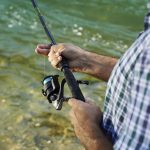
- Ultralight rods (5–7 ft) with sensitive tips for detecting light bites.
- 4–6 lb monofilament or fluorocarbon line for finesse presentations.
- Small hooks (#6–#10) and jig heads (1/32 to 1/16 oz) for natural movement.
- Slip floats for suspending baits above weeds and adjusting depth quickly.
Tips for Maximizing Your Catch
- Keep moving until you find the school: Panfish travel in groups—once you get a bite, more are usually nearby.
- Downsize when bites are finicky: Switch to smaller hooks and baits if fish seem shy.
- Use polarized sunglasses: Spotting weed lines and shallow structure is much easier with glare cut down.
- Harvest selectively: Take enough for a meal, but leave smaller fish to grow and reproduce.
Final Thoughts
Early fall panfish fishing is about simple gear, steady action, and quality time on the water. As shallow flats fill with life, anglers have an opportunity to catch big numbers of bluegill, crappie, and perch while enjoying the beauty of the changing season.
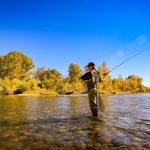
Whether you’re wading a shoreline, drifting over a bay, or setting kids up with slip floats, fall panfishing is a tradition that never disappoints. So grab light tackle, head for the flats, and enjoy some of the most accessible fishing of the year.