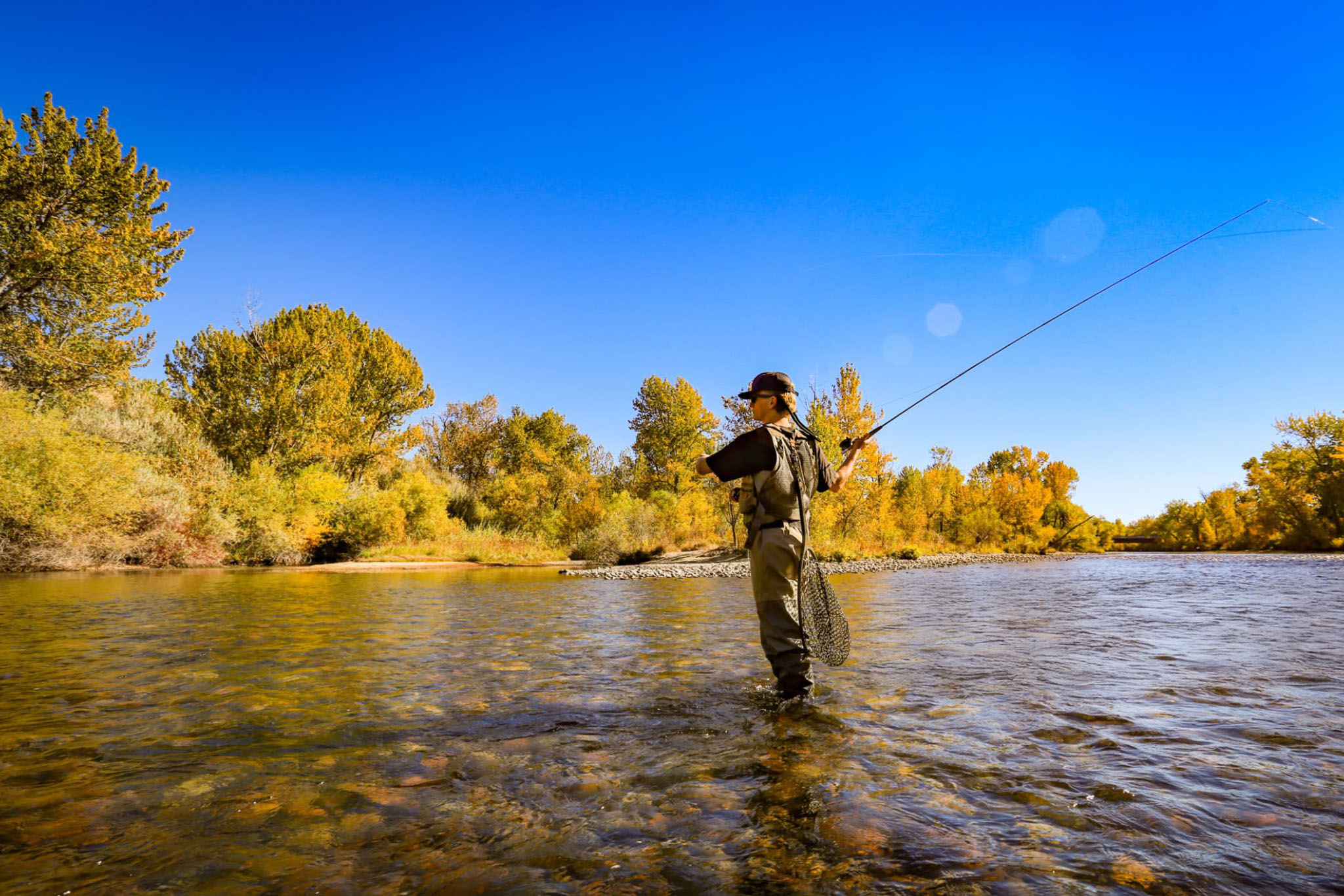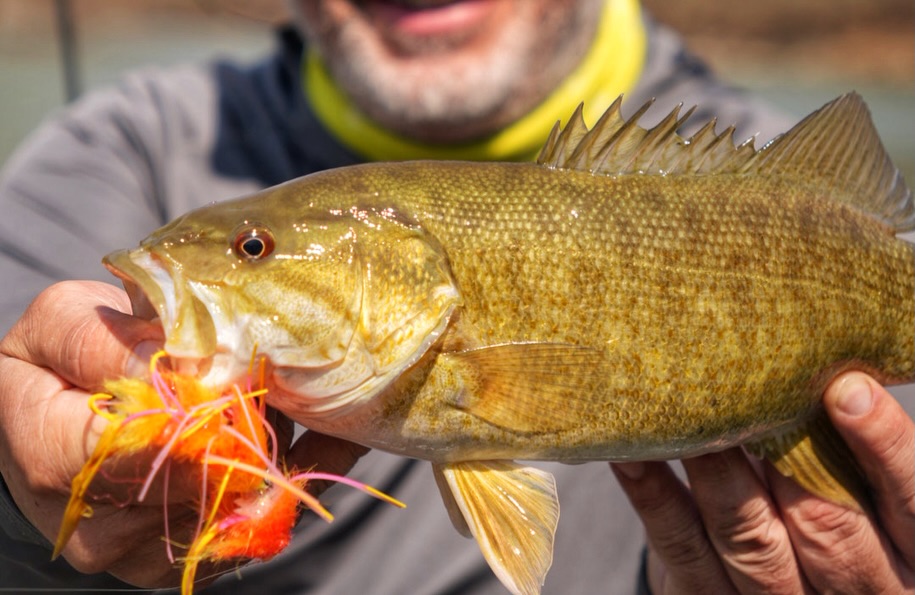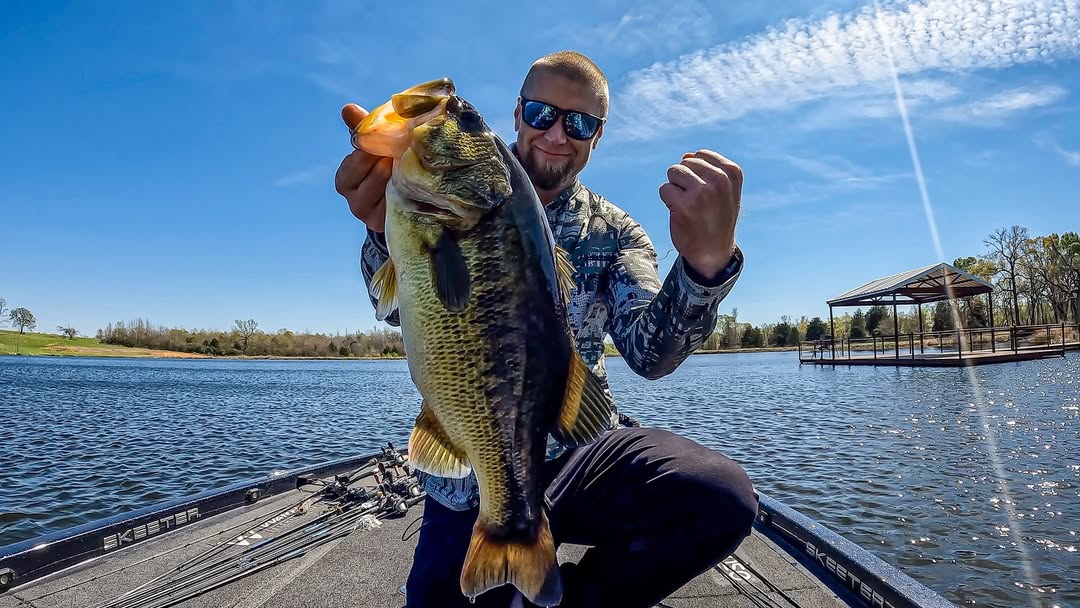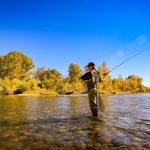
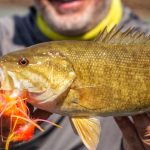
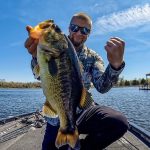
When fall arrives, many anglers instinctively reach for their crankbaits and jigs, but the true key to consistent success lies in understanding shad movements. These small, silvery baitfish are the lifeblood of predator species like bass, stripers, crappie, and catfish. As temperatures drop, shad change their behavior, and tracking them can unlock some of the most productive fishing of the year.
In this guide, we’ll break down seasonal shad patterns, how they influence predator locations, and the best tactics to maximize your fall fishing.
Why Shad Dictate Predator Behavior
Shad are high-protein forage that drive predator feeding cycles. In autumn, their schools become more visible and more predictable as they respond to cooling water temperatures and shifting daylight hours.
- Bass: Often shadow shad schools closely, ambushing from structure or the edges of cover.
- Crappie: Relocate with shad into creek arms and coves.
- Stripers: Actively corral shad into tight balls, sometimes creating explosive surface boils.
- Catfish: Trail weakened or injured shad during heavy feeding activity.
Simply put, find the shad and you’ll find the fish.
Early Fall: Transitioning From Deep to Shallow
In the late summer to early fall transition, shad begin moving out of deep main-lake basins into shallower water as the surface cools.
- Key areas to watch:
- Creek mouths
- Channel swings
- Points adjacent to deep water
Best tactic: Use medium-diving crankbaits or swimbaits in shad colors to intercept predators following bait schools. Electronics help you spot dense shad pods suspended off breaks.
Mid-Fall: The Creek Arm Migration
As water temperatures fall into the 60s, shad push further back into creek arms and coves. This migration often creates “feeding lanes” where predators set up ambush points.
- Target spots:
- Secondary points inside creeks
- Laydowns and stumps along creek channels
- Shallow flats in the back of bays
Best tactic: Cast spinnerbaits, chatterbaits, or jerkbaits around wood and vegetation where bass pin shad. Vertical jigging with spoons also works when shad schools suspend.
Late Fall: Tightening Schools Before Winter
When water temps dip into the 50s, shad schools become tighter and often stage near vertical cover or at the mouths of deeper coves. Predators know winter is coming and take advantage of these concentrated forage bases.
- Target spots:
- Bluff walls
- Bridge pilings
- Deep timber or ledges
Best tactic: Drop-shot rigs and blade baits are excellent for presenting lifelike shad profiles directly into dense bait clouds.
Reading the Signs: How to Locate Shad Quickly
Even without electronics, you can identify shad presence through environmental cues:
- Surface ripples or flickers: Shad flipping near the surface.
- Bird activity: Gulls and herons diving are giveaways of baitfish schools.
- Predator boils: Sudden surface explosions are usually bass or stripers corralling shad.
- Water clarity: Shad prefer slightly stained water, so target areas where visibility is 2–4 feet.
Final Thoughts
Mastering fall fishing isn’t just about lure choice or structure—it’s about patterning shad. By following their seasonal movements, you’re essentially unlocking predator hotspots across the lake. Whether you’re chasing largemouth bass in shallow creeks, jigging for crappie under docks, or casting to stripers busting bait balls, the strategy is the same: find the shad, and you’ll find the fish.
This fall, don’t just fish randomly—track the forage and let the predators come to you.