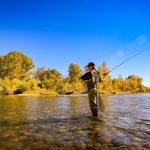
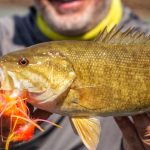
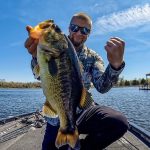
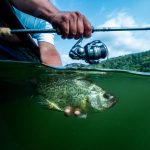
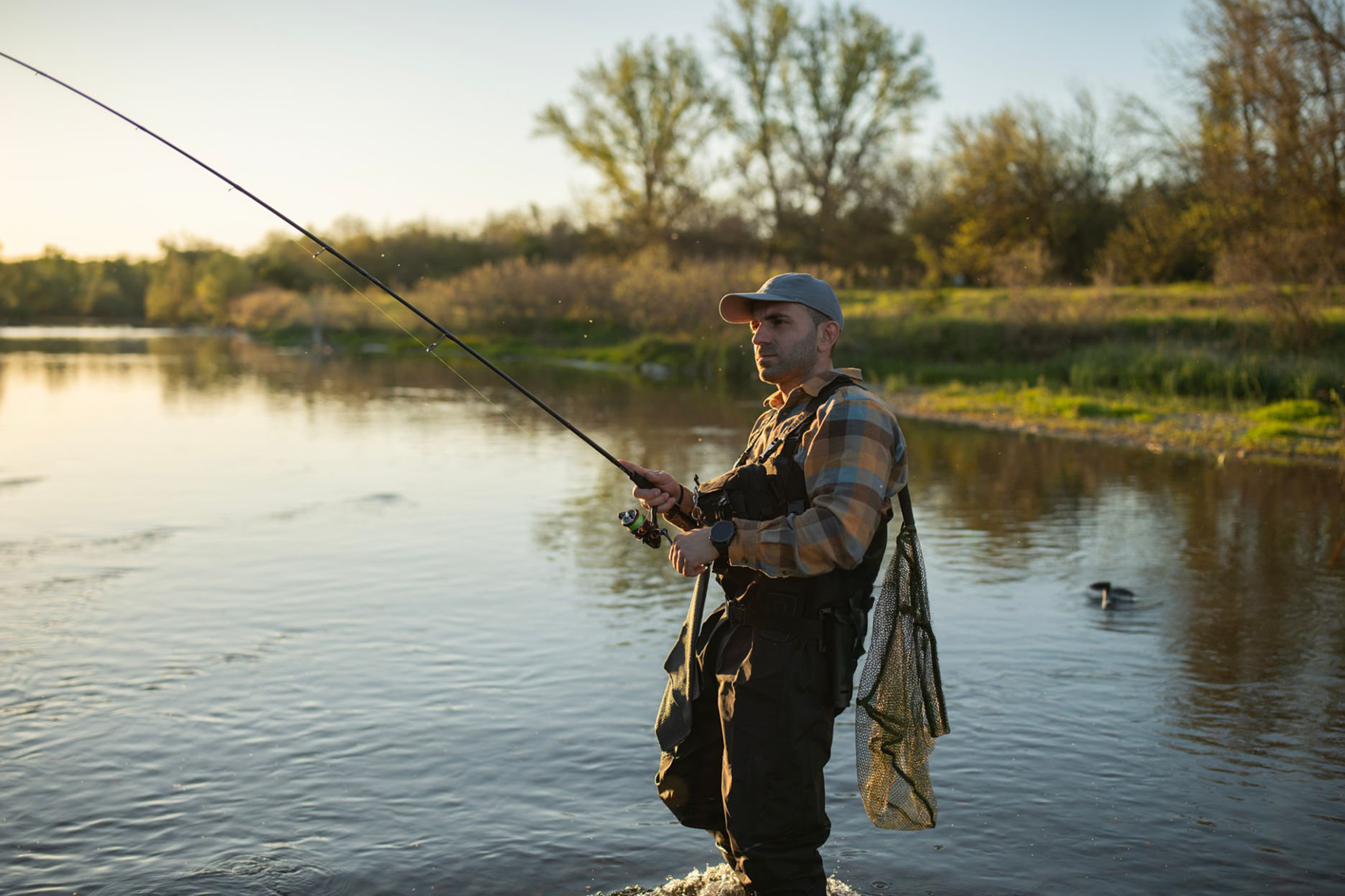
As the water cools and daylight shortens, many species of gamefish, from largemouth bass to walleyes, begin to change their feeding behavior. The furious summer strikes often give way to slower, more calculated bites in fall. For anglers, this shift can make catching fish feel frustrating—unless you know how to adapt. One of the most reliable tools in the fall tackle box is the crankbait. With the right adjustments, crankbaits can consistently trigger strikes even when fish seem reluctant.
Understanding Fall Fish Behavior
When water temperatures drop, fish metabolism slows. They don’t want to chase baits the way they did in July or August. Instead, they conserve energy, waiting for food to come to them or moving shorter distances to ambush prey. Despite this slowdown, fall is also a feeding season—fish know winter is coming, and they need to bulk up. That combination—less activity, but more need to eat—is exactly why crankbaits shine. They imitate the forage fish that predators rely on while allowing you to control speed, depth, and action to match seasonal conditions.
Choosing the Right Crankbait for Fall
Not all crankbaits perform equally well in autumn. The best options usually share these traits:
- Tighter wobble: In cooler water, fish respond better to a subtle, natural action rather than wide, aggressive wobbles.
- Natural colors: Shad, perch, and crawfish patterns dominate fall forage. Match your crankbait to what’s common in your local waters.
- Variable depth control: Depending on where fish are holding—shallow flats in early fall or deeper rock structures later—you’ll want a mix of shallow runners, medium divers, and deep cranks.
Slow Down Your Retrieve
One of the biggest mistakes anglers make in fall is fishing too fast. Fish are willing to eat, but they’re less likely to chase. Try these approaches:
- Stop-and-go retrieve: Pausing your crankbait mid-retrieve mimics a struggling baitfish and often triggers reaction bites.
- Bumping structure: Allow your crankbait to deflect off rocks, stumps, or logs. The sudden change in direction can spark strikes from neutral fish.
- Crawl it in: Use a steady, slow retrieve that keeps the lure in the strike zone longer.
Focus on Key Fall Structures
Crankbaits are especially effective in locations where fish congregate in autumn:
- Rock points and ledges: As temperatures drop, walleyes and smallmouths stack along rocky structures where baitfish school.
- Shallow flats near drop-offs: Largemouth bass often push baitfish into the shallows, but retreat nearby when conditions shift.
- Channel edges: As fish transition toward wintering holes, channel swings and edges are prime feeding areas.
Experiment With Line and Rod Setup
Your gear choices make a difference in crankbait performance:
- Fluorocarbon line sinks and helps crankbaits reach their running depth while keeping the action tight.
- Medium-action rods provide enough flex to keep treble hooks pinned without ripping them out during the fight.
- Long casts are crucial—fall fish often spook in clear water, and a longer cast allows the crankbait to reach optimal depth.
When to Switch It Up
If the bite still feels tough, try these variations:
- Lipless crankbaits: Excellent for covering water and targeting suspended fish.
- Silent crankbaits: In pressured waters, switching to a lure without rattles can make a big difference.
- Upsizing or downsizing: Sometimes a smaller, finesse-style crankbait seals the deal; other times, a larger profile draws reaction strikes.
Final Thoughts
Fall can be one of the most rewarding times to fish, with the potential for trophy catches as fish fatten up before winter. But success depends on recognizing how cooling water changes fish behavior. By slowing down, picking the right crankbait, and targeting key seasonal structures, you can consistently trigger strikes—even when fish seem sluggish.
The next time you’re on the water and notice bites getting scarce, don’t pack it up just yet. Tie on a crankbait, slow your presentation, and let fall’s feeding instinct work in your favor.