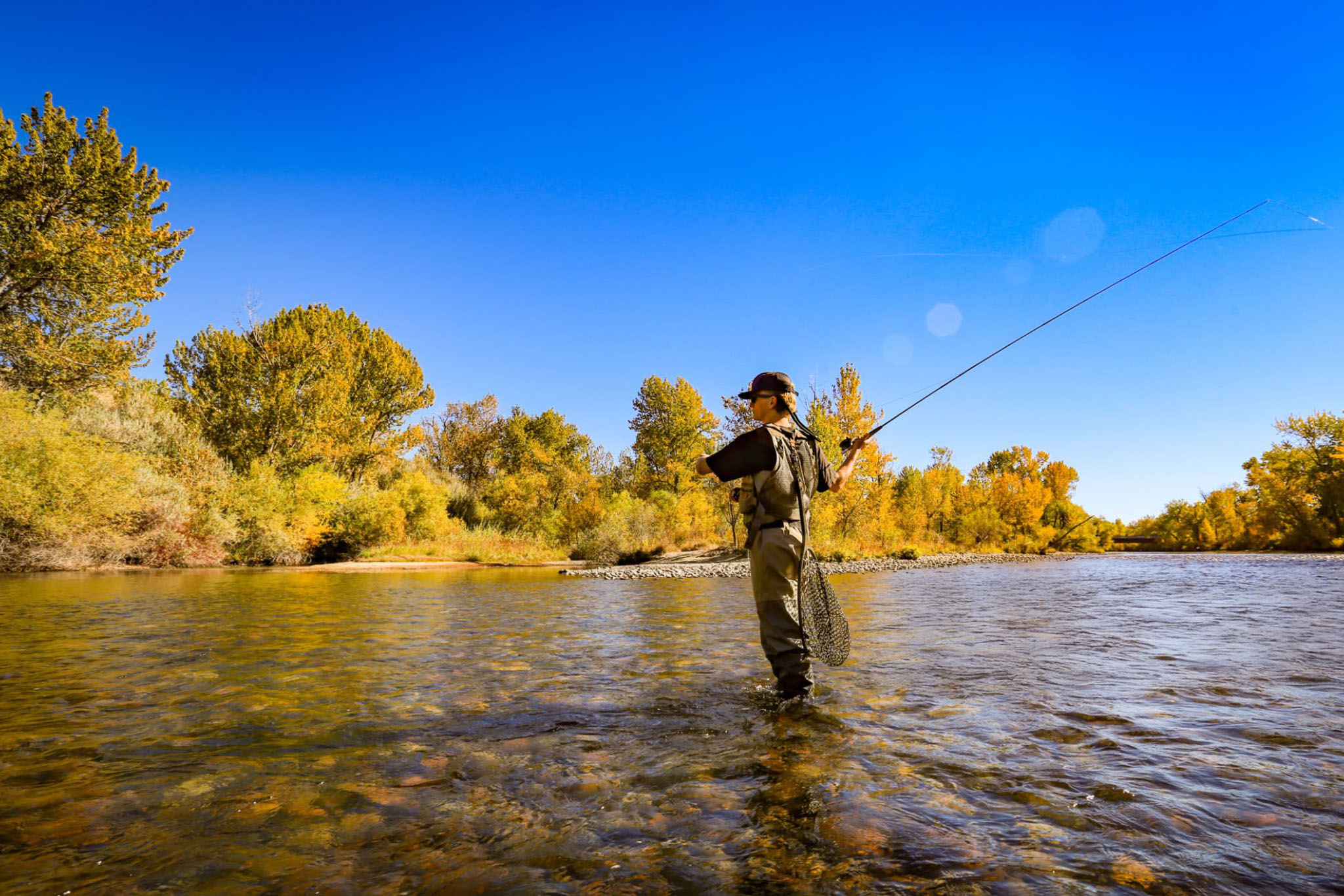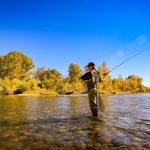
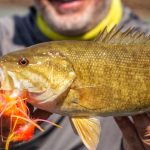

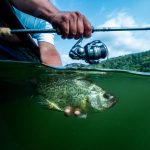
When the leaves turn golden and the air begins to crisp, many anglers shift their focus to perch fishing. Autumn is one of the most reliable times of year to locate and catch jumbo perch, as cooling water temperatures push baitfish into predictable patterns, and perch schools follow right behind. Understanding these seasonal movements can make the difference between a slow day on the water and a bucket full of fish.
In this guide, we’ll break down why perch behave the way they do in the fall, how to track schools effectively, and what techniques put the most fish in the net.
Why Perch Behavior Changes in Fall
As summer ends, water temperatures start to drop, and this triggers a natural chain reaction in aquatic ecosystems:
- Baitfish migration: Schools of minnows, shiners, and young-of-the-year fish move shallower in search of warmer water and forage.
- Oxygen levels: Cooler water holds more oxygen, drawing perch into shallower areas that were too warm and stagnant during summer.
- Feeding urgency: Perch instinctively fatten up before winter, feeding more aggressively and grouping into large schools.
This combination of biological triggers makes perch more predictable and catchable for savvy anglers.
Locating Fall Perch Schools
The key to autumn perch fishing is mobility. Instead of waiting for fish to come to you, actively search for them:
1. Look for Structural Breaks
Perch love edges. In fall, focus on drop-offs, submerged humps, weed lines, and the transition between hard and soft bottom. These areas concentrate baitfish, and perch schools will hover nearby.
2. Follow the Bait
If you see clouds of baitfish on your sonar or minnows flickering at the surface, perch are rarely far behind. Birds diving on baitfish schools can also be a giveaway.
3. Check Windward Shores
Wind pushes plankton, which attracts baitfish, which in turn brings perch. On windy autumn days, the windblown side of a lake often outproduces the calm side.
4. Use Electronics Wisely
Modern fish finders are a game-changer. Look for stacked arches or tight clusters of fish near the bottom—classic signatures of perch schools.
Best Techniques for Catching Fall Perch
1. Vertical Jigging
Drop a small jig tipped with live bait (minnow, worm, or perch eye where legal) directly into the school. Subtle lifts and drops often trigger strikes.
2. Slip Bobber Rigs
Perfect for targeting perch at specific depths. A slip bobber lets you present bait just above the school, keeping your offering in the strike zone longer.
3. Drop-Shotting
An excellent finesse approach for pressured waters. Use a small hook and soft plastic or live bait just above a weight to tempt neutral perch.
4. Small Crankbaits and Spinners
When perch are actively feeding, cover water fast with small crankbaits, spoons, or inline spinners. Bright colors like chartreuse, orange, or silver often shine in fall’s stained waters.
Bait Choices That Shine in Autumn
While perch will eat almost anything in fall, some baits consistently outperform others:
- Minnows: The top choice for jumbo perch. Hook them through the lips or tail for natural movement.
- Worms: Nightcrawlers or red worms are easy to use and effective.
- Soft Plastics: Tiny paddle tails, grubs, or micro tubes imitate young-of-the-year baitfish perfectly.
- Artificial Scented Baits: Products like Gulp! minnows can be deadly when perch are finicky.
Timing Your Trips
Fall perch bites can vary throughout the day, but there are a few golden windows:
- Early mornings: Perch move shallow to chase baitfish.
- Midday sun: Schools often slide deeper, so electronics become crucial.
- Afternoons: As light fades, perch push shallower again, feeding aggressively before nightfall.
Pro Tips for Fall Perch Success
- Stay Mobile: Don’t waste more than 15 minutes in one spot without bites—move until you find active schools.
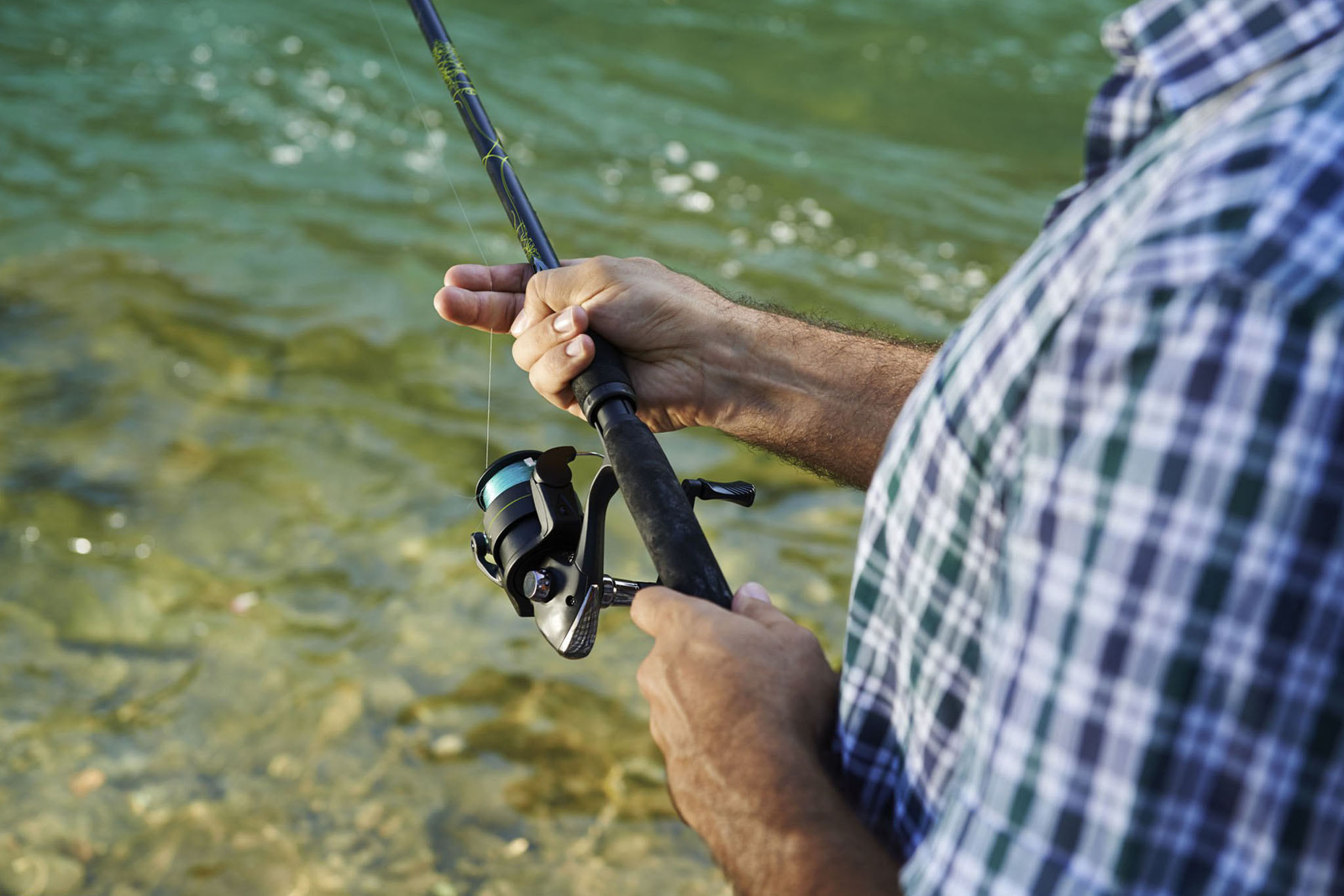
- Downsize Gear: Light line (4–6 lb test) and ultralight rods increase sensitivity and hookups.
- Keep a Few Spots in Mind: Schools move quickly; rotate between known structures until you connect.
- Be Ready for Jumbo Schools: Autumn often brings larger perch together. Once you find one, there are usually dozens nearby.
Final Thoughts
Fall is a golden opportunity for perch anglers. Cooling water, migrating baitfish, and hungry schools create conditions where even casual anglers can connect with impressive catches. By understanding how perch patterns shift in autumn and adapting your tactics to follow them, you’ll not only catch more fish—you’ll enjoy some of the most rewarding days of the year on the water.
So grab your light tackle, scout those structural breaks, and track down those schools. The perch are waiting.