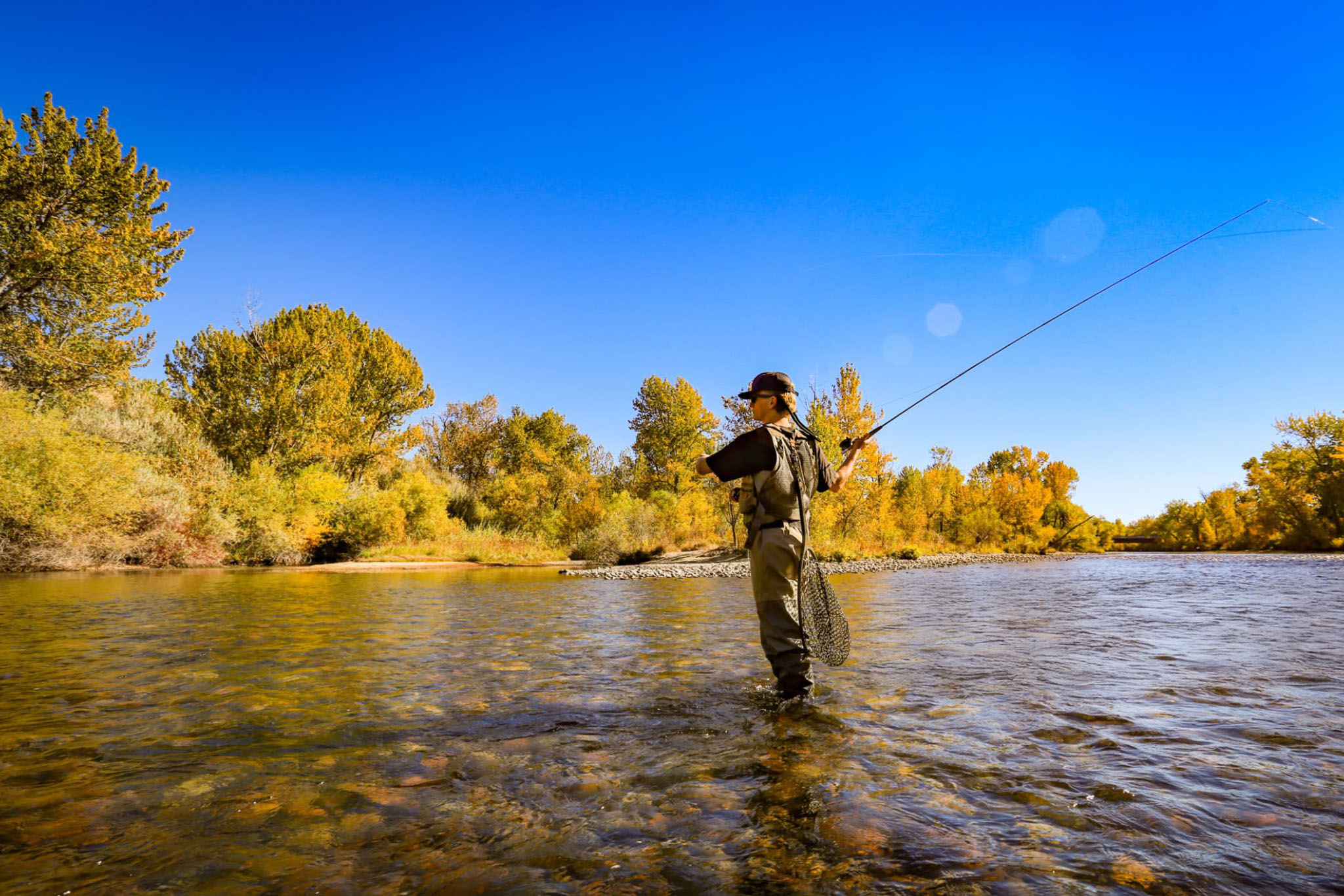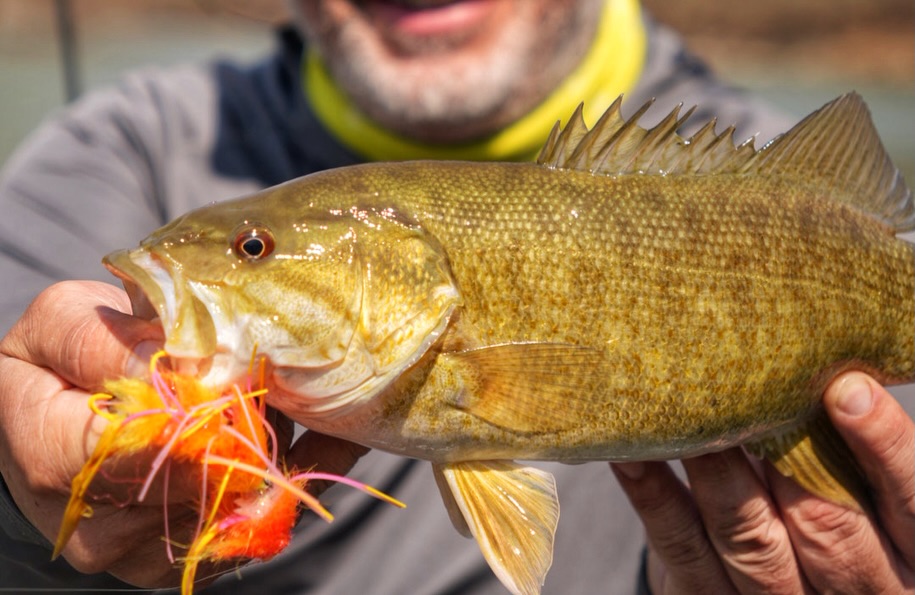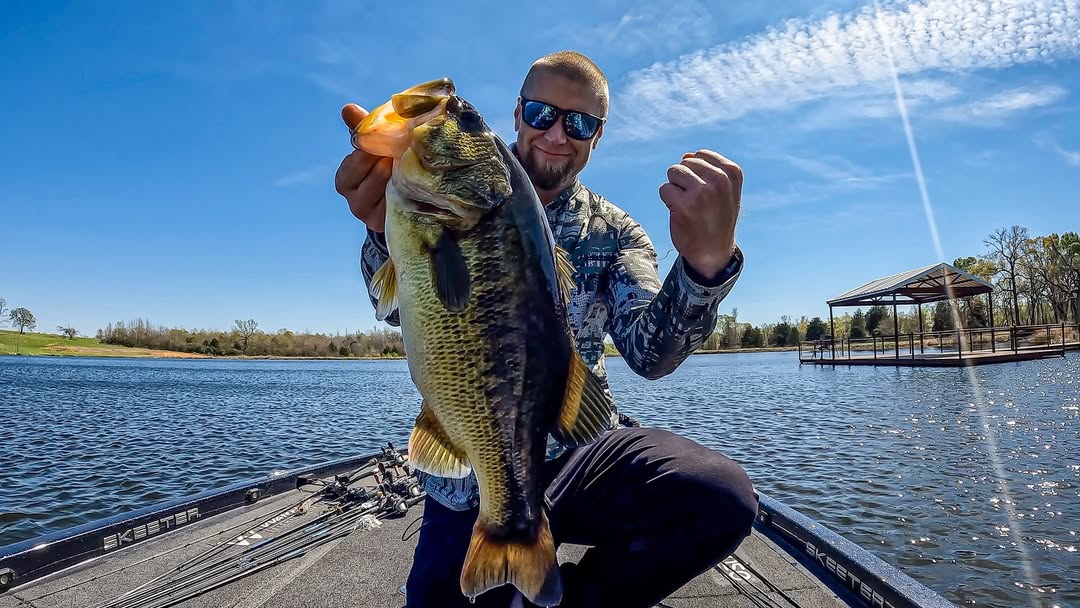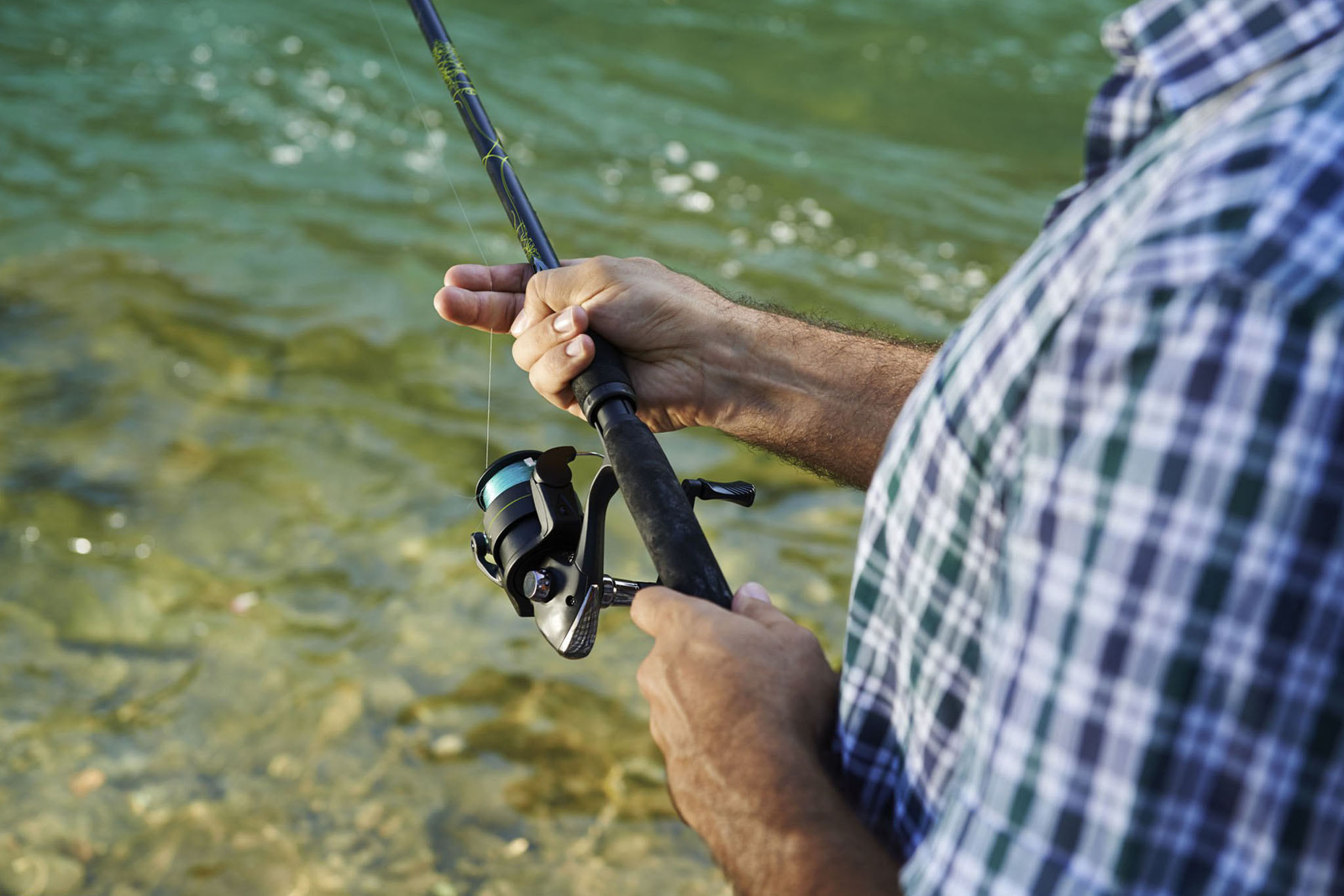
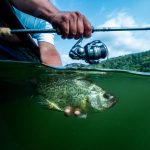
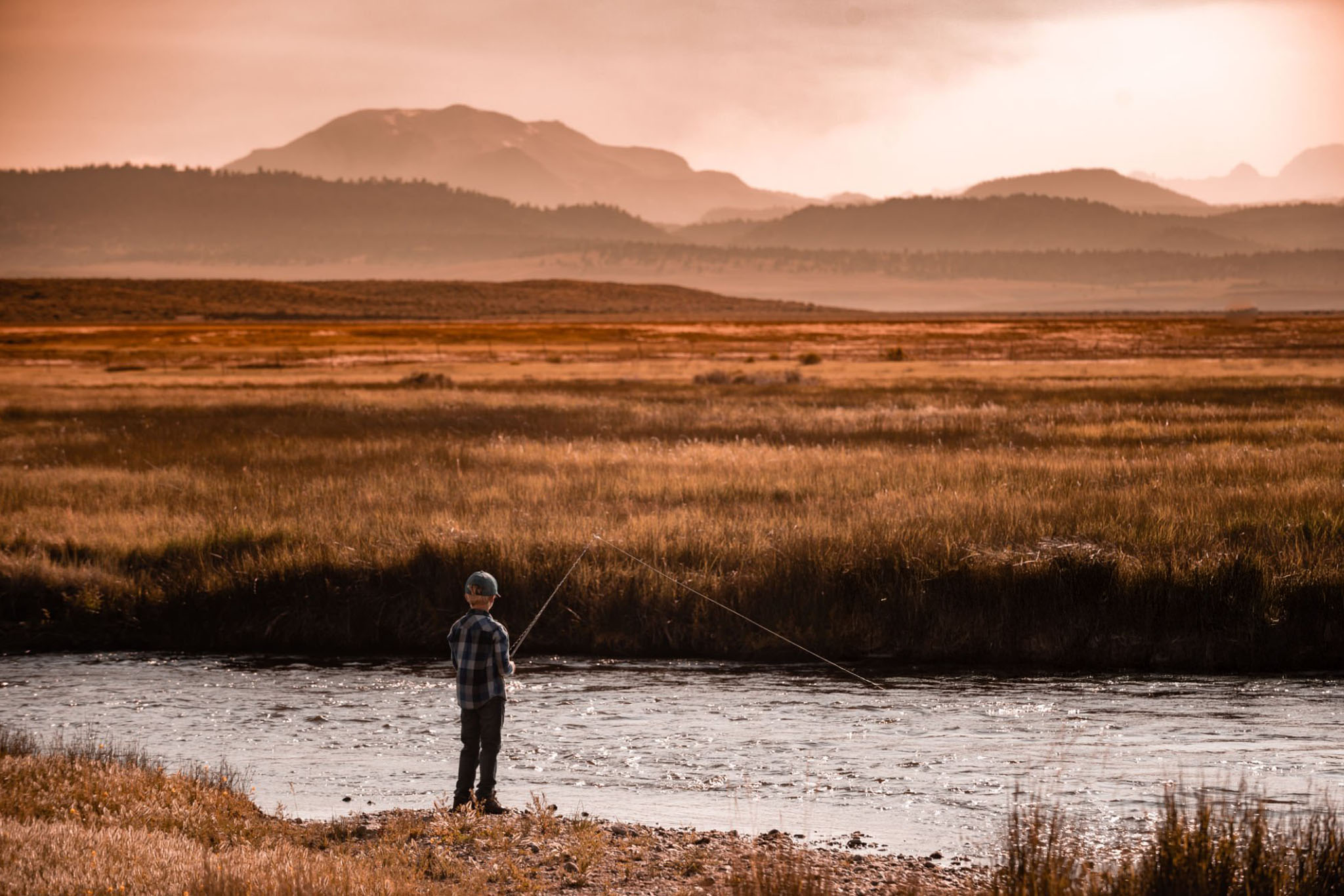
Fall is one of the most exciting times of year for anglers. Lakes and rivers transform, temperatures drop, and fish shift into predictable—but often short-lived—feeding patterns. Yet, nothing influences fall fishing more than weather swings. One day, the bite can be on fire. The next, a sudden cold snap or storm front can shut fish down completely. Understanding how fish respond to these changes is the key to unlocking the fall bite cycle.
Why Weather Matters in Fall Fishing
Fish are cold-blooded, which means their body temperature and activity levels are directly affected by their environment. During autumn, when weather conditions fluctuate rapidly, their behavior can shift just as quickly. Air pressure, wind direction, cloud cover, and temperature all play major roles in how aggressively fish feed—or how cautiously they hold back.
Unlike summer, when patterns stabilize, fall is a transitional season. Fish are moving from summer haunts to wintering areas, and their feeding windows often align with specific weather changes.
The Role of Barometric Pressure
Barometric pressure is one of the biggest influences on fish activity.
- Stable High Pressure
Clear skies and calm conditions usually mean a tougher bite. Fish become sluggish and may hug bottom structure. Downsized lures and slow presentations shine during these periods. - Falling Pressure (Before a Front)
This is the sweet spot. As a storm system approaches and pressure drops, fish sense the change and feed aggressively. Bass, walleye, and crappie often move shallow, chasing baitfish with urgency. - Low Pressure (During a Front)
Heavy rain, wind, or sudden cold fronts can make fish scatter. While some will still bite, they often move deeper and require finesse tactics. - Rising Pressure (After a Front)
Post-front conditions are notoriously tough. Skies clear, temperatures stabilize, and fish shut down. This is when anglers must slow their approach, work deeper structure, and stay patient.
Temperature Swings and the Fall Transition
Water temperature is the guiding factor in fall fishing.
- Cooling Water: As surface temps drop into the 60s, baitfish schools push shallow. Predator fish follow, creating excellent opportunities for power fishing with crankbaits, spinnerbaits, and swimbaits.
- Cold Snaps: Sudden drops into the 50s or 40s push fish back deeper until conditions stabilize. This is when jigs, blade baits, and finesse plastics excel.
- Warm Spells: A brief warming trend in fall can spark feeding activity again, pulling fish shallow for one last aggressive bite.
Wind and Cloud Cover: The Unsung Heroes
- Wind stirs up baitfish, oxygenates the water, and pushes food into ambush areas. A windblown bank can become a hot spot in minutes.
- Cloud Cover extends feeding windows. On overcast days, predator fish are less wary and roam farther from cover, making them easier to catch.
How to Adjust Your Approach
- Watch the Forecast Closely
Success often comes from planning trips around incoming fronts. The 12–24 hours before a weather change is prime time. - Adapt Lure Selection
- Falling pressure: Go bigger and faster—crankbaits, spinnerbaits, and topwater lures.
- Stable high pressure: Downsize and slow down—finesse jigs, drop shots, or Ned rigs.
- Cold snaps: Vertical presentations—blade baits, spoons, and slow-rolled plastics.
- Target Transition Zones
Fish relate to structure differently depending on weather. Before a front, work shallow flats and points. After a front, slide deeper into ledges, drop-offs, and submerged cover. - Stay Flexible
The fall bite cycle is short. What worked yesterday may fail today. Carry a mix of power and finesse gear to adjust on the fly.
The Mental Game of Fall Fishing
Perhaps the biggest challenge in fall fishing is patience. Weather swings can test your confidence, but understanding fish behavior helps you stay persistent. Instead of getting frustrated when a front shuts the bite down, see it as an opportunity to refine techniques and focus on high-percentage areas.
Final Thoughts
The fall bite cycle is dictated by weather swings more than any other factor. By paying attention to barometric pressure, temperature shifts, wind, and cloud cover, anglers can predict fish behavior with surprising accuracy. The key is timing: get out just before a front, adapt your tactics afterward, and always let conditions dictate your presentation.
Fall may be unpredictable, but that unpredictability is exactly what makes it so rewarding. Master the rhythm of weather and water, and you’ll unlock the full potential of autumn fishing.