As summer fades and water temperatures begin to drop, many anglers turn their focus to one of the most reliable panfish around—crappie. Known for their schooling behavior and delicious fillets, crappie become especially predictable during fall when cooling waters push them into transition zones. Understanding these seasonal shifts and knowing the right tactics can turn your autumn outings into some of the most productive days of the year.
Why Fall Is Prime Time for Crappie
Unlike the spawning frenzy of spring, fall crappie are driven by one main instinct—feeding. Shorter days and dropping water temperatures trigger schools of baitfish to move from shallow summer haunts toward deeper structures. Crappie follow these migrations, often gathering in large numbers around mid-depth brush piles, submerged timber, and ledges.
For anglers, this means two key things: crappie are easier to locate, and once you find them, the action can be fast and steady.
Understanding Crappie Movements in Cooling Waters
- Early Fall (70–65°F): Crappie begin leaving shallow weed beds and docks. Look for them near points and secondary channels.
- Mid-Fall (65–55°F): Fish stage around brush piles, submerged stumps, and creek mouths in 10–15 feet of water.
- Late Fall (below 55°F): Schools move toward deeper basins, holding tight to drop-offs and vertical cover.
This step-by-step movement gives anglers a road map. By monitoring water temperature and seasonal shifts, you can stay one step ahead of crappie schools.
Best Locations for Fall Crappie
- Creek Channels: Crappie use these as highways, moving from shallow feeding areas toward deeper basins.
- Bridge Pilings: Concrete structures attract both baitfish and crappie, especially in reservoirs.
- Standing Timber: Submerged trees offer vertical cover that crappie cling to in cooler water.
- Ledges and Drop-offs: Perfect ambush zones as baitfish schools pass through.
Fall Baits and Presentations That Work
- Jigs: A 1/16- or 1/8-ounce jig tipped with a soft plastic is a fall favorite. Vary your retrieve speed, as crappie often strike on the fall.
- Minnows: Live bait remains unbeatable when fish are finicky. Try suspending minnows under slip bobbers or tight-lining them near structure.
- Vertical Jigging: In deeper water, drop jigs straight down and gently lift to trigger strikes.
- Spider Rigging: This slow-trolling technique covers multiple depths and helps locate scattered schools.
Tackle and Gear Tips
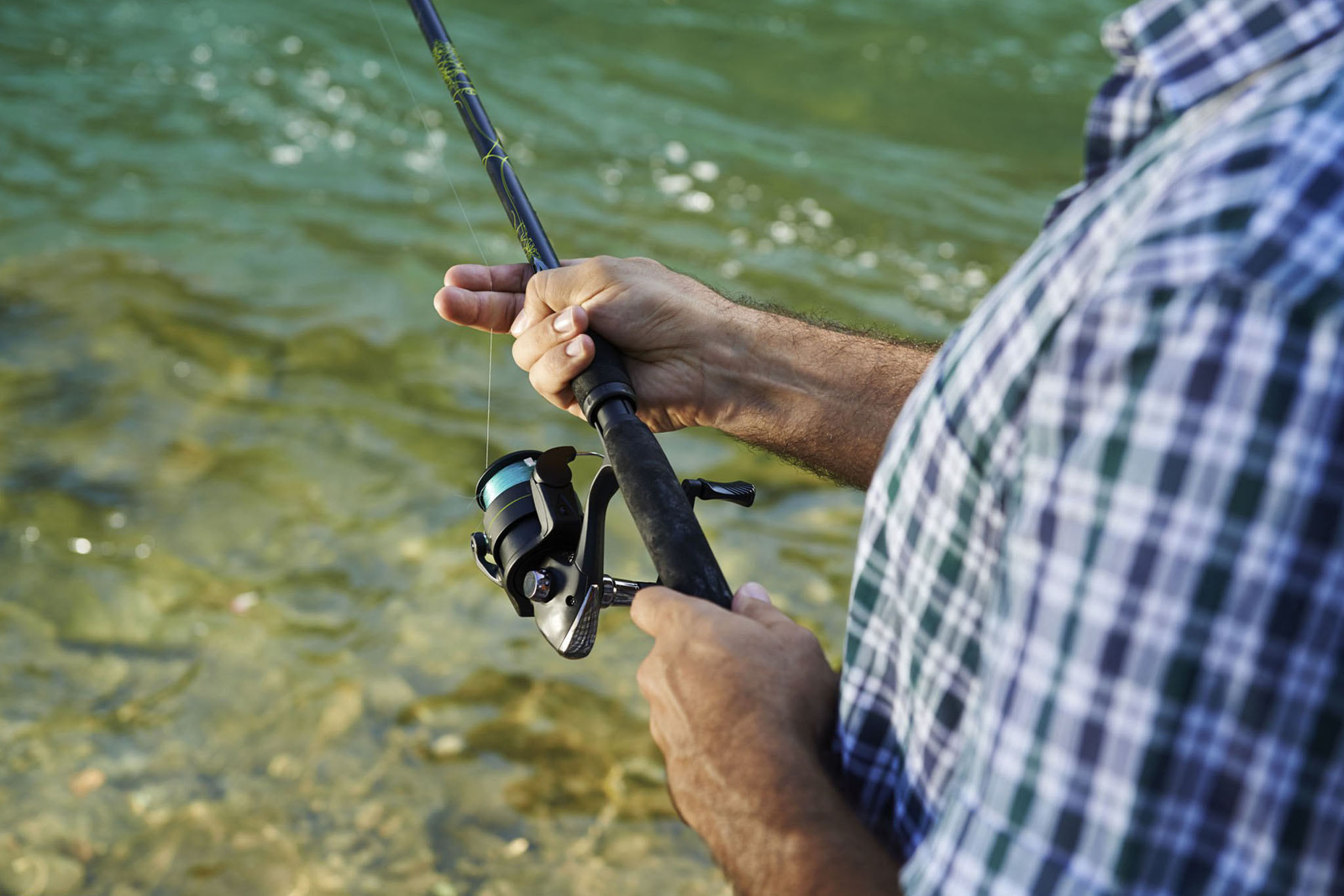
- Rods: A 10–12 foot light or ultralight rod for spider rigging, or a shorter 6–7 foot spinning rod for casting.
- Line: 4–8 lb test monofilament or fluorocarbon provides sensitivity without spooking fish.
- Electronics: A quality fish finder is invaluable for locating suspended schools in mid to late fall.
Weather and Timing Considerations
Crappie are heavily influenced by light penetration and weather fronts:
- Overcast Days: Fish often roam and feed more aggressively.
- Sunny Days: Expect tighter schools around deep cover.
- Pre-Front Conditions: As pressure drops, crappie often feed heavily, giving anglers a short window of hot action.
Cleaning and Cooking Fall Crappie
One of the best rewards of fall crappie fishing is bringing home a cooler of fish. With firm, white fillets, crappie are ideal for frying, baking, or blackening. Remember to practice selective harvest—keeping a few for the table while releasing larger fish helps sustain healthy populations.
Final Thoughts
Fall may be the most underrated season for crappie fishing. As water temperatures cool, schools of crappie consolidate and feed heavily, giving anglers consistent action with the right strategies. By tracking seasonal movements, targeting structure, and adjusting presentations, you’ll be well on your way to filling your livewell with slabs this autumn.
So grab your jig box, keep an eye on the thermometer, and hit the water—because chasing crappie in cooling waters is a fall pattern that truly never fails.