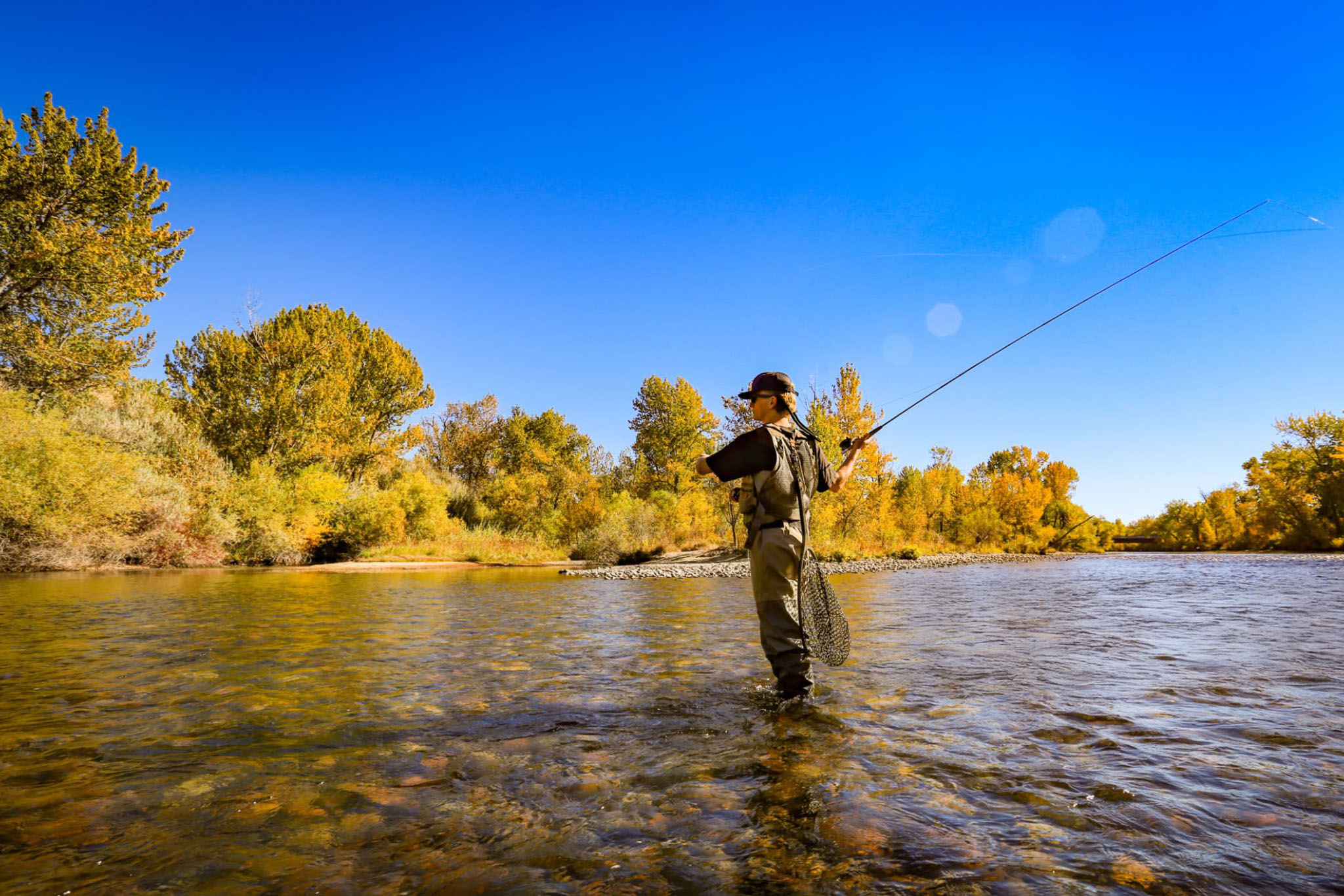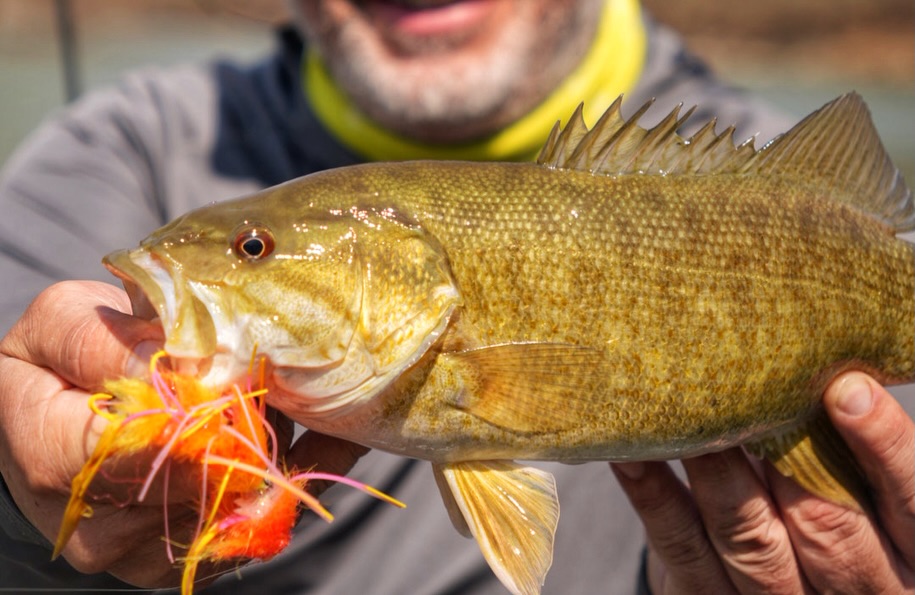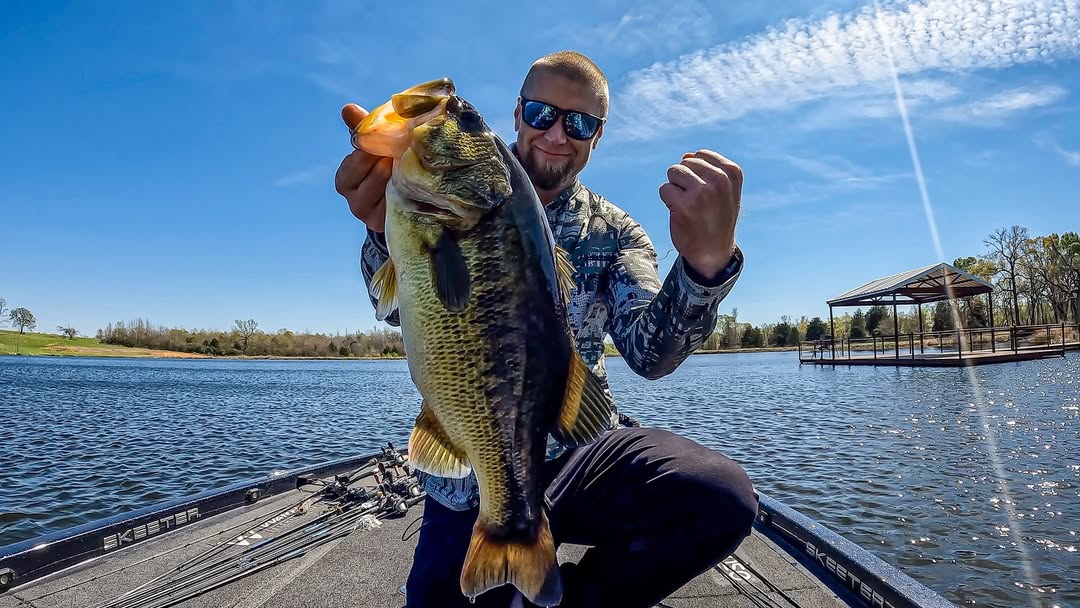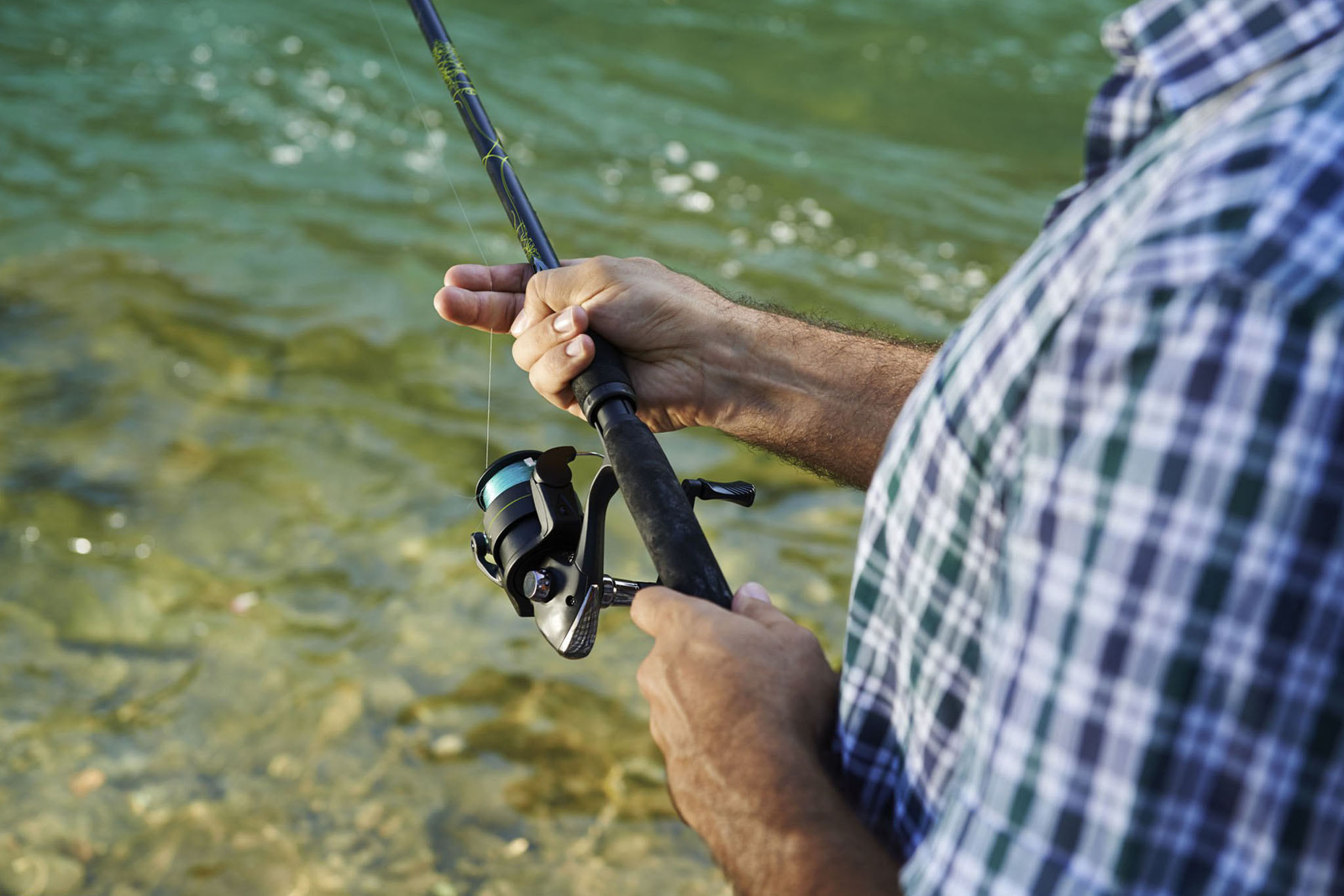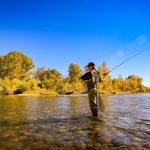
When autumn rolls around, fly anglers are treated to one of the most rewarding times of the year. Crisp air, vibrant foliage, and cooling waters create ideal conditions not just for fishing but for learning one of the sport’s most critical skills: matching the hatch. In fall, trout and other species feed aggressively to prepare for winter, but success often depends on your ability to imitate the right insects at the right time.
This guide will break down fall hatches, how to identify them, and the strategies that can help you turn challenging days into unforgettable sessions on the river.
Why Fall Fly Fishing Is Special
Fall fishing stands apart from spring or summer for several reasons:
- Reduced Pressure: Many anglers hang up their gear after summer, leaving waters less crowded.
- Hungry Fish: Trout, smallmouth bass, and other river species feed heavily to bulk up before colder months.
- Unique Hatches: Fall insects offer distinct challenges and opportunities for fly anglers, requiring sharp observation and versatile fly patterns.
Mastering hatches in this season is the difference between simply casting and consistently landing fish.
Common Fall Hatches to Watch For
Understanding insect activity is the first step to fly fishing mastery. While specific hatches vary by region, here are the most common players in fall rivers and streams:
1. Blue-Winged Olives (BWOs)
- When: Cloudy, cool days from September through November.
- Where: Slow pools, riffles, and runs.
- Why They Matter: BWOs are often small (sizes 18–22), making them tricky for anglers to replicate but irresistible to trout.
2. Mahogany Duns
- When: Late afternoons in fall.
- Where: Moderate currents and seams.
- Tip: These mayflies are slightly larger (sizes 14–16), making them easier to match than BWOs.
3. Caddisflies
- When: Throughout fall, especially during warm afternoons.
- Patterns to Use: Elk Hair Caddis, X-Caddis, or swinging soft hackles.
4. Terrestrials (Ants, Beetles, Grasshoppers)
- When: Early fall before the first frost.
- Tactic: Drift terrestrials along grassy banks where insects fall into the water.
5. Midges
- When: Almost year-round but especially important in late fall and winter.
- Strategy: Nymph rigs with zebra midges or Griffith’s Gnats can save the day when little else is happening.
How to Match the Hatch in Fall
Matching the hatch isn’t just about guessing—it’s about observation and adaptation.
Step 1: Observe Before Casting
- Look for rising fish and note rise forms (sipping vs. splashing).
- Check spider webs and vegetation near the water for insect activity.
- Scoop a small net in the current to identify drifting insects.
Step 2: Choose the Right Imitation
- Match size first, then shape, and finally color.
- Carry multiple versions of key patterns in different sizes.
Step 3: Presentation Matters
- Even a perfectly tied fly fails if it drags unnaturally.
- Use longer leaders and lighter tippets to achieve delicate drifts.
Step 4: Adjust With Conditions
- Overcast days? Lean on BWOs.
- Sunny afternoons? Terrestrials and caddis are more likely.
- Cold mornings? Nymphs and midges often outperform dries.
Gear and Tactics for Fall Success
- Rods: A 4- or 5-weight rod is ideal for delicate presentations.
- Tippets: Go fine—5x to 7x—for spooky trout in clear fall water.
- Clothing: Dress in layers. Mornings can be chilly, but afternoons warm quickly.
- Polarized Sunglasses: Spotting subtle surface takes is key during light hatches.
Pro Tips for Autumn Fly Anglers
- Time Your Fishing: Midday to late afternoon usually sees the strongest hatches.
- Stay Mobile: If one stretch isn’t producing, move to riffles or pools with more insect activity.
- Carry Versatile Patterns: Parachute Adams, Pheasant Tail Nymphs, and Elk Hair Caddis can imitate multiple fall insects in a pinch.
- Don’t Ignore Streamers: When hatches are sparse, bigger fish often chase baitfish patterns.
Final Thoughts
Fall fly fishing is a season of precision, patience, and reward. By learning to match the hatch on rivers and streams, you not only improve your catch rate but also deepen your connection to the rhythms of nature. With each rising trout and every well-drifted fly, you gain mastery over one of the most elegant and challenging aspects of the sport.
So grab your fly box, sharpen your observation skills, and step into the river this fall—you’ll find that matching the hatch can turn an ordinary day of fishing into a true autumn masterpiece.