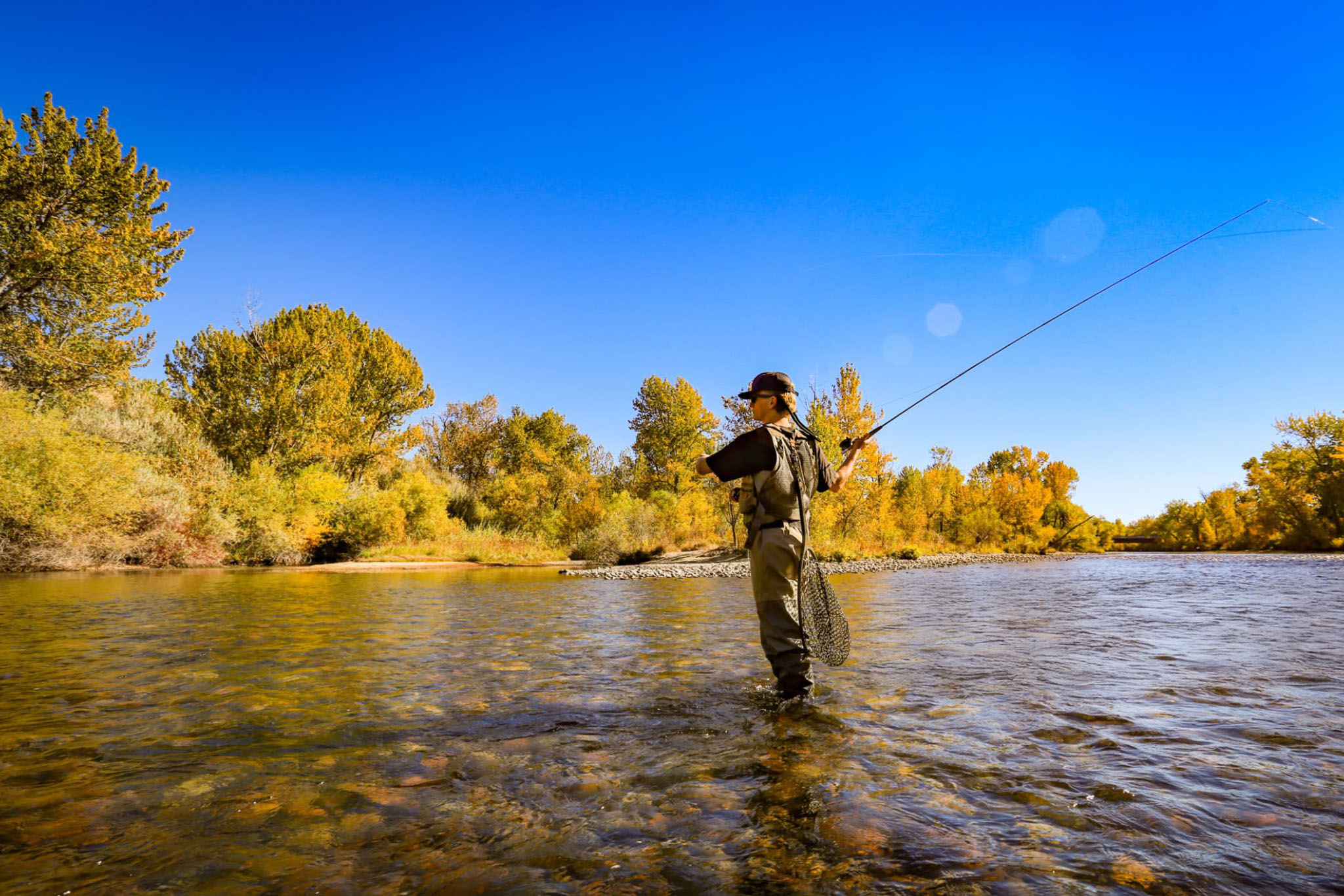
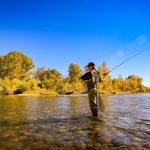
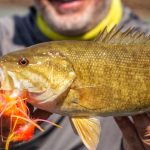


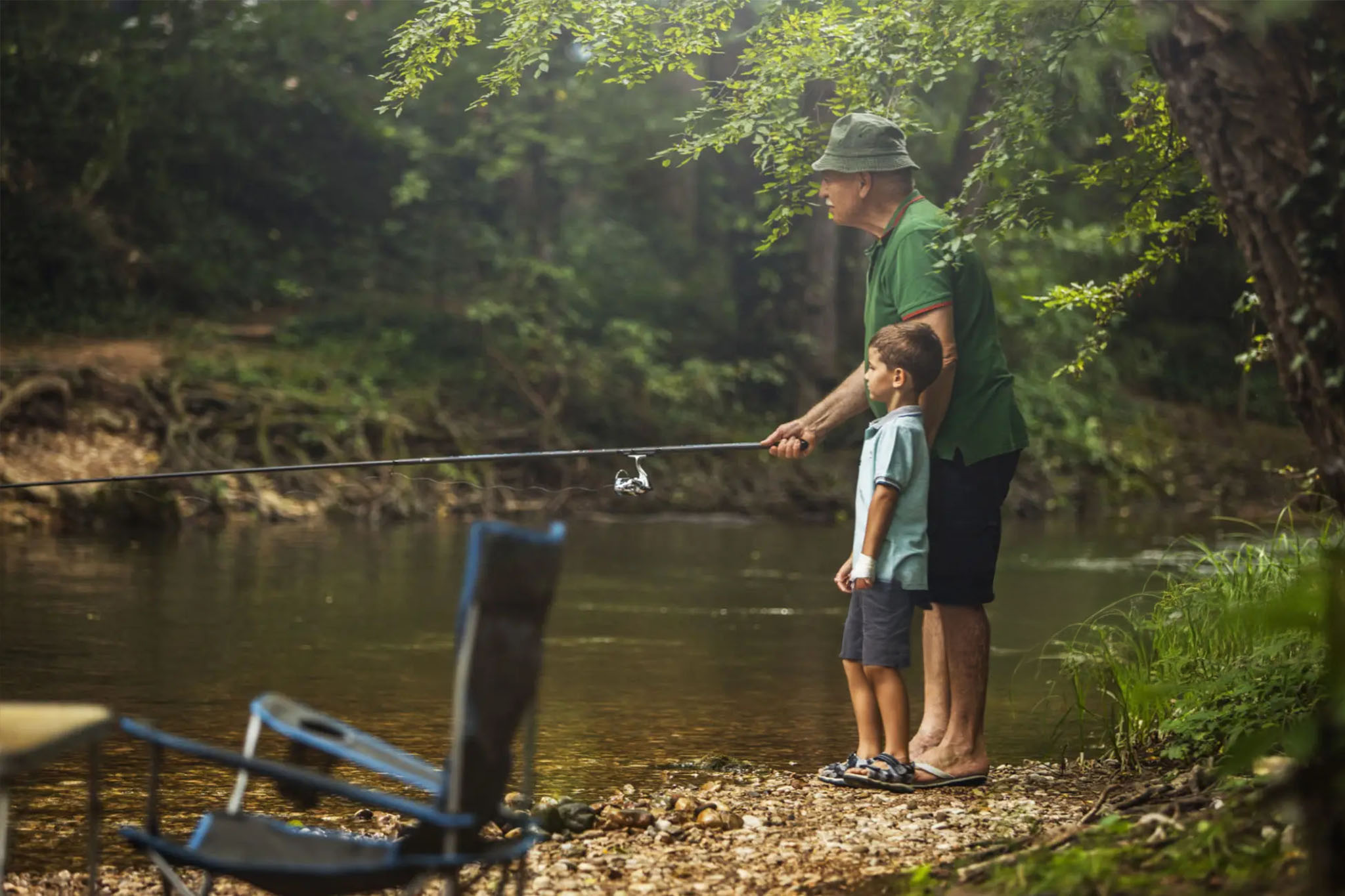
September is a transitional month for rivers across the United States. As summer heat begins to fade and water temperatures cool, both trout and smallmouth bass shift their behavior, adjusting to the changing currents, water levels, and food sources. For anglers, understanding how to read these changes is the key to unlocking consistent action. Whether you’re drifting flies for trout or casting lures for bronzebacks, learning to interpret current seams, eddies, and flow patterns in early fall will dramatically improve your success.
Why September Rivers Are Different
By September, rivers experience a variety of changes:
- Cooling Water Temperatures – Trout become more active as oxygen levels rise, while smallmouth feed aggressively in preparation for winter.
- Variable Flows – Late summer droughts or early fall rains can create shifting water conditions, from low, clear streams to swollen, fast-moving rivers.
- Baitfish and Insect Movement – Minnows, crayfish, and late-season hatches concentrate around current breaks, drawing predators in.
These conditions make rivers highly dynamic, but also highly rewarding if you know how to read them.
Reading Currents for Trout
Trout are classic current-oriented fish, using flow to their advantage. In September, you’ll often find them in areas where they can conserve energy while having access to food.
- Seams: Look for the subtle line where fast current meets slower water. Trout hold just off the seam, darting into faster flow to intercept drifting insects.
- Tailouts and Riffles: Cooler September temperatures allow trout to move back into shallow riffles and tailouts, where aquatic insect activity is high.
- Undercut Banks: Low water often exposes undercut banks, offering both shade and protection. Trout tuck themselves tight against these edges.
Best Baits and Flies for Trout
- Dry Flies: Blue-winged olives, caddis, and terrestrials like ants are common in September.
- Nymphs: Small mayfly and stonefly patterns drifted through seams remain deadly.
- Streamers: Early fall trout respond well to small baitfish patterns worked through deeper runs.
Reading Currents for Smallmouth
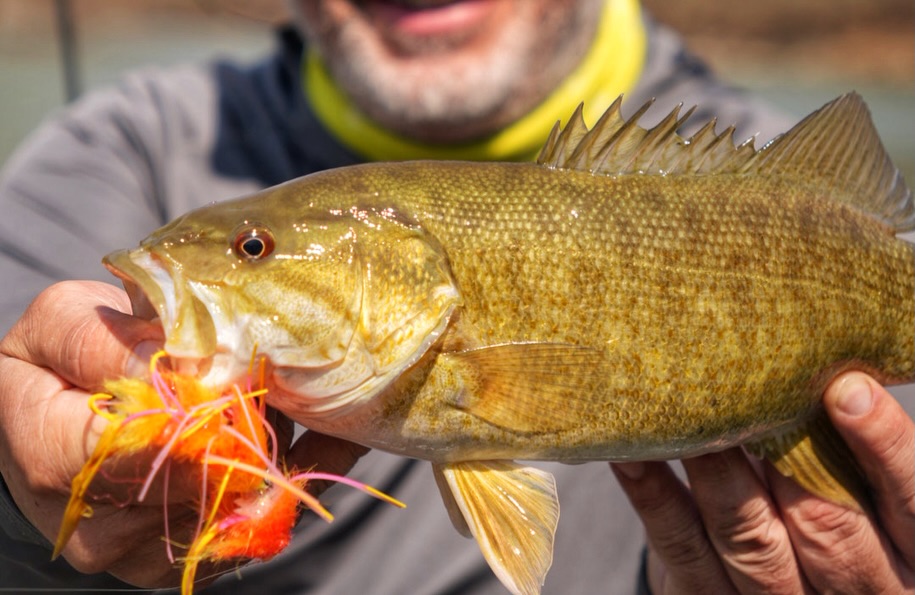
Smallmouth bass are also highly current-oriented but feed more aggressively in early fall. They position themselves where they can ambush baitfish, crayfish, or insects.
- Eddies: Behind boulders and logjams, smallmouth wait for disoriented prey swept along by the current.
- Current Breaks: Points where swift water collides with slower pools are prime ambush zones.
- Gravel Flats and Shoals: As water cools, smallmouth hunt in shallower runs, often schooling up around structure.
Best Lures for September Smallmouth
- Topwater Baits: Walking baits, poppers, and prop lures produce explosive strikes in low-light conditions.
- Crankbaits and Jerkbaits: These mimic baitfish moving along seams and current breaks.
- Soft Plastics: Tubes, craws, and swimbaits fished along rocky structure are excellent choices.
Seasonal Timing and Strategy
- Morning and Evening Windows: Cooler air temps make dawn and dusk prime feeding times for both trout and smallmouth.
- Overcast Days: Cloud cover can extend activity throughout the day, especially for trout.
- Adjusting to Water Levels: In low, clear water, scale down tackle and presentations. In higher flows, use heavier baits and flies to stay in the strike zone.
Final Thoughts
River fishing in September rewards anglers who take the time to read currents and understand fish positioning. Trout often tuck into seams, riffles, and undercuts, while smallmouth prowl eddies, current breaks, and shoals. With the right approach—matching the hatch for trout and imitating baitfish or crayfish for smallmouth—you can turn early fall rivers into some of the most exciting fisheries of the year.
Whether you’re wading a mountain stream or floating a wide Midwestern river, September is the perfect time to sharpen your current-reading skills and connect with hard-fighting trout and smallmouth.