For much of the summer, walleye can be notoriously tough to pattern. They spend hot months in deep, cooler water, hugging the thermocline or hanging near offshore structures. But when September arrives, everything begins to change. Cooling nights, shorter days, and shifting forage movements spark a major transition. Early fall marks the beginning of a predictable pattern where walleyes slide back into shallower zones, giving anglers some of the most rewarding fishing of the season.
Why Walleyes Leave the Deep
1. Cooling Water Temperatures
Through July and August, walleyes prefer depths of 20–40 feet where temperatures and oxygen levels are stable. But as surface waters cool in early fall, oxygen levels balance across the water column. Suddenly, shallower water is comfortable again, and walleyes take advantage.
2. Baitfish Migrations
Perch, shiners, and shad—staples of the walleye diet—move into shallower bays, flats, and river mouths as water temperatures fall. Walleyes follow them, shifting their feeding behavior closer to shorelines and mid-depth structures.
3. Pre-Winter Feeding Instinct
Walleyes know leaner winter conditions are coming. Early fall kicks off a feeding frenzy, where they pack on calories to prepare for colder months. Unlike in summer, when they may feed at night or sporadically, September fish often feed more aggressively during daylight hours.
Key Locations to Target in Early Fall
- Shallow Flats (6–15 feet): Especially those adjacent to deeper basins where walleyes spent summer. Fish move up during low-light periods to hunt baitfish.
- Wind-Blown Shorelines and Points: Wind pushes forage into these zones, creating predictable feeding grounds.
- River Mouths and Current Areas: Oxygen-rich water and migrating bait make these spots prime.
- Rocky Reefs and Humps: Structure that tops out in mid-depth ranges attracts both bait and walleyes in September.
- Vegetation Edges: As weeds begin to die back, remaining green cover draws both forage and predators.
Best Early Fall Presentations
1. Jigging
- Use 1/8 to 3/8 oz jigs tipped with minnows, soft plastics, or worms.
- Vertical jigging works well on humps and reefs.
- Snap-jigging across flats can trigger reaction strikes from aggressive fish.
2. Crankbaits
- Shallow-running crankbaits are deadly in September.
- Cast along wind-blown points or troll shorelines in 6–12 feet of water.
- Match colors to forage—silver, perch, and firetiger are go-to patterns.
3. Live Bait Rigs
- Minnows dominate in early fall, often outperforming leeches or crawlers.
- Slip-bobber rigs or Lindy-style live bait rigs are effective along weedlines and rocky breaks.
4. Blade Baits and Jigging Spoons
- Great for when walleyes are aggressively feeding on schools of shad or perch.
- Use sharp vertical lifts and drops to mimic injured baitfish.
Timing the Bite
- Morning and Evening Peaks: Walleyes move shallow in low light to ambush prey.
- Overcast Days: Cloud cover often extends feeding windows, keeping walleyes active longer in the shallows.
- Windy Conditions: Don’t fight the wind—fish wind-blown shorelines where baitfish pile up.
Gear Tips for Early Fall Walleye Fishing
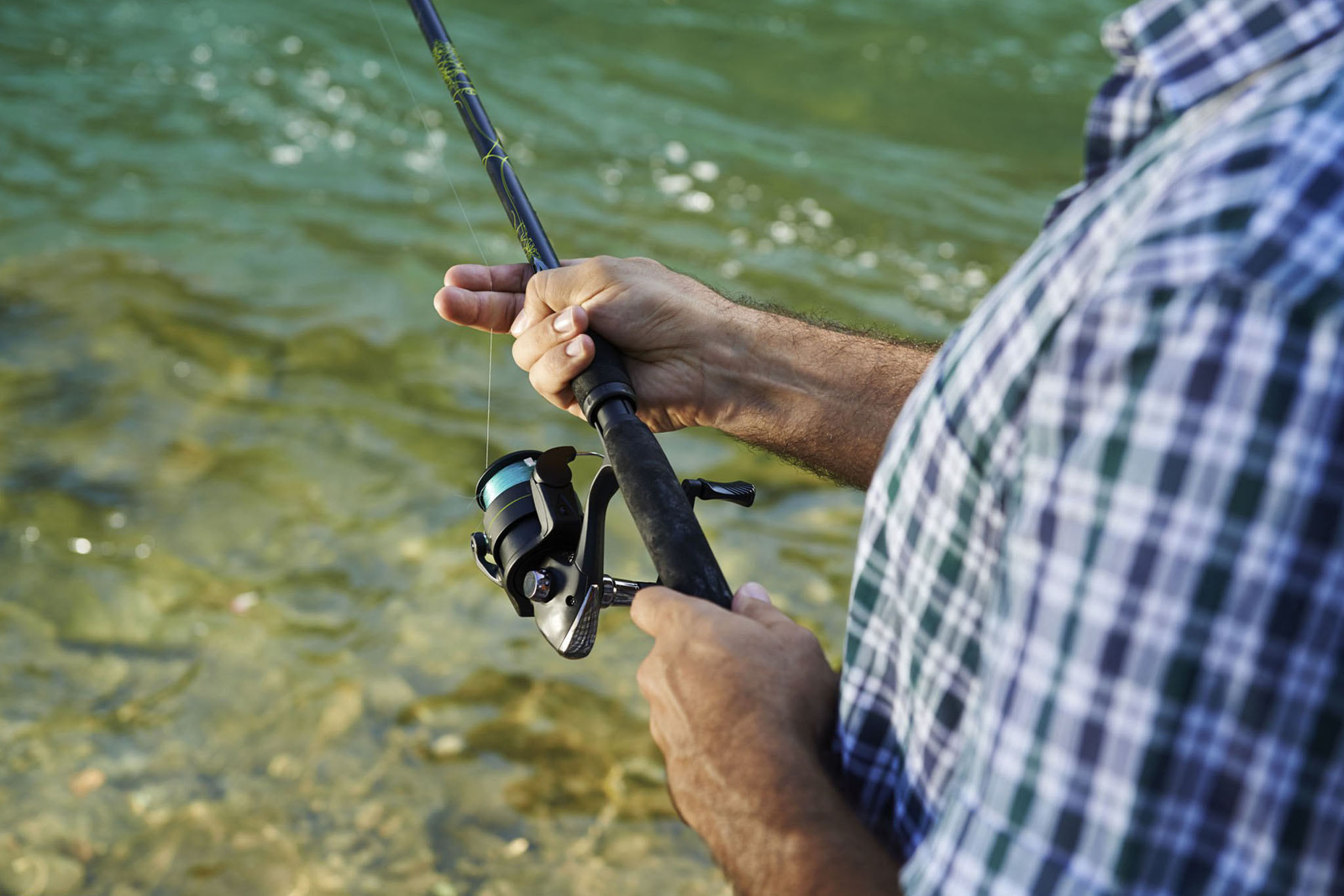
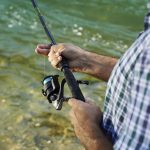
- Rods: Medium-light spinning rods (6’6”–7’) give sensitivity for jigging and rigging.
- Line: 6–10 lb braid with a fluorocarbon leader provides strength and stealth.
- Electronics: Side imaging helps locate bait schools and scattered fish along shallow structures.
Common Mistakes to Avoid
- Fishing Too Deep: Many anglers stay in summer patterns too long. By September, walleyes are often shallower than expected.
- Ignoring the Wind: Flat calm conditions can make fish lethargic, while wind-driven water almost always improves your chances.
- Using the Wrong Bait: Switch to minnows early in fall; they consistently outperform other live bait as water cools.
Why Early Fall is Special for Walleye Anglers
Unlike mid-summer when walleyes can be scattered and finicky, September brings them into predictable zones with aggressive feeding behavior. Anglers willing to adjust tactics—from deep basin trolling to shallow shoreline cranking—can find steady action and some of the biggest fish of the year.
Final Thoughts
Walleye fishing in early fall is all about transition—from deep, oxygen-rich summer haunts to shallow, bait-filled feeding grounds. By understanding this seasonal movement and adjusting your presentations, you’ll be ready to capitalize on one of the most productive times of year. Whether you’re jigging shallow reefs, trolling crankbaits along windy points, or drifting minnows across flats, September rewards anglers who follow the forage and think shallow.