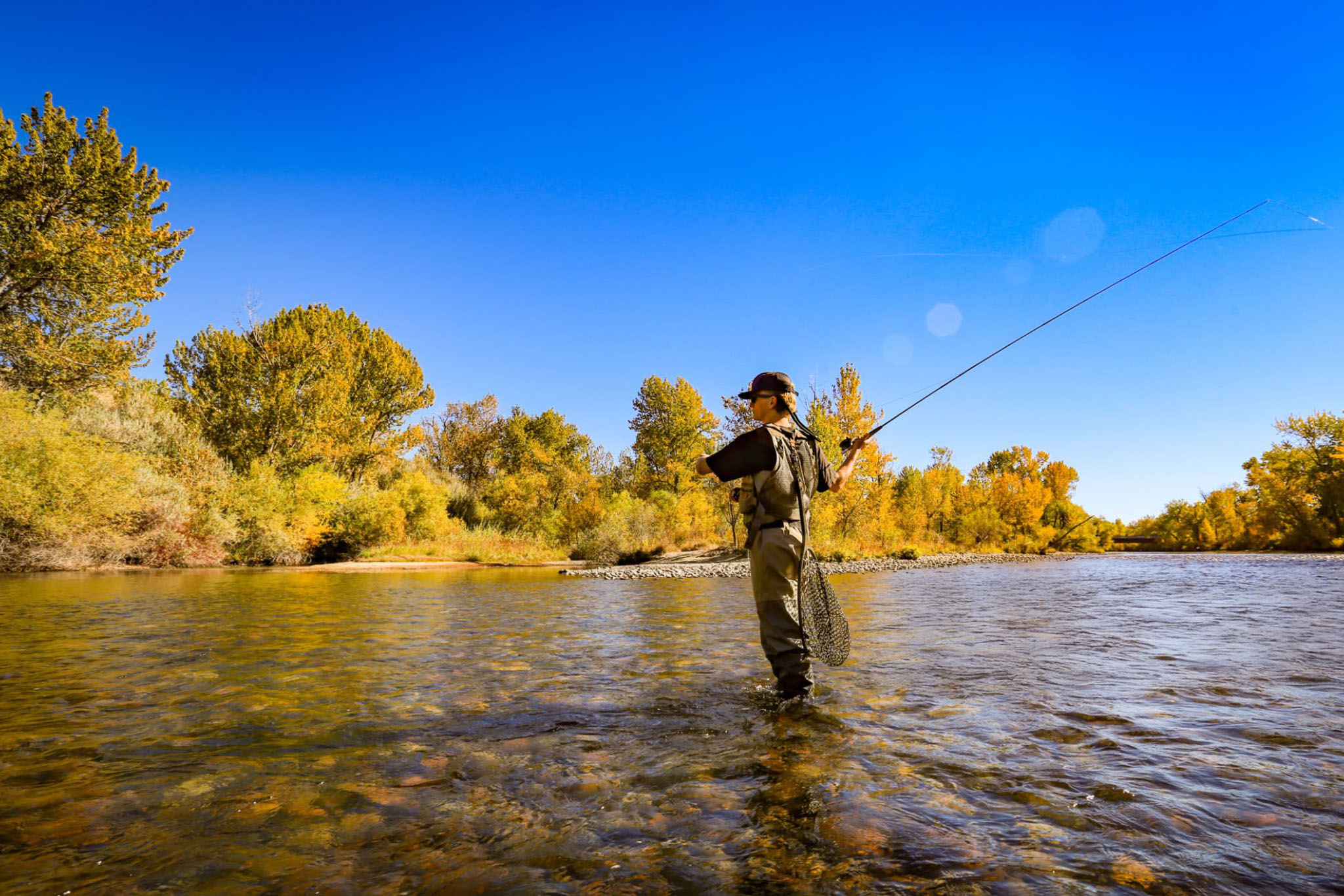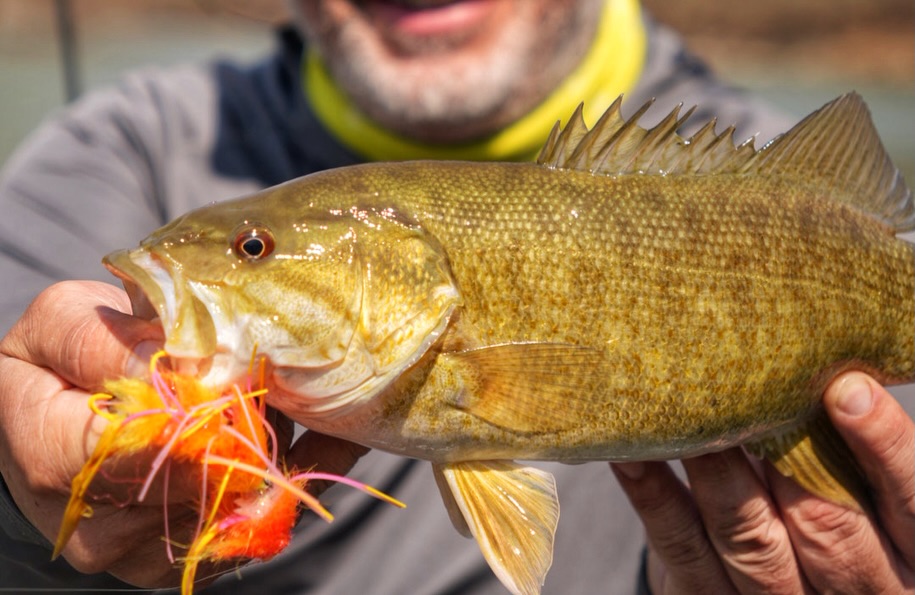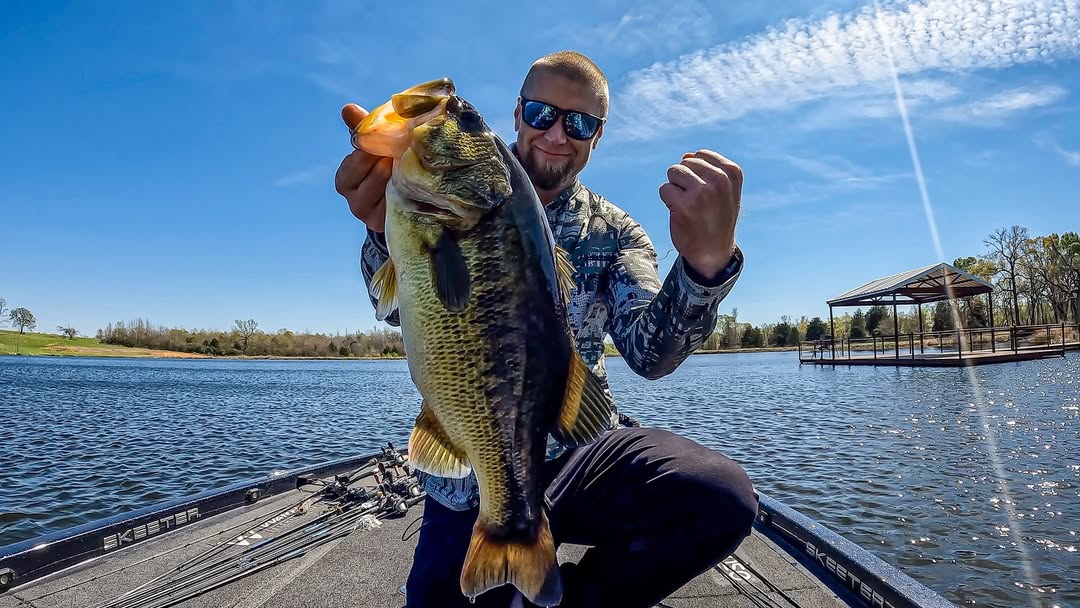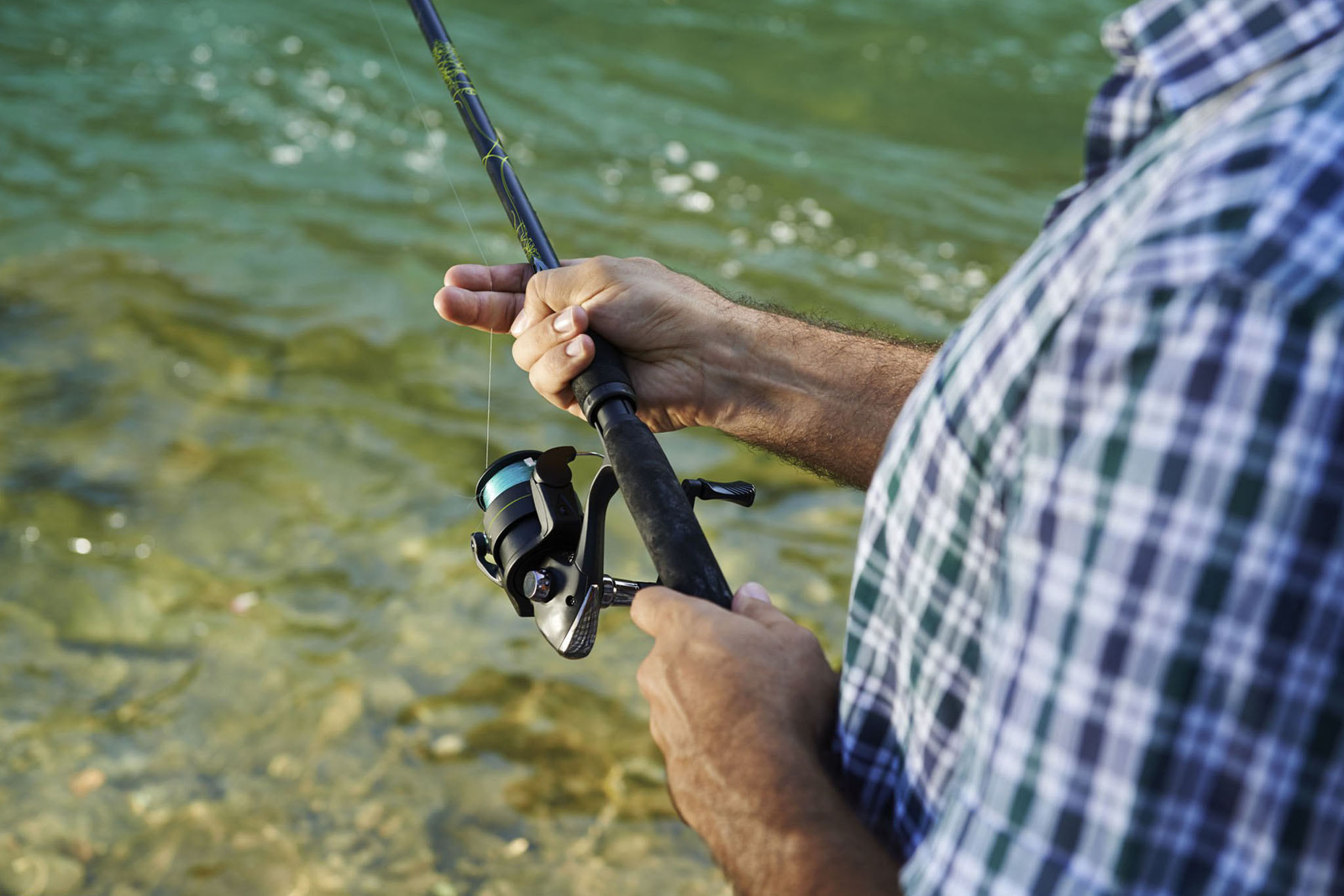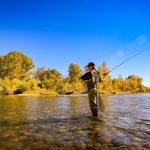
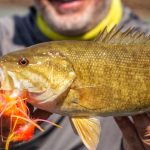
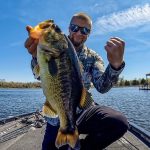
As summer fades and early fall approaches, anglers across the U.S. start noticing a shift in fish behavior. Water temperatures drop, daylight hours shorten, and fish begin moving from summer feeding areas toward fall staging zones. Understanding how to adjust your lures and techniques for rivers and lakes during this transition can make the difference between a slow day on the water and a trophy catch.
Understanding Fish Behavior in Early Fall
During late summer and early fall, many species such as bass, walleye, crappie, and trout change their feeding habits:
- Bass: Move from shallow summer cover to slightly deeper water near points, submerged structure, and river bends.
- Trout: Begin focusing on cooler water areas in rivers and the deeper sections of lakes.
- Crappie and Panfish: Shift toward creek channels, submerged brush, and near docks as water cools.
- Walleye and Pike: Start moving into transition zones between shallow summer beds and deeper fall staging areas.
These behavioral shifts make lure selection and presentation critical. Failing to adjust your approach often leads to missed opportunities during the peak transition period.
Lure Adjustments for Rivers
Rivers require current awareness and lure selection tailored to flow patterns:
- Crankbaits and Jerkbaits
- Ideal for rivers with deeper pools and moderate current.
- Use suspending jerkbaits to target fish holding in eddies.
- Crankbaits with natural finishes work well during early-fall clear-water conditions.
- Soft Plastics
- Worms, creature baits, and swimbaits excel in slower current areas.
- Rigging Texas or Carolina style helps maintain bottom contact near structure.
- Spinnerbaits and Spoons
- Effective in riffles and near current seams where fish ambush prey.
- Bright or metallic finishes catch attention as sunlight angles shift in fall.
Lure Adjustments for Lakes
In lakes, fish often move from shallow flats to mid-depth ledges or deeper structures during early fall:
- Topwater Lures
- Early mornings and late afternoons remain productive for aggressive bass or pike.
- Walk-the-dog style lures imitate fleeing baitfish, triggering explosive strikes.
- Jigs and Soft Plastics
- Drop-shot rigs, football jigs, or tube jigs work well around submerged rocks or vegetation.
- Darker colors like black, green pumpkin, or brown mimic natural forage in cooler water.
- Crankbaits and Lipless Crankbaits
- Excellent for covering water quickly and locating active fish.
- Target transitional areas like points, humps, and creek channels.
Tips for Success During Water Transitions
- Follow the Baitfish
- Fish movements often mirror baitfish schools. Observe shad, minnows, or insects in rivers and lakes.
- Adjust Retrieve Speed
- Cooler water slows fish metabolism. Try slower, more deliberate retrieves to entice bites.
- Focus on Structure and Cover
- Points, drop-offs, submerged logs, and river bends concentrate fish during seasonal transitions.
- Watch Water Clarity
- As fall rains stir rivers and lakes, switch to brighter lures in murky water or more natural tones in clear water.
Seasonal Timing
- Early September: Fish are still scattered, often feeding near remaining summer cover.
- Mid to Late September: Fish start staging in predictable transition zones, making location scouting essential.
- Morning and Evening: Low-light periods remain highly productive as fish adjust to changing temperatures.
Final Thoughts
Early fall is one of the most dynamic and productive times to fish both rivers and lakes. By understanding transition behaviors, adjusting lures, and reading structure, anglers can stay ahead of fish as they move from summer patterns to fall routines. With the right approach, these early-fall days can deliver some of the most exciting and rewarding fishing of the year.