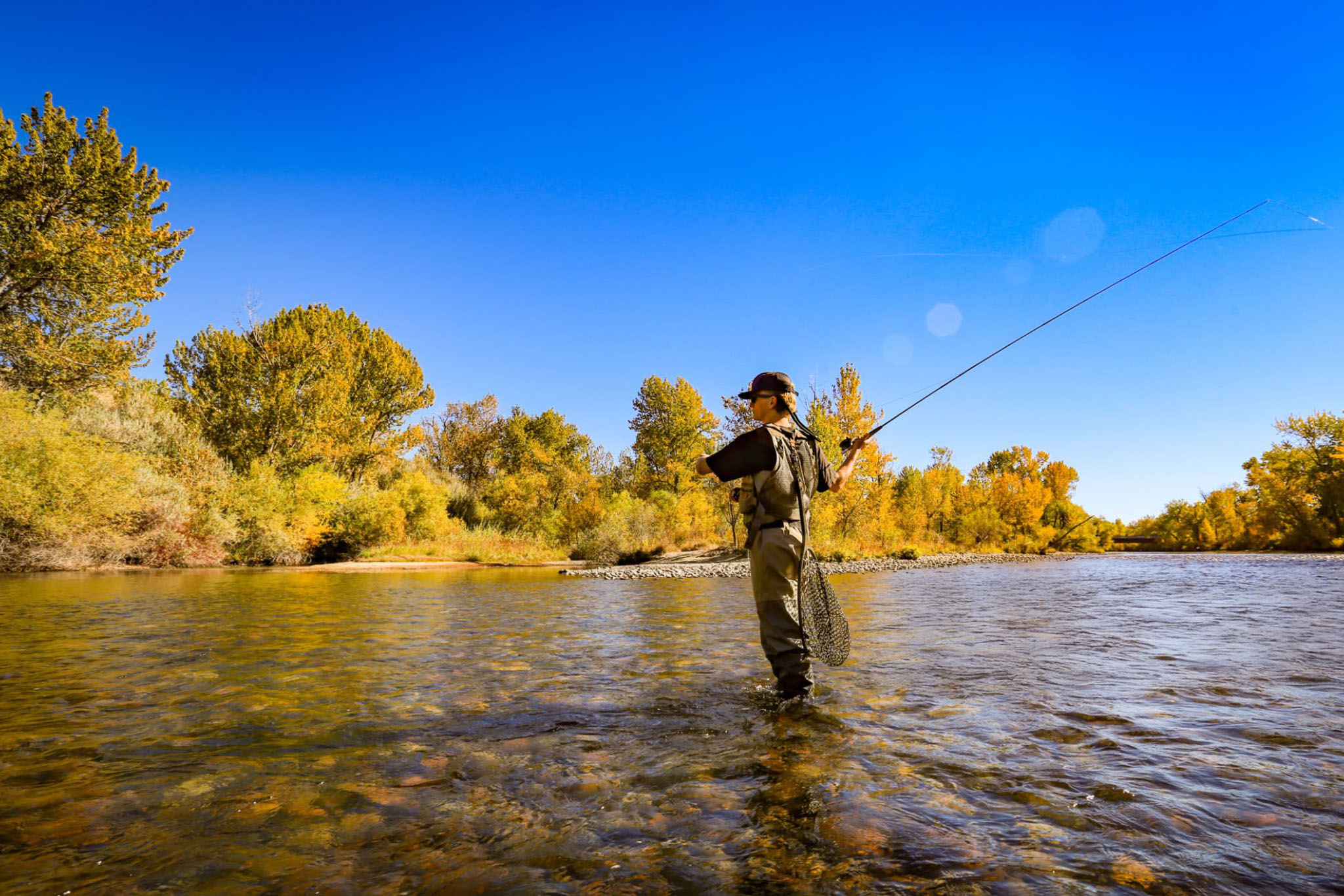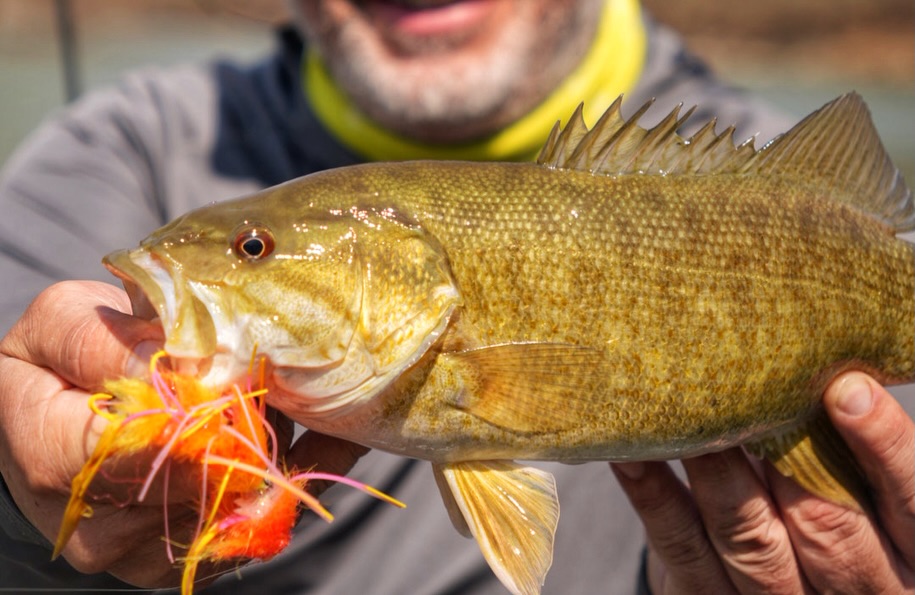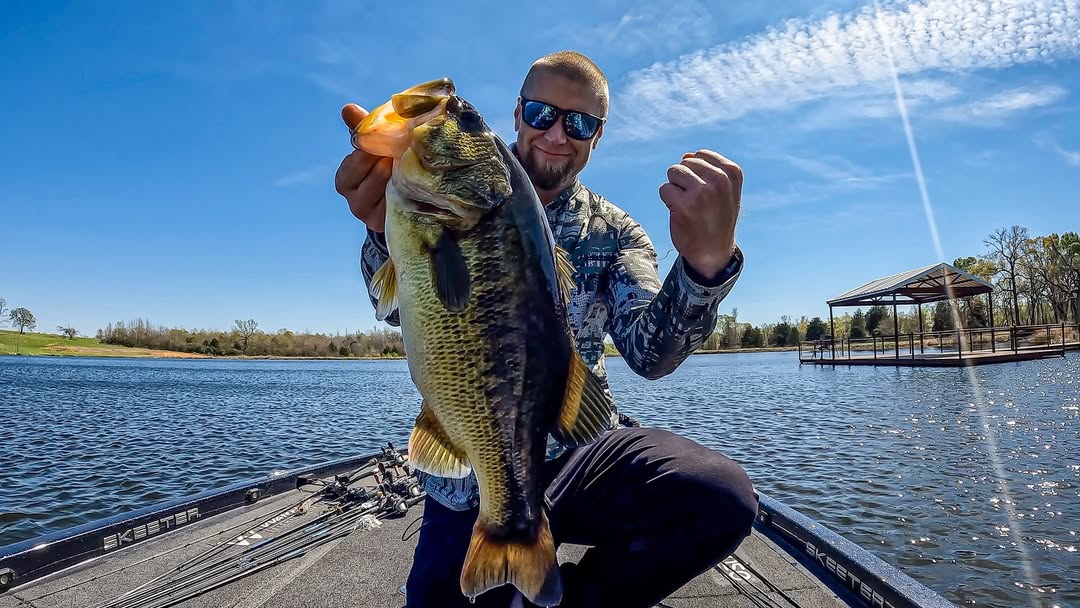
Early fall is one of the most exciting times of the year for anglers. As summer heat breaks and cooler nights begin to settle in, fish shift out of their sluggish late-summer routines and start preparing for the colder months ahead. For fishermen, that means fresh opportunities—but also new challenges. Fish are on the move, forage species are transitioning, and water conditions are in flux.
To stay ahead of the bite, you need to learn the art of reading water in transition. The ability to spot productive zones during this seasonal change is what separates casual outings from banner days on the water.
Why Early Fall Transition Matters
During September and early October, many waters across the U.S. experience significant changes:
- Cooling surface temperatures push fish out of their deep summer haunts.
- Baitfish migrations bring schools of shad, herring, or minnows into shallower areas.
- Mixing water columns caused by wind and cooling nights create new oxygen-rich layers.
The key for anglers is to understand that fish don’t move randomly. They follow predictable patterns tied to structure, forage, and water conditions. Reading these signals allows you to consistently find fish.
Step One: Watch the Forage
In early fall, forage tells you almost everything you need to know. Shad, bluegill, and other baitfish begin grouping up and moving into creeks, coves, and shallow flats. Look for signs like:
- Surface flickers or dimples from bait schools.
- Bird activity—gulls, terns, or herons will follow the forage.
- Chasing predators—occasional splashes or busting fish are giveaways.
Where bait goes, predators follow. If you find healthy bait schools, you’re already halfway to your target.
Step Two: Identify Key Transition Zones
Fish don’t move straight from deep summer haunts to shallow banks—they use in-between zones. Productive early fall waters often include:
1. Creek Mouths and Points
Bass, walleye, and other predators funnel into creeks chasing bait. Points at creek mouths act as ambush spots where fish pin prey.
2. Channel Edges
Rivers and reservoirs often hold fish along channel breaks where depth shifts quickly. These edges offer both quick access to deeper water and feeding lanes.
3. Mid-Depth Flats
As water temps stabilize, many gamefish slide onto 6–12 foot flats near cover. Look for submerged grass, stumps, or rock piles.
4. Current Seams
In rivers, early fall flows can be inconsistent. Productive fish often stage in current seams—those invisible lines where fast water meets slack water—waiting for food to drift by.
Step Three: Factor in Water Conditions
Beyond location, anglers must consider water clarity, temperature, and oxygen levels.
- Clear water: Fish tend to hold deeper or near structure; finesse baits shine.
- Stained water: Predators roam more freely—crankbaits, spinnerbaits, and moving baits excel.
- Cooler nights: Push oxygen-rich water into shallows, drawing in bait and gamefish during morning and evening.
Lures and Presentations for Transition Water
Once you’ve identified productive zones, match your tactics to the situation:
- Crankbaits & Lipless Baits: Cover water quickly and imitate baitfish schools.
- Topwater Walkers & Poppers: Work early mornings and evenings when fish push shallow.
- Swimbaits & Jerkbaits: Ideal for imitating shad and targeting suspended fish.
- Jigs & Plastics: Perfect for picking apart structure when fish hold tight.
The goal is to match forage while maintaining enough versatility to adjust as fish move throughout the day.
Angler’s Edge: Reading Subtle Clues
The best anglers train themselves to notice small changes others miss:
- A slick line of calm water on a breezy day may indicate a current seam.
- Slight color changes in the water can signal depth shifts or bottom transitions.
- Occasional swirls or nervous bait near the surface often betray predators lurking below.
These micro-signs often reveal hidden hotspots that casual fishermen overlook.
Final Thoughts
Early fall is a time of movement, opportunity, and high reward for anglers who know how to read the water. By following forage, identifying transition zones, and adjusting tactics based on water conditions, you can stay on top of shifting fish patterns and enjoy some of the most action-packed fishing of the year.
Remember: productive water isn’t always obvious—it’s often the subtle edges, hidden transitions, and bait-driven areas that make all the difference. Sharpen your ability to read these cues, and you’ll crank up success in early fall every time you hit the water.