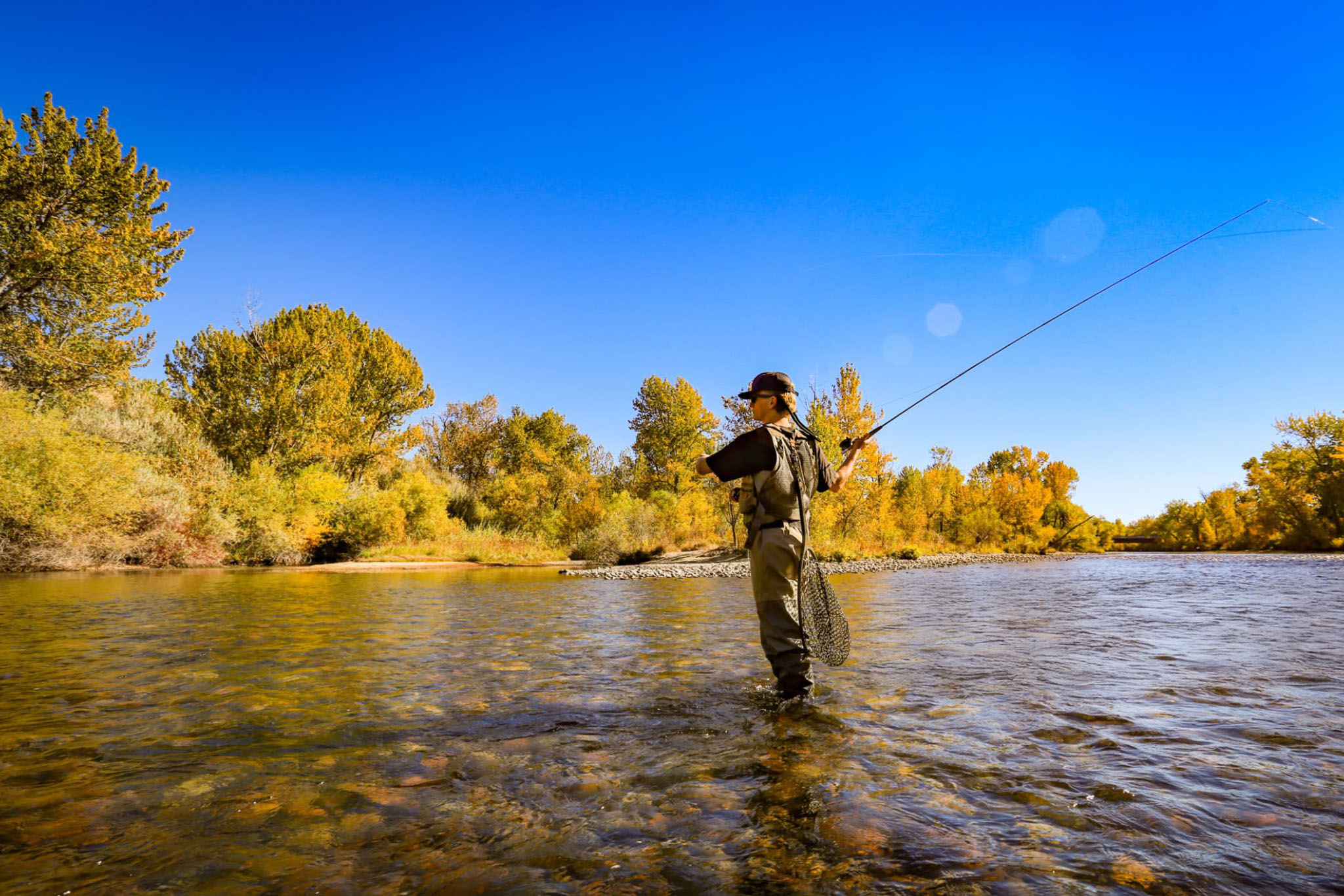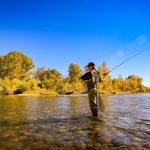
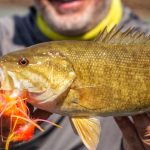
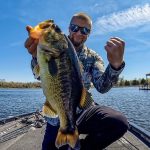
As summer fades and the first signs of autumn begin to appear, September becomes a pivotal month for fly anglers. Days grow shorter, nights cool down, and rivers, streams, and lakes enter a transition period that changes fish behavior. Trout, bass, and other freshwater species respond to these shifts by feeding more aggressively, but success often comes down to small adjustments in your approach.
From tweaking fly patterns to fine-tuning presentation, September fishing rewards anglers who adapt. With the right strategies, minor changes can lead to big strikes and memorable days on the water.
Why September Fly Fishing is Unique
Early fall offers conditions unlike any other time of year:
- Cooling water temperatures bring trout and warmwater species out of their summer lethargy.
- Insect hatches shift from heavy summer mayflies to lighter fall caddis, midges, and terrestrials.
- Forage expands as grasshoppers, ants, and beetles fall into rivers, becoming high-value meals.
- Fish feed heavily to build reserves before winter, often showing more aggression than in August.
This combination makes September a month where thoughtful changes in your fly box, rigging, and timing can pay off dramatically.
Small Changes That Make a Big Difference
1. Downsizing Tippet and Leaders
Clearer, cooler water often means warier fish. Dropping from 4X to 5X or even 6X fluorocarbon can dramatically increase your chances of fooling trout. For warmwater fly fishing, a lighter fluorocarbon leader can make streamers appear more natural.
2. Matching Fall Hatches
September doesn’t usually bring blanket mayfly hatches, but smaller, consistent events can keep fish keyed in. Pay attention to:
- Blue-Winged Olives (BWOs): Often hatch on overcast days.
- Tricos: Still around in early September, especially in mornings.
- Caddis: Evening caddis hatches remain reliable through mid-September.
- Midges: Tiny midges can turn finicky trout into selective feeders.
Switching from a #14 to a #20 pattern might be the difference between refusals and hook-ups.
3. Terrestrials on the Menu
September remains prime time for terrestrials. Grasshoppers, ants, and beetles get blown into streams by fall breezes. A small black ant pattern or foam hopper drifted tight to undercut banks can produce explosive strikes.
Pro tip: Even when hatches are light, fish can’t resist a well-presented hopper-dropper rig this time of year.
4. Changing Retrieval Speed
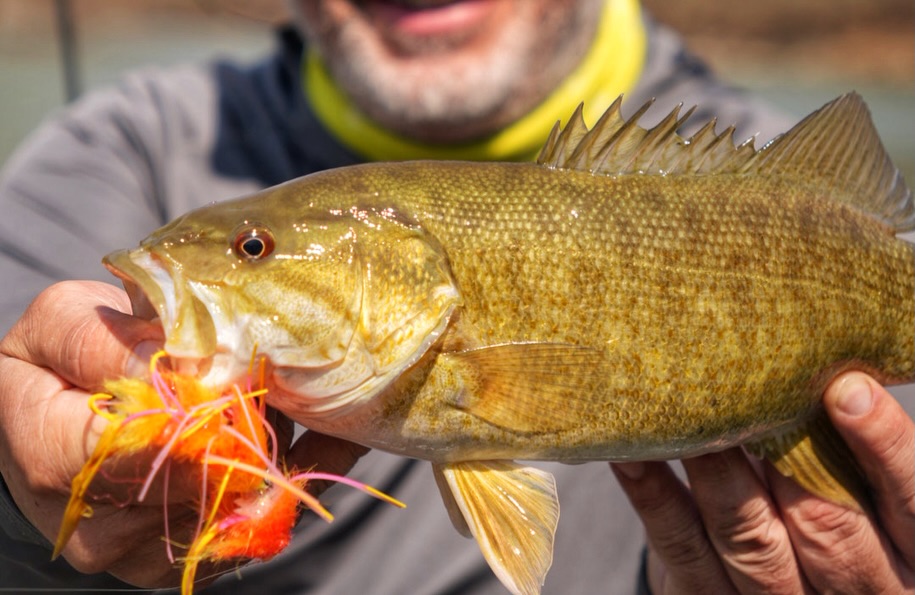
For warmwater species like smallmouth bass, adjusting your streamer retrieve is key. A slower strip mimics lethargic baitfish in cooler water, while quick, erratic strips can trigger predatory strikes when fish are aggressive. Test different speeds until you find what draws strikes.
5. Fishing the “Magic Hours”
September sunlight can be harsh mid-day, but dawn and dusk come alive. Early mornings bring fish chasing emerging insects, while evenings often produce steady caddis or midge activity. Planning your outings around low-light conditions maximizes your odds.
6. Covering More Water
As fish move to follow shifting food sources, staying mobile is essential. Instead of camping on one pool, try working upstream methodically. Small changes in location often reveal surprisingly active fish.
Top September Fly Patterns
Every angler should keep these in the fly box for September success:
- Parachute Adams (#18–20): A versatile BWO or general mayfly imitation.
- Elk Hair Caddis (#14–16): Deadly during evening caddis activity.
- Griffith’s Gnat (#20–22): Perfect for stubborn midge eaters.
- Foam Hopper (#10–12): Big terrestrial profile that tempts trout and bass.
- Woolly Bugger (olive or black, #8–10): Effective for both trout and warmwater species as forage moves.
Reading the Water in September
- Trout Streams: Look for riffles and tailouts where oxygen is higher and insects concentrate.
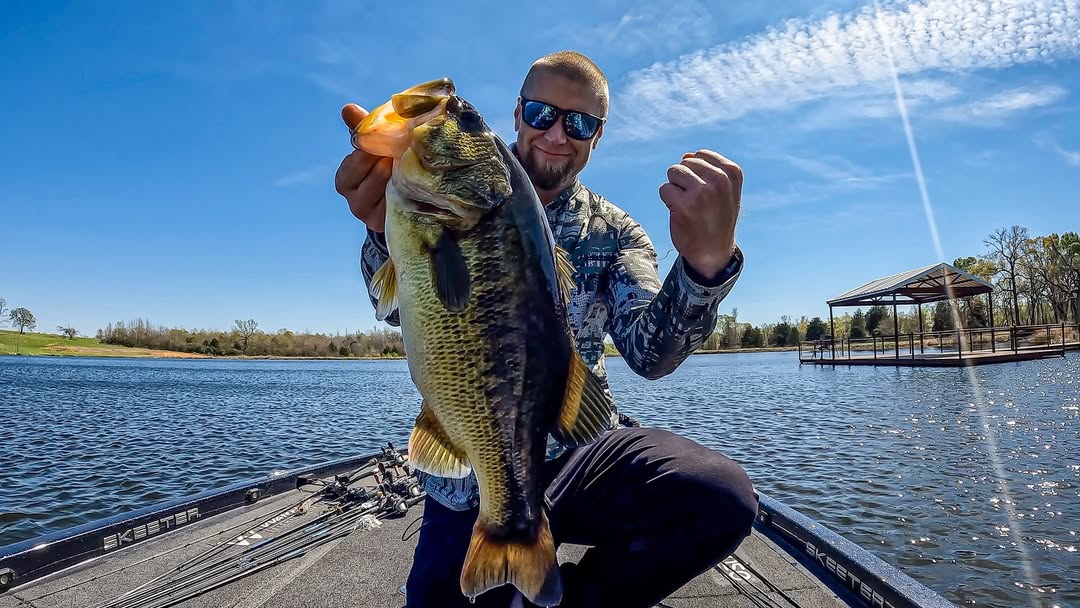
- Lakes and Ponds: Target shallow flats in the morning, then shift to deeper drop-offs as the sun rises.
- Smallmouth Rivers: Focus on rocky runs, ledges, and current seams where fish ambush minnows.
Gear Considerations
- Rods: A 4- or 5-weight is ideal for trout, while a 6- or 7-weight works for bass and larger rivers.
- Lines: Floating lines handle most situations, but a sink-tip line is invaluable for streamer fishing in deeper runs.
- Clothing: September mornings can be chilly while afternoons remain warm. Layer up to stay comfortable.
Final Thoughts
September is all about adaptability. Fish sense the seasonal changes and begin feeding with urgency, but they can be selective depending on the day. The anglers who make small adjustments — lighter tippet, smaller flies, varied presentations — often see the biggest results.
By paying attention to subtle shifts in water temperature, insect activity, and fish behavior, you’ll set yourself up for more hookups, more memorable fights, and more confidence heading into the fall season.