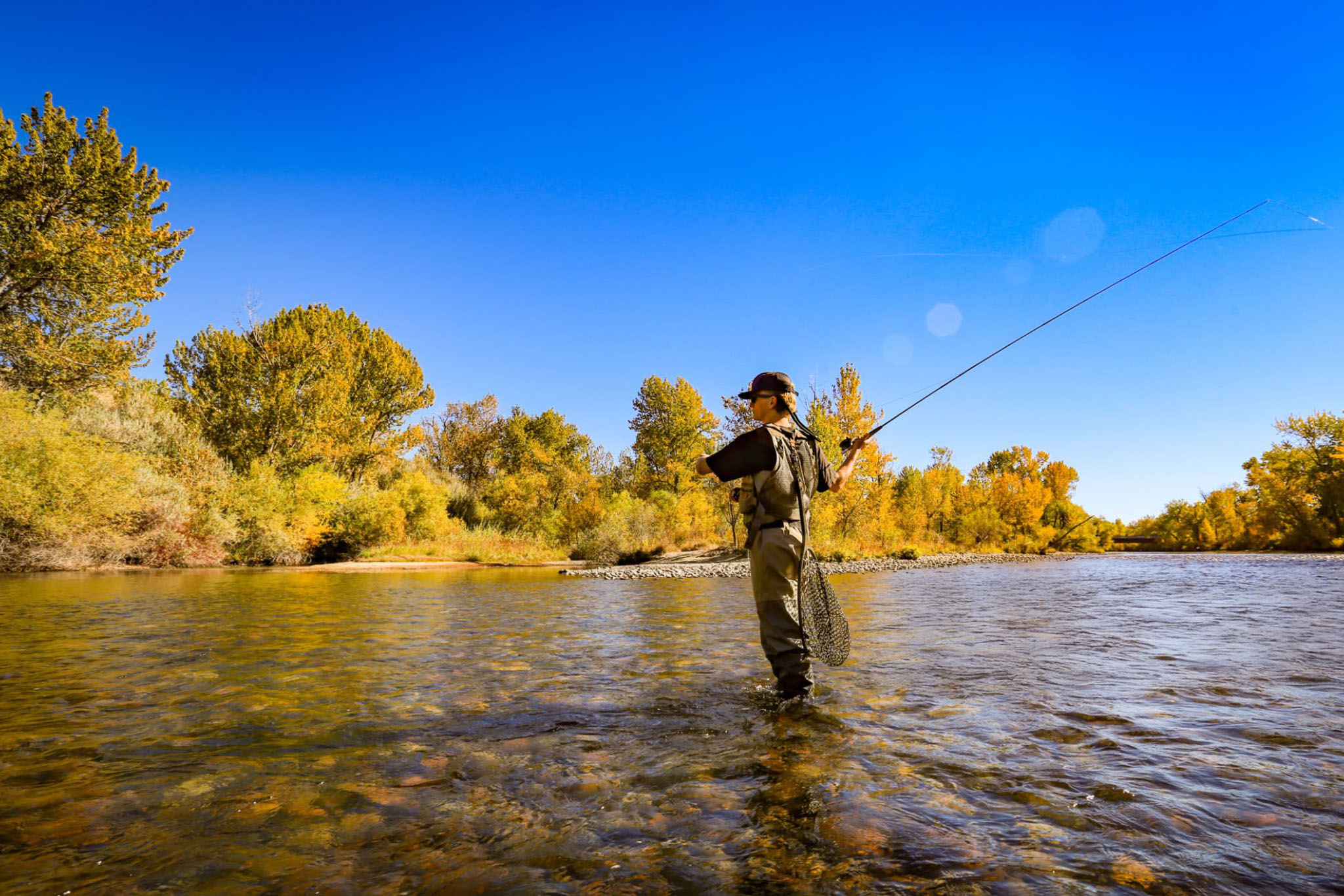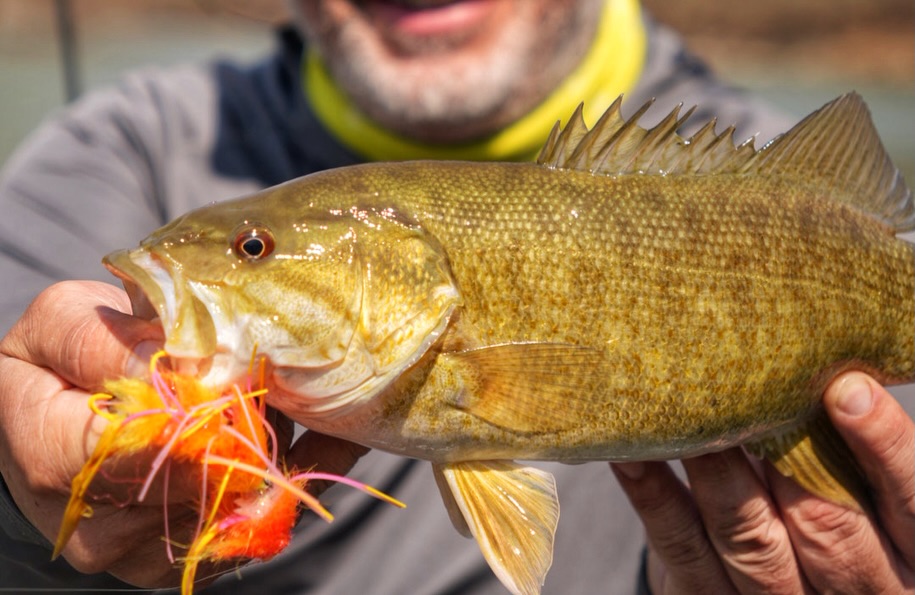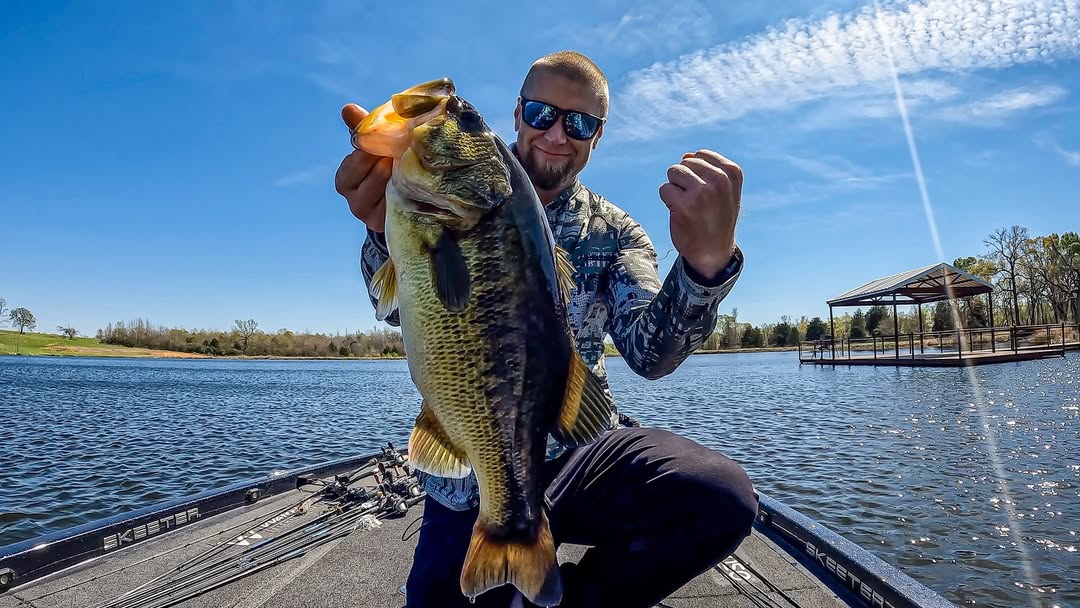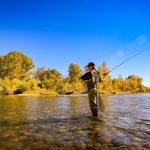
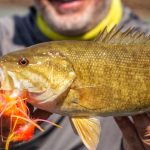

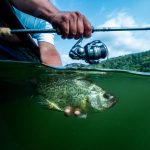

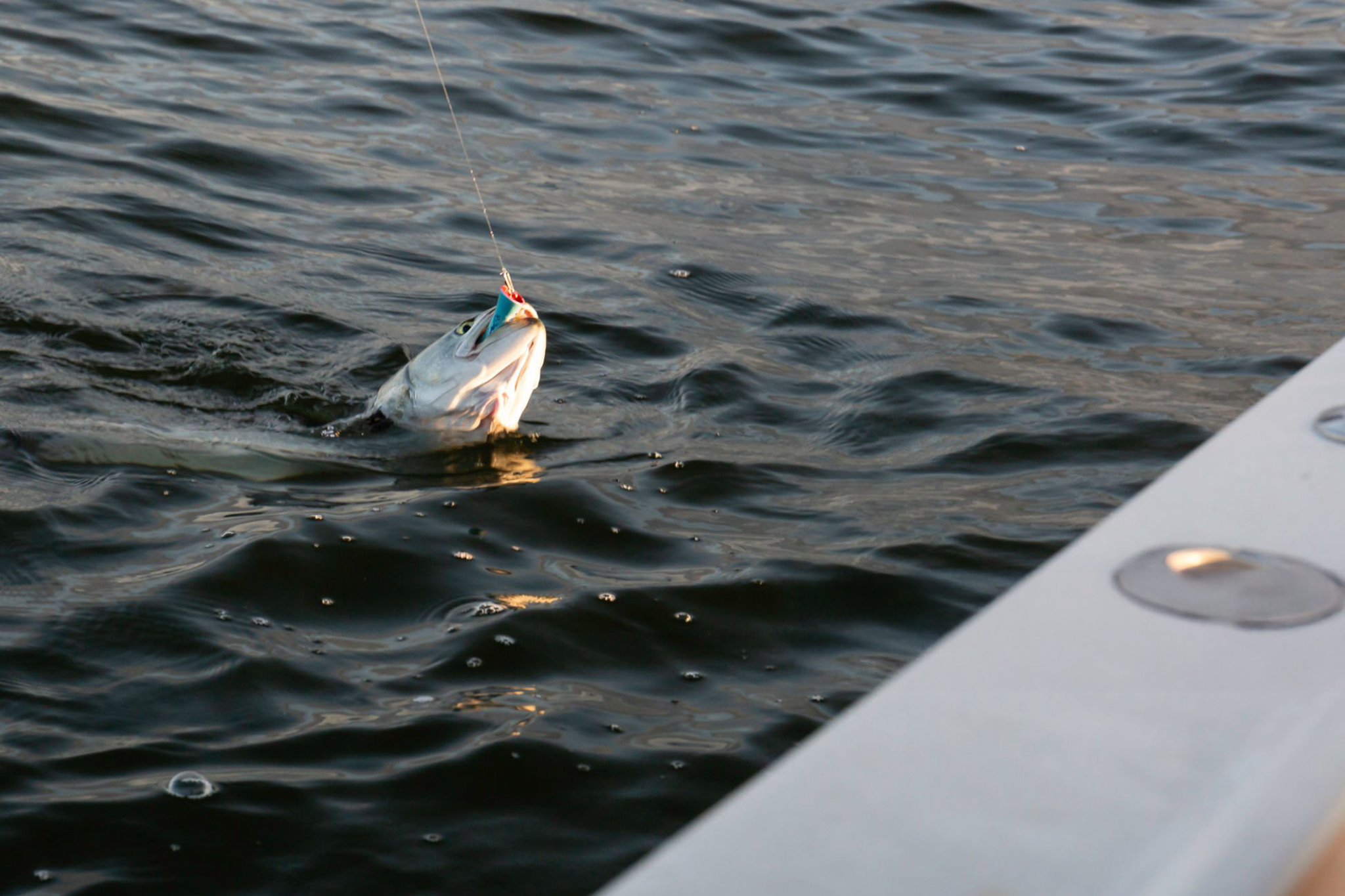
As the dog days of summer fade into the cooler nights of September, bass anglers across the country know it’s time for a shift. The drop in water temperature brings one of the most exciting transition periods of the year—a time when largemouth and smallmouth bass abandon their sluggish summer patterns and begin feeding aggressively in preparation for fall. If you want to consistently catch bass during this seasonal change, you need to understand where to find them and how to adjust your strategy.
Why September Is a Key Month for Bass Fishing
Throughout late summer, warm surface temperatures often drive bass deeper, making them harder to locate and less active. But as September arrives, cooler nights bring gradual changes:
- Surface temperatures drop into the 60s and 70s in many regions.
- Baitfish begin to move shallow into creeks, coves, and shoreline cover.
- Bass feeding activity spikes as they stock up before winter.
This transition creates opportunities for anglers who can identify where bass relocate during these shifting conditions.
Key Locations to Target Bass in September
1. Creek Channels and Secondary Points
As baitfish migrate into feeder creeks, bass follow. Focus on secondary points and bends along creek channels where bass can ambush schools of shad or minnows. Cast crankbaits or spinnerbaits along these natural funnels.
2. Shallow Flats Adjacent to Deep Water
Bass love areas where they can quickly move from feeding grounds to deeper holding water. In September, shallow flats near drop-offs are hotspots, especially during morning and evening. A topwater lure at dawn can be deadly in these zones.
3. Grass Edges and Weeds
As vegetation starts to thin with cooler temperatures, bass use weed lines as ambush cover. Work the edges with Texas-rigged soft plastics or chatterbaits. In lakes with milfoil or hydrilla, key in on transition edges where thick grass meets open water.
4. Rocky Banks and Riprap
Smallmouth bass especially favor rocky areas in September. Rocks absorb heat during sunny days and attract baitfish. Jigs, tubes, and crankbaits bounced along riprap can trigger aggressive strikes.
5. Bridges and Man-Made Structures
Bridges, docks, and submerged brush piles provide shade, cover, and ambush points. As bass roam in September, these structures can hold both resident fish and roaming feeders.
Lure Selection for September Bass
The transition period calls for a versatile arsenal. Some of the best September bass lures include:
- Topwaters (walking baits, poppers, buzzbaits) – Ideal for early morning or cloudy days when bass are actively feeding shallow.
- Squarebill crankbaits – Great for covering water and bouncing off cover in creeks and along shallow flats.
- Spinnerbaits and chatterbaits – Mimic shad and work well around grass edges.
- Soft plastics (worms, creature baits, flukes) – Perfect for slower presentations when bass are cautious.
- Jigs – A consistent producer around rocks, wood, and dock pilings.
Pro tip: Match your lure size and color to the forage. If shad are small, downsize your bait to better match the hatch.
Time of Day Considerations
- Morning: Low light and cooler water make bass aggressive in the shallows. Topwaters shine here.
- Afternoon: As the sun rises, bass often pull back slightly deeper. Use crankbaits or jigs along points and structure.
- Evening: Another prime feeding window. Fish return shallow, and spinnerbaits or buzzbaits can be highly effective.
Weather and Water Clarity
- Cold Fronts: A sudden drop in temperature can make bass sluggish. Slow down presentations with jigs or finesse plastics.
- Overcast Days: Expect longer feeding windows. Bass are less wary and more willing to chase moving baits.
- Clear Water: Use natural colors and finesse techniques.
- Stained Water: Opt for chartreuse, white, or black lures with vibration to help bass locate your bait.
Final Thoughts
September bass fishing is all about adapting to changing conditions. As water temps drop, bass shift from deep, sluggish patterns into aggressive feeding modes that create some of the best fishing opportunities of the year. By focusing on transition areas, matching baitfish movements, and keeping a versatile tackle box, you’ll be ready to chase and catch bass throughout this exciting month.
Whether you’re targeting largemouth in Southern reservoirs or smallmouth in Northern lakes, remember: September is not the end of the season—it’s the beginning of a whole new bite.