
Successful anglers know that catching fish isn’t just about choosing the right lure—it’s about understanding where fish live and feed. One of the most productive areas to target, especially in late summer and early fall, is the transition zone: that subtle band where shallow water gives way to deeper structure.
These areas act as underwater highways, food delivery systems, and ambush points, making them prime real estate for bass, walleye, trout, and many other species. Learning to recognize and fish transition zones can turn an ordinary day on the water into a memorable one.
What Is a Transition Zone?
A transition zone is simply the area where depth, structure, or bottom composition changes:
- Shallow to deep water drop-offs (points, ledges, humps).
- Weed edges where vegetation stops growing and deeper water begins.
- Rock-to-sand transitions where bottom materials shift.
- Man-made features like the edge of boat ramps, docks, or submerged roads.
Fish are drawn to these spots because they offer both safety and food. Predators can hold in deeper water while sliding up shallow to feed, while baitfish often school along these edges.
Why Fish Love Transition Zones
- Easy Access to Food
Baitfish, crawfish, and insects move along transition areas. Predators know this, making these zones natural feeding lanes. - Cover and Ambush Points
A drop-off or weed edge gives predators a perfect ambush position. Bass, for example, can tuck into the edge of a weedline and dart out when prey swims by. - Comfort in Changing Conditions
As water temperatures fluctuate in September, transition areas give fish options. They can slide shallower during cool mornings and drop deeper when midday sun warms the surface. - Seasonal Movement
Late summer into fall often triggers fish migrations. Transition zones act like rest stops along their journey from shallow feeding flats to wintering holes.
Locating Transition Zones on the Water
- Use Electronics: Modern fish finders make spotting depth breaks, ledges, or weed edges much easier. Pay attention to where baitfish schools stack up.
- Visual Cues: On clear lakes, you can often see where the weedline stops or where a shallow flat drops into deeper blue water.
- Maps and Apps: Topographic maps reveal underwater contours. Look for contour lines that bunch together—this signals a steep drop-off or edge.
Best Techniques for Fishing Transition Zones
1. Casting Along Edges
Instead of casting directly into the deep or shallow, work parallel to the transition. This keeps your lure in the strike zone longer.
- Top Picks: Crankbaits, spinnerbaits, and jerkbaits fished along weedlines or rock edges.
2. Vertical Presentations
On sharp drop-offs, a vertical jigging approach puts your bait right in front of suspended fish.
- Top Picks: Jigging spoons, blade baits, or soft plastics on drop-shot rigs.
3. Dragging Bottom
If the transition involves a change in substrate (sand to rock), dragging a lure across the bottom can trigger bites.
- Top Picks: Carolina rigs, football jigs, or Texas-rigged soft plastics.
4. Slow-Rolling in Current
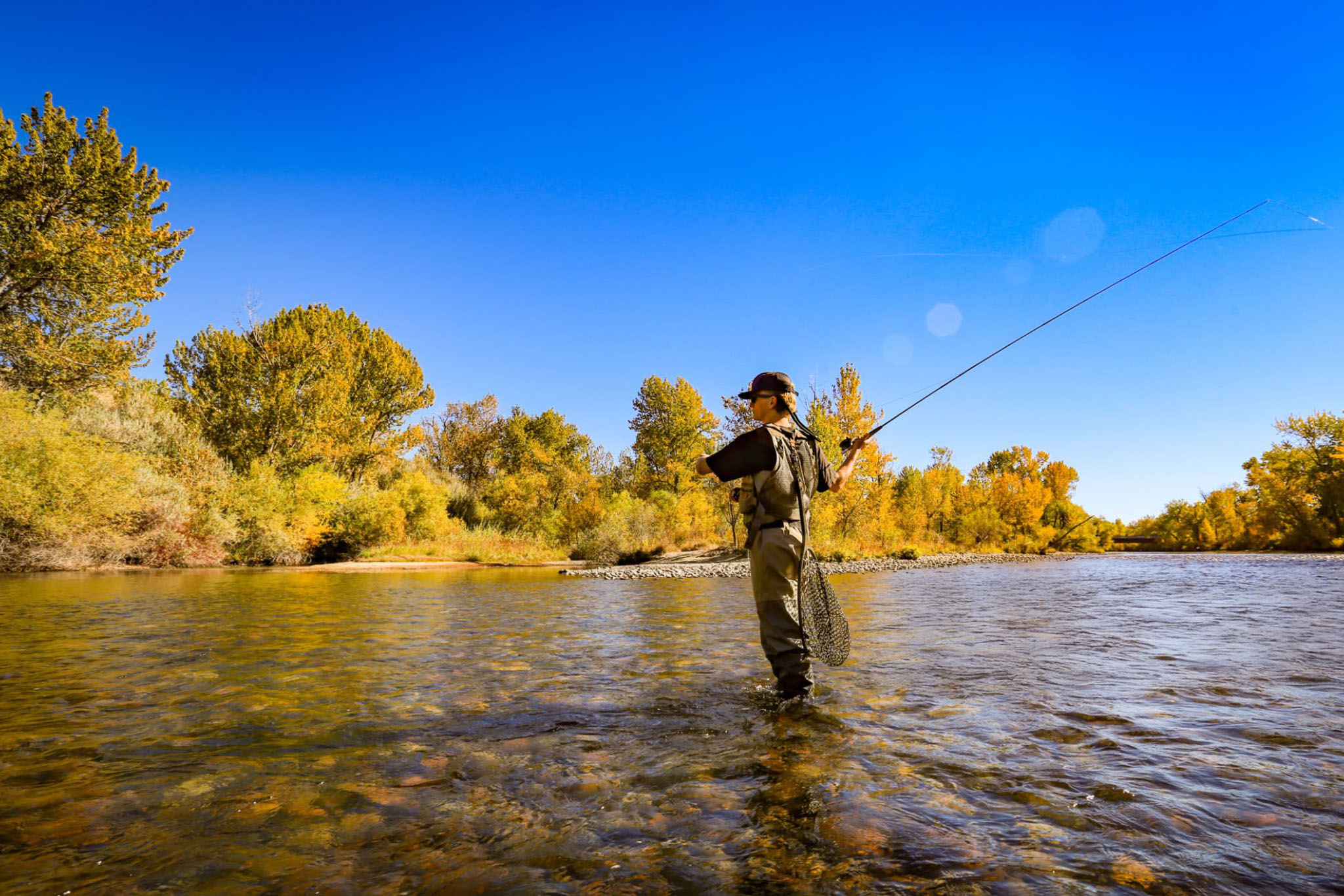
In rivers, transition zones often form where deep holes meet riffles. Letting your lure drift naturally into these zones can be deadly.
- Top Picks: Weighted nymphs for trout, swimbaits for bass or walleye.
Seasonal Considerations
- Late Summer (August–September): Fish use transition zones to escape midday heat, often sliding deeper but returning shallow at dawn and dusk.
- Fall (October–November): As water cools, predators chase baitfish schools along these edges. Transition areas near main-lake points and creek mouths become hotspots.
- Winter Prep: Fish eventually move into deeper holding areas, but transition zones remain feeding lanes during warming spells.
Pro Tips for More Success
- Match Your Lure to Depth: Use medium-diving crankbaits for mid-depth transitions and deep divers for steep drops.
- Mind the Angle: Sometimes fish sit on the shallow side of the edge, other times on the deep side—experiment with casting angles.
- Follow the Bait: Wherever baitfish congregate, predators won’t be far. Transition zones concentrate forage.
- Stay Versatile: Don’t lock into one lure. Switch between reaction baits (crankbaits, jerkbaits) and slower plastics until fish show a preference.
Final Thoughts
Transition zones are some of the most consistent fish-holding areas in any body of water. By understanding how depth, structure, and food availability intersect, anglers can pinpoint these hotspots and adjust tactics throughout the season.
Whether you’re chasing bass along a weedline, walleye on a rocky break, or trout near a pool tailout, transition zones should always be part of your fishing game plan. Master these edges, and you’ll put yourself in front of more—and bigger—fish.