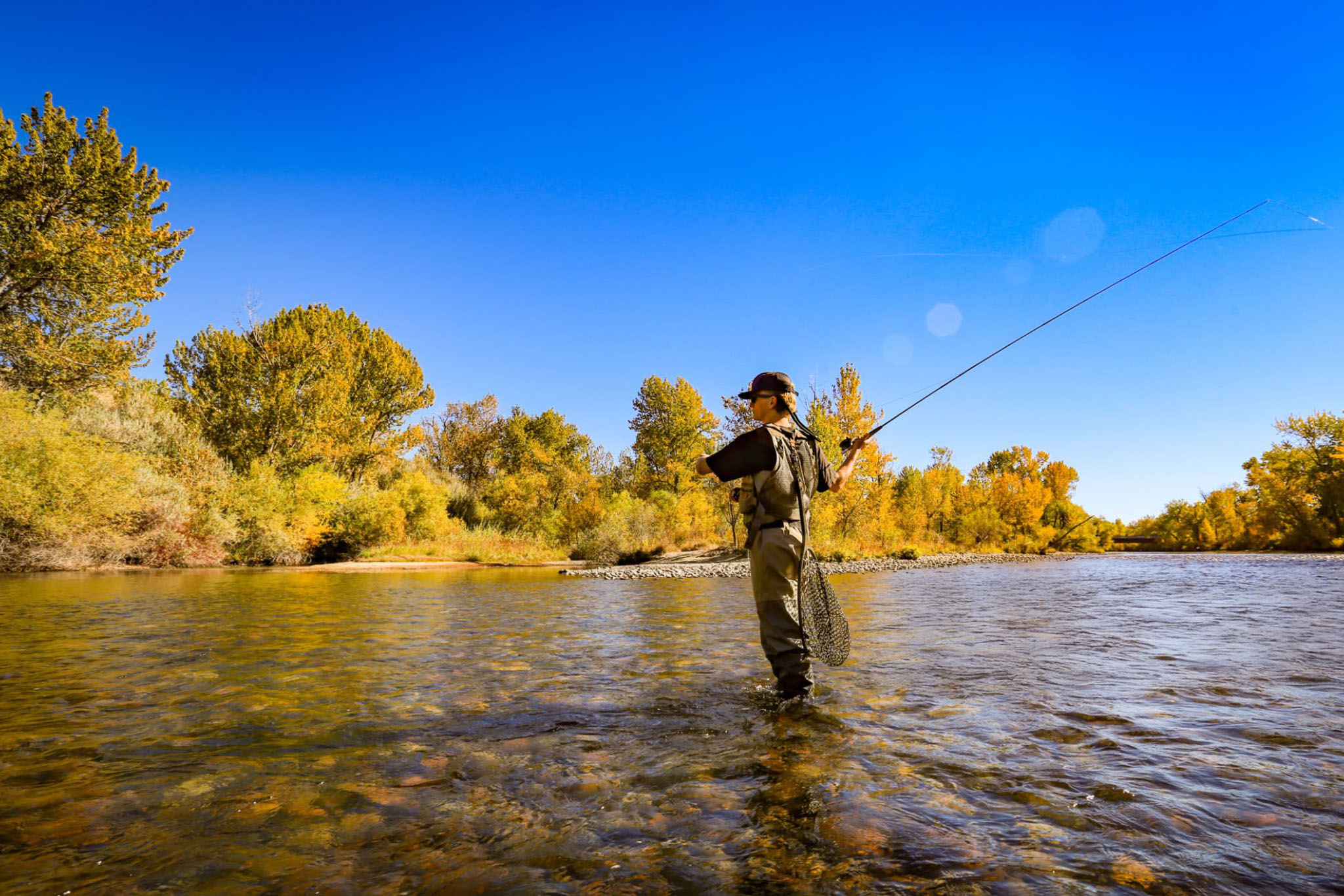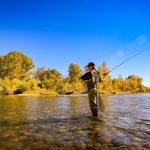
As summer gives way to fall, fly anglers face one of the most dynamic months of the year. September brings cooler nights, fluctuating water levels, and shifting insect activity—all of which directly affect trout and other gamefish behavior. For fly fishers, success in September isn’t just about casting skill; it’s about carefully observing nature and adapting flies to match the changing hatches.
Whether you’re fishing high-country streams, freestone rivers, or tailwaters, understanding September’s unique rhythms can help you make the most of this transitional season.
Why September Is a Transitional Month
September bridges the heat of summer with the crisp onset of autumn. Water temperatures begin to drop, dissolved oxygen levels improve, and trout become more active throughout the day. But these same conditions also bring variability: insect hatches are less predictable, streamflows may be inconsistent, and fish shift their feeding windows.
Instead of relying on a single “go-to” pattern, anglers need a versatile approach. The best strategy is to carry a wide range of flies and be ready to adjust quickly as conditions change.
Key September Hatches to Watch
1. Blue-Winged Olives (BWOs)
- When: Overcast days, especially afternoons.
- Why: Cooler, cloudy weather triggers reliable BWO activity, making them a September staple.
- Best Patterns: Parachute BWO dries, RS2 emergers, and olive soft hackles.
2. Tricos
- When: Early mornings on calm waters.
- Why: These tiny mayflies blanket the water, creating feeding frenzies.
- Best Patterns: Griffith’s Gnat, Trico spinner imitations, size 22–24 parachutes.
3. Caddisflies
- When: Warm afternoons and evenings.
- Why: September often sees lingering caddis activity, especially in freestone streams.
- Best Patterns: Elk Hair Caddis, X-Caddis, and LaFontaine Sparkle Pupa.
4. Terrestrials
- When: Throughout the day, especially near grassy banks.
- Why: Ants, beetles, and hoppers remain abundant until the first frosts.
- Best Patterns: Foam hoppers, parachute ants, and beetle imitations.
5. October Caddis (early arrivals)
- When: Late September evenings.
- Why: In some regions, October Caddis start appearing before the month ends.
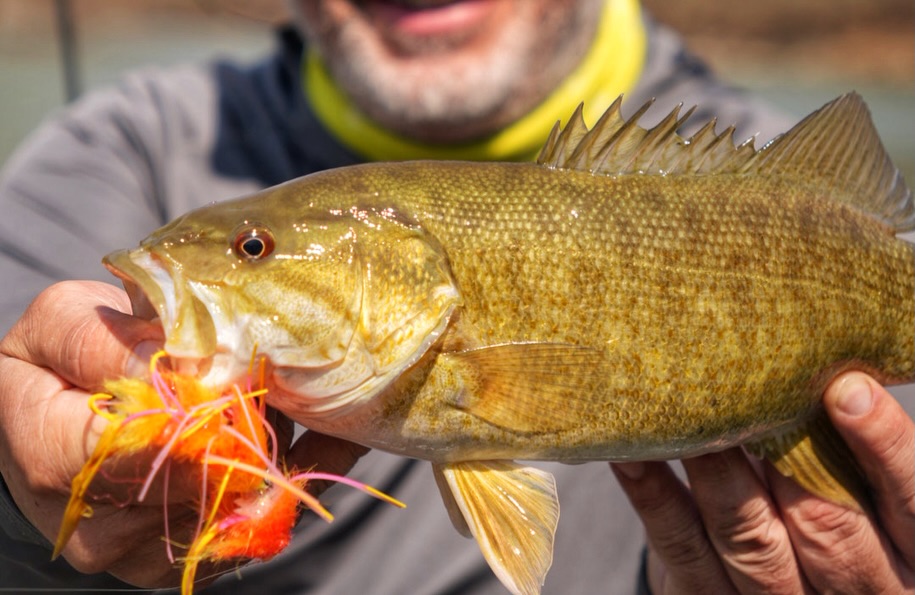
- Best Patterns: Large orange stimulators, pupal soft hackles.
Matching Flies to Conditions
September fishing is about observation and flexibility:
- Bright, warm days: Expect terrestrials to shine. Cast hoppers tight to banks and under overhanging brush.
- Cloudy, cooler days: BWOs often dominate—switch to small olive dries and emergers.
- Low, clear water: Downsize tippets and use smaller flies (20–24).
- Higher flows after rain: Streamers or attractor nymphs can outproduce delicate dries.
Pro Tip: If you don’t see surface activity, fish the subsurface. Many trout feed on emergers or nymphs just below the film during unpredictable hatches.
Streamer Opportunities in September
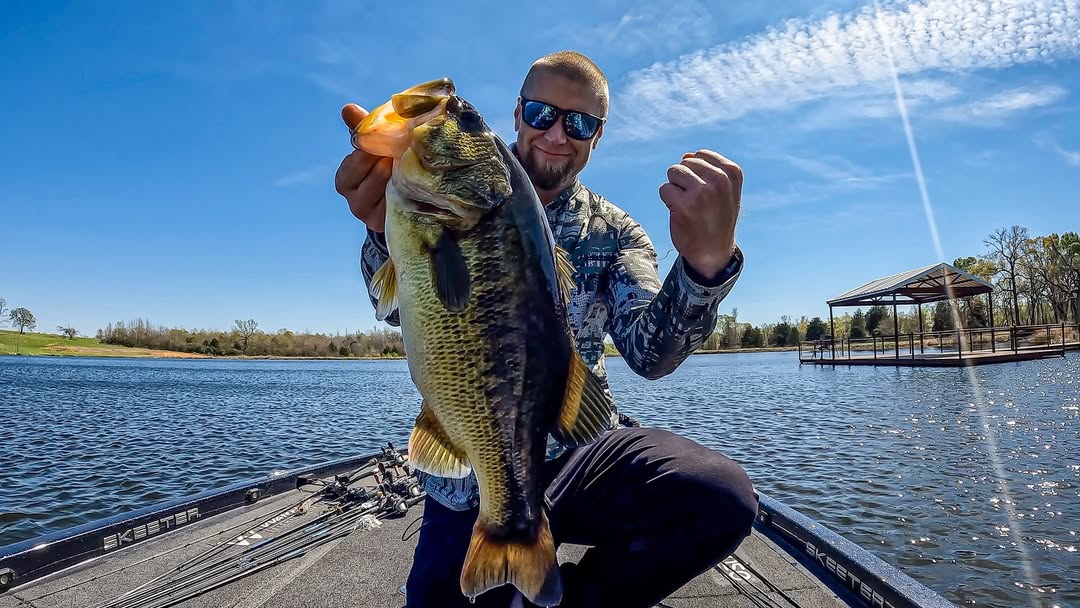
While hatches drive much of the focus, September also marks the beginning of prime streamer season. As water cools, larger trout start aggressively feeding to bulk up for winter. Carry a few articulated streamers, sculpin patterns, or woolly buggers to swing through deep runs and cutbanks when insects aren’t hatching.
Gear Adjustments for September
- Leader and Tippet: Carry both fine (6X–7X) for small dries and heavier (3X–4X) for terrestrials and streamers.
- Fly Box: Stock a mix of tiny mayflies, mid-sized caddis, and larger terrestrials. Versatility is key.
- Clothing: Mornings can be chilly while afternoons remain warm—layer up for comfort.
Reading the Water
September fish often move:
- Mornings: Look for trout in riffles and shallower runs where insects hatch.
- Afternoons: As temperatures rise, fish may hold in deeper pools or under shaded banks.
- Evenings: Expect renewed surface activity, especially for caddis or spinner falls.
Final Thoughts
Fly fishing in September requires a flexible mindset. Unlike summer, when hatches are more predictable, this transitional month demands observation and quick adaptation. By matching your flies to the shifting conditions—whether it’s a trico spinner fall, a cloudy BWO hatch, or a hopper drop along a grassy edge—you’ll stay one step ahead of the fish.
For many anglers, September is the sweet spot: cool weather, active trout, and fewer crowds on the water. Prepare your fly boxes with a variety of patterns, watch the water carefully, and embrace the challenge of one of fly fishing’s most rewarding months.