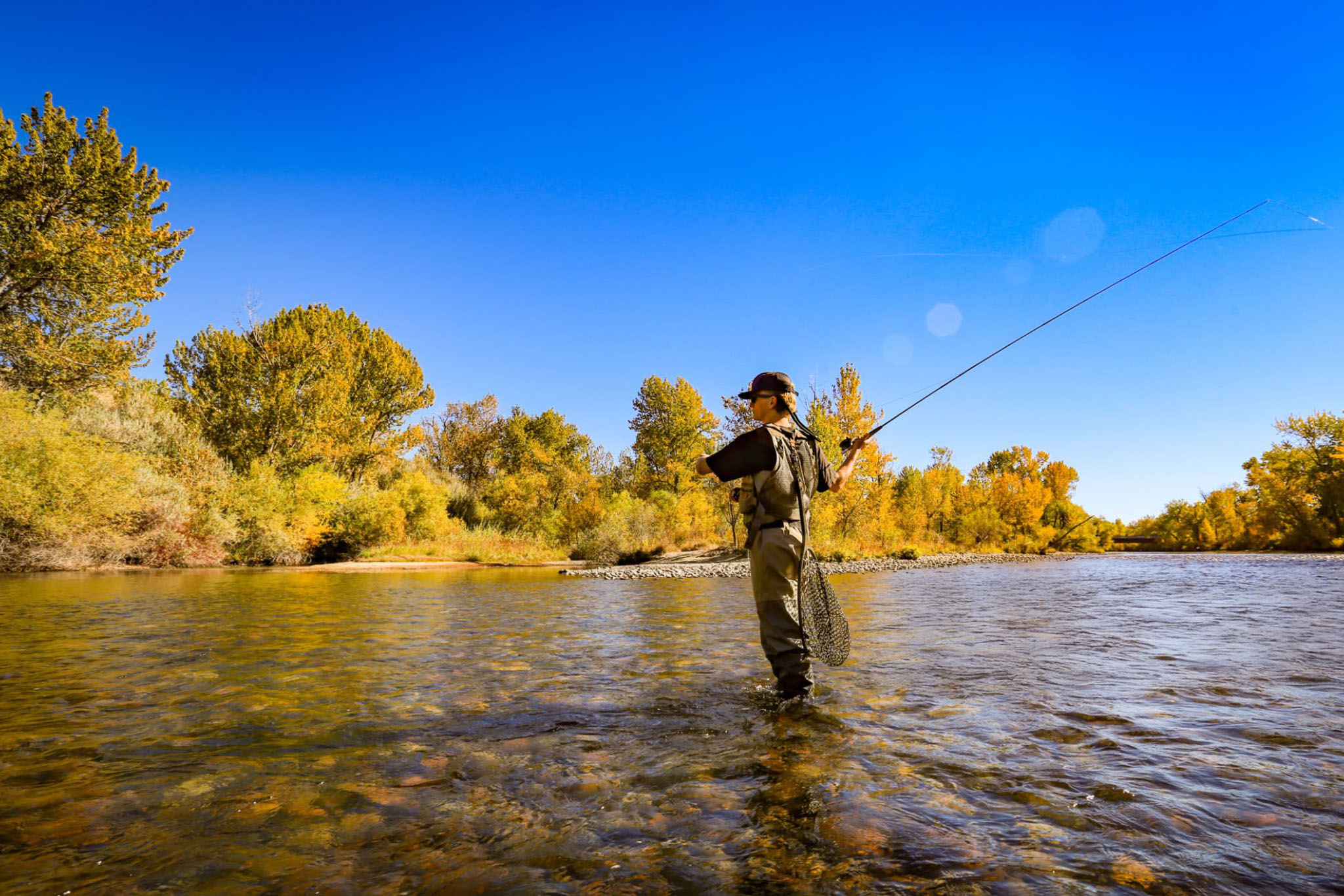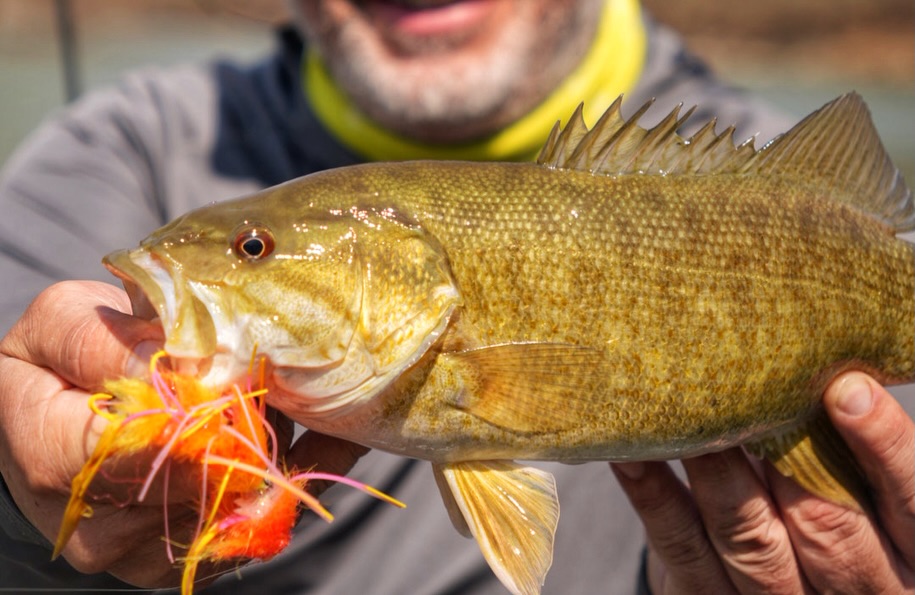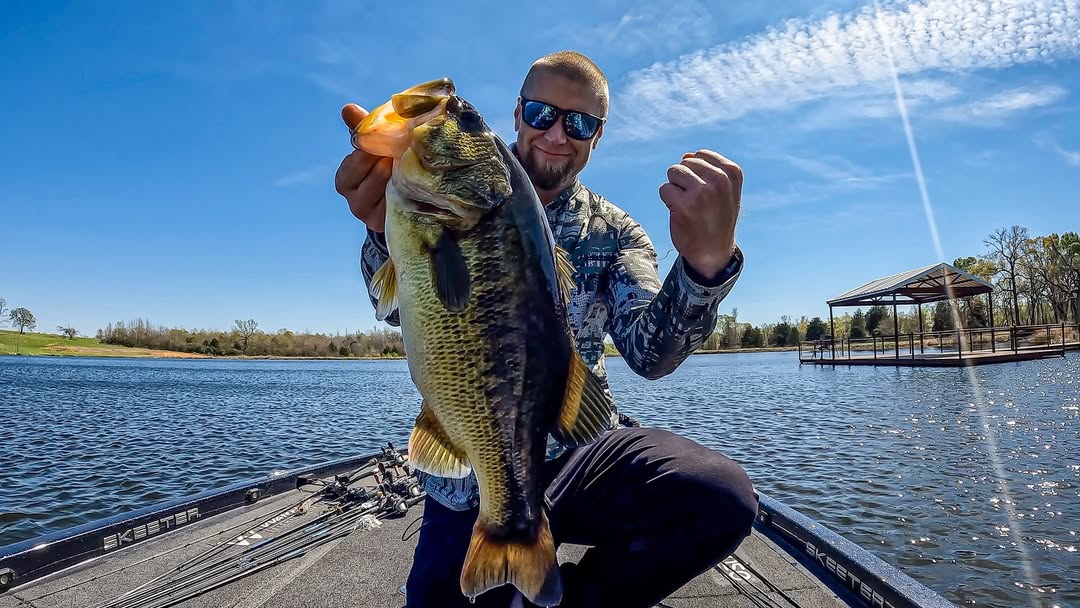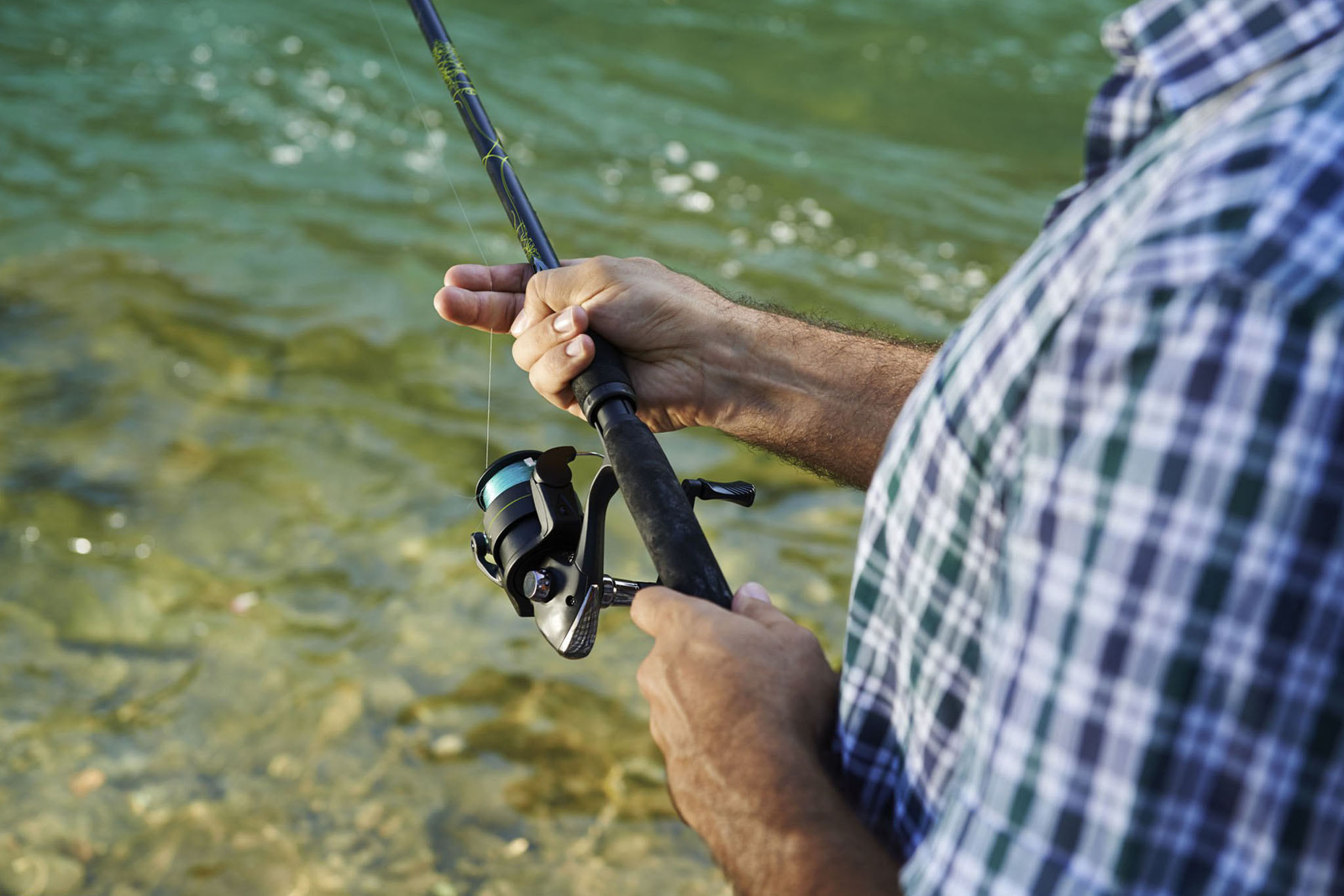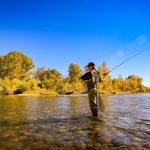
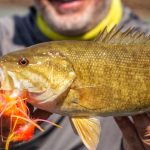
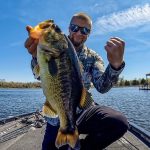
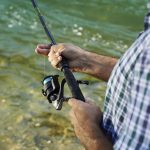
As summer winds down and cooler nights settle in, many anglers turn their focus toward one of the most exciting fishing windows of the year—fall. Fish sense the change in season just as we do, and their behavior shifts dramatically. For bass, walleye, trout, and panfish, fall is a time of heavy feeding, as they bulk up for the winter ahead. But success in autumn fishing doesn’t happen by accident. It starts with making sure your tackle is fine-tuned, organized, and ready for the conditions ahead.
Whether you’re heading to a local pond, a sprawling reservoir, or a river system, a few careful steps now can make all the difference once the action heats up.
Why Fall Demands a Fresh Approach
Fall fishing isn’t simply “summer continued.” Cooling water drives baitfish migrations, alters predator positioning, and changes how fish respond to lures. Heavy weeds start to die off, water clarity may shift, and schools of bait move toward creeks, coves, and shallower structure.
That means anglers need to:
- Adjust lure selection to match fall forage.
- Upgrade line and tackle for heavier strikes.
- Reorganize gear for efficiency during active feeding windows.
Step 1: Inspect and Refresh Your Fishing Line
Your line is the only connection between you and the fish, and after a summer of heat and heavy use, it’s often the weakest link.
- Monofilament: UV rays and stretching wear it down quickly. Replace if it feels brittle or has memory coils.
- Fluorocarbon: Inspect for nicks and abrasions; respool if you see cloudy spots.
- Braid: Stronger overall, but check for frays near the leader knot or guide tips.
Pro Tip: Keep an extra spool of fresh line in your tackle bag. Fall fishing often involves heavy cover and aggressive fish, so having backup is essential.
Step 2: Sharpen or Replace Hooks
Fall is prime feeding time, and missed hooksets can cost you. Even premium hooks dull after months of use.
- Test your hooks by lightly dragging the point across your thumbnail. If it doesn’t catch, it needs sharpening.
- Carry a small file or hook sharpener in your tackle box.
- Upgrade stock trebles on crankbaits and topwaters to higher-quality, chemically sharpened versions.
This small step drastically improves hookup ratios, especially with short-striking fish.
Step 3: Tune Your Lures for Fall Forage
In fall, gamefish key in on shad, minnows, and young-of-year baitfish. Adjusting your lures to mimic these prey items is critical.
- Crankbaits: Switch to shad-colored or silver patterns; medium-divers work great on schooling fish.
- Spinnerbaits: White and chartreuse blades shine in stained fall waters.
- Topwaters: Walking baits and buzzbaits remain effective on cool mornings when bait pushes shallow.
- Jigs: Black/blue and green pumpkin patterns imitate crawfish, another favorite fall food.
Pro Tip: Downsize when fish are feeding on small bait, but don’t be afraid to throw larger lures for big, aggressive strikes.
Step 4: Organize Tackle for Quick Adjustments
Fall conditions change fast—wind, cloud cover, and bait movement can shift fish location in minutes. Being able to adapt quickly is key.
- Sort tackle boxes by category (crankbaits, plastics, jigs, terminal tackle).
- Pre-rig rods with different presentations so you can switch without retying.
- Keep essentials handy—pliers, scissors, and leaders should be within arm’s reach.
The more organized your gear, the more time your lure spends in the water.
Step 5: Maintain Your Rods and Reels
Cold mornings and damp conditions can expose weaknesses in neglected gear. Before the season kicks into full swing:
- Clean reels and lubricate bearings.
- Check rod guides for cracks that fray line.
- Tighten reel seats and handle grips.
A little maintenance now prevents breakdowns when the bite is hot.
Step 6: Stock Up on Seasonal Essentials
Certain items are especially valuable for fall:
- Leaders: Fluorocarbon leaders help in clearer water.
- Weights and jig heads: Fish may stage deeper on some days, so be ready to adjust presentation depth.
- Warm layers and gloves: Comfort keeps you on the water longer during brisk mornings.
Final Thoughts
Fall is one of the most rewarding times to fish. Cooling water triggers aggressive feeding, schools of baitfish gather, and predator species are at their most active. But without properly tuned tackle, it’s easy to miss opportunities.
By refreshing your line, sharpening hooks, matching the fall forage, and organizing gear, you’ll fish smarter and more efficiently. Consider it your seasonal tune-up—because once the leaves start turning, the fish won’t wait.
So take the time now. Tune your tackle, hit the water prepared, and enjoy the fast-paced action that only fall can deliver.