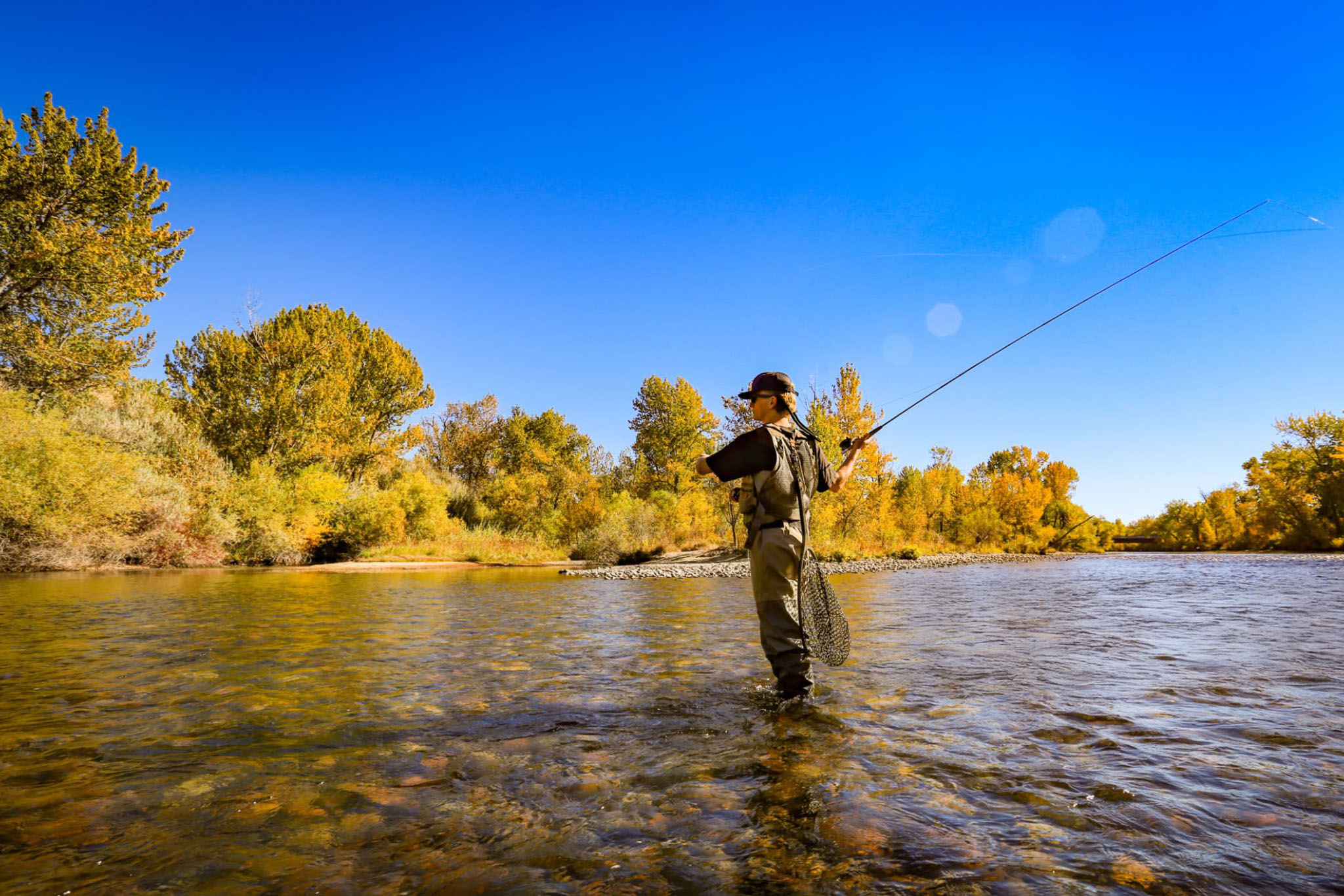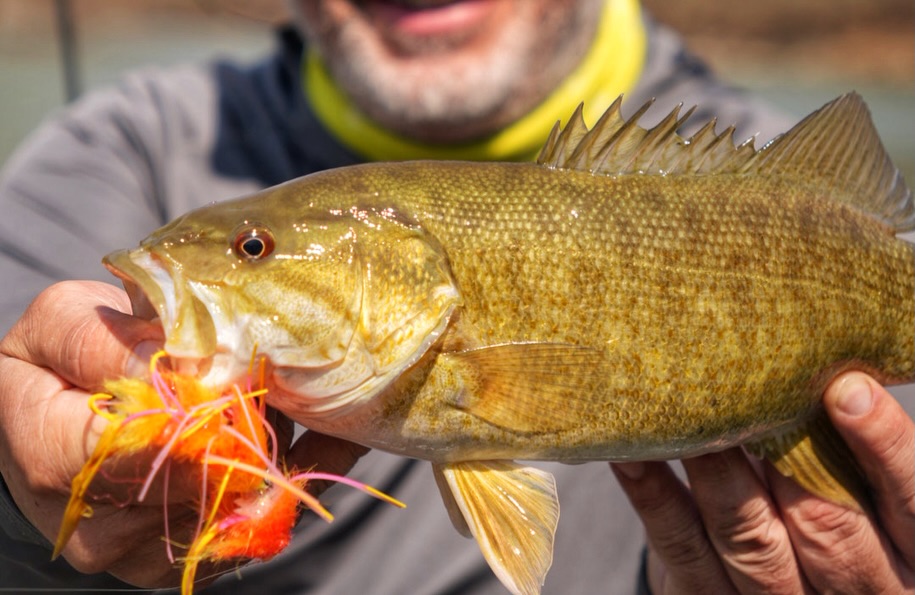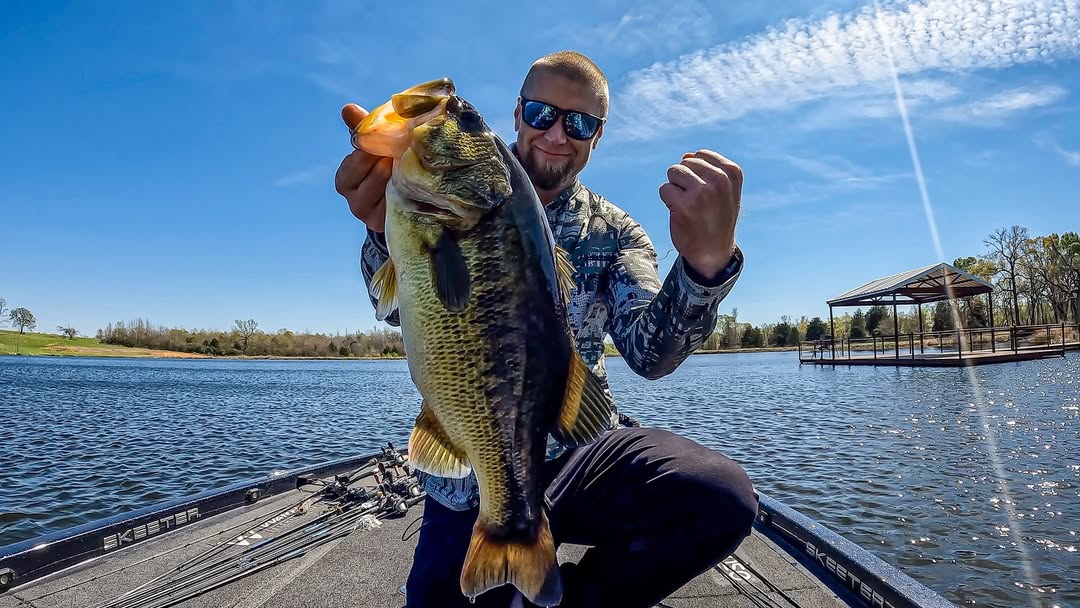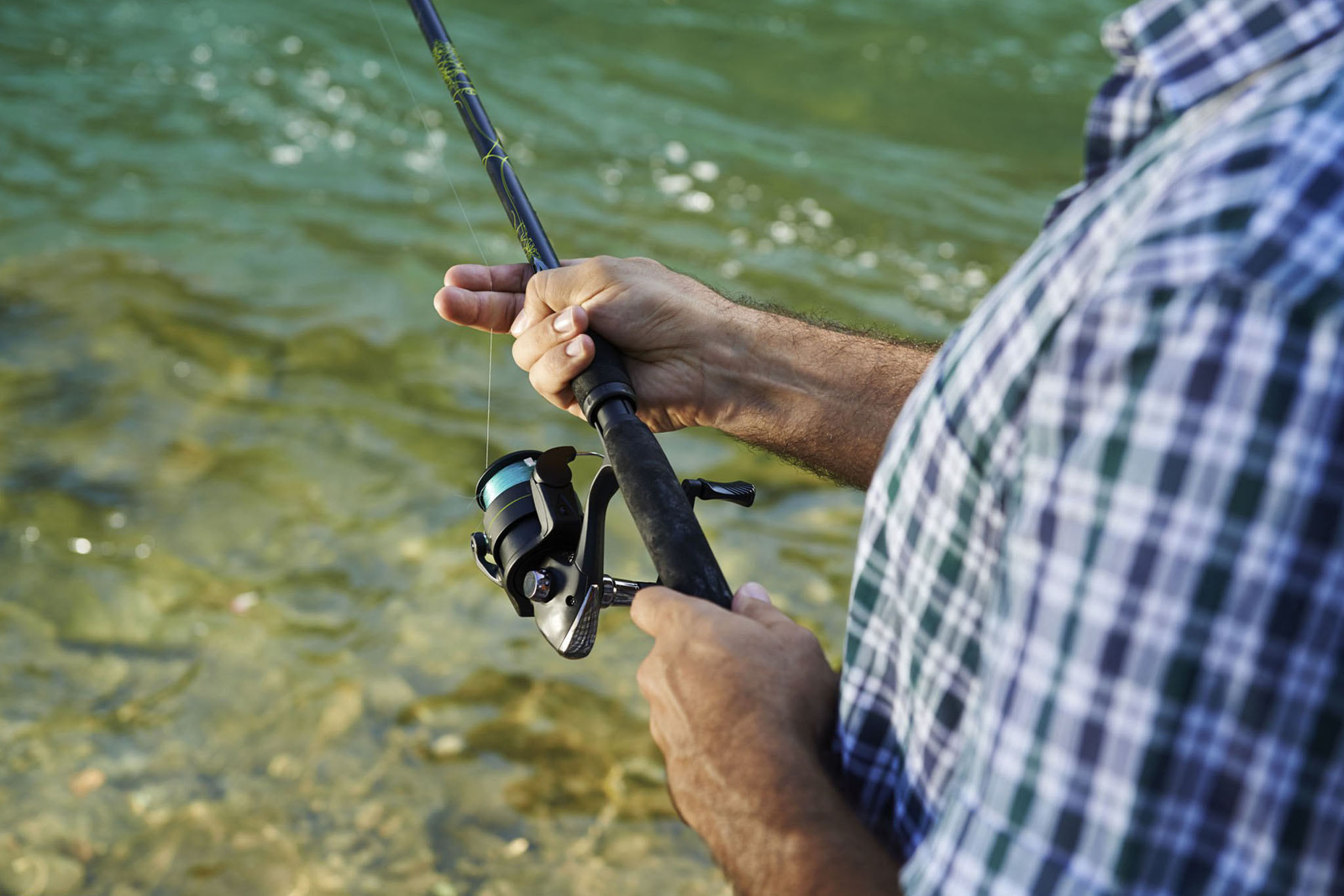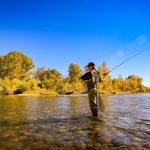
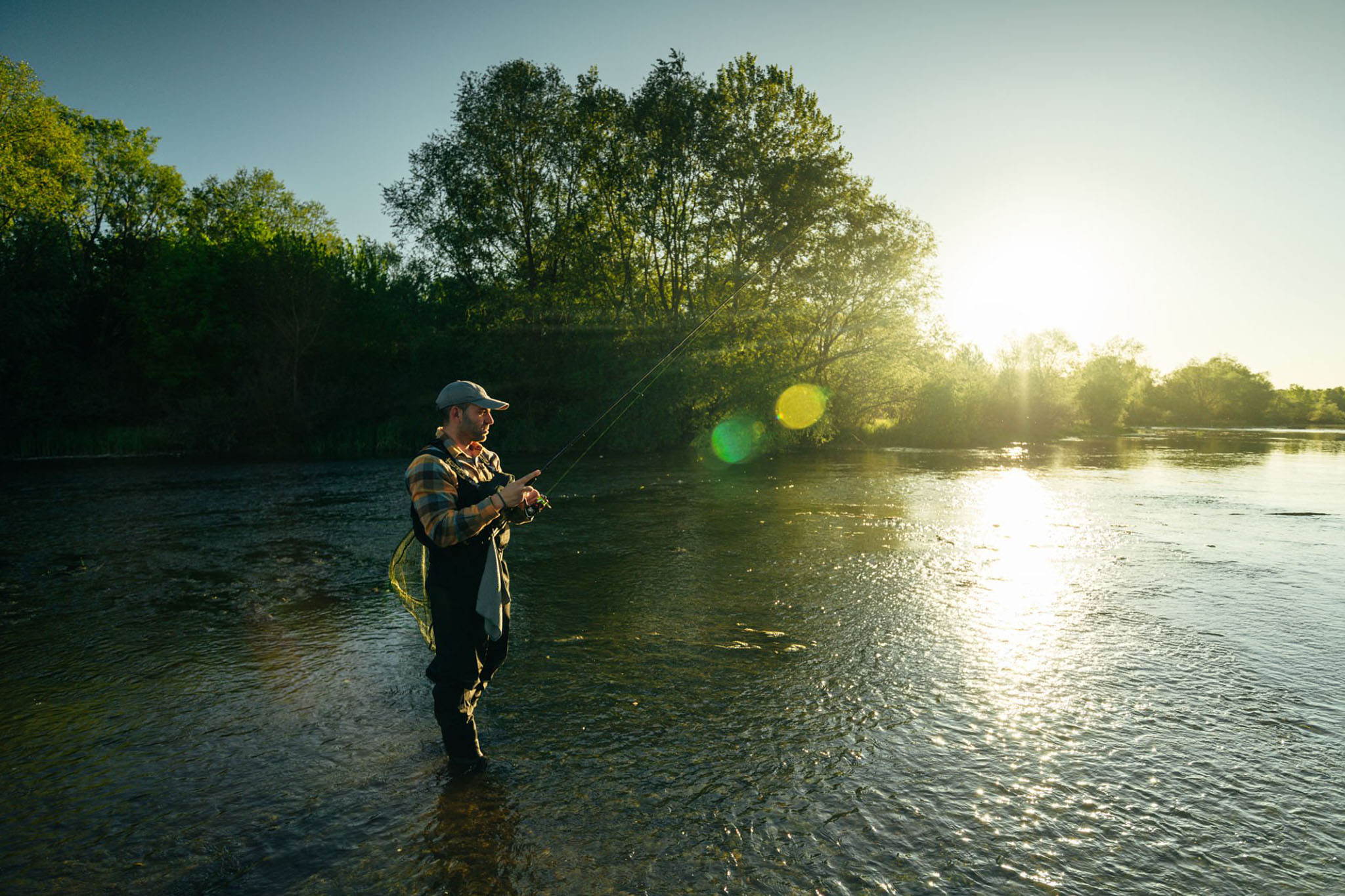
By late summer, many fly anglers feel like the season has hit a wall. The water is low, clear, and warm. Trout can be sluggish, insect hatches less predictable, and pressured fish become wary of standard flies. But here’s the truth: late summer doesn’t mean the end of great fly fishing—it just requires a shift in strategy.
By understanding what’s happening in rivers, lakes, and streams during August and September, you can adjust your approach and keep catching fish until fall hatches kick in. Let’s break down the late-summer fly fishing patterns that consistently produce.
Understanding Late-Summer Conditions
- Low water & high clarity: Streams often shrink and clear up, making fish more cautious.
- Warm water temps: Trout conserve energy and feed selectively during cooler parts of the day.
- Inconsistent hatches: Mayflies taper off, while terrestrials and smaller insects take over.
- Pressure factor: Popular waters have seen plenty of flies, so presentations must be dialed in.
These conditions can frustrate anglers, but they also create opportunities for those who adapt.
Key Late-Summer Fly Patterns That Still Work
1. Terrestrials: Ants, Beetles, and Hoppers
Late summer is prime time for land-based insects that tumble into the water.
- When to fish: Midday, when the sun is high and insects are most active.
- Best patterns: Foam hoppers, parachute ants, and beetle imitations.
- Tactic: Cast tight to grassy banks, under overhanging trees, or near shaded pockets.
Bass, panfish, and trout all love an easy terrestrial meal this time of year.
2. Tricos: The Tiny Mayfly That Keeps Fishing Alive
Though most big mayfly hatches fade, tricos (size 20–24) are reliable in August and September.
- When to fish: Early mornings during spinner falls.
- Tactic: Present small dries or spinners with delicate leaders (6x–7x tippet).
- Pro tip: Focus on slower pools and back eddies where trout sip tiny spinners in rhythm.
Patience and accuracy are crucial—but trico fishing can be incredibly rewarding.
3. Midges: The Year-Round Staple
When all else fails, midges catch fish—even in late summer.
- Best patterns: Zebra midges, griffith’s gnats, or simple midge emergers.
- When to use: All day, but especially during slow mid-afternoons.
- Approach: Fish them beneath a dry-dropper setup or on a light nymph rig.
Midges may be small, but they’re consistent producers.
4. Nymphs and Euro-Style Presentations
Fish that won’t rise often feed below the surface.
- Best nymphs: Pheasant tails, hare’s ears, and smaller stonefly patterns in sizes 16–20.
- Where to drift: Riffles, pocket water, and seams where oxygen levels are higher.
- Why it works: Trout in late summer prefer steady, easy meals drifting naturally with the current.
Euro-nymphing excels when water is low and clear because it offers precise, drag-free drifts.
5. Streamers in Low Light
Don’t overlook big meals, especially in the evening.
- Best patterns: Woolly buggers, sculpin imitations, or articulated streamers.
- When to fish: At dawn, dusk, or during cloudy afternoons.
- Presentation: Strip slowly across deeper pools or swing streamers through runs.
Larger fish that lay low during bright days often strike aggressively when light fades.
Timing Your Day for Success
- Early mornings: Cooler temps and trico hatches make this the most productive window.
- Midday: Terrestrials take center stage, especially near banks and grassy edges.
- Afternoons: Fish nymphs or midges in deeper oxygen-rich riffles.
- Evenings: Transition to streamers or larger terrestrials for opportunistic strikes.
By breaking the day into “bite windows,” you maximize efficiency and avoid wasted casts.
Gear and Tactics for Late-Summer Fly Fishing
- Rods: A 4–5 weight rod balances delicacy for dries with strength for hoppers or light streamers.
- Leaders/tippet: Longer leaders (10–12 ft) with 6x or 7x tippet improve stealth in clear water.
- Polarized sunglasses: Spotting subtle rises and terrestrial targets is critical.
- Wading approach: Move slowly and avoid sloppy casts—late-summer trout spook easily.
Final Thoughts
Late summer fly fishing may look tough on paper, but it’s a season full of unique opportunities. Terrestrials crash onto the water, trico hatches keep mornings lively, and stealthy nymphing saves the afternoon. With patience, precision, and the right seasonal patterns, you’ll find that August and September can be just as rewarding as peak spring or fall.
Don’t hang up the rod just because the water’s low. Tie on an ant, drift a midge, or swing a streamer at dusk—you might just find late summer to be one of the most exciting times of the fly fishing year.