September is a transitional month for anglers across the U.S. The long, hot days of summer begin to give way to crisp mornings, cooler nights, and shifting water conditions. For fish, these environmental changes trigger movements, feeding adjustments, and new opportunities for those who are prepared.
Whether you prefer small farm ponds, sprawling reservoirs, or moving rivers, adapting your strategy to September’s conditions can mean the difference between a slow outing and a day full of tight lines. Here’s how to fine-tune your approach as the seasons shift.
Why September Fishing Feels Different
Several key changes make September unique:
- Cooling water temperatures: Fish become more active during the day, especially in the mornings and evenings.
- Shifting forage patterns: Baitfish, crayfish, and insects adjust their movements, influencing where and how predators feed.
- Transitional habitat use: Fish that spent summer deep often move shallow, while others follow migration routes.
- Weather variability: Cold fronts, rainfall, and shorter days shake up feeding windows.
For anglers, the takeaway is simple: be flexible and ready to adapt.
Pond Fishing in September
Ponds, with their shallow structure and smaller size, change rapidly as temperatures drop.
Key Strategies:
- Early and Late Topwater: As nights cool, bass in ponds become more aggressive at dawn and dusk. Frogs, buzzbaits, and small poppers shine.
- Midday Slow Presentations: When the sun is high, pond fish may tuck into shade or drop deeper. Texas-rigged worms, jigs, and finesse plastics are reliable.
- Look for Oxygen-Rich Zones: Weeds may begin to die off, depleting oxygen. Focus on areas with remaining green vegetation or slight inflows from creeks.
Target Species:
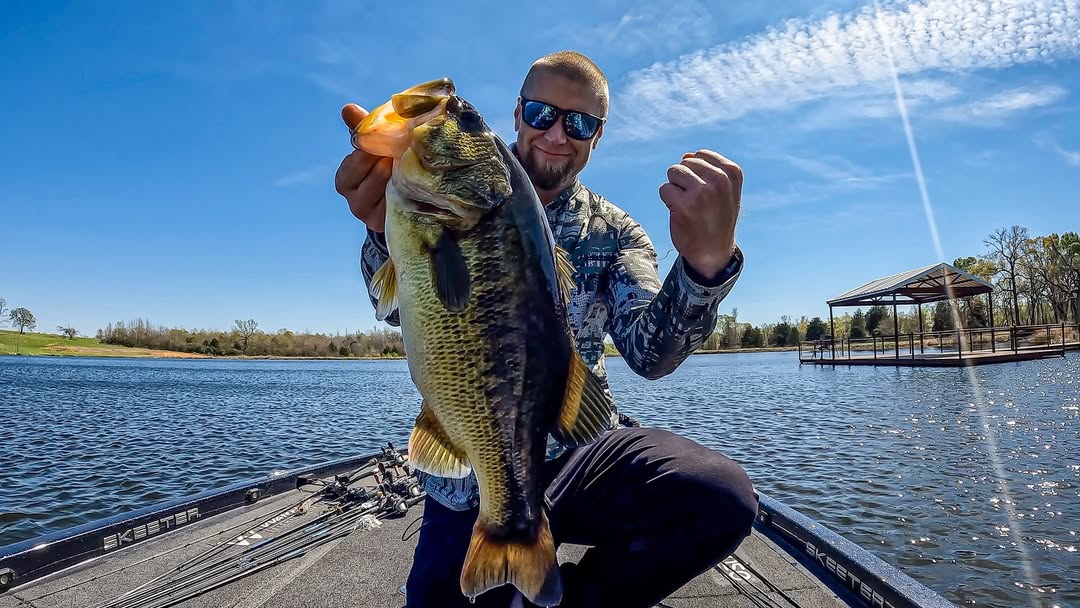
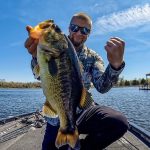
- Largemouth Bass – feeding on bluegill and frogs.
- Bluegill & Panfish – still active near banks and docks.
- Catfish – often prowling for easy meals after rain events.
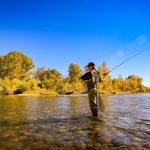
River Fishing in September
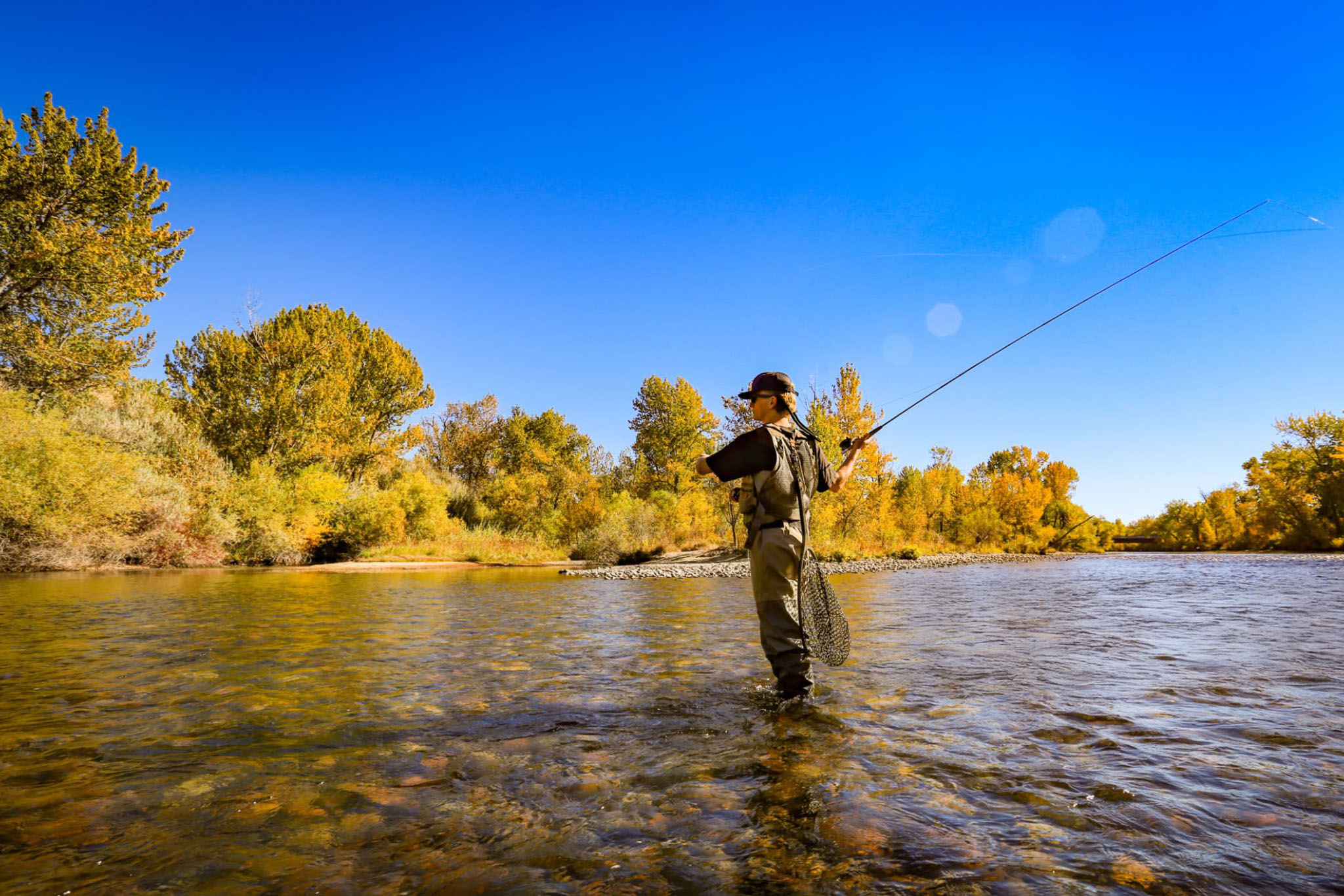
Rivers bring an entirely different set of challenges and opportunities. Flow, current breaks, and forage shifts become the driving factors.
Key Strategies:
- Follow the Baitfish: Shad and minnows begin moving into tributaries and shallow runs. Predator fish like bass and walleye follow.
- Current Breaks Are Gold: Use eddies, logjams, and wing dams as ambush points. Cast crankbaits, spinnerbaits, or swimbaits into seams where current slows.
- Low Light Advantage: Early morning and late evening runs can produce trophy smallmouth or walleye. Topwater walkers and prop baits excel in these windows.
- Don’t Ignore Deep Holes: On bright, calm days, fish may retreat into deeper pools. Drop-shot rigs and jigs work well here.
Target Species:
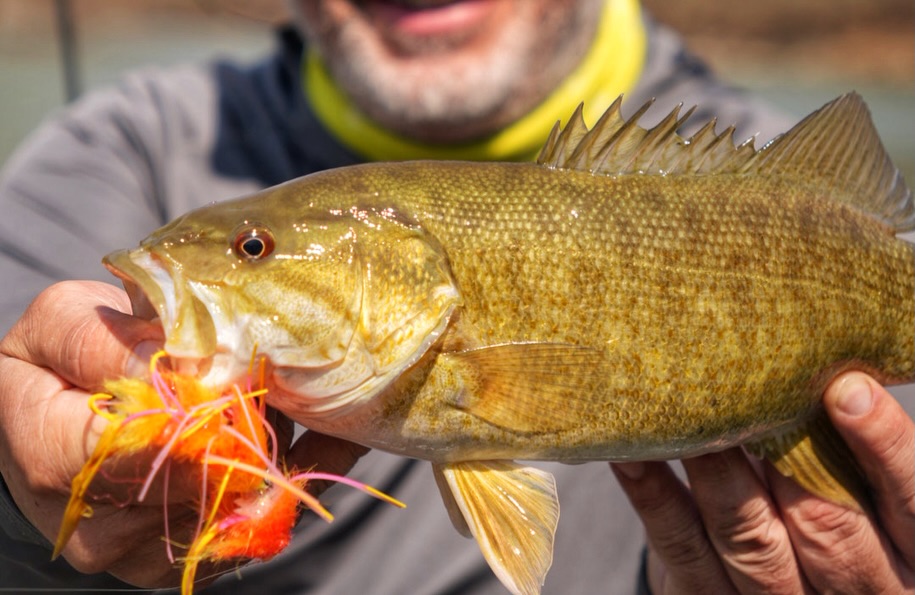
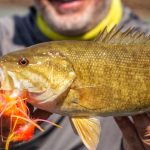
- Smallmouth Bass – especially aggressive as they fatten for fall.
- Walleye – often caught on jigs and crankbaits in transitional runs.
- Trout (in cooler regions) – take advantage of rising insect activity in September.
Transitioning Between Ponds and Rivers
If you fish both ponds and rivers, September offers a chance to expand your skillset. Keep these tips in mind:
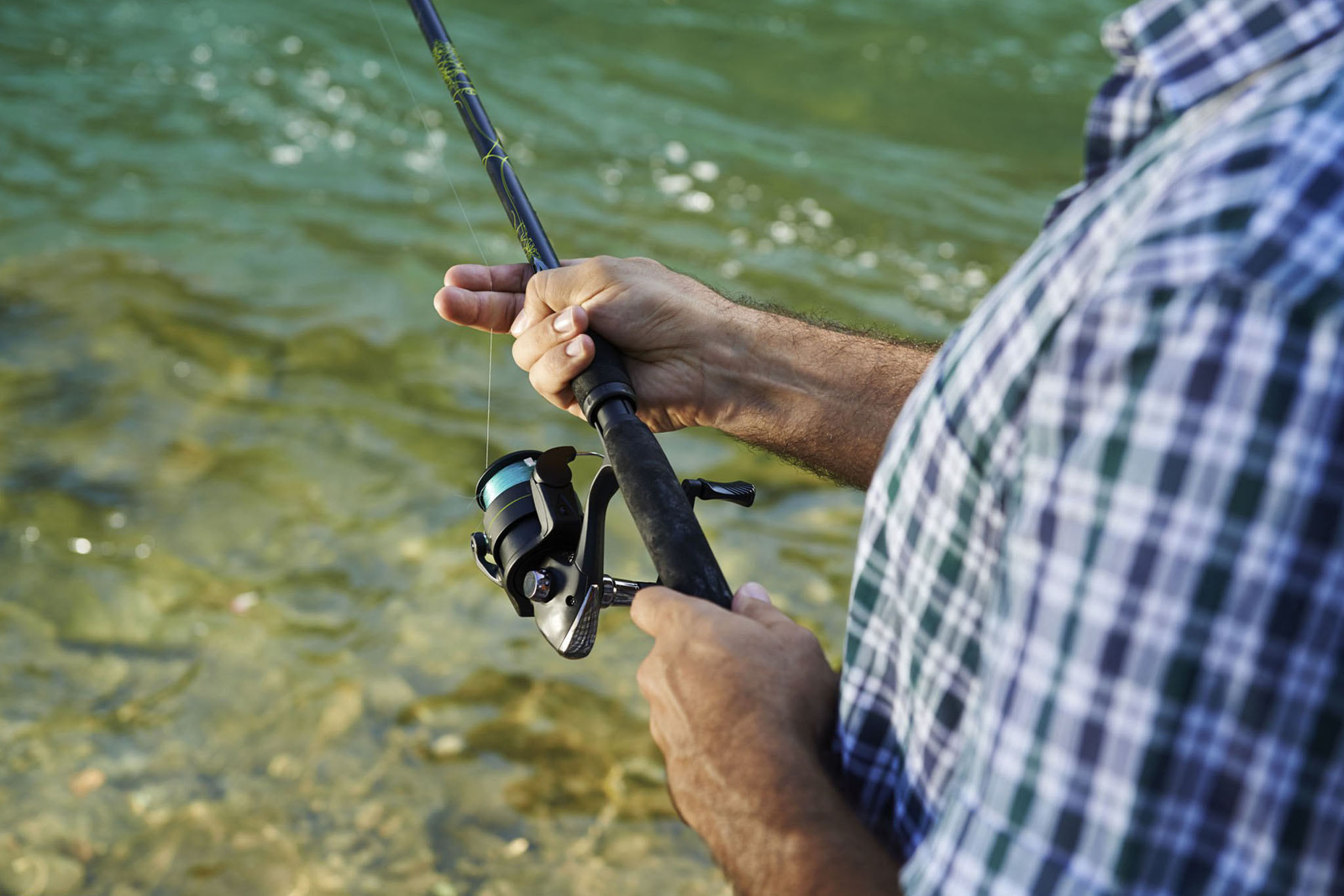
- Adjust Gear: Ponds often call for finesse and lighter tackle, while rivers require heavier line and rods to handle current.
- Match Forage: Observe what fish are eating. A bluegill-colored jig may work in ponds, while shad-pattern crankbaits excel in rivers.
- Time of Day Matters More: Both ponds and rivers heat and cool quickly this time of year—fish the extremes (early morning/evening) for best action.
- Stay Mobile: Don’t get stuck in one spot. In rivers, follow current breaks; in ponds, cycle through shallow and deeper areas.
Bonus September Tactics
- Watch the Weather: A cold front can push fish deeper temporarily, but stable weather often leads to aggressive bites.
- Think About Forage Size: By September, baitfish have grown. Upsize your lures to better match natural prey.
- Experiment With Colors: Natural hues work best in clear ponds and rivers, while chartreuse or white can trigger bites in stained water after rain.
Final Thoughts
September is one of the most rewarding months to fish. Ponds and rivers each offer unique opportunities, but success comes from recognizing that fish are on the move and adjusting your approach accordingly.
Work topwater early and late, downsize or slow presentations in tough conditions, and follow the forage as it shifts. Whether you’re casting across a quiet farm pond or working a fast-moving river run, the key is adaptability.
When you adjust with the season, September fishing can be some of the most exciting of the year—bridging the gap between summer’s challenges and fall’s feeding frenzy.