Few sights in saltwater fishing are as electrifying as a striper blitz. Birds diving, bait boiling, and striped bass slashing through schools of menhaden, herring, or sand eels—it’s chaos in the best way possible. For coastal anglers in the fall, these blitzes are the highlight of the season, offering fast-paced action and the potential to connect with trophy stripers. But behind the spectacle lies a system: timing, migration, and conditions that dictate when and where these blitzes unfold.
The Migration Connection
Striped bass are migratory by nature, and their fall movement mirrors the path of the baitfish they depend on. As water temperatures cool, massive schools of menhaden, mackerel, herring, and sand eels push southward along the coast. Stripers shadow them, feeding aggressively to bulk up before winter.
This migration is not random—it’s highly seasonal. In the Northeast, September and October are peak months, while mid-Atlantic waters see the strongest action from late October into November. Understanding these migration windows is the first step in predicting blitzes.
Reading the Signs of a Blitz
Bird Activity
Seagulls and terns often find the action before anglers do. If you see them circling, diving, or hovering over the water, it’s a strong indicator that baitfish are being pushed to the surface by feeding stripers.
Surface Disturbances
From a distance, blitzes look like boiling water. Baitfish shower, the surface erupts, and sometimes you’ll even hear the commotion before you see it. Keep binoculars handy when fishing from shore or boat.
Bait Density
Blitzes don’t happen without fuel. Dense bait schools are the key trigger. On sonar, these show up as thick clouds. On the water, they often appear as nervous “dimples” on calm surfaces before the chaos begins.
Timing Matters
Early Mornings and Late Afternoons
While blitzes can happen anytime, low-light conditions often provide the best chance. Stripers feel more comfortable corralling bait when visibility is reduced, and baitfish tend to group tighter during these hours.
Tide Influence
Moving water is critical. Incoming or outgoing tides create natural funnels that concentrate bait. Jetties, inlets, and points become prime ambush zones. Plan your trips around tidal shifts, not just sunrise and sunset.
Weather Patterns
Overcast days often prolong blitz activity. Sudden cold snaps can push bait schools quickly, triggering intense but short-lived runs. Conversely, extended stretches of stable weather allow blitzes to occur with predictable frequency.
Gearing Up for Blitz Action
Rods and Reels
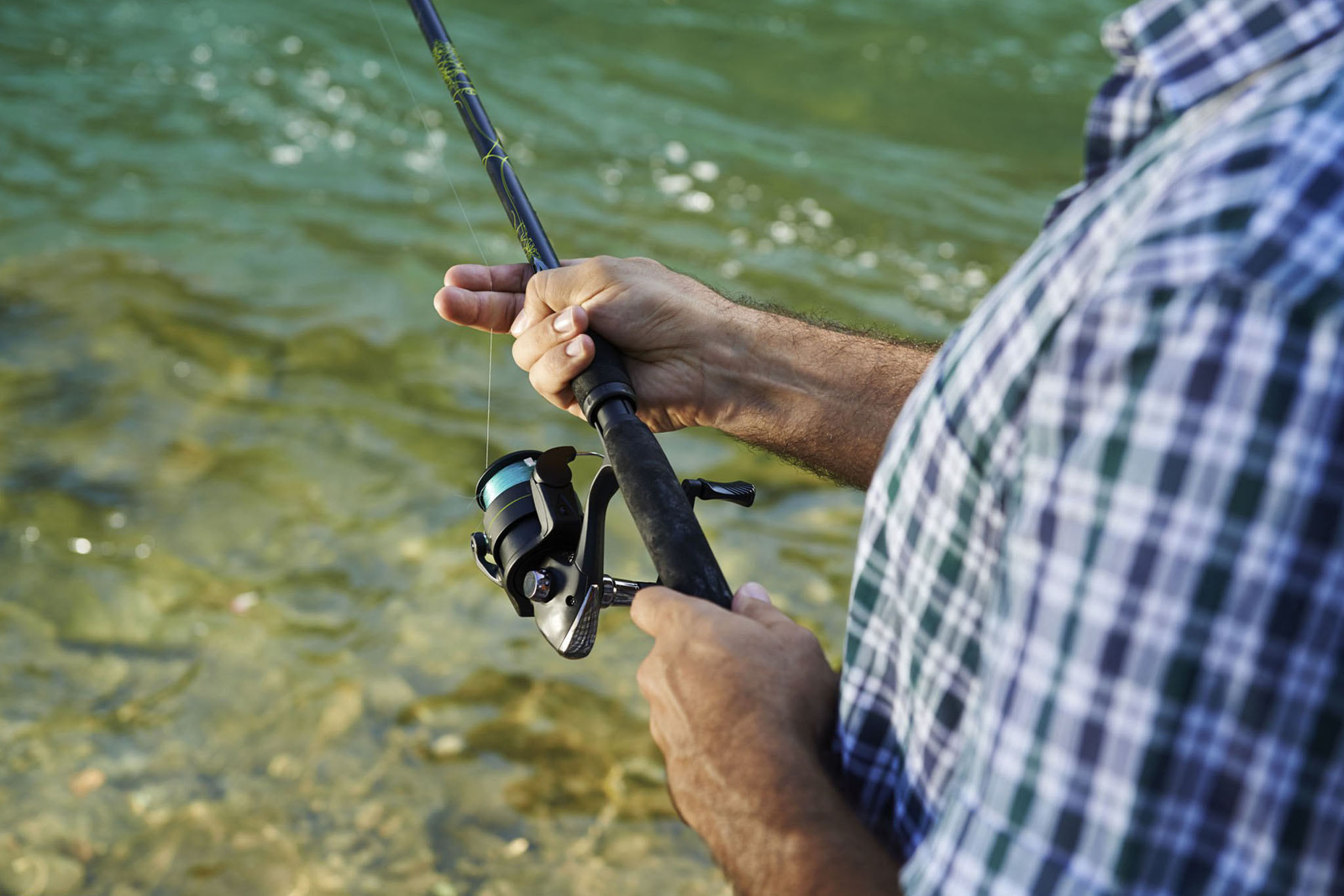
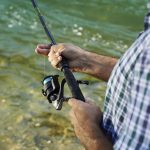
A medium-heavy spinning setup spooled with 30–40 lb braid and a 30–40 lb fluorocarbon leader provides the strength to handle powerful stripers while offering casting distance when fish are just beyond the surf line.
Lures That Match the Hatch
- Topwater Plugs: Pencil poppers, spooks, and poppers create commotion and mimic fleeing baitfish. Perfect when stripers push bait to the surface.
- Swimbaits and Soft Plastics: Versatile and effective, especially when fish are keyed on menhaden or herring.
- Metals and Jigs: Great for reaching distant blitzes from shore or pier, especially when bait is sand eels or small mackerel.
Natural Baits
Live or cut menhaden is hard to beat when blitzes stall and fish turn selective. Always have a bait rig ready if regulations allow.
Strategies for Shore vs. Boat Anglers
- From Shore: Look for points, jetties, and sandy beaches near inlets where bait funnels naturally. Keep mobile—being willing to walk or jog down the shoreline often puts you right in the action.
- From Boat: Maintain distance and approach blitzes quietly. Running your motor into the middle of feeding fish will push them down. Instead, position ahead of the school and let them come to you.
Conservation in the Blitz
The adrenaline of a blitz can tempt anglers to keep more than they should, but conservation ensures these runs remain for years to come. Handle fish quickly, use circle hooks with bait, and respect slot limits. Remember, the biggest breeders are often the most vulnerable—release them carefully.
Final Thoughts
A striper blitz is more than just fishing—it’s a natural event that ties together predator, prey, and seasonal change. By timing coastal runs with baitfish migrations, reading the water, and adapting tactics to conditions, you can maximize your chances of experiencing this unforgettable phenomenon.
Fall doesn’t last forever. When the air is crisp, the tides are moving, and the birds are diving, grab your rod and get ready. The blitz is calling.