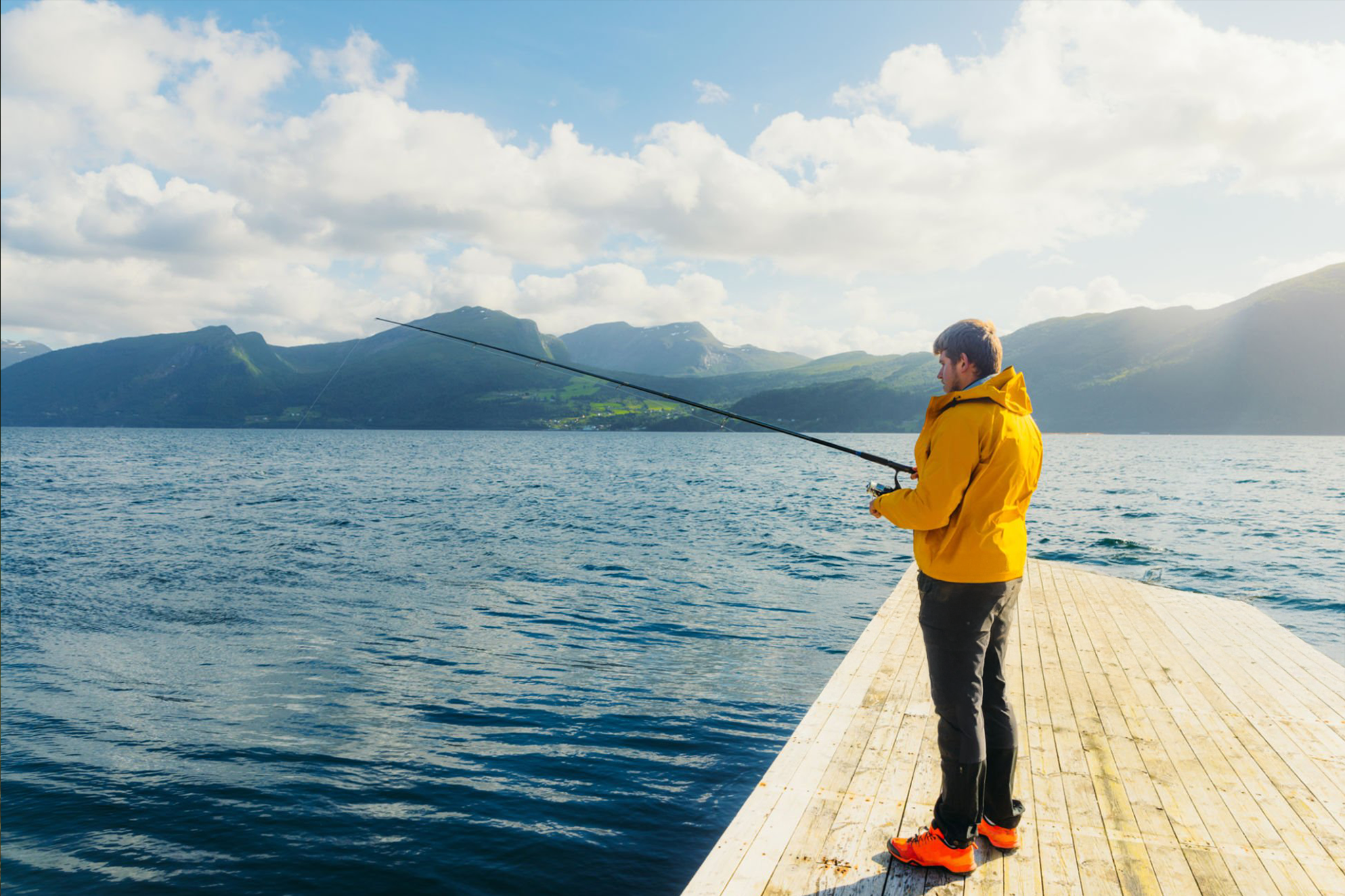
For saltwater anglers, the change of seasons signals more than crisp air and shorter days—it triggers migrations, feeding binges, and some of the best pier and jetty action of the year. As water temperatures dip, predators push closer to shore, pinning baitfish against manmade structures. For fishermen willing to bundle up and put in the time, piers and jetties become red-hot fall fishing platforms.
Why Piers and Jetties Shine in Fall
When coastal waters cool, schools of mullet, menhaden, and silversides stage their annual migrations. These baitfish funnel along shorelines and structure, attracting stripers, bluefish, red drum, flounder, and even late-season Spanish mackerel depending on your region. Piers and jetties act as ambush points, creating current breaks, shade, and hard structure where baitfish stack up—and predators lie in wait.
For the shore-bound angler, this means you don’t need a boat to hook into serious fish. In fact, sometimes the most consistent action is just a long cast off a jetty tip or from the rails of a public pier.
Timing the Bite
- Dawn and Dusk: These low-light periods are prime, especially when baitfish are visibly schooling near the surface. Predators push bait up against the pilings or rocks, and the action can be fast.
- Incoming Tide: Rising water pushes fresh bait into range and energizes predators. On jetties, incoming tide often positions fish on the ocean side, while outgoing tide pulls them into channels or back bays.
- Cooling Nights: When evening temps dip, predators feed more aggressively, especially stripers and blues. Don’t overlook late-night sessions under pier lights, where bait gathers and predators lurk in the shadows.
Productive Presentations
- Live Bait Rigs: Nothing beats a lively mullet, spot, or menhaden rigged on a fish-finder rig for enticing big stripers and drum. Fish them just outside the breakers or tight to jetty rocks.
- Jigs and Soft Plastics: Bucktails tipped with soft plastics or Gulp! baits shine for flounder and redfish along the jetty edges. Cast at a 45-degree angle, let the jig bounce bottom, and keep tension for those subtle thumps.
- Plugs and Metals: When blues and stripers blitz, a casting spoon, topwater plug, or slender minnow lure can be dynamite. Metals also cut through wind—perfect for long pier casts when baitfish are out of reach.
- Float Rigs: For species like speckled trout, a popping cork or float rig with live shrimp drifted along current seams is hard to beat.
Reading the Structure
- Jetty Tips: Predators patrol the ends of jetties where currents converge. These zones are prime ambush spots during tide changes.
- Rip Lines and Eddies: Look for swirling water or calm pockets along the rocks—these are bait traps and predator hangouts.
- Pier Pilings: Barnacle-encrusted pilings hold shrimp, crabs, and baitfish. Stripers, sheepshead, and flounder often hug these vertical structures tight.
- Drop-Offs and Holes: Many piers extend over natural troughs. Work jigs and baits through these deeper cuts where predators stage below moving bait schools.
Safety and Strategy
Fishing piers and jetties in the fall can mean rougher seas and slick rocks. Spiked boots, a good headlamp, and a cautious step are musts on jetty rocks. On piers, a long-handled net or pier gaff will help land bigger fish without losing them at the rail. Always respect waves and watch your footing—no fish is worth a fall.
Closing Thoughts
When autumn’s chill sets in, saltwater action along piers and jetties doesn’t fade—it intensifies. The combination of migrating bait, cooling waters, and hungry predators makes these accessible structures some of the most reliable fishing hotspots of the season. Whether you’re soaking live bait for bull reds, jigging for flounder, or casting plugs into a striper blitz, fall pier and jetty fishing offers a chance at both steady action and trophy fish.
So grab a few rigs, a thermos of coffee, and your favorite spot on the rocks or rail. As the water cools, the bite heats up—right where the surf meets the stone.