The first real cool nights of early fall often flip a switch for walleye anglers. As water temperatures begin to drop out of their summer highs, walleyes shift from sluggish, scattered feeding to aggressive, predictable patterns. For fishermen, it’s one of the best windows of the year to connect with quality fish—if you know where to look and how to adapt.
Why Cooling Nights Matter
Walleyes are temperature-driven predators. During late summer, warm surface temps can push them deep, making daytime bites tough. But once nights consistently dip into the 50s and 40s, oxygen levels stabilize, baitfish move shallower, and walleye metabolism ramps up. The fish sense winter coming and start feeding more aggressively to pack on weight. For anglers, that means longer feeding windows and better odds at prime times.
Shallow Flats in the Evening
One of the first places to check after a string of cool nights is shallow flats near weed edges. As baitfish like shiners, young perch, and shad move in to feed during low light, walleyes follow close behind. A slip bobber rig with a lively leech or minnow can be deadly here, but crankbaits that mimic small baitfish often draw savage strikes when cast across shallow structure.
Rock and Riprap Transitions
Another hot fall location is rock structure, especially riprap banks, gravel points, and shoreline transitions. Cooling water pushes walleyes onto these rocky areas where crayfish and baitfish concentrate. Casting a jig tipped with a minnow or working a shad-style crankbait along the rocks can produce consistent action, especially at dusk.
Current and River Bends
For anglers targeting river systems, cooling nights often mean walleye stack up in current breaks. Look for outside bends, wing dams, or even bridge pilings where baitfish gather in slack water. Vertical jigging with plastics or hair jigs can trigger bites when walleyes hug bottom, while trolling crankbaits through current seams covers more water and helps find active pods of fish.
Nighttime Edge Bites
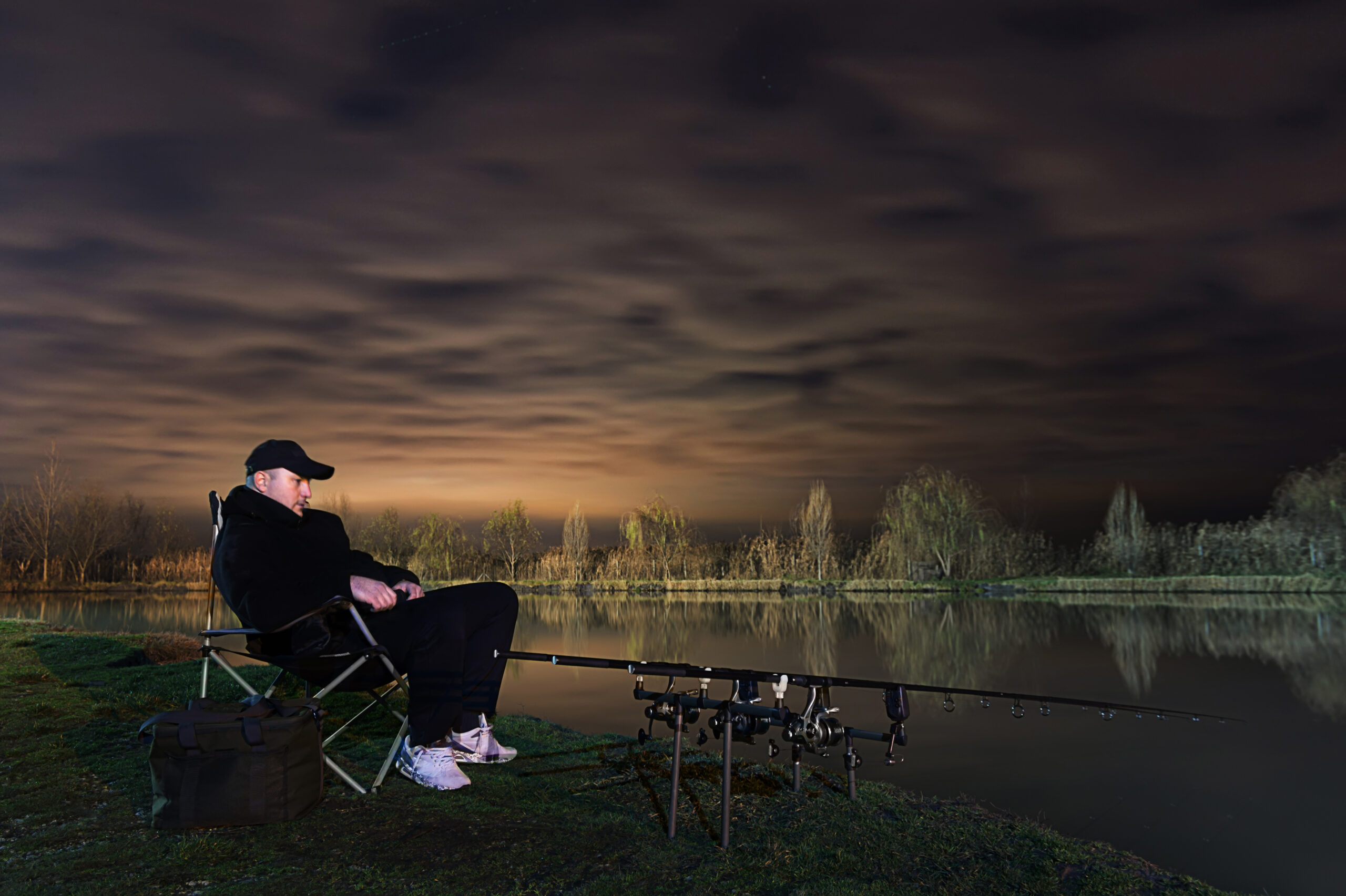
Some of the most aggressive fall walleyes are caught after dark. As water cools, big fish move shallow under the cover of night to hunt. Casting long, slender stickbaits or trolling shallow-diving cranks along shoreline breaks can be incredibly productive. Anglers willing to brave the cool evenings often cash in on their biggest fish of the season.
Fine-Tuning the Presentation
- Slow It Down: As the water cools further, walleyes remain aggressive but prefer slower-moving baits. Subtle jigging or steady crankbait retrieves often outperform erratic action.
- Match the Forage: If young-of-the-year perch dominate, use green or gold baits. If shad are thick, silver and white crankbaits shine.
- Light Leaders: Cooling, clear water makes walleyes wary. Fluorocarbon leaders in the 8–12 lb range often increase hookups.
Closing Thoughts
Cooling nights mark the beginning of one of the best times to chase walleye all year. Fish that were scattered and finicky in August become aggressive and predictable in September and October. By focusing on shallow flats, rocky transitions, current breaks, and nighttime shoreline runs, anglers can stay on the bite and connect with trophy fish.
When the air cools, the stars are out, and the water carries that crisp fall feel, you’ll know the walleyes are waiting.