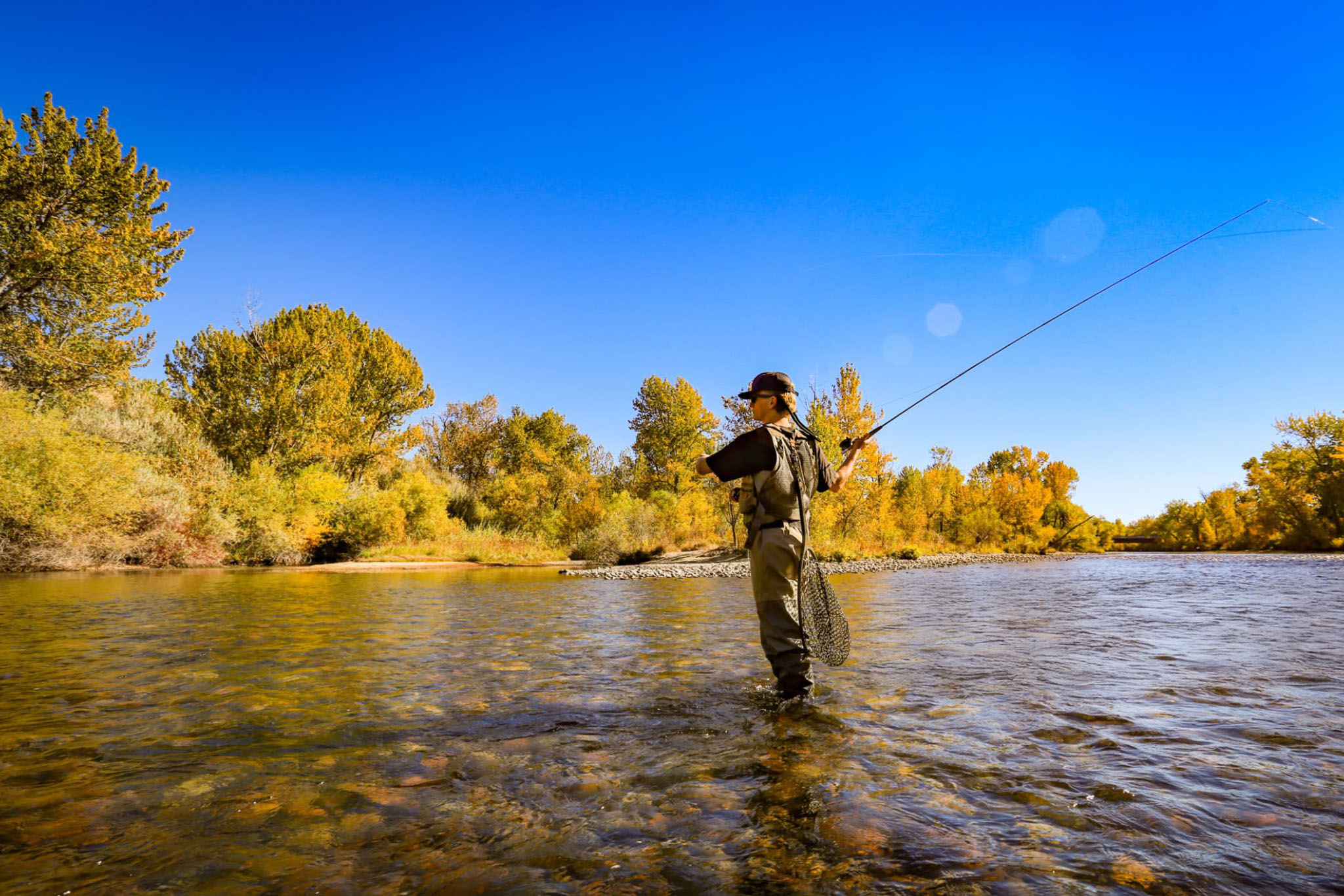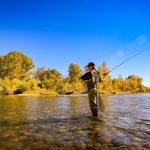
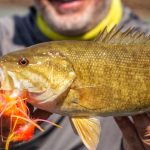

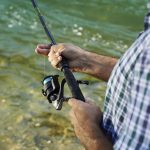
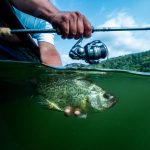
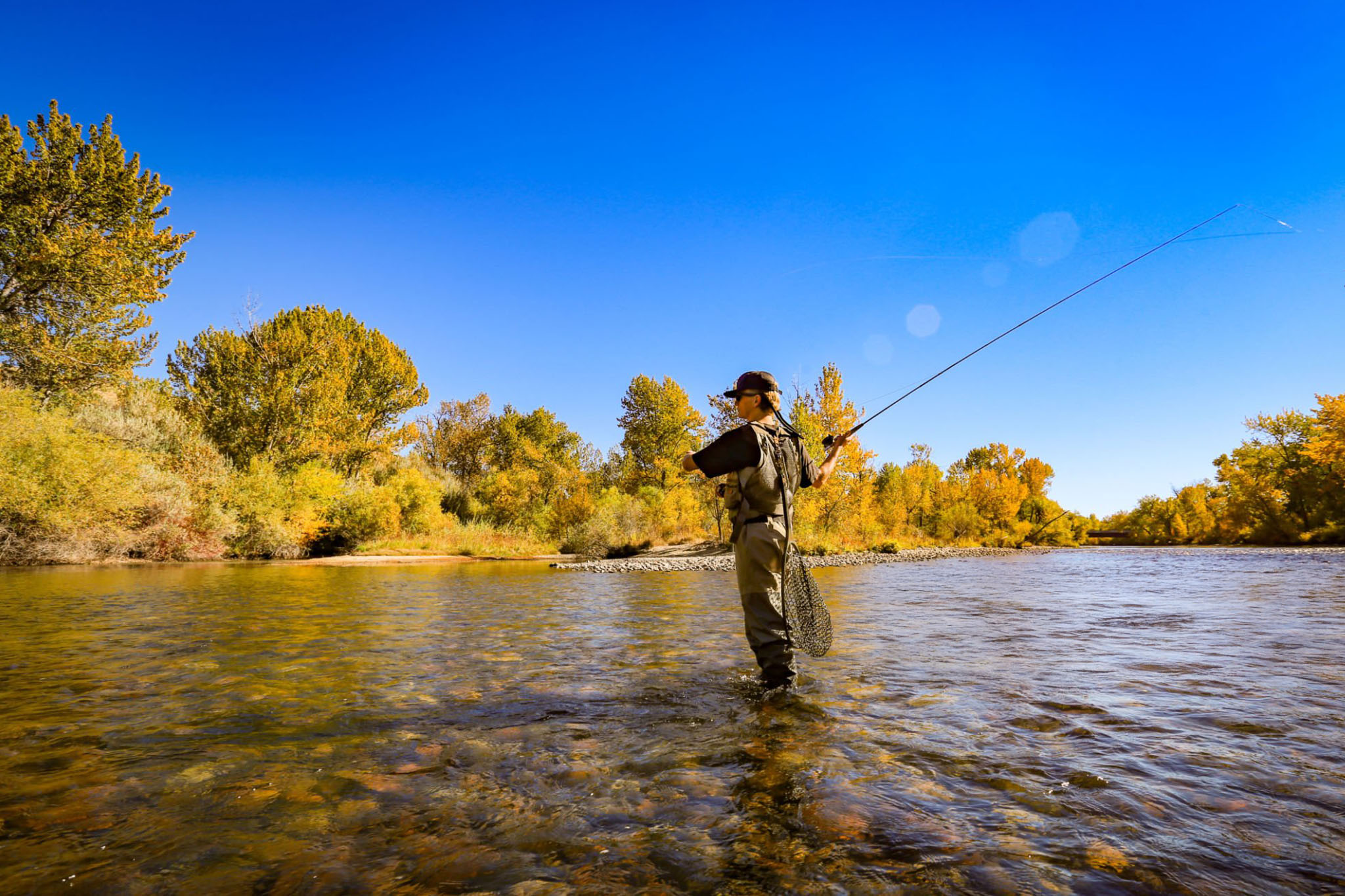
For many anglers, the sight of low rivers in late summer and early fall brings worry—fewer pools, exposed rocks, and skinny flows that seem too shallow to hold decent fish. But for those who know how to read these conditions, low water isn’t a challenge—it’s an opportunity. Skinny flows concentrate fish, expose structure that’s usually hidden, and create conditions where careful presentation can lead to some of the best bites of the year.
Why Low Water Creates Opportunity
When river levels drop, fish don’t disappear—they simply adjust. Low water reduces the number of places where they can comfortably hold, which makes them easier to locate if you know where to look.
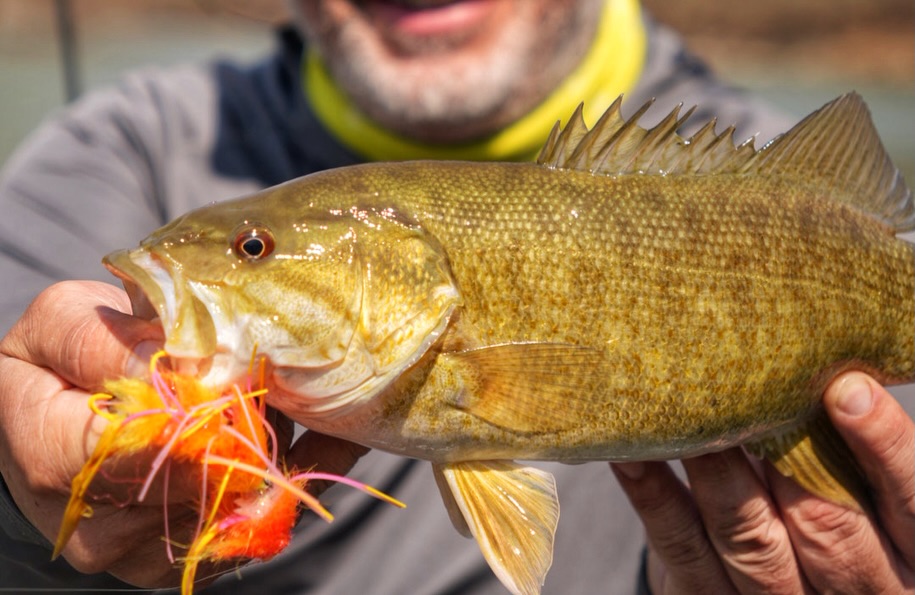
- Concentration Effect: With fewer deep runs and shaded pockets available, gamefish like smallmouth bass, walleye, and trout stack into remaining holes and current breaks.
- Exposed Structure: Boulders, ledges, and submerged logs that are often hidden during higher flows now reveal themselves, showing you prime holding zones.
- Predictable Behavior: Fish become more cautious, but also more predictable, favoring deeper pockets, shaded banks, and current seams that provide both cover and food.
In essence, low water turns a sprawling river into a smaller, easier-to-read system.
Where Fish Hold in Skinny Flows
Success during low-water periods is all about knowing where fish retreat when depth and current diminish.
1. Deepest Available Holes
Even if a “deep hole” is only four or five feet, it becomes a magnet when surrounding runs are less than two feet. Expect multiple fish stacked in small spaces.
2. Undercut Banks and Shaded Cover
Low water often comes with sunny skies. Fish push into shaded banks, root wads, or bridge pilings to escape light and feel secure.
3. Current Seams and Tailouts
In skinny flows, fish can’t afford to fight heavy current. They’ll use seams where faster water meets slack, conserving energy while still intercepting drifting food.
4. Mid-River Boulders and Riffle Edges
Those exposed rocks in low water? They create eddies and ambush points. Fish often sit just downstream or off to the side, ready to strike.
Best Tactics for Low-Water Fishing
Fishing skinny flows demands finesse and stealth. Loud presentations or sloppy wading can spook an entire pool. Here’s how to maximize your odds:
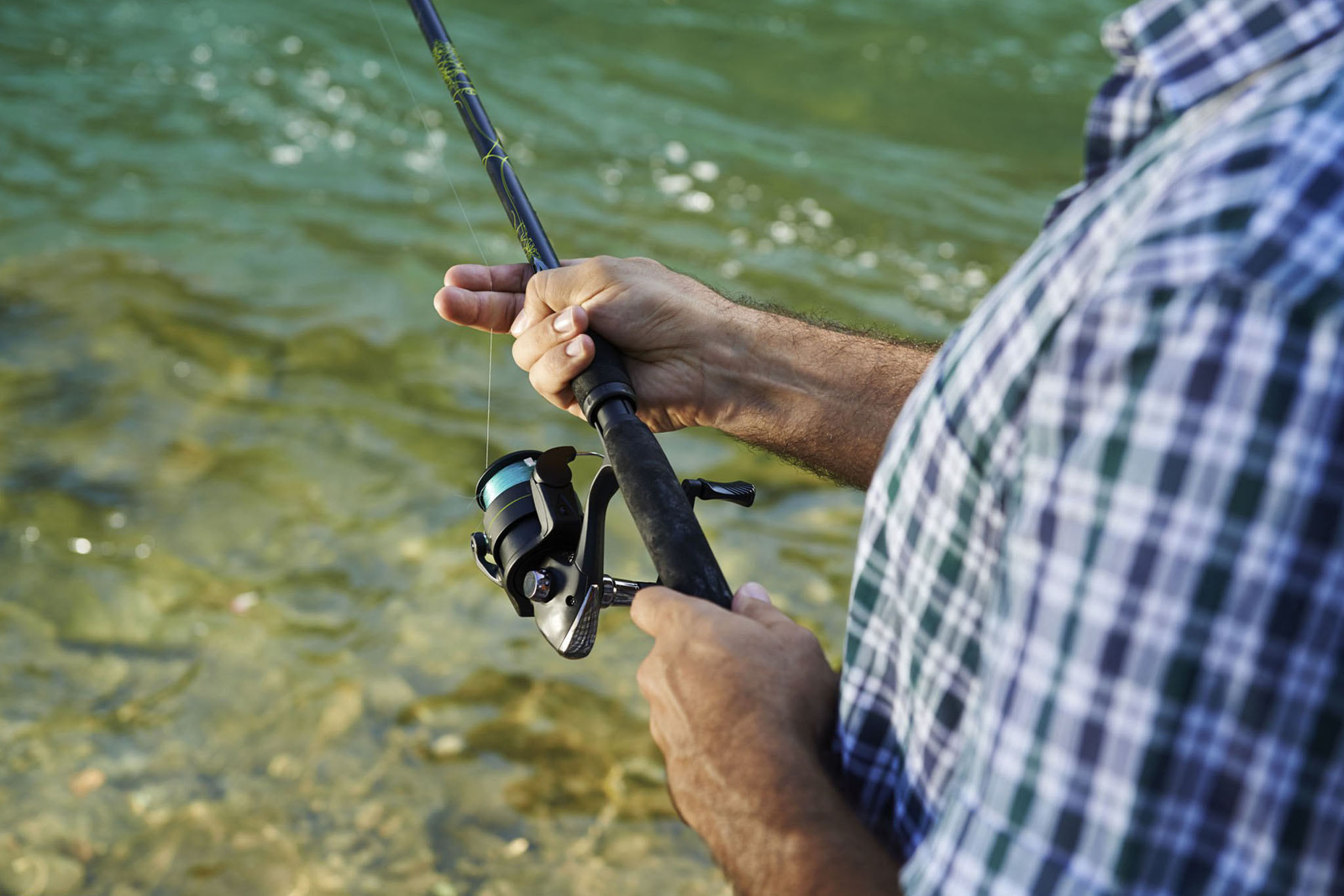
Light Tackle, Natural Approach
- Finesse Plastics: Ned rigs, small tubes, or drop-shot rigs in natural tones (green pumpkin, smoke, or brown) work wonders.
- Inline Spinners & Small Cranks: Downsized lures better match the smaller baitfish common in low water.
Go Stealth Mode
- Longer Leaders & Light Line: Fluorocarbon leaders in 6–8 lb test are ideal for spooky fish.
- Approach Carefully: Move slowly, use longer casts, and avoid wading directly into holding water.
Topwater in Skinny Runs
- Poppers and Walk-the-Dog Baits: In low light conditions, fish that feel safe in shallow riffles will smash topwater baits.
- Timing Matters: Early morning and evening are prime, when fish roam out of cover to feed.
Reading Water in Low Flows
Skinny rivers tell their story clearly if you pay attention.
- Look for Foam Lines: These act like conveyor belts, moving food and attracting fish beneath.
- Watch for Nervous Water: Subtle swirls or dimples often reveal fish stacked in shallow runs.
- Learn from Exposed Structure: Take note of rocks, ledges, and stumps now visible—you’ll know where to cast when flows rise again.
Common Mistakes in Skinny Flows
- Wading Too Aggressively: Entering the water upstream or splashing through shallow runs will spook fish before you even cast.
- Fishing Only Obvious Holes: While deep pools hold fish, don’t ignore shaded banks, riffle edges, or tiny pockets others overlook.
- Using Heavy Tackle: Big, noisy lures that work in higher water can shut down fish in low-flow conditions.
The Seasonal Payoff
Low-water fishing isn’t just about immediate success—it sets you up for later in the season. By learning how fish use structure and current when the river runs skinny, you gain insight into where they’ll transition as fall rains and cooler temperatures change conditions.
For now, though, low water offers the kind of concentrated action and sight-fishing opportunities that can make a day on the river unforgettable. The key is to approach with patience, stealth, and a sharp eye for detail.
Final Thoughts
Low water doesn’t mean tough fishing—it means smart fishing. By dialing into deeper holes, shaded edges, and subtle current seams, you can turn skinny flows into some of the most productive fishing of the season. Remember, in shallow rivers, every movement counts—so tread lightly, fish with finesse, and let the river reveal its concentrated bounty.