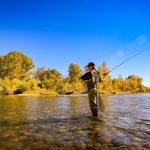
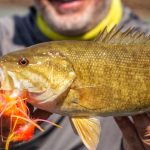
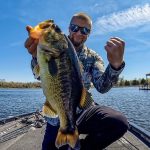
As summer’s blazing heat gives way to the crisp mornings of early fall, anglers across the country know they’re entering one of the most dynamic fishing windows of the year. Late August through September is a transition period—water temperatures begin to drop, baitfish migrate, and gamefish shift feeding patterns. If you understand these changes, you can turn tricky days into some of the most productive fishing trips of the season.
Here’s how to adapt your strategy as we move from the heat of summer into the harvest months of fall.
The Seasonal Shift: Why Fish Behave Differently
During peak summer, warm water often drives fish into deeper, cooler areas. Oxygen levels can drop in stagnant shallows, forcing bass, walleye, and panfish to suspend offshore or hug bottom structures.
But as nights get cooler and water begins to lose heat, fish become more active in shallower zones again. They start feeding aggressively to bulk up before winter, following schools of shad, minnows, and other forage into creeks, rivers, and nearshore shallows.
This shift means anglers must stay flexible—what worked in August might fall flat in September.
1. Bass Fishing: Following the Bait
- Summer Behavior: In July and August, largemouth and smallmouth often school up in deep water or relate to ledges, humps, and submerged timber.
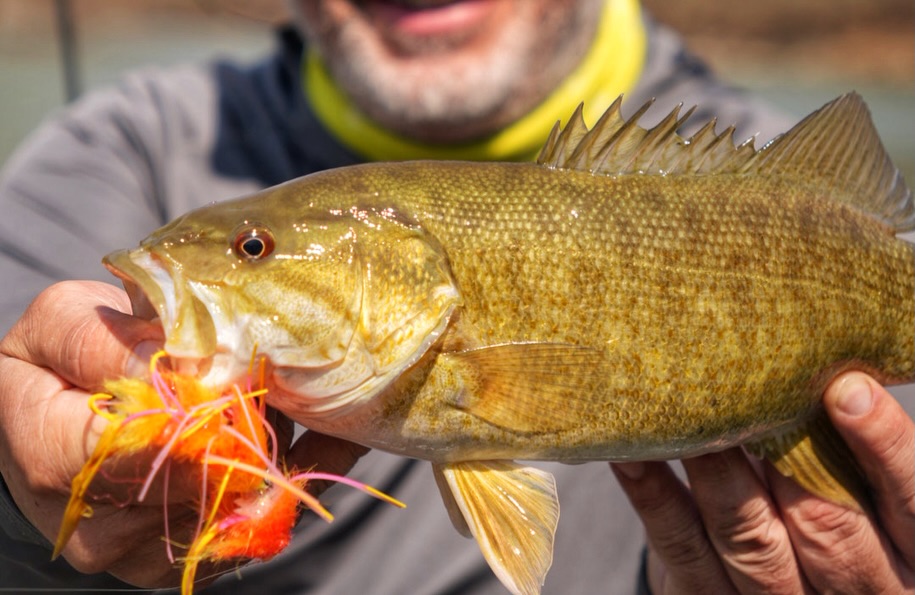
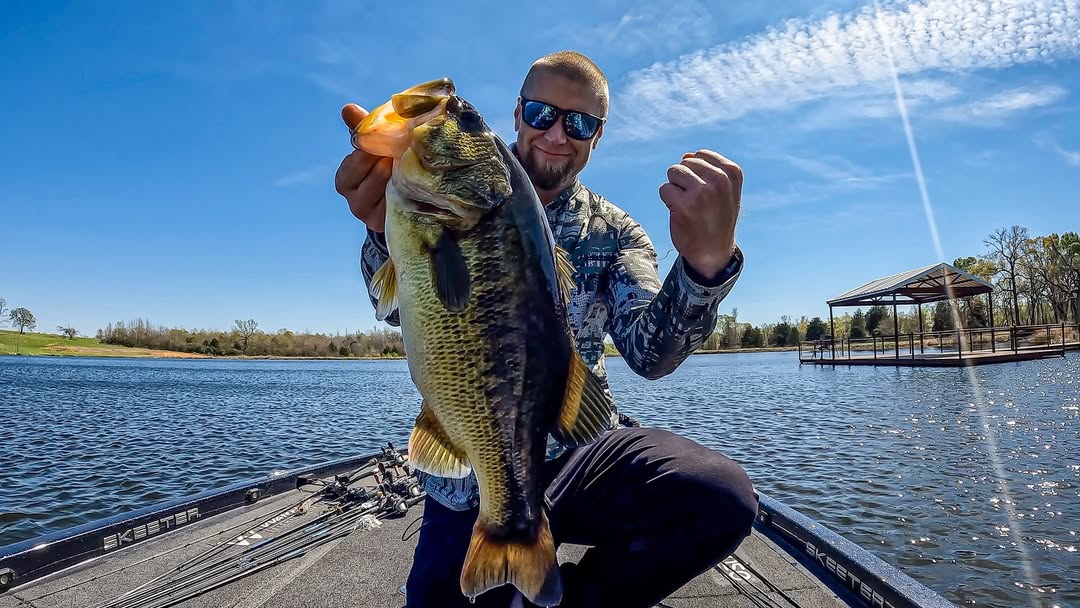
- Fall Transition: As water cools into the 60s and 70s, bass chase baitfish toward creek arms, rocky banks, and shallow coves.
Best Tactics:
- Use shad-imitating lures like crankbaits, spinnerbaits, and swimbaits to match the forage.
- Try topwater baits in the mornings and evenings when bass ambush schools near the surface.
- Fish points and creek mouths—natural stopping points for migrating bait and hunting bass.
2. Walleye: From Deep to Structure
- Summer Behavior: Walleyes often suspend over deep basins or hold on offshore humps during hot months.
- Fall Transition: As waters cool, they return to rocky structures, reefs, and river channels where baitfish concentrate.
Best Tactics:
- Switch from crawler harnesses to jigs and crankbaits, which mimic fall forage more effectively.
- Fish during low-light hours—walleyes remain sensitive to bright sun.
- Target current edges in rivers where oxygen levels and bait density are high.
3. Panfish and Crappie: Schooling Tight
- Summer Behavior: Crappie and bluegill scatter widely across weed beds and deep brush.
- Fall Transition: As the water cools, they begin grouping tightly around cover, making them easier to target.
Best Tactics:
- Use small jigs tipped with minnows for crappie.
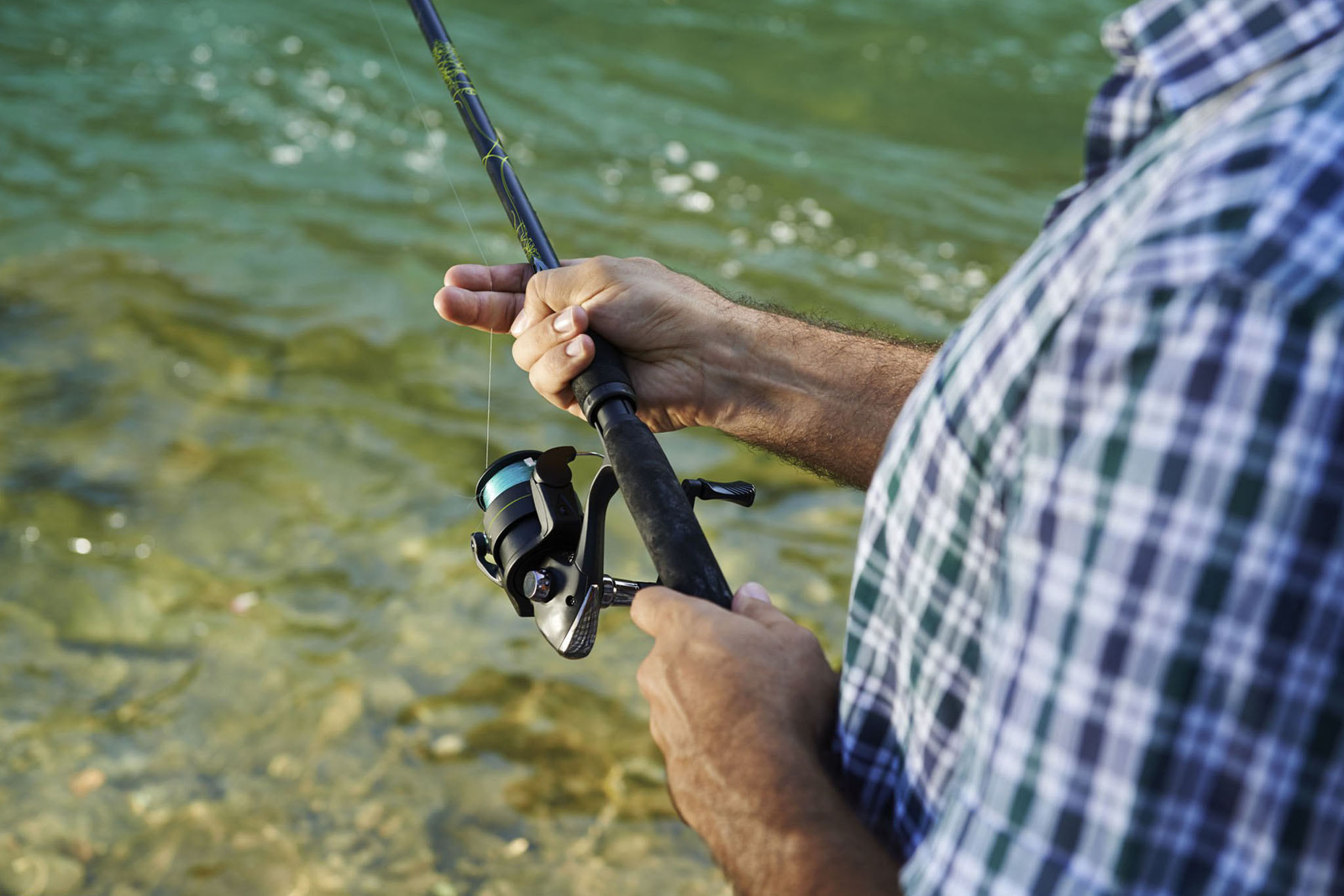
- Try ultralight gear with worms or soft plastics for bluegill.
- Check submerged trees, docks, and brush piles—they often become fall hotspots.
4. Trout and Cold-Water Species
- Summer Behavior: Trout retreat into deeper pools or spring-fed tributaries to escape heat stress.
- Fall Transition: Cooler water reinvigorates them, and hatches of late-season insects provide consistent feeding opportunities.
Best Tactics:
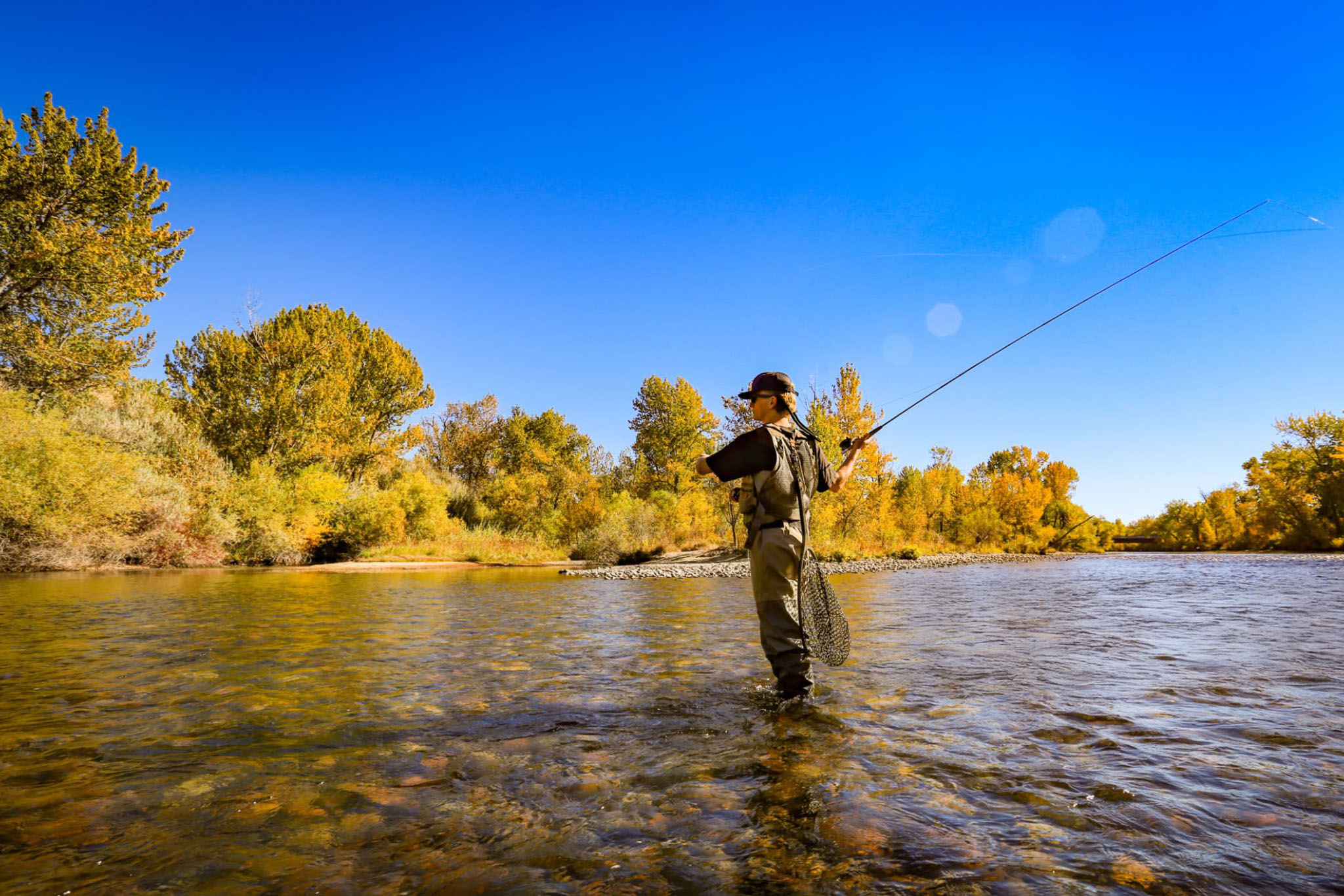
- Fly anglers should match late-summer and early-fall hatches like terrestrials, caddis, and small mayflies.
- Spin anglers can try inline spinners and small crankbaits in fast water runs.
- Don’t overlook larger streamer patterns in September, when big browns begin pre-spawn feeding.
5. Timing and Conditions
Fall fishing success often comes down to timing:
- Cool mornings and evenings: Fish are most active when light is low and temps are comfortable.
- Overcast days: Cloud cover often sparks all-day feeding activity.
- Cold fronts: The bite can slow immediately after, but stabilize after a day or two.
By monitoring local water temps and weather forecasts, you can anticipate fish movements more accurately.
6. Gear Adjustments for the Transition
- Line choice: Switch to slightly heavier line if targeting aggressive, shallow-feeding bass or pike.
- Lure selection: Carry a mix of summer deep-water options and fall shallow-water baits.
- Clothing: Prepare for wide temperature swings—hot afternoons can quickly turn chilly once the sun sets.
Common Mistakes Anglers Make
- Sticking to deep water too long: As soon as baitfish start moving shallow, gamefish follow. Don’t miss the shift.
- Overlooking small creeks and coves: These areas become fish highways in September.
- Fishing at the wrong time of day: Midday heat may still be slow; focus efforts around dawn and dusk.
Final Thoughts
The transition from summer heat to fall harvest is one of the most exciting times to be on the water. Fish are feeding aggressively, patterns are shifting daily, and opportunities abound across lakes, rivers, ponds, and streams. By adapting your tactics—moving shallower with the bait, adjusting gear, and timing trips around weather—you’ll be ready to capitalize on this season of change.
Fall isn’t just about hunting season—it’s also one of the best times of year to land your biggest fish.