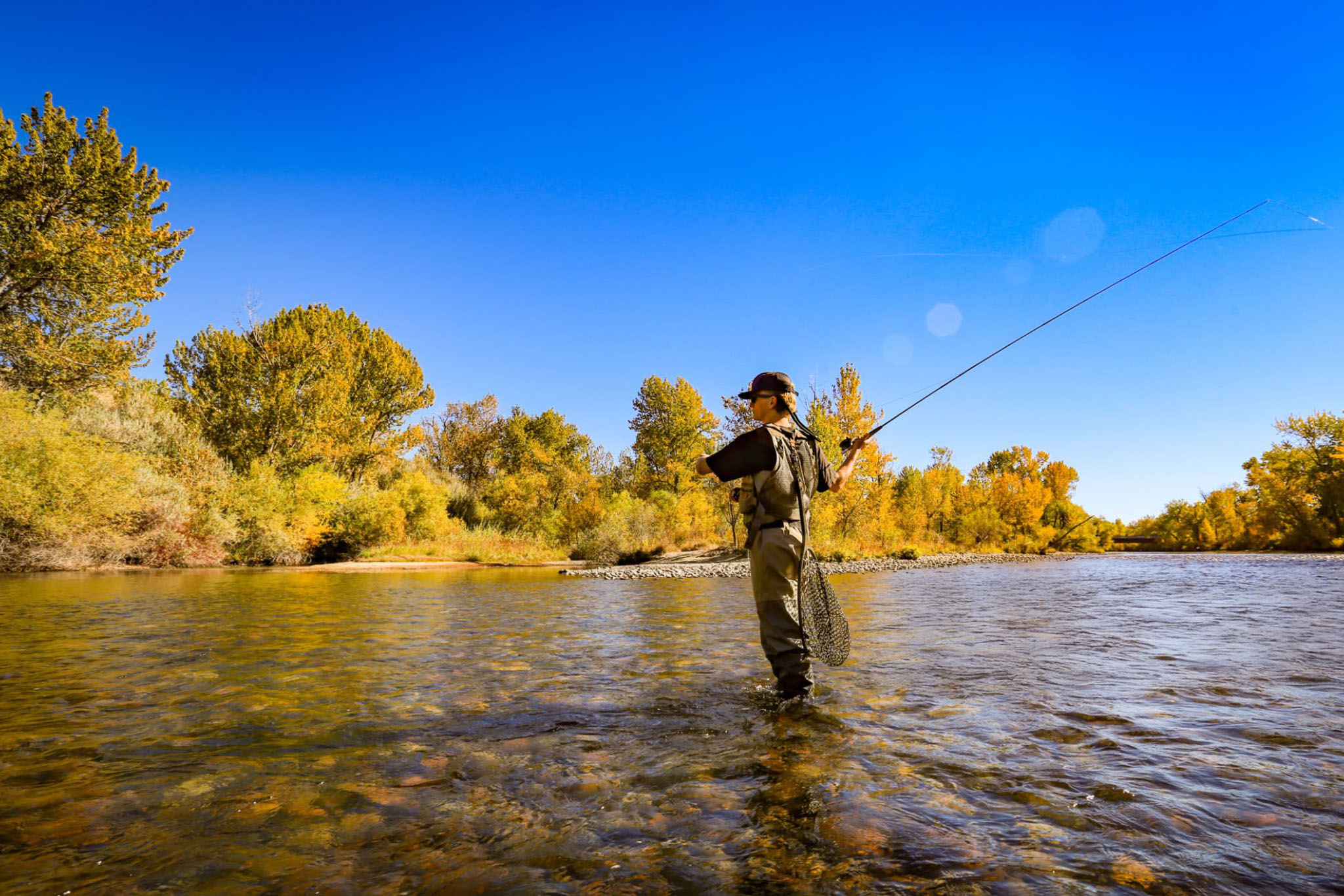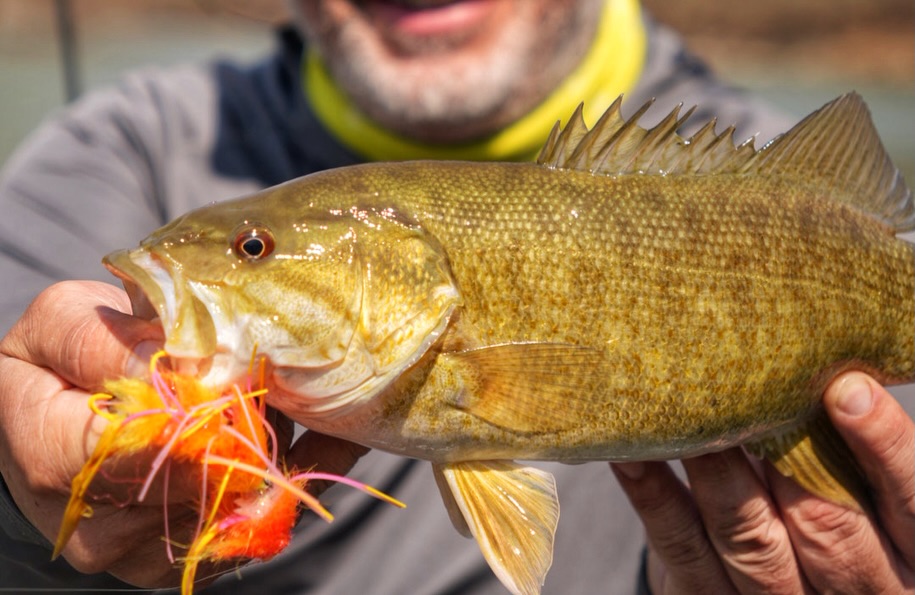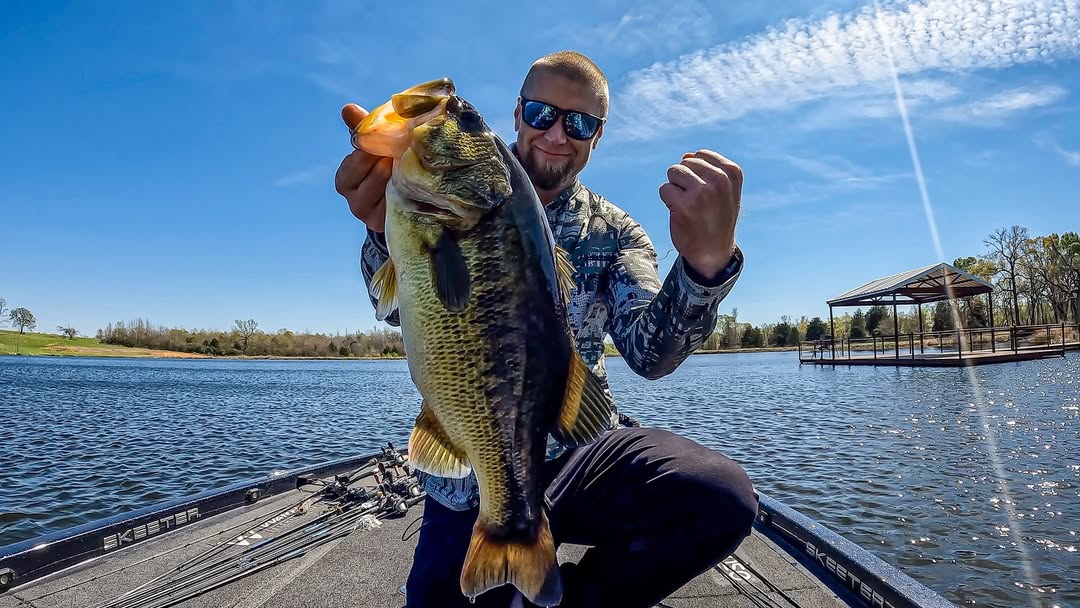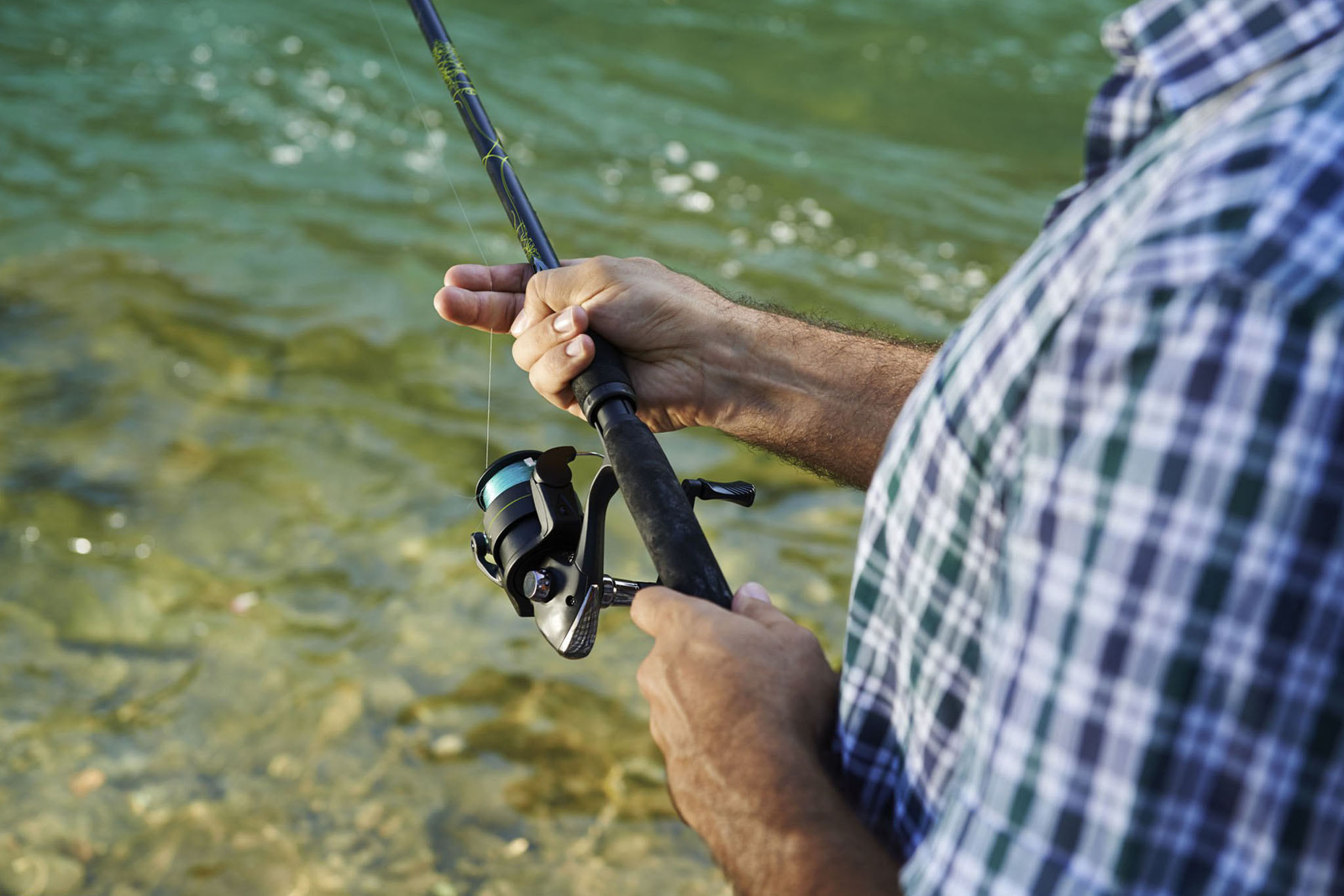


Late summer fishing presents a unique challenge: water temperatures fluctuate dramatically from morning to evening, directly influencing fish behavior. Whether you’re chasing bass, walleye, or panfish, understanding how temperature changes throughout the day affect feeding patterns, movement, and habitat choice is crucial for consistently putting your line in the water where the fish are.
1. Morning Cool-Down: Early Sunup Strategies
The early morning hours often bring cooler water temperatures, especially in shallow areas. Fish are usually more active in these cooler pockets, making them prime targets for anglers.
- Shallow Feeding Zones: Many species, like largemouth bass and bluegill, move into shallow water at dawn to feed on insects, crustaceans, and forage fish.
- Topwater Action: Calm mornings with cooler water often trigger aggressive strikes on surface lures, offering a thrilling opportunity for sight fishing.
- Presentation Tips: Use smaller, natural-colored lures to match morning forage, and make soft, deliberate retrieves to avoid spooking fish in clear, shallow water.
2. Midday Heat: Shifting Patterns
As the sun climbs and water temperatures rise, fish behavior shifts. They tend to move deeper or seek shaded structures, changing where and how you should present your bait.
- Deeper Holds: Fish retreat to deeper holes, under docks, or around submerged structures to escape warm surface waters.
- Slower Presentation: Higher temperatures often slow fish metabolism. Use subtle, slow-moving lures like jigs, soft plastics, or suspending crankbaits.
- Targeting Thermoclines: In lakes with stratified water layers, fish may hold near cooler thermoclines. Electronics like fish finders can help identify these temperature breaks.
3. Late Afternoon: Feeding Resurgence
As the sun starts to descend, water begins to cool, triggering another feeding surge. This pre-sundown period often rivals the morning bite and offers anglers a chance to capitalize on active fish.
- Shallow Water Returns: Fish move back into shallow flats, feeding aggressively before nightfall.
- Topwater and Spinnerbaits: Early evening is ideal for topwater lures, buzzbaits, and spinnerbaits, especially in low-light conditions.
- Shadow Strikes: Pay attention to shadows from trees, docks, and weed edges—fish use these as ambush points during evening feeds.
4. Adapting Your Gear and Techniques
A successful day on the water requires flexibility:
- Multiple Rod Setups: Keep both shallow-water and deep-water rigs ready. Switching quickly allows you to adapt to temperature-induced movement.
- Line Selection: Clear water and low-light conditions favor lighter lines, while deeper or stained water may require heavier or fluorocarbon lines for better sensitivity.
- Lure Variety: Match your lure choice to both depth and temperature. For slow, warm-water periods, finesse presentations work best; for active cool-water bites, go aggressive.
5. Observing the Environment
Temperature isn’t the only factor. Watch for signs that indicate changing conditions:
- Surface Activity: Splashing fish, insects falling on the water, and baitfish movements signal where predators are feeding.
- Wind Shifts: Light winds can push warmer surface water into shallow areas, subtly changing fish locations.
- Sunlight Patterns: Direct sunlight can warm small pockets quickly, driving fish into cooler shadows or deeper waters.
6. Mindset: Patience and Observation
Late-summer fishing is as much about observation as it is about casting. A patient angler who reads water temperature changes, adapts lure choice, and follows fish movement patterns from sunup to sundown will consistently stay ahead of the curve.
Conclusion
From the first rays of sun to the fading light at dusk, water temperature shapes fish behavior. By understanding how temperature shifts influence depth, feeding zones, and activity, you can adjust your techniques to stay in front of the bite all day. Successful anglers know that timing, observation, and adaptability—not just luck—dictate results during the late summer fishing grind.