
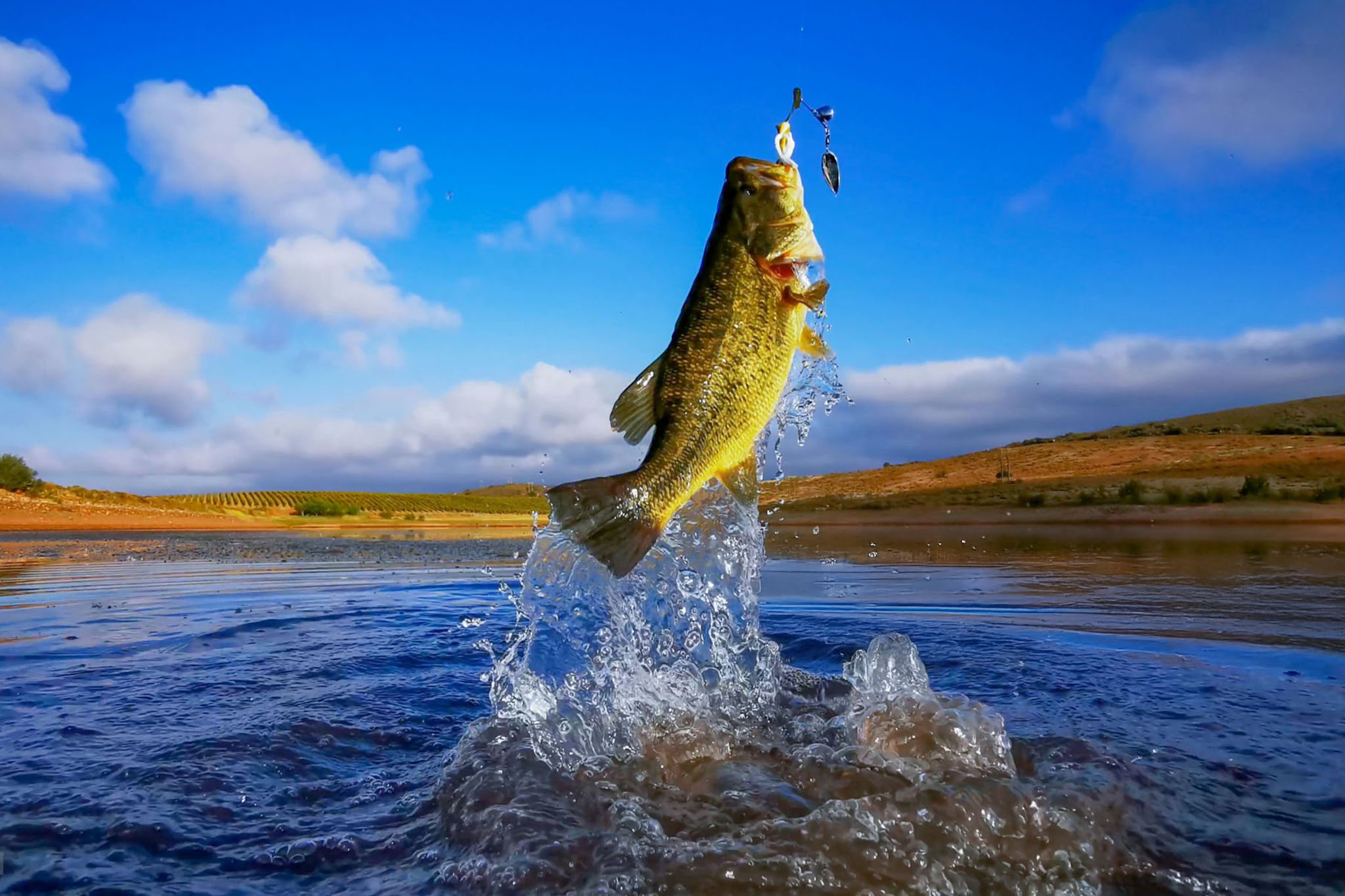
Late summer is a transitional period on most lakes and reservoirs. As shallow water temperatures climb, largemouth and smallmouth bass often leave their summer feeding grounds and move to deeper, cooler areas. Understanding these behavioral shifts is essential for anglers who want to stay ahead of the bite and land consistent catches.
1. Why Bass Move Deeper
Water temperature is the primary driver behind bass relocation in late summer. As shallow flats heat up during the day, bass seek refuge in cooler, oxygen-rich waters. Key factors influencing their movement include:
- Thermal Comfort: Bass are sensitive to temperature extremes. Shallow water above 80°F can stress them, causing them to retreat to deeper holes or drop-offs.
- Oxygen Levels: Warm water holds less oxygen, and bass will move to areas with higher dissolved oxygen, often near submerged vegetation, creek channels, or ledges.
- Food Availability: Even though bass move deeper, they follow baitfish and other prey that are also shifting to cooler waters.
2. Identifying Late-Summer Holding Areas
Pinpointing where bass congregate requires observing underwater structure and topography:
- Deep Ledges and Drop-offs: Bass often hug the contours where shallow flats suddenly transition into deeper water. These areas provide both cover and easy access to feeding zones.
- Submerged Points and Channels: Points that extend into deeper water act as ambush spots. Channels funnel prey fish, making them prime hunting grounds for bass.
- Vegetation Pockets: Even in deeper water, isolated patches of submerged weeds or brush piles offer protection and feeding opportunities.
3. Adjusting Techniques for Deep-Water Bass
Fishing deeper water requires subtle but effective adjustments in gear and presentation:
- Jigs and Soft Plastics: Using jigs tipped with soft plastic trailers can mimic crawfish or baitfish that bass feed on in deep water. Slow dragging along the bottom often triggers strikes.
- Drop-Shot Rigs: Perfect for vertical presentations, drop-shots keep the bait at eye-level with suspended bass, ideal for mid-depth or slightly suspended fish.
- Deep-Diving Crankbaits: For covering water and locating schools of bass, deep-diving crankbaits can trigger reaction strikes. Match your color to local forage for maximum effectiveness.
4. Time-of-Day Considerations
Bass movement and feeding patterns fluctuate throughout the day:
- Early Morning: Bass may still linger in shallows before the sun fully heats the water. Topwater lures and spinnerbaits can produce early strikes.
- Midday Heat: Shallow areas become unproductive as bass retreat to deeper holes. Focus on vertical presentations in cooler, deeper water.
- Late Afternoon: As the sun lowers, bass often push back toward shallower edges, providing a window for active feeding in transition zones.
5. Tools to Track Deep-Water Bass
Modern electronics and careful observation can greatly improve your ability to locate bass:
- Fish Finders and Sonar: Identify depth contours, thermoclines, and baitfish activity to locate holding bass.
- Topographic Maps: Study lake charts to find key structures like humps, ledges, and channels where bass are likely to gather.
- Water Clarity and Temperature Meters: Monitor surface and mid-depth temperatures to predict when and where bass will shift.
6. Patience and Persistence
Late-summer bass fishing is as much about strategy and observation as it is about casting. Success comes from staying adaptable—switching depths, trying different presentations, and following the bass as they move throughout the day. By understanding the thermally driven shifts in bass behavior, anglers can maximize their chances of hooking big, aggressive fish.
Conclusion
In late summer, bass aren’t stationary—they move deeper in search of comfort, cover, and prey. By reading the water, adapting your presentations, and targeting key structures, anglers can stay ahead of the seasonal shifts and consistently catch fish throughout the heat of the day. Patience, observation, and a flexible approach are your best tools for mastering late-summer bass tactics.