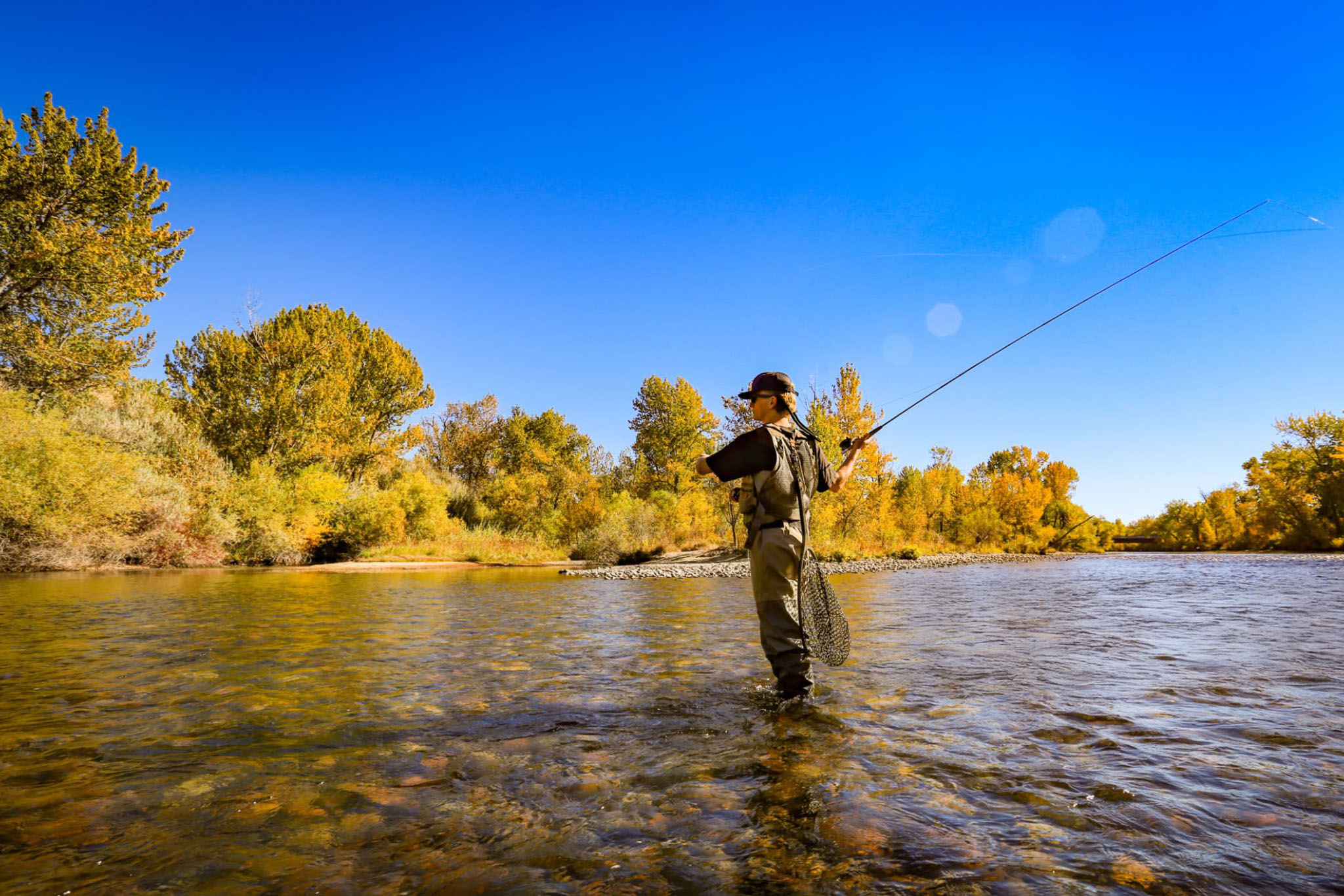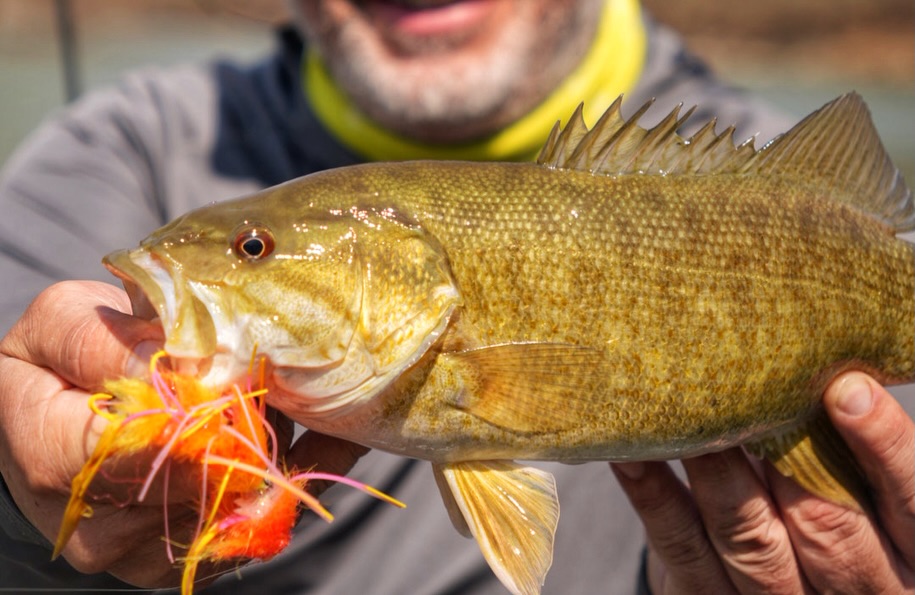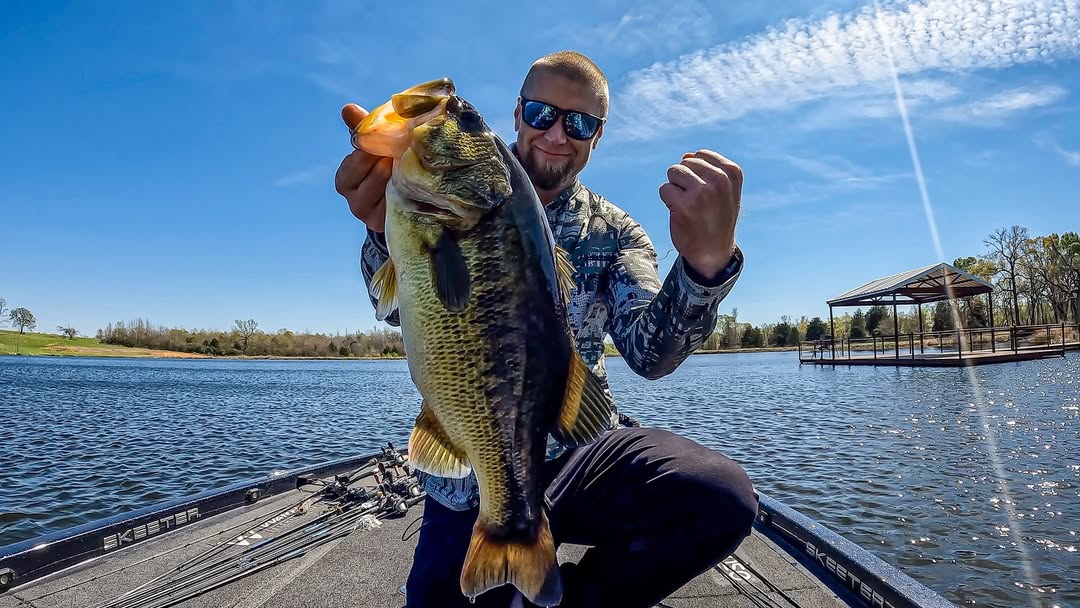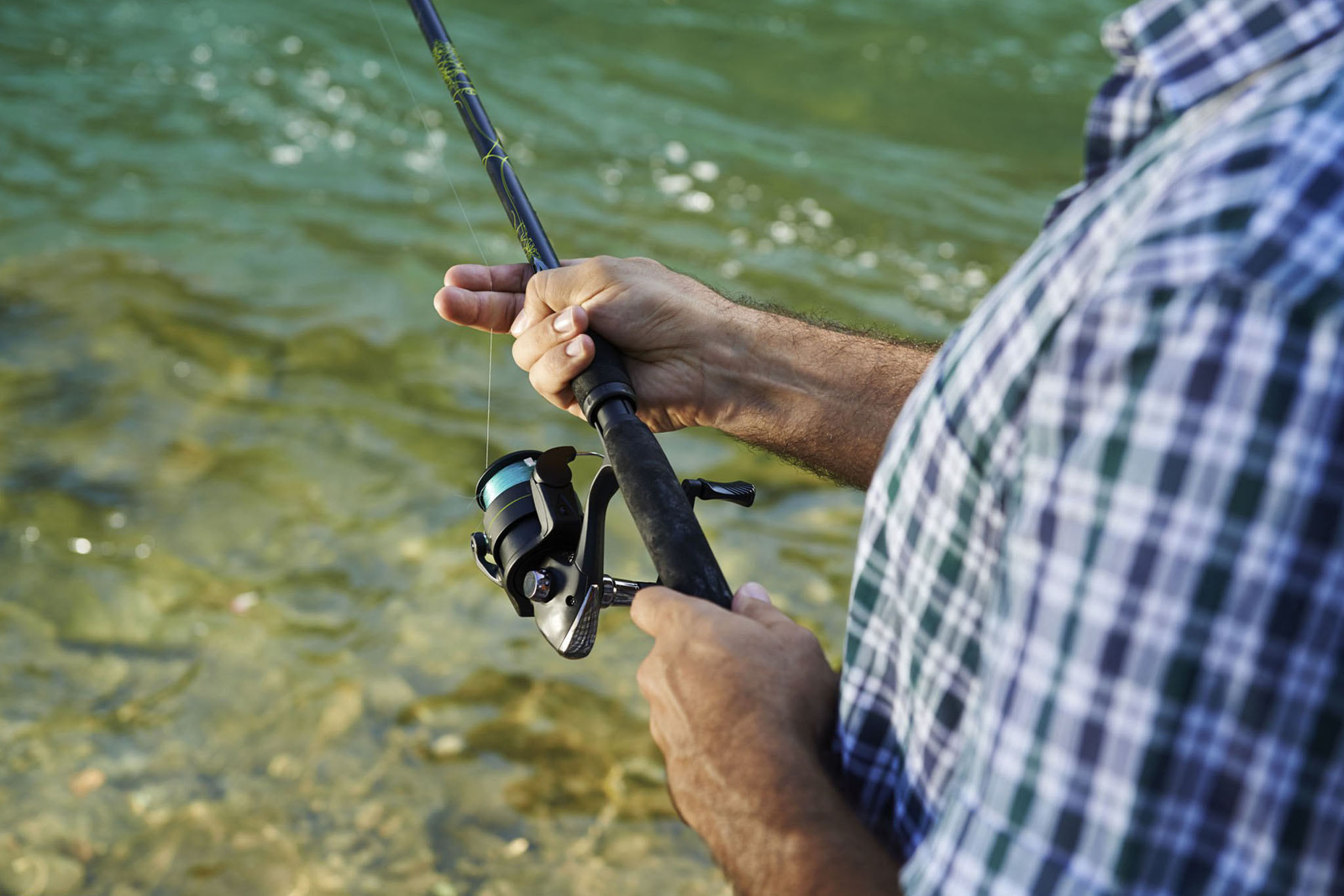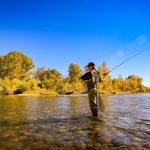
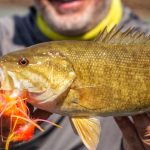

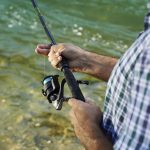
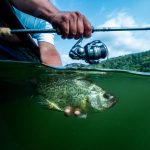
Late summer rivers can look deceptively quiet. The flows are low, the water’s warm, and many anglers assume the fishing is slow. But for those who understand how gamefish adapt to these seasonal conditions, shallow warm-water rivers can be some of the most productive fisheries of the year. Whether you’re chasing smallmouth bass, walleye, or channel cats, success comes from knowing where fish hide, how they feed, and how to approach them without blowing your shot.
Understanding the Summer River Environment
By August, most rivers have lost the strong spring currents that kept fish spread out. Lower flows mean less oxygen and higher water temperatures, which forces fish to find microhabitats that offer cooler water, better oxygen, or steady food sources. Often, that means:
- Deeper mid-river holes that retain cooler temperatures.
- Shaded banks with overhanging vegetation or steep cutbanks.
- Riffles and runs where water tumbles over rocks, adding oxygen.
- Backwater eddies where baitfish get trapped in the current seams.
It’s these zones—especially the transitions between them—that act as late-summer refuges.
Targeting the Right Locations
1. Riffle-to-Pool Transitions
Fish often stage just downstream of a riffle where food is funneled into a slower, deeper pool. Smallmouth in particular love these spots, ambushing crayfish and baitfish drifting through. Cast upstream and let your bait or lure naturally drift into the pool.
2. Undercut Banks
These shaded hideouts provide both cooler water and security from predators. They’re excellent for walleye and catfish in low-light hours. Approach quietly and keep your casts tight to the edge.
3. Current Breaks Behind Structure
Boulders, logjams, and bridge pilings all create “soft water” where fish can rest while watching the current for food. These spots can hold surprisingly big fish in just a few feet of water.
Best Presentations for Warm Flows
For Smallmouth Bass
- Topwater walkers or poppers at first and last light.
- Ned rigs or finesse tubes for mid-day when fish are less aggressive.
- Light fluorocarbon leaders for stealth in clear water.
For Walleye
- Live bait rigs with nightcrawlers or leeches drifted along current seams.
- Jig-and-minnow combos fished slowly through deep runs.
For Catfish
- Cut bait or stink bait anchored in slow current near deep holes.
- Fish after sunset for more active feeding.
Low-Flow Stealth Tactics
In clear, shallow water, stealth can make or break your day.
- Wade quietly and avoid splashing.
- Use longer rods for longer casts, keeping your shadow away from the fish.
- Downsize line and lures for a more natural presentation.
- Anchor upriver when fishing from a boat, letting your presentation drift down naturally.
When to Fish
The hottest part of the day often sees fish sulking in deep shade or slow holes. Focus on:
- Early mornings before the sun warms the shallows.
- Evenings as temperatures drop and fish roam to feed.
- Post-storm periods when increased flow and cloud cover kick up activity.
Final Thoughts
Late-summer river fishing isn’t about covering miles of water—it’s about reading the river like a map of fish hideouts. By zeroing in on shaded banks, current breaks, and oxygen-rich zones, and adjusting your presentations to match the fish’s late-summer behavior, you can turn what looks like a lazy, low-flow river into a goldmine for gamefish.
The river may be low and warm, but the fish are still there—just tucked into their summer refuges, waiting for the right angler to find them.