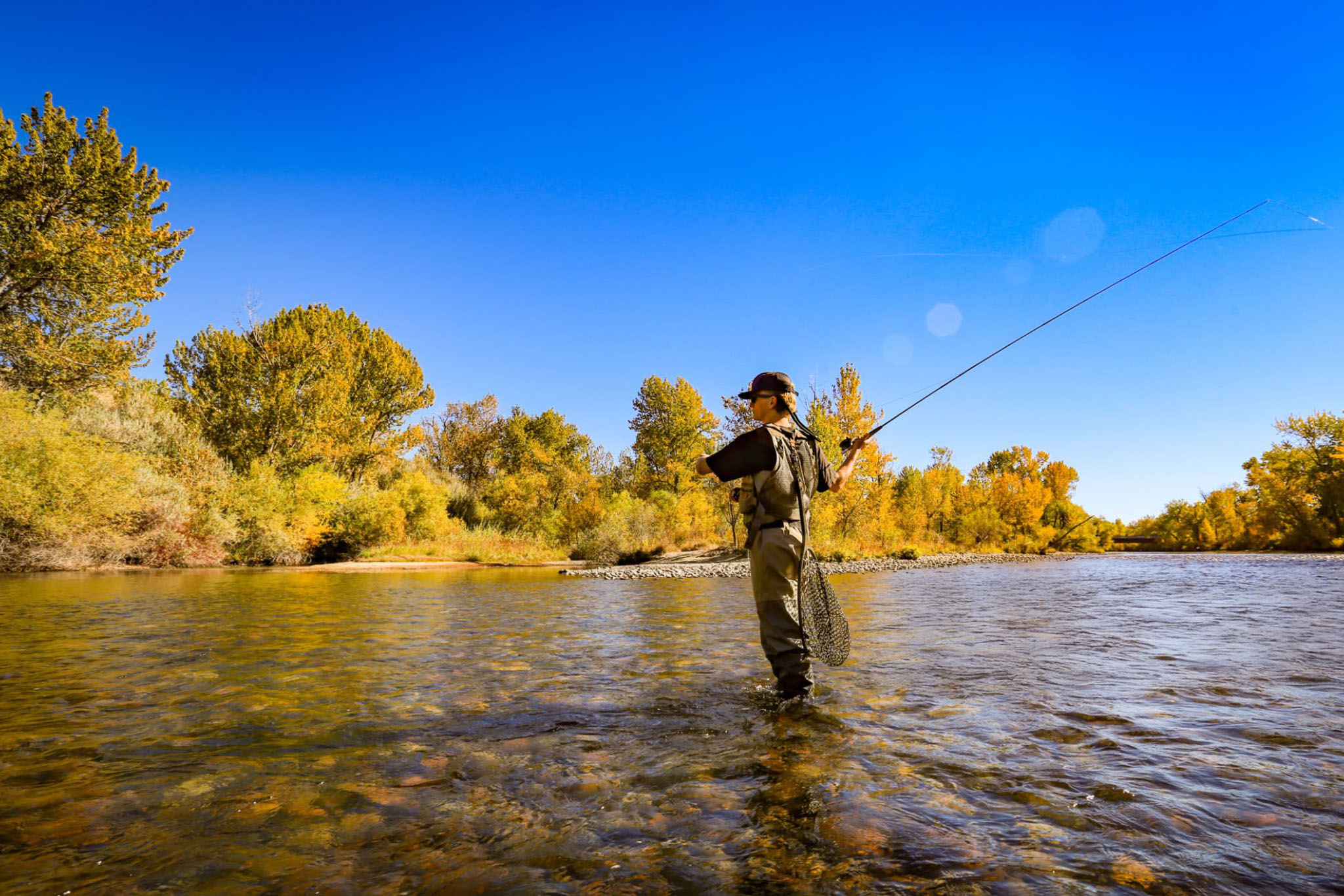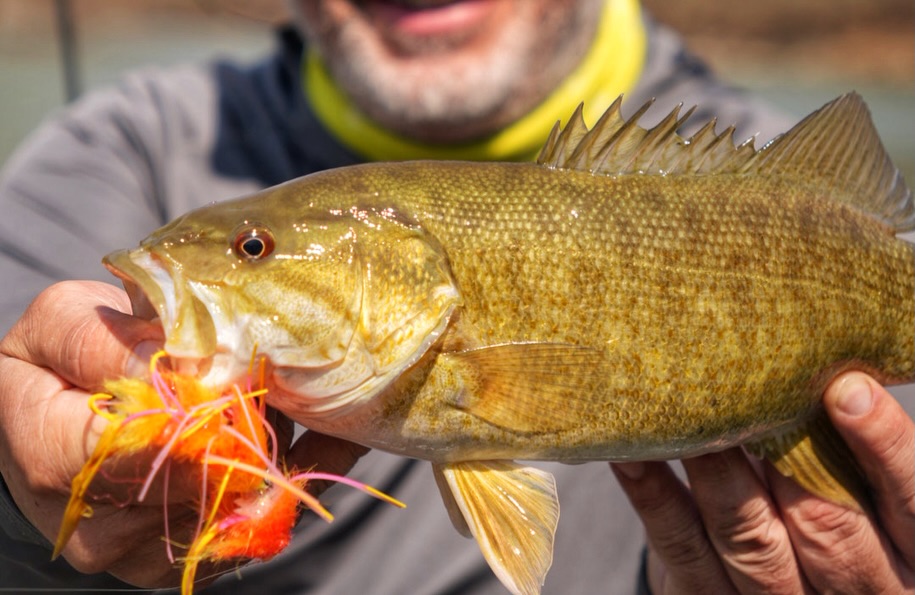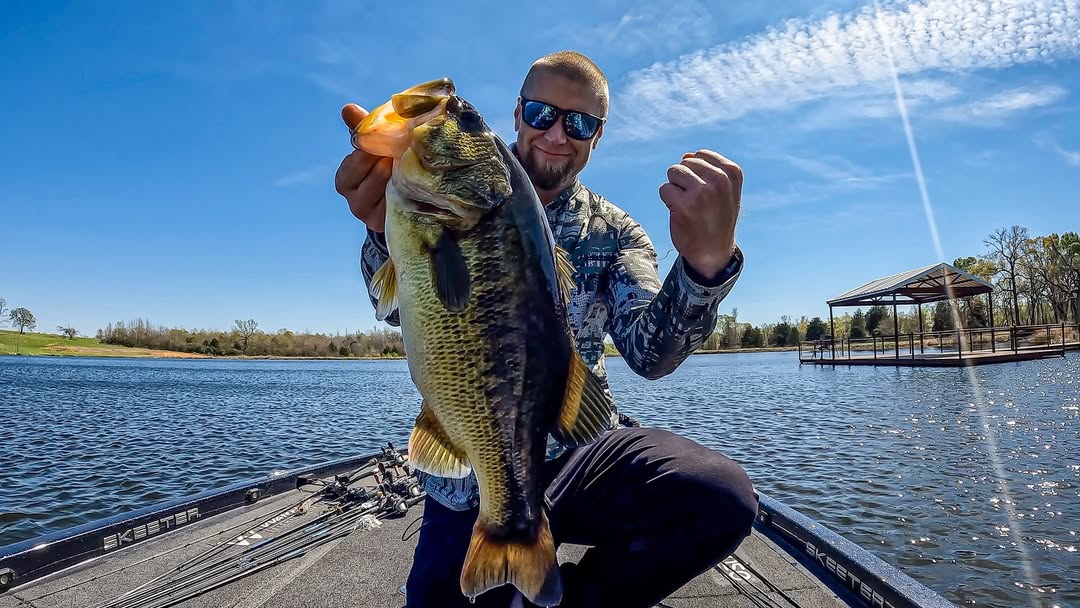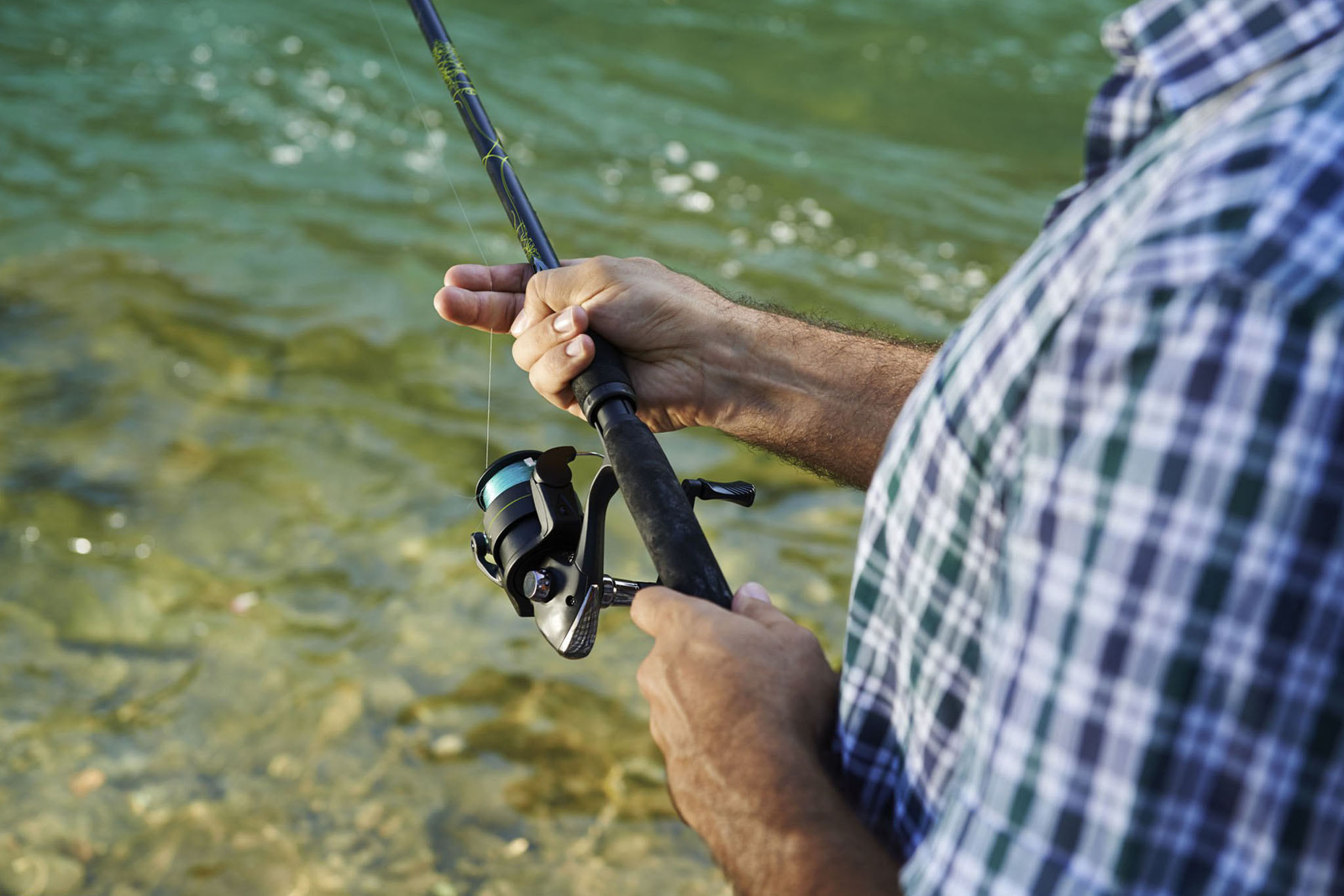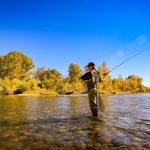
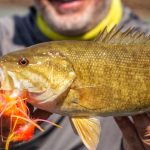
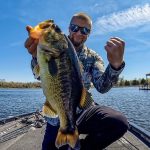
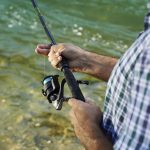
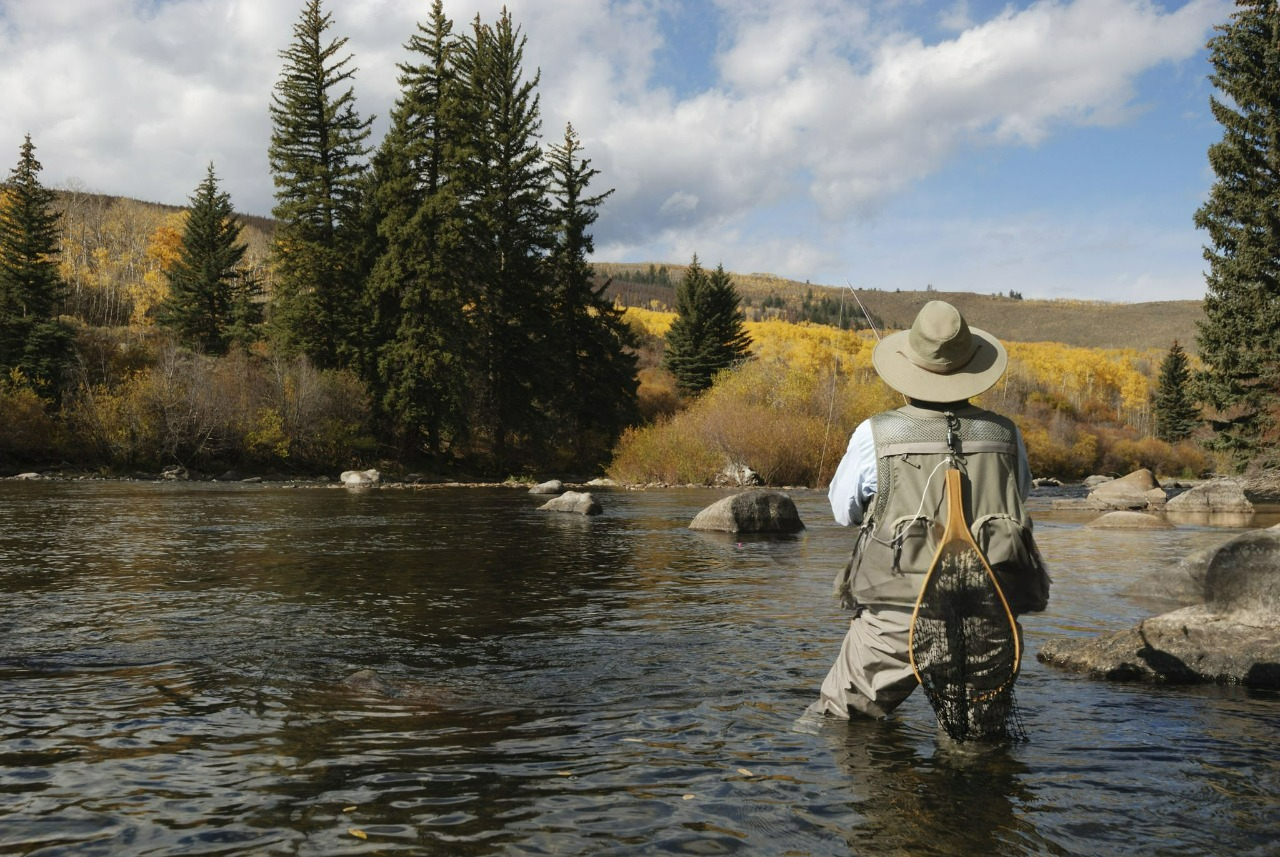
By late summer, rivers and streams often enter a tricky phase for fly anglers. The lush insect hatches of spring and early summer have tapered off, the water is warm and low, and trout can become wary, selective, and downright frustrating. Matching the hatch in this season isn’t about imitating massive mayfly swarms—it’s about paying close attention to subtle activity, micro-invertebrates, and opportunistic feeding patterns. With the right observation, tactics, and fly selection, you can still hook quality fish even when the bug life seems sparse.
Understanding Late-Summer Conditions
By August, stream flows in many parts of the country are reduced, water temperatures can creep into the 60s or low 70s, and dissolved oxygen levels drop. Trout conserve energy in these conditions, often holding in deeper runs, shaded pools, or cooler tributary inlets. Insect life is still present, but the big, obvious hatches have mostly passed. Instead, you’ll see scattered emergences—small mayflies, midges, terrestrials, and the occasional caddis—that demand a shift in your approach.
Observing the Subtle Hatch
1. Watch for Sporadic Risers
Instead of steady rise forms, late-summer trout may rise just once every few minutes to intercept a drifting insect. These fish are tuned into specific food items, so match size and color carefully.
2. Pay Attention to Micro-Insects
Tiny midges and tricos often dominate the late-summer menu. Even if you don’t see clouds of them, trout will key in on their diminutive size—think #20 to #24 flies.
3. Terrestrial Traffic
Grasshoppers, beetles, and ants blow into the water from dry banks and tall grass. A splashy terrestrial landing can trigger a reaction bite even when no aquatic hatch is visible.
Fly Patterns That Shine When Bugs Are Few
Midges & Tricos
- Patterns: Griffith’s Gnat, Black Beauty, Trico Spinner
- Tactic: Fish midges and tricos on long, fine leaders (12–15 feet, 6X or 7X tippet) to reduce drag and avoid spooking fish.
Terrestrials
- Patterns: Dave’s Hopper, Parachute Ant, Foam Beetle
- Tactic: Cast tight to banks, under overhanging branches, and near grassy edges where insects are likely to fall in.
Caddis & Small Mayflies
- Patterns: Elk Hair Caddis, CDC Comparadun, Pale Morning Dun Emerger
- Tactic: Use sparse, low-floating patterns for a natural drift in slow currents.
Nymphs & Emergers
- Patterns: Pheasant Tail, RS2, Zebra Midge
- Tactic: In deeper runs, fish small nymphs under a light indicator or Euro-nymph with micro-weight flies.
Presentation is Everything
When insect activity is light, trout have time to scrutinize your fly. Success often depends more on presentation than the exact pattern:
- Dead Drift Discipline: Ensure your fly moves naturally with zero drag.
- Stealthy Approach: Avoid wading directly into a run; fish from a distance when possible.
- Micro Adjustments: Change depth, drift speed, or tippet size before swapping out a dozen different flies.
Timing the Bite
The warmest part of the day (late morning to early afternoon) can be slow in summer. Your best windows are:
- Early Morning: Cooler temps and light midge activity.
- Late Afternoon into Evening: Shadows lengthen, temperatures drop, and fish become more active.
Bonus Tactic: Prospecting With a Dry-Dropper
When unsure what fish are eating, tie on a buoyant dry fly (like a hopper or Chubby Chernobyl) with a small nymph or midge dropper 18–24 inches below. This combo covers surface opportunists and subsurface feeders at the same time.
Final Word
Late-summer fly fishing requires patience and precision. You won’t always see dramatic hatches, but if you pay attention to subtle clues—tiny insects, isolated rises, and terrestrial activity—you can still match the hatch effectively. In this season, finesse outperforms flash, and those who slow down to observe the water often end up with the best catches of the day.