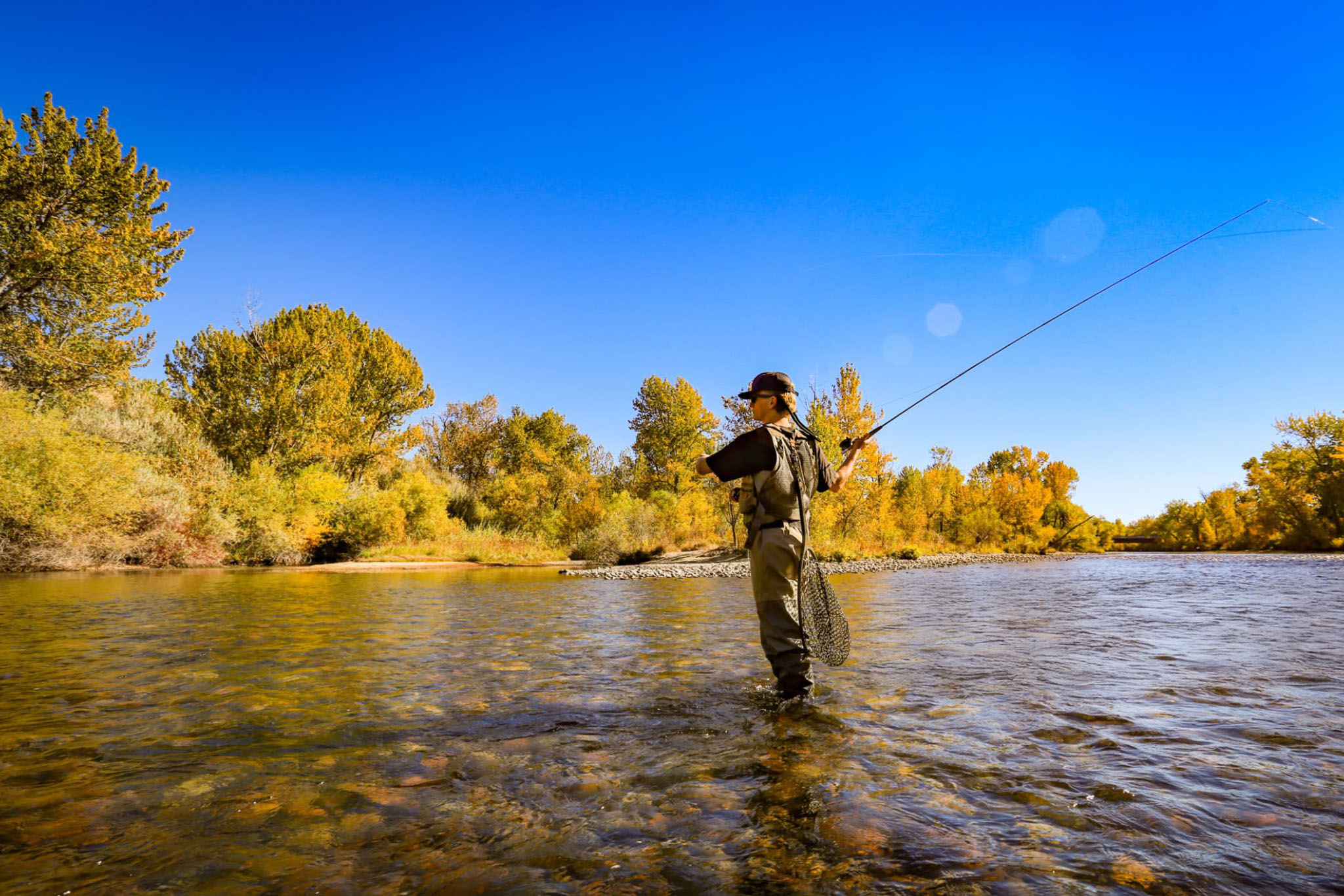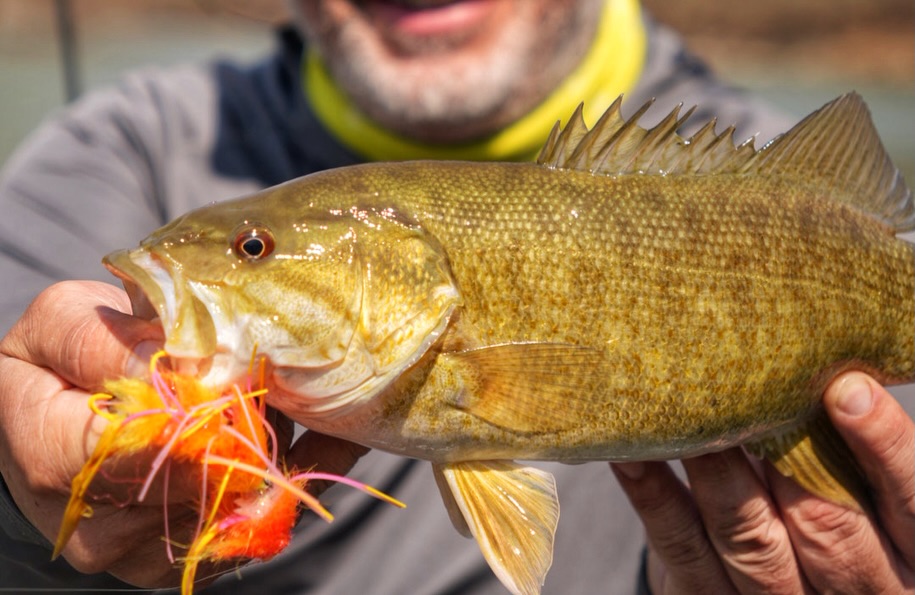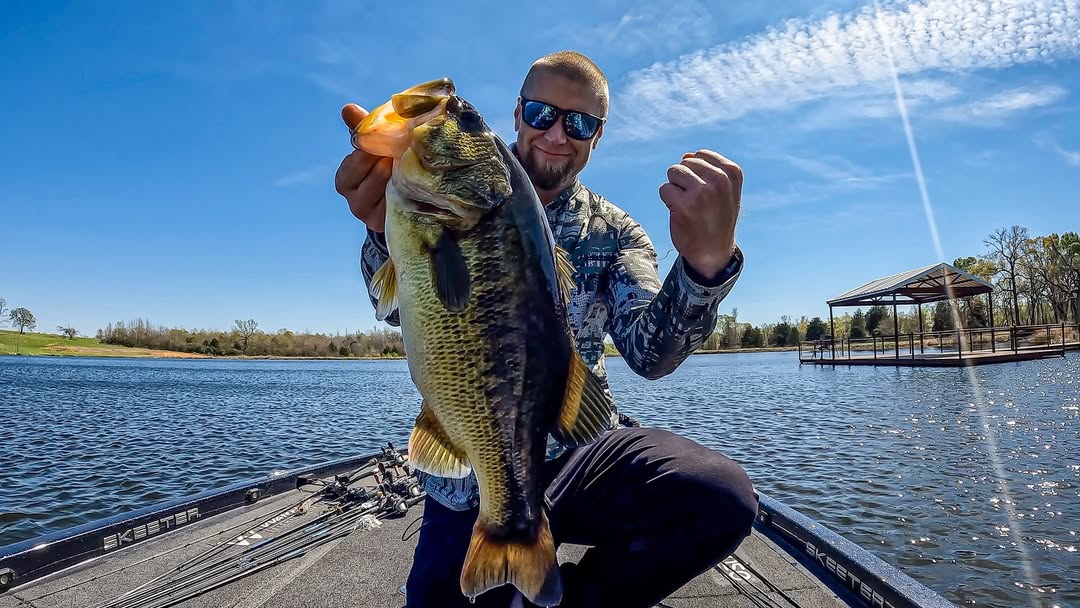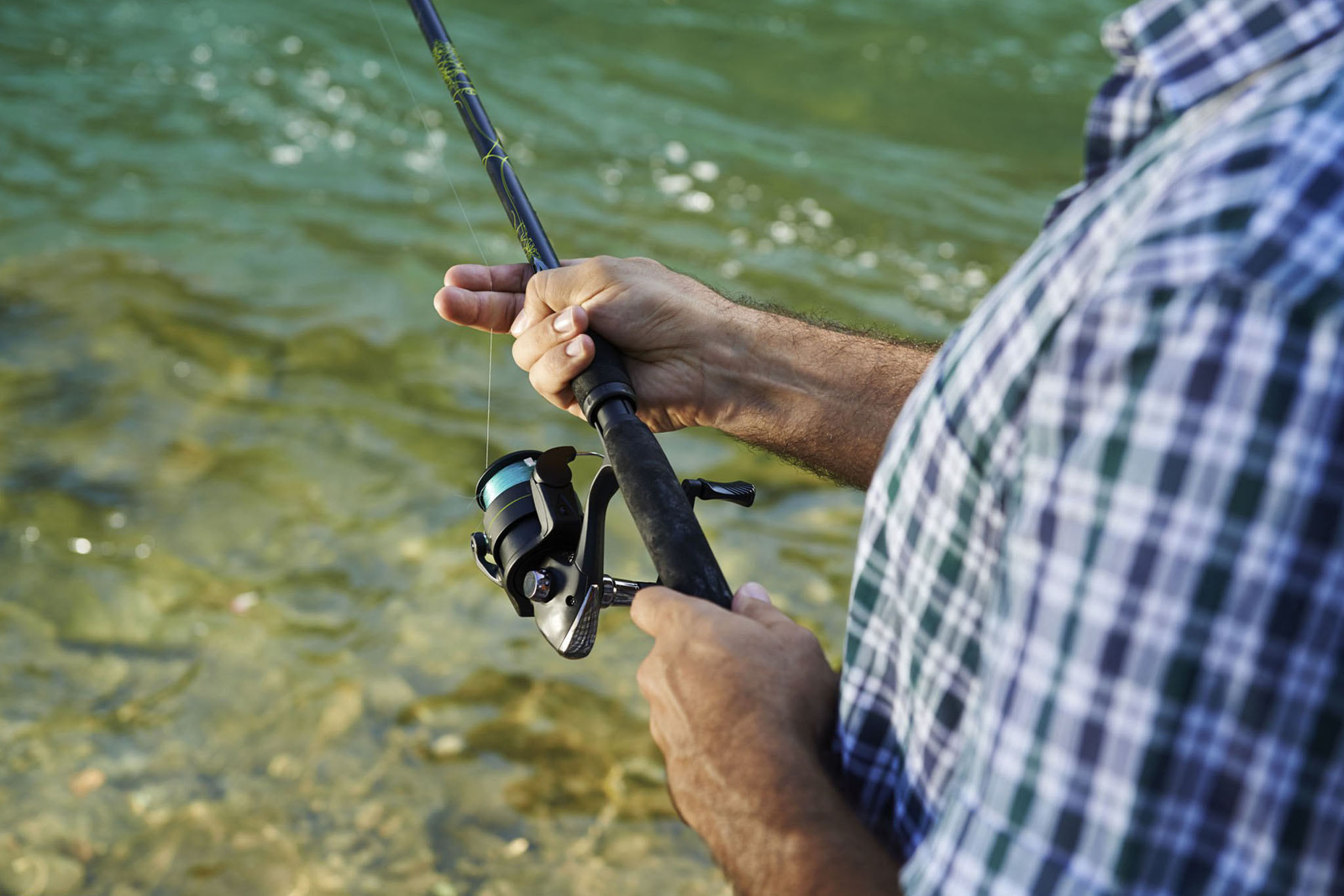
As late summer winds down, subtle changes in river temperatures can flip the smallmouth bite from sluggish to electric. Even a two- or three-degree drop in water temps can shift where bronzebacks hold, feed, and travel. Understanding how cooling trends affect river currents—and how smallmouth respond—can be the key to staying on fish while others scratch their heads.
Why Cooling Water Changes the Game
In August and early September, river temperatures often sit near their seasonal peak. Smallmouth are active, but they’re choosy about energy expenditure. A cooling trend changes two major things:
- Metabolism Boost – As temps dip slightly from the summer high, smallmouth feed more aggressively to prep for fall.
- Current Use – Cooler water increases dissolved oxygen, making more sections of the river comfortable for holding and hunting.
When you combine those factors, fish that were once buried in deep, slow pools may start sliding into current seams, shallower runs, and feeding lanes.
Reading the River During Cooling Trends
1. Current Seams and Breaks
- Look for spots where fast water meets slower water—these areas offer both feeding opportunity and energy conservation.
- Prime locations include behind boulders, at the tail of riffles, and along submerged ledges.
2. Shaded Banks
- Cooling trends extend shaded areas’ productivity. Bass may roam into shallower bankside cover for longer periods.
- Overhanging trees and bridge pilings often hold fish well into mid-morning.
3. Transitional Depths
- Mid-depth runs (3–6 feet) with moderate flow can become smallmouth highways.
- Gravel or cobble bottoms here often hold crayfish and baitfish, drawing hungry bass.
4. Downstream of Confluences
- Where a cooler tributary meets the main river, temps can drop noticeably. These mixing zones are often hotspots.
Bait Selection for Cooling-Water Smallmouth
Topwater
- Still a great choice in early cooling trends, especially in low-light periods. Walking baits and prop baits can draw strikes in current breaks.
Crankbaits
- Shallow- to mid-divers in crawfish and shad patterns excel when smallmouth are chasing bait in runs and along ledges.
Soft Plastics
- Tube baits, ned rigs, and finesse worms work well when bass hold tighter to bottom structure. Go natural with green pumpkin or watermelon.
Spinnerbaits
- Ideal for covering water and finding active fish. The flash and vibration can trigger aggressive bites in cooling conditions.
Presentation Adjustments for Current and Temp Changes
- Cast Upstream, Retrieve Down – Presenting lures naturally with the flow gets more bites, especially in clear water.
- Work the Edges – Don’t charge into the strongest current. Smallmouth prefer ambush spots just off the main push of water.
- Change Speeds – In stronger flow, keep retrieves steady; in softer current, add twitches or pauses to mimic injured prey.
Timing Your Trips
- Early and Late – Cooler nights mean mornings can start hot, but an afternoon temp drop after cloud cover can also spark a bite.
- After Rains – A post-front cooling of just a couple degrees can move fish aggressively into feeding positions.
- Watch the Forecast – Even two or three consecutive cool nights can change fish location dramatically.
Final Cast
Late-summer and early fall smallmouth fishing is a game of reading subtle shifts—in both current and temperature. When you learn to recognize cooling trends and how they redistribute fish across a river system, you’ll start to anticipate their moves rather than react to them.
The best part? While other anglers stick to their “same spot” routine, you’ll be leapfrogging through current seams, shaded banks, and confluence zones, putting lures in front of fish that just moved in hours ago.