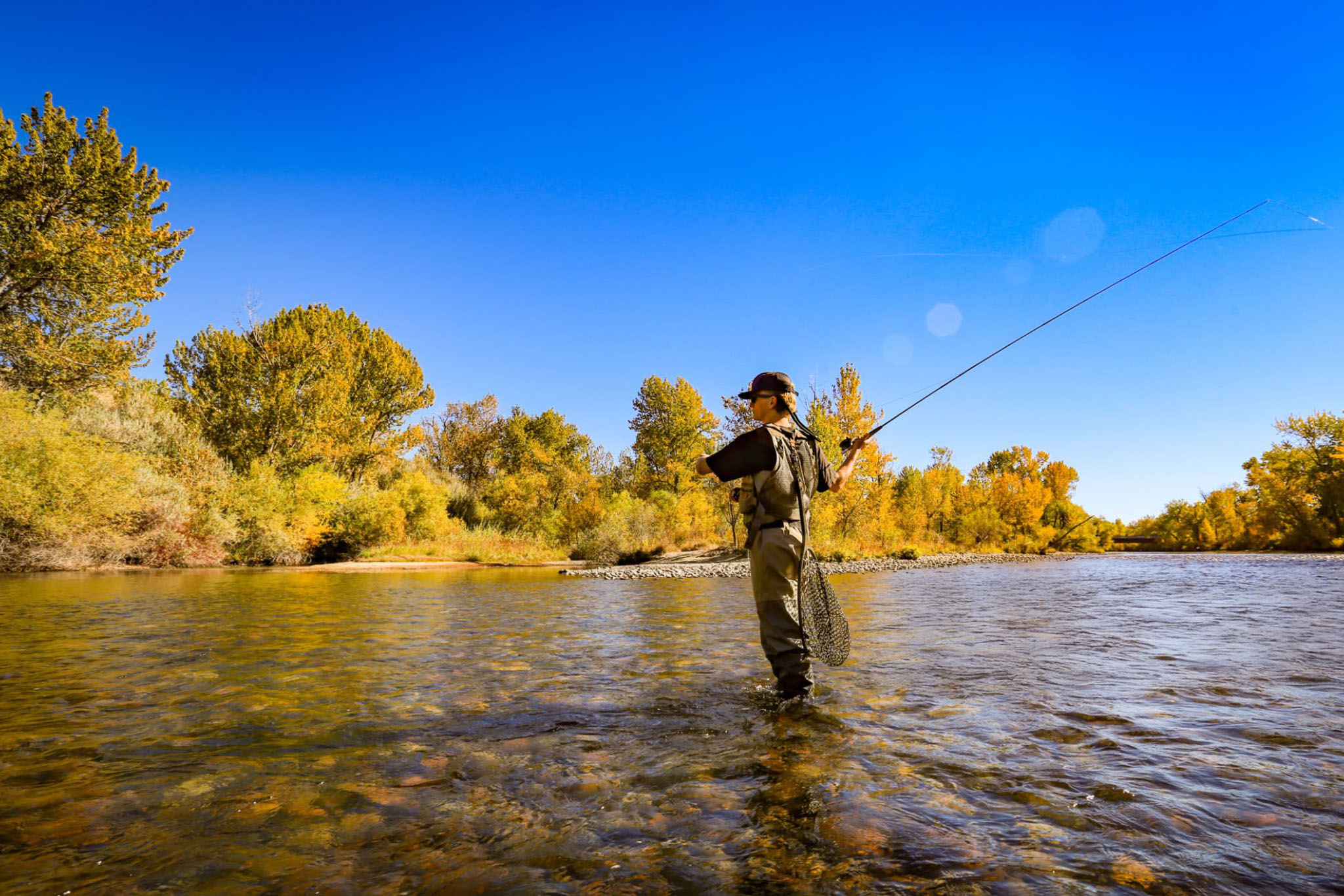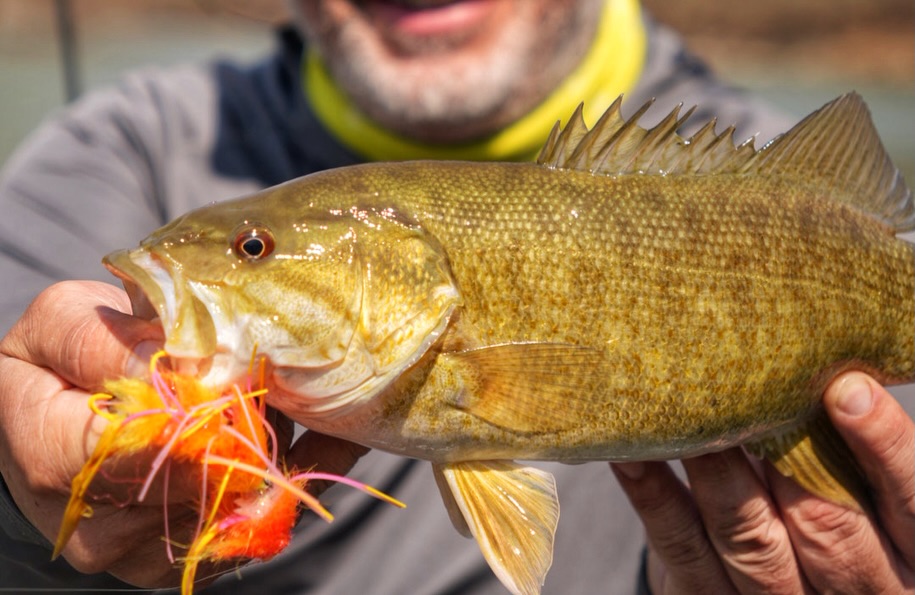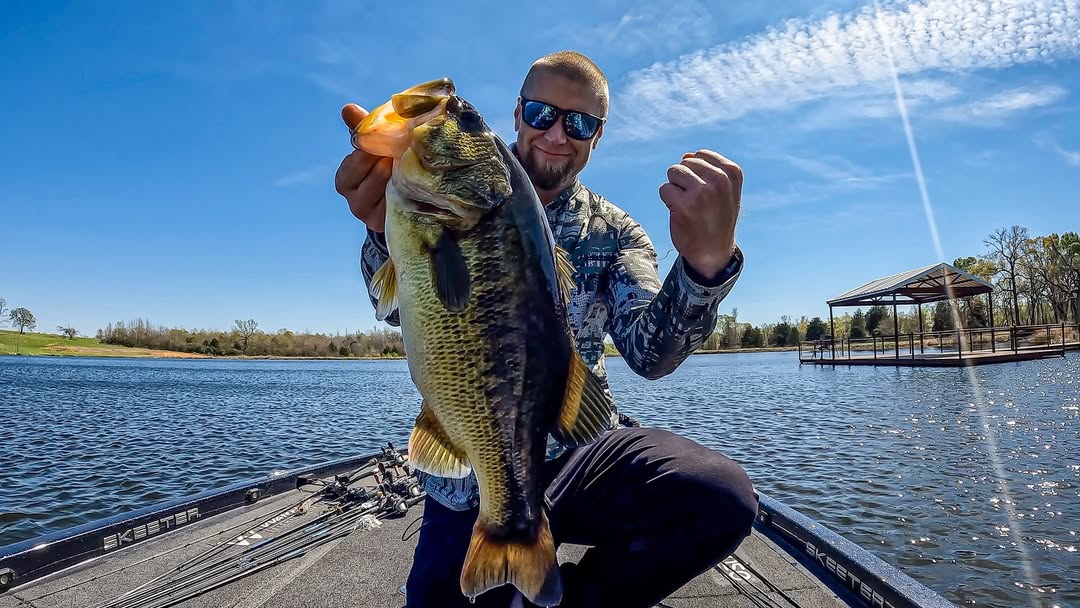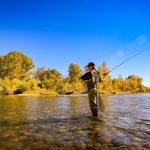
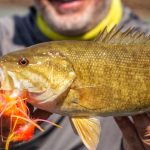
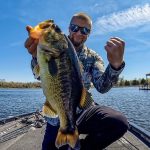
By late summer, largemouth and smallmouth bass have seen it all—countless lures, noisy boats, and every angler’s best trick. Warm water, dwindling oxygen in the shallows, and heavy fishing pressure combine to make bass finicky and unpredictable. But if you adapt your tactics, you can still trigger bites when most others are scratching their heads. Here’s how to turn late-summer challenges into opportunities.
1. Understand the Pressure Factor
By August, fishing pressure has conditioned bass to avoid obvious presentations. In popular lakes and rivers, fish become boat-shy, lure-wary, and often relocate to areas with less human disturbance. This means your first step isn’t just “finding bass”—it’s finding bass that haven’t been harassed all day.
- Avoid community holes: Skip the well-known points, docks, and weed beds at peak hours.
- Think overlooked water: Tiny backwater pockets, submerged brush piles away from main channels, or steep shaded banks can hide fish that others miss.
- Time shift: Fishing at first light, during midday shade, or after dark can mean far fewer boats and more active fish.
2. Downsize and Slow Down
In pressured conditions, subtlety often beats flash. Oversized crankbaits and noisy topwaters can spook bass that have been hooked before.
- Finesse rigs shine: Drop shots, Ned rigs, and wacky-rigged stick baits excel when fish are in a neutral mood.
- Natural colors: Greens, browns, and muted shad patterns mimic real forage without setting off alarms.
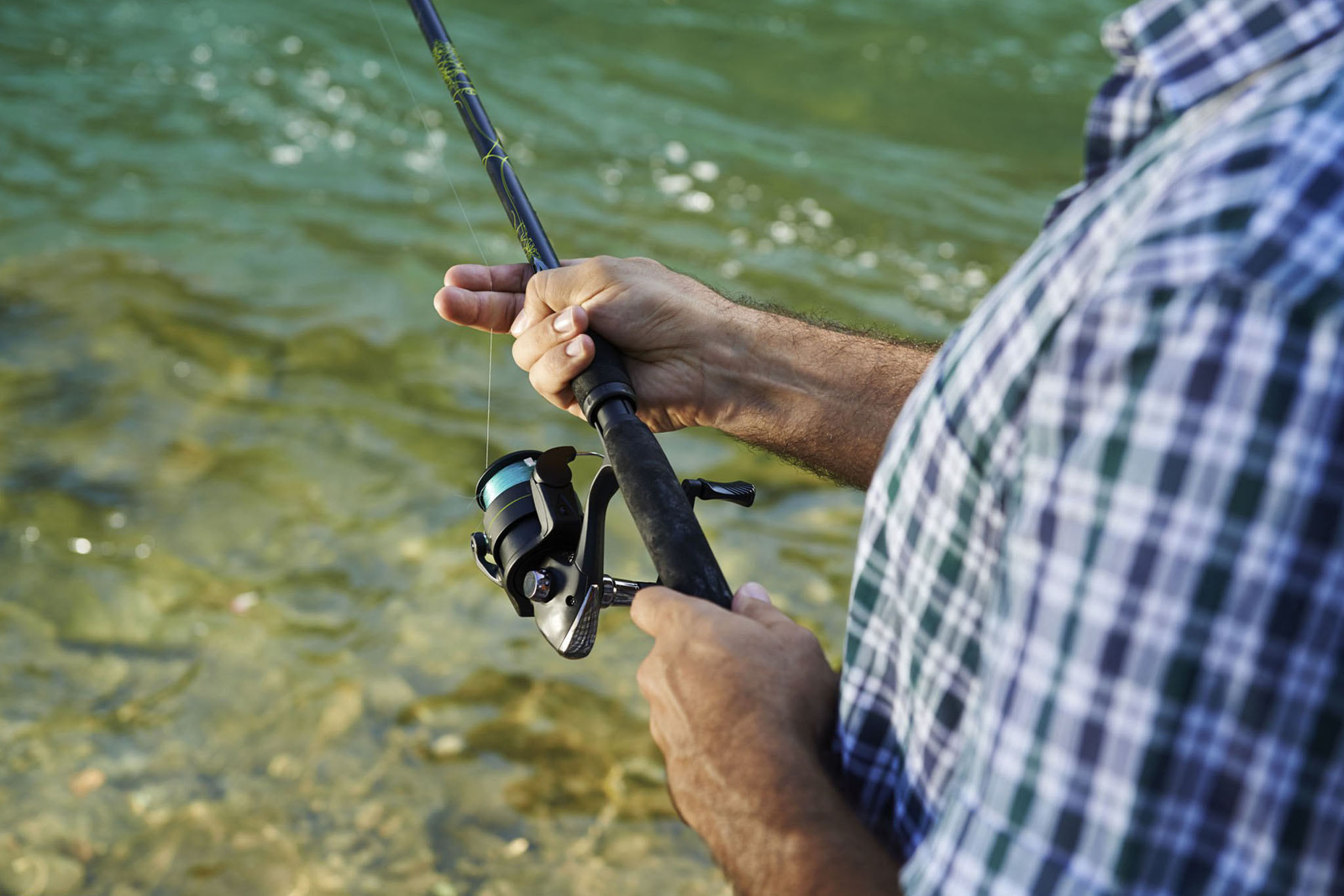
- Light line: Spool up with 6–8 lb fluorocarbon for finesse tactics—it sinks, is nearly invisible, and keeps presentations natural.
3. Target Deeper, Cooler Zones
Warm surface temps and oxygen depletion in shallow weeds push many bass deeper in late summer.
- Structure focus: Offshore humps, ledges, and deep weed edges are prime.
- Electronics are key: Side imaging and down scan can help you pinpoint isolated structure holding fish.
- Slow drag: Carolina rigs or football jigs slowly pulled along deep structure can tempt reluctant biters.
4. Go Stealth Mode
When bass are pressured, your presence matters.
- Quiet approach: Use a push pole or drift into target areas instead of running the trolling motor constantly.
- Long casts: Keep your boat away from the strike zone and cast beyond the target.
- No surface commotion: Drop anchors quietly, avoid dropping gear on the deck, and keep voices low.
5. Change the Menu
Sometimes pressured bass react better to something completely different than what they’ve been seeing.
- Oddball lures: Try spybaits, soft jerkbaits, or small swimbaits on a finesse jighead.
- Match minor forage: If everyone’s throwing shad imitators, imitate bluegill, young perch, or crawfish instead.
- Add scent: Scented plastics or bait sprays can make fish hold on a fraction longer—enough to seal the deal.
6. Use Weather to Your Advantage
Bass that have been stubborn for days can turn on with the right weather shift.
- Pre-front conditions: Falling pressure before a storm can trigger feeding frenzies.
- Cloud cover: Even a few hours of reduced sunlight can pull bass shallower and make them more aggressive.
- Wind lanes: Wind blowing across a point or flat can push baitfish into predictable ambush zones.
Final Cast
Late-summer bass in pressured waters may seem impossible to catch, but they’re not invincible—they’re just cautious. By fishing smarter, downsizing your presentation, and targeting overlooked or deeper areas, you can stay a step ahead of the crowd. The key is patience, precision, and reading the subtle cues the fish give you.
Fish like a hunter, not just a caster, and your late-summer bass blitz will be one worth remembering.