
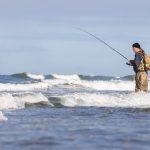
The August sun beats down, the sand’s scorching underfoot, and the water is warm enough to wade in for hours. But for surf anglers, this is prime time — baitfish are abundant, predators are hungry, and reading the water correctly can put you right in the middle of the action. The surf is more than just rolling waves; it’s a living map of where fish feed, hide, and ambush their prey. Learn to read it, and you’ll turn those summer beach strolls into full coolers and unforgettable battles.
Why Wave Reading Matters in August
Warm water and longer days mean bait like mullet, menhaden, and anchovies push into the surf zone in big numbers. Game fish — from striped bass in the Northeast to snook and pompano in the Southeast — follow them in close. But the surf can stretch for miles, and predators won’t be spread evenly. They focus on specific spots where the wave energy, structure, and baitfish movement create an easy buffet. Reading the waves helps you find those feeding lanes without wasting hours blind casting.
Identifying Key Surf Structures
Even on a featureless-looking beach, the water hides plenty of structure if you know what to look for. In August, these are the hotspots:
- Troughs and Gut Channels
- These are deeper lanes parallel to shore, often between the beach and a sandbar. Fish patrol them because bait gets funneled and trapped here. Look for a darker blue strip just behind the breaking wave line.
- Cuts in Sandbars
- Small breaks in the bar allow water — and bait — to flow in and out with the tide. Predators sit just outside these cuts to ambush food flushed through.
- Points and Spits
- Any section of the beach that juts out into the water disrupts current flow, creating eddies where bait stacks up.
- Rip Currents
- While dangerous for swimmers, these are highways for baitfish moving offshore — and predators waiting at the edges to strike. Identify them by a gap in the breaking waves with choppier, outward-flowing water.
Wave Patterns That Signal Feeding Zones
- Slower-Breaking Waves: Indicate deeper water; great for finding troughs where fish hold during midday heat.
- Foam Lines and Streaks: Often mark where current pushes surface bait together. Cast along the edges of these.
- Abrupt Break Lines: Show where sandbars rise — perfect for topwater action at dawn or dusk when predators push bait over the bar.
In August, light wind and small swell days make reading these details even easier.
Timing Your Surf Sessions
Summer surf fishing is as much about when you fish as where:
- First Light: Cooler water and low light make predators bold. Look for fish pushing bait right into the wash.
- Late Afternoon into Evening: Shadows grow, water temps dip slightly, and the bite often surges.
- Incoming Tide: Brings fresh bait into the zone; fish often stage in deeper cuts waiting for the buffet to arrive.
On flat, hot days, even a slight breeze that ruffles the water can turn wary fish into aggressive feeders.
Matching Your Presentation to the Conditions
- Calm, Clear Water: Go natural — smaller lures, lighter leaders, and colors matching the local baitfish.
- Choppy, Murky Water: Upsize your bait, switch to brighter colors, and use a slightly heavier leader to handle more aggressive strikes.
- August Favorites:
- Soft plastic jerkbaits for snook and striped bass
- Metal spoons for bluefish and Spanish mackerel
- Sand fleas or shrimp for pompano and whiting
Stealth in the Surf
Even though surf fish are often aggressive, August’s clear-water days mean they can see you just as well as you see them. Keep your profile low, avoid splashing, and approach your casting spot quietly. Sometimes stepping back and casting into the wash from dry sand will get you more bites than wading in.
Final Cast
August surf fishing rewards anglers who see beyond the waves and read the water’s story. Every breaker, foam patch, and sandbar cut tells you something about where bait — and the predators chasing it — will be. Combine that knowledge with the right timing and presentation, and you’ll turn an ordinary summer beach day into a stretch of sand you can’t wait to fish again.