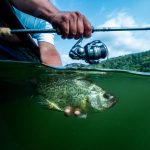
There’s something primal about spotting a copper back or waving tail just inches below the surface in ankle-deep water. It gets your heart racing, your palms sweaty, and your instincts firing. That’s redfish hunting at its finest—on the flats, in skinny water, where every cast counts and stealth is king.
Late summer and early fall offer prime conditions for chasing tailing redfish on the flats, especially in Gulf Coast hotbeds like Louisiana, Texas, and Florida. Here’s how to gear up, read the water, and close the deal on one of inshore fishing’s most exciting targets.
Why Tailing Redfish Matter
Tailing redfish aren’t just cool to watch—they’re feeding actively. When reds tail, they tilt downward to root crustaceans and baitfish from the bottom, their tails breaking the surface in a slow, waving motion. That visual cue means they’re vulnerable, focused, and catchable—if you can deliver your bait quietly and accurately.
Gear for the Flats
Fishing skinny water is all about finesse, precision, and presentation. Here’s what you’ll need to do it right:
Rod & Reel
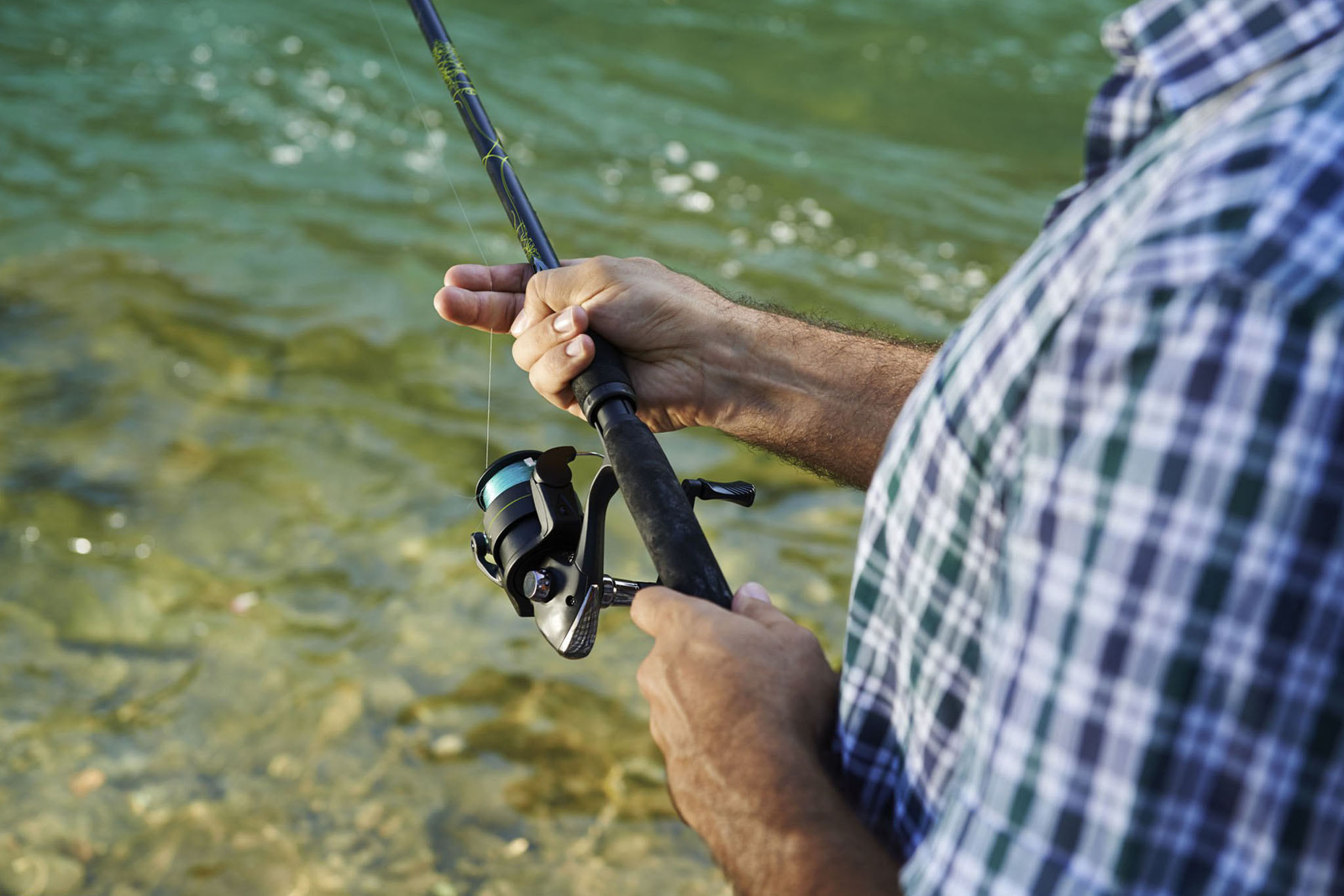
- Spinning Rod: A 7’ to 7’6” medium-light to medium power rod with a fast tip gives you accurate casts and enough backbone to handle hard-pulling reds.
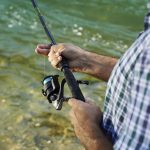
- Reel: A 2500–3000 size spinning reel with a smooth drag is perfect. Pair it with 10–15 lb braid and a 20 lb fluorocarbon leader.
Poling or Paddle Craft
- Poling Skiff or Kayak: You need to move quietly and stay elevated to spot fish. A flats boat or silent kayak with a push pole is ideal for covering water.
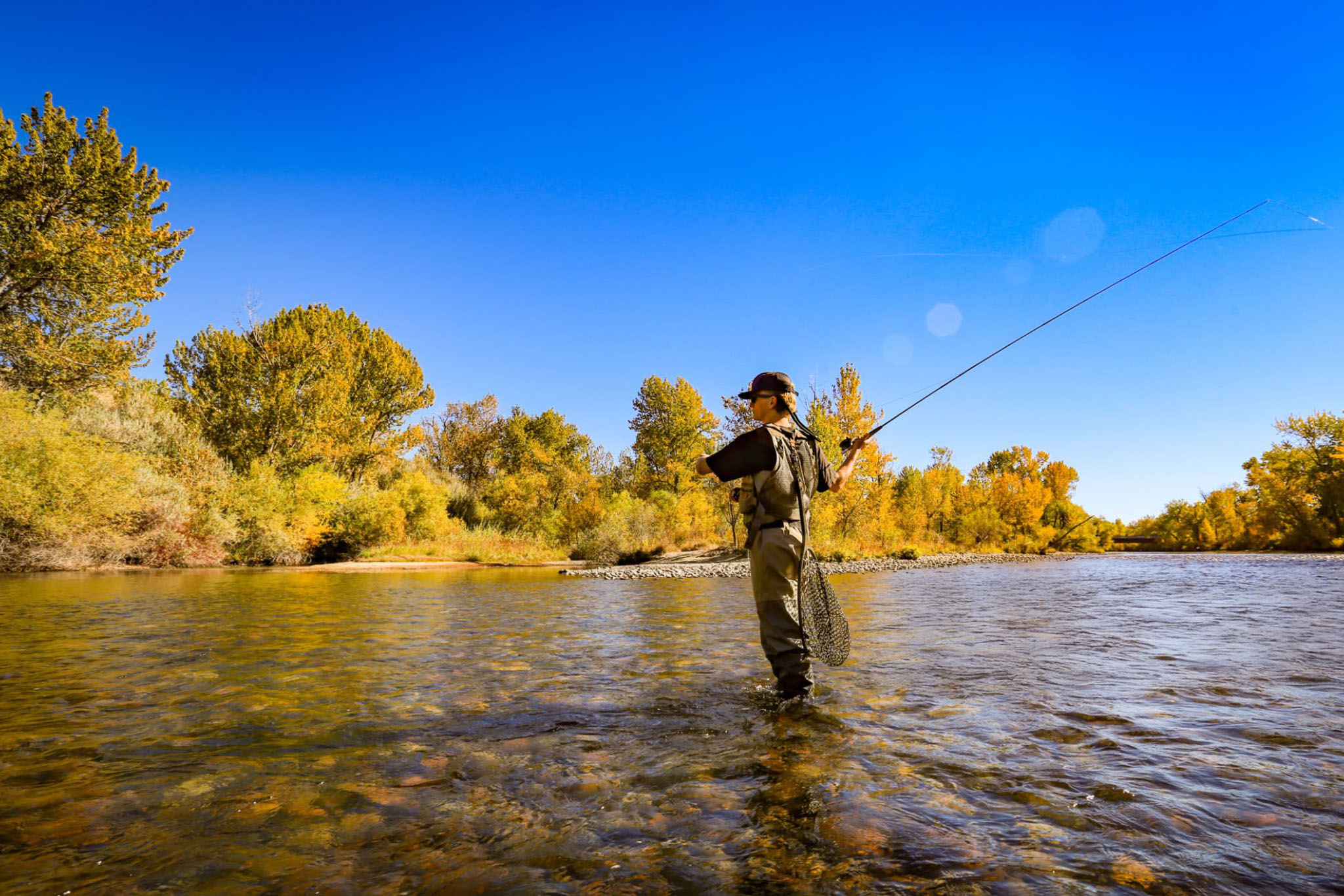
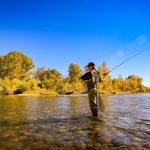
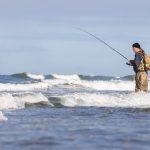
- Wading: In ultra-skinny water, hopping out of the boat and stalking reds on foot is often the best (and most thrilling) option.
Top Baits & Lures for Tailing Redfish
When redfish are tailing, they’re hunting for crustaceans—think crabs, shrimp, and baitfish hugging the bottom. Your presentation should mimic that movement.
Live and Natural Baits
- Live Shrimp: Rigged under a popping cork or free-lined with a light split shot. Perfect for picky fish.
- Cut Mullet or Crab: Excellent for soaking near potholes or mangrove edges when fish are cruising.
Artificial Lures
- Weedless Soft Plastics: Rigged Texas-style or on a weedless hook. Look for paddle tails or shrimp imitations in natural colors like gold, copper, and root beer.
- Topwater Lures: Early morning or cloudy afternoons are great for walk-the-dog style lures like the Super Spook Jr. Nothing beats a red blowing up on top.
- Gold Spoon: Classic for a reason. Toss a ¼ oz weedless spoon into sighted fish zones and slow-roll it near the bottom.
How to Spot and Approach Tailing Reds
This part is as much art as science. Here’s how to do it without spooking your target.
Read the Water
- Look for Tails and Pushes: Obvious tails waving above the surface are golden. But also watch for nervous water, V-wakes, or small pushes moving along the flat.
- Listen for Pops or Slurps: Sometimes, the flats are so quiet you can hear a redfish sucking in bait.
- Watch for Egrets and Herons: Birds often clue you in to bait-rich areas that reds are likely to patrol.
Approach with Stealth
- No Hull Slap: Move slowly, keep the boat hull from slapping against the water. Silence matters.
- Low and Slow: Whether you’re poling or paddling, approach from upwind or up-current. This keeps your scent and sound downstream.
- Avoid Casting Shadows: Sun position is key. Try to keep your body and line from casting across the fish’s path.
Presentation: The Money Cast
When targeting tailing reds, you might only get one shot.
- Lead the Fish: Cast 2–3 feet ahead of its path, and let the bait settle.
- Minimal Movement: Let your lure sit. Give it a gentle twitch or two, just enough to mimic fleeing prey.
- Be Ready: Watch your line for ticks or sudden movement. Redfish often suck in bait subtly, even in skinny water.
Tidal Considerations
- Incoming Tides: Bring bait and redfish into the shallows. Fish often push up into flooded grass or oyster flats during this time.
- High Tide: Reds may spread out into the grass, making them harder to spot but great for sight-fishing purists.
- Falling Tide: Traps fish in cuts and channels as water drops—prime time to intercept reds heading back to deeper water.
Bonus Tips for More Hookups
- Polarized Sunglasses: Amber or copper lenses cut glare and let you see tails and fish more clearly.
- Cast Sidearm When Needed: Helps keep your bait low and quiet, especially in calm conditions.
- Practice Casting on Target: Precision matters—landing a lure softly in a coffee cup-sized target is a game-changer.
Final Thoughts
Fishing for redfish on the flats is more than just another day on the water—it’s a full-on hunting experience. You’re stalking your prey in inches of water, reading subtle clues, and making pinpoint casts. It’s about patience, stealth, and the pure excitement of seeing a tail break the surface.
Whether you’re wading knee-deep in Gulf marsh or poling across a sunlit Florida flat, targeting tailing reds is about as close as you can get to bowhunting with a spinning rod. And once you hook up, feel that bulldog run, and watch the copper flash peel across the shallows—you’ll understand why so many anglers are obsessed with the flats.