As the last stretch of summer approaches, many anglers find themselves struggling to stay consistent. Fish seem to vanish, feeding windows shrink, and the heat can make even your favorite spots feel lifeless. The key to unlocking late-summer fishing success isn’t luck—it’s learning to read water and weather like a pro.
When you understand how fish respond to current, structure, temperature, and changing conditions, you can predict where they’ll hold and when they’ll bite. Here’s how to turn those tough late-summer days into productive trips.
1. Reading the Water: Where Fish Hide and Feed
Water isn’t just a surface—it tells a story about what’s happening below. Knowing how to interpret water movement and structure is the foundation of locating fish.
Current and Flow
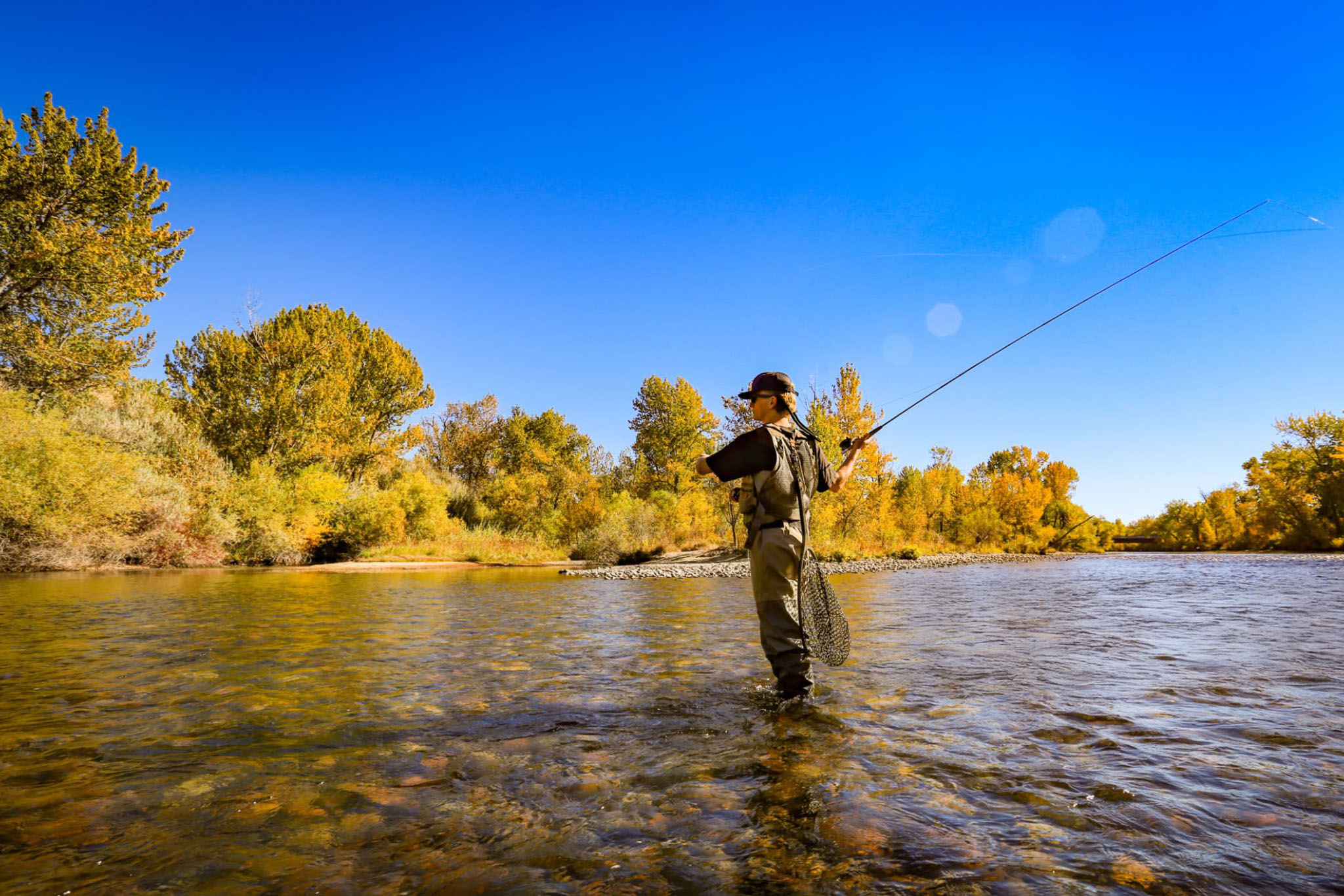
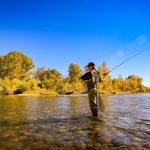
- Rivers and Streams: Fish position themselves where they can save energy and ambush prey—think eddies, seams, and the downstream side of rocks.
- Lakes and Ponds: Wind creates subtle current, pushing plankton and baitfish. Predators like bass and walleye often follow.
Tip: In hot late-summer conditions, fish often prefer areas with moving or oxygenated water, like inlets, outflows, or areas with submerged springs.
Structure and Cover
- Visible Structure: Docks, laydowns, rocks, and vegetation break up current and provide ambush points.
- Submerged Structure: Humps, drop-offs, and channel edges become highways for baitfish—and ambush lanes for predators.
- Weed Lines: In late summer, the edge of healthy weeds can be a goldmine for bass and pike.
Reading water means identifying where food, shelter, and oxygen come together—because that’s where the fish will be.
2. Water Temperature: The Silent Game-Changer
End-of-summer heat drives surface temps up, often pushing fish to adjust their locations and behavior.
- Warm Water = Reduced Oxygen: Species like trout and walleye seek cooler, deeper water.
- Thermocline Awareness: In lakes, the thermocline (where cool and warm water meet) often holds the most fish-friendly conditions.
- Shaded and Windy Areas: Even a few degrees cooler can concentrate active fish.
Pro Tip: Use a simple thermometer or a fish finder to check temps at different depths. If water feels bath-warm at the surface, go deeper or find moving water.
3. How Weather Patterns Affect Fish Behavior
Late summer weather can swing between blistering sun, sudden storms, and the first hints of fall. Learning how fish respond will help you time your trips for peak bites.
Stable High Pressure (Bluebird Skies)
- Fish tend to be less active, holding tight to cover or going deep.
- Finesse tactics—like drop shots, Ned rigs, or live bait—often outperform reaction baits.
Approaching Fronts
- Falling barometric pressure and cloud cover trigger feeding activity.
- Great time for power fishing with crankbaits, spinnerbaits, or topwater.
Post-Storm Conditions
- Rising water levels or increased current can push fish shallow to feed.
- Murky water calls for brighter lures, vibration baits, or scent-enhanced presentations.
4. Using Wind to Your Advantage
Many anglers fear windy days, but wind often supercharges the bite in late summer.
- Wind-Driven Banks: Blowing wind pushes baitfish and oxygenated surface water to the downwind side.
- Break Up Your Profile: Small ripples on the surface reduce fish visibility and make predators more aggressive.
- Boat Positioning: Use the wind to drift presentations naturally instead of fighting it.
When in doubt, fish where the wind is pushing, not the calm, stagnant water.
5. Matching Presentation to Conditions
Once you can read the water and weather, you need to adjust your technique to match the situation:
- Calm, Clear Days: Go light—finesse plastics, natural colors, and long casts.
- Windy or Overcast: Use reaction baits—spinnerbaits, chatterbaits, or shallow cranks—to trigger strikes.
- Hot Midday: Focus on deep edges, shady structure, or heavily oxygenated areas with slow, subtle presentations.
- Evening and Early Morning: Low light means topwater lures, walking baits, or buzzbaits shine.
6. Timing Is Everything
Late-summer fishing success is often about timing, not just location:
- Early Morning: Cooler water, active baitfish, and aggressive topwater bites.
- Late Evening: Shadows extend and water cools, opening another feeding window.
- Avoid Midday Heat: Unless you’re targeting deep water or current-heavy rivers, activity will be minimal.
Final Thoughts
Reading water and weather is a skill that separates casual anglers from consistent ones. By understanding current, cover, temperature, and weather shifts, you can anticipate fish movement instead of just hoping for a bite.
In late summer, when conditions are toughest, the anglers who adapt to nature’s signals are the ones who end their day with full livewells and stories worth telling.