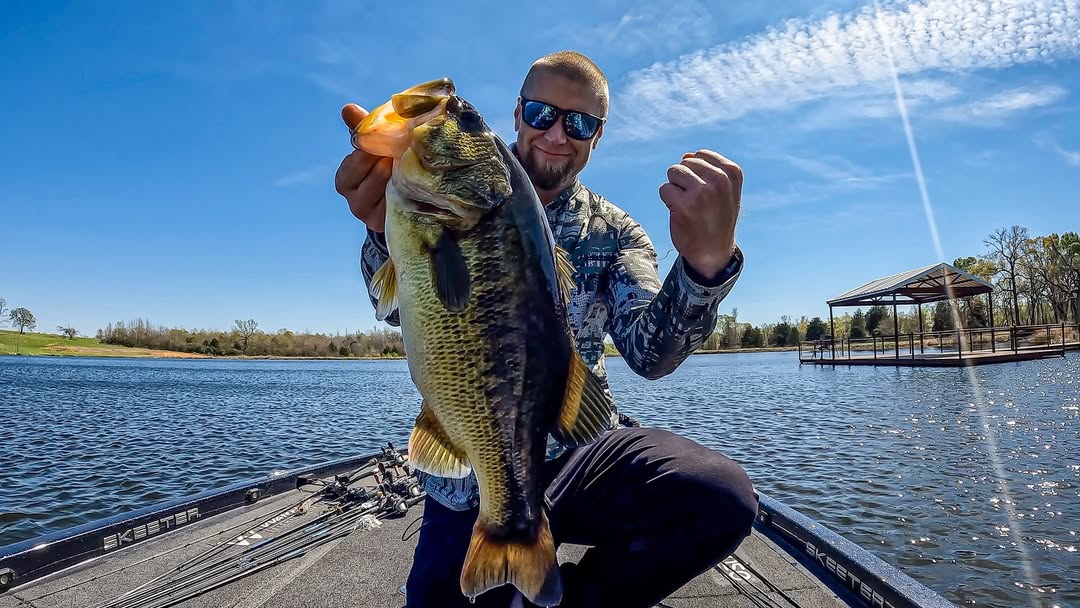

Weedy summer ponds are a hidden gem for largemouth bass anglers. While many fishermen flock to big lakes and reservoirs, smaller, vegetation-filled ponds can produce some of the most exciting topwater blow-ups and heavy-bass action of the year. But fishing these waters in the heat of summer requires a unique approach.
Dense weed growth, limited access, and picky bass can make things tricky—but with the right tactics, these green jungles can become your personal honey holes.
Here’s a complete guide to catching largemouth bass in weedy summer ponds.
Understanding Largemouth Bass Behavior in Weedy Ponds
Before you cast a line, you need to know what the bass are doing in these environments.
- Shade and Cover: Summer weeds like hydrilla, milfoil, duckweed, and lily pads create shade and ambush points for bass.
- Cooler Microclimates: Submerged vegetation provides cooler, oxygen-rich water when summer heat peaks.
- Bait Concentration: Bluegill, minnows, frogs, and insects thrive around thick vegetation—exactly where bass feed.
- Territorial Giants: Big bass often dominate small ponds, using the thickest cover as their safe zone.
These behaviors make weedy ponds both challenging and rewarding to fish.
1. Choose the Right Lures for Heavy Vegetation
Standard lake tactics won’t always work in a pond choked with weeds. You need lures designed to move through vegetation without constant hang-ups.
- Hollow-Body Frogs: Ideal for fishing over lily pads and dense mats—pause near openings for explosive strikes.
- Texas-Rigged Worms and Creature Baits: Rigged weedless, these slide through vegetation to reach hidden fish.
- Weightless Soft Plastics: Flukes or Senkos rigged weightless glide over grass edges naturally.
- Inline and Compact Spinnerbaits: Single-blade or short-arm designs reduce snagging in tight weed gaps.
Pro Tip: Dark or natural colors often perform best in stained, vegetation-rich water.
2. Master the Art of Weedless Presentations
Fishing ponds with heavy vegetation means one thing: you can’t afford to be hung up every other cast.
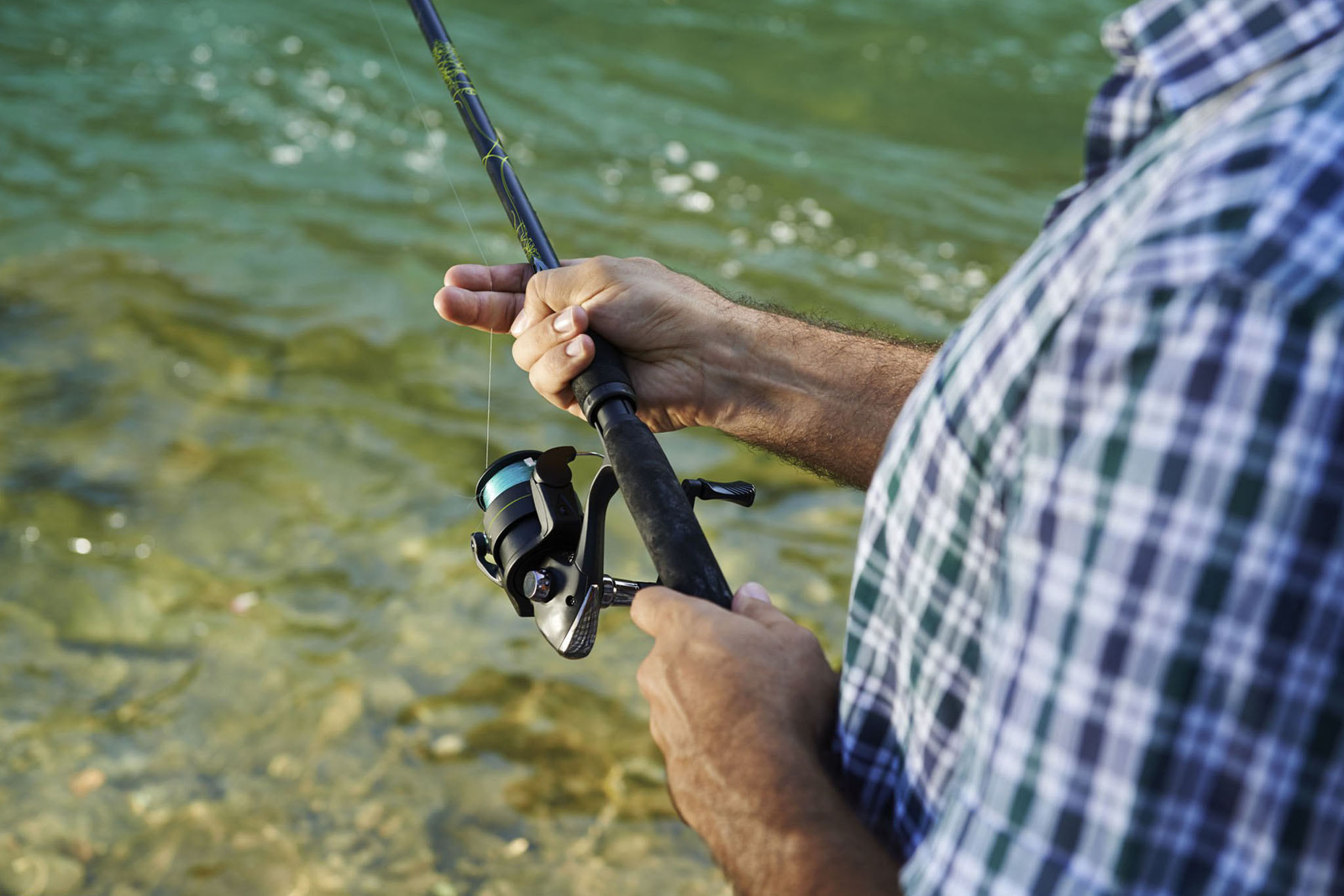
- Use Heavy Braid: 30–50 lb braid cuts through weeds and provides strength for hauling bass out of cover.
- Peg Your Weights: When using a Texas rig, peg the bullet weight so it doesn’t slide and snag in the vegetation.
- Slow and Precise: Don’t rush your retrieve—let the bait sink into holes in the weeds and give bass a chance to strike.
3. Target Key Weed Structures
Even in a fully weeded pond, not all spots are equal. Look for:
- Edges and Pockets: Transition zones between open water and weed mats are prime ambush spots.
- Points and Corners: Weed lines that form natural points often hold dominant bass.
- Holes in the Mats: Small openings in the vegetation act as feeding windows where bass attack prey.
- Isolated Cover: A single lily pad cluster or submerged log surrounded by weeds can be a magnet for big fish.
Observation Tip: Polarized sunglasses help you spot holes, isolated cover, and subtle movement in the weeds.
4. Use Stealth to Your Advantage
Small, weedy ponds often hold fewer fish—and those fish are extra wary of disturbances.
- Stay Low and Quiet: If fishing from shore, avoid casting a shadow over the water.
- Minimize Splash: Cast softly, especially with topwater baits, to avoid spooking fish.
- Kayak or Small Boat Advantage: These allow silent approaches to untouched areas and provide better angles for working weed mats.
5. Time Your Trips for Maximum Action
Weedy ponds heat up quickly, and so do the fish patterns.
- Early Morning and Late Evening: Low-light periods are prime for topwater strikes and shallow feeding.
- Cloudy Days: Overcast skies keep bass active longer and allow you to fish topwater lures throughout the day.
- Post-Rain Conditions: Slightly higher, oxygenated water after a summer storm often triggers feeding.
6. Land Big Bass in Heavy Cover
Hooking a bass in thick weeds is just the first step—getting it out is the real challenge.
- Set the Hook Hard: Weedless rigs require a firm hookset to penetrate.
- Keep Pressure Constant: Don’t let the fish bury deeper into the vegetation.
- Winch, Then Glide: Pull them quickly from the mat, then guide them to open water before landing.
Final Thoughts
Weedy summer ponds can frustrate unprepared anglers—but they also hide some of the most aggressive and rewarding largemouth bass you’ll ever catch. By using weedless lures, focusing on edges and openings, timing your trips, and staying stealthy, you can turn thick vegetation into your secret weapon.
Next time you pass a small, weedy pond, don’t overlook it. With the right approach, it might hold the bass of a lifetime.