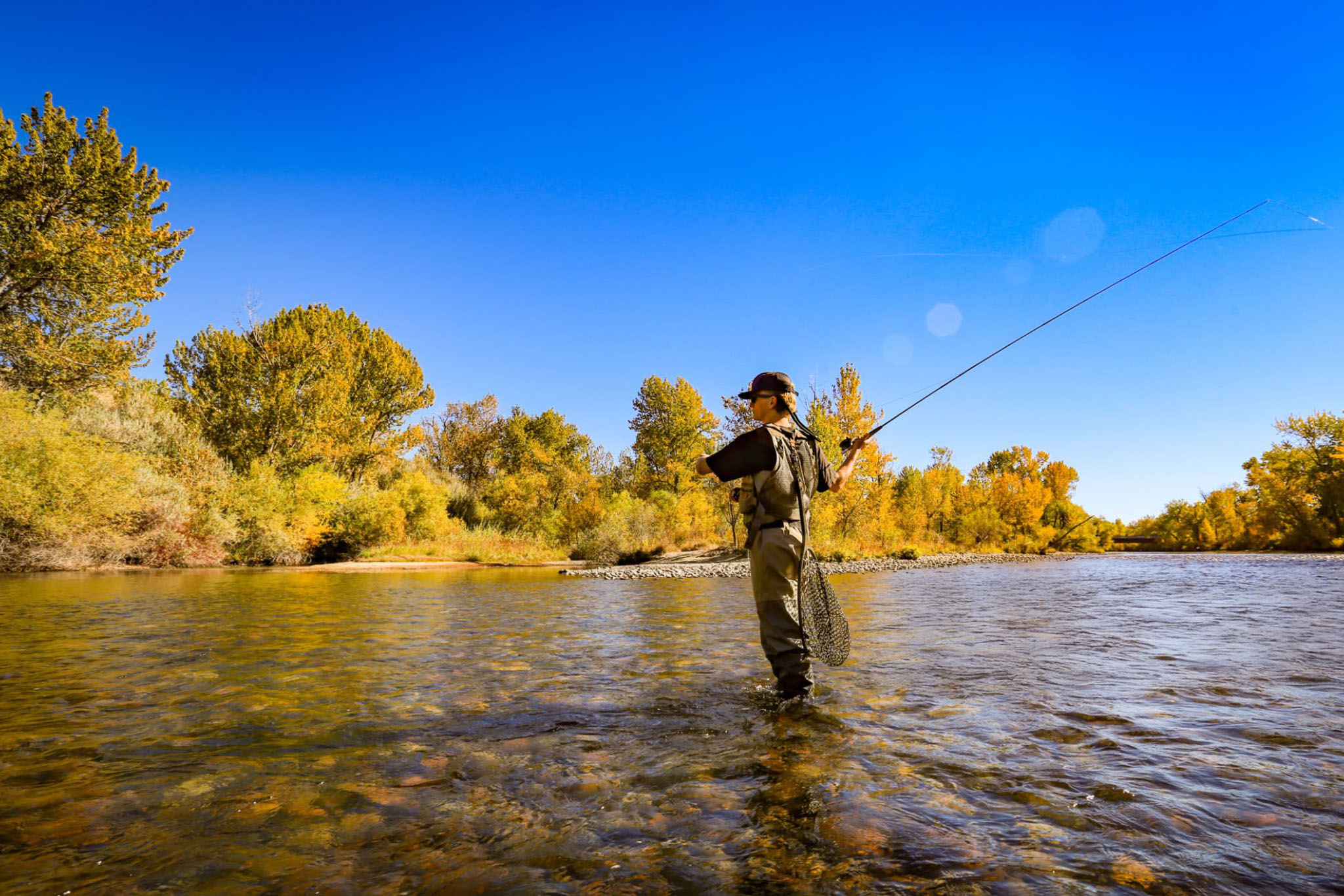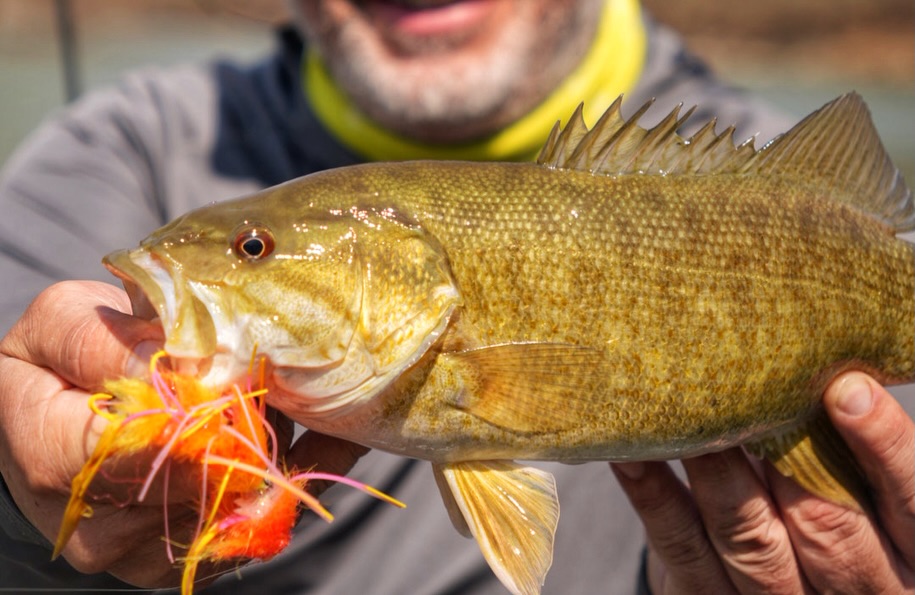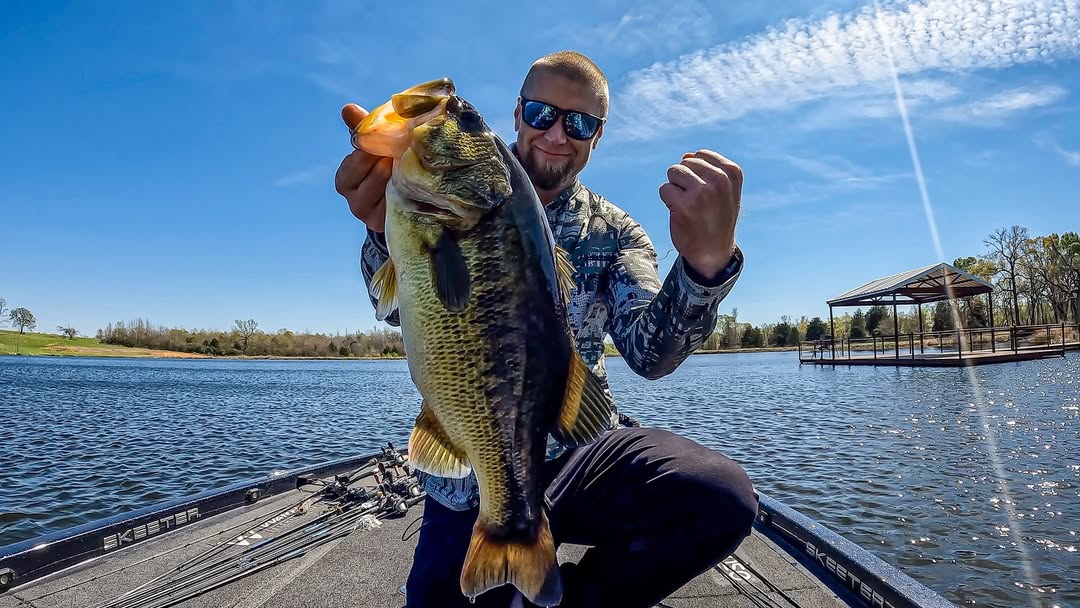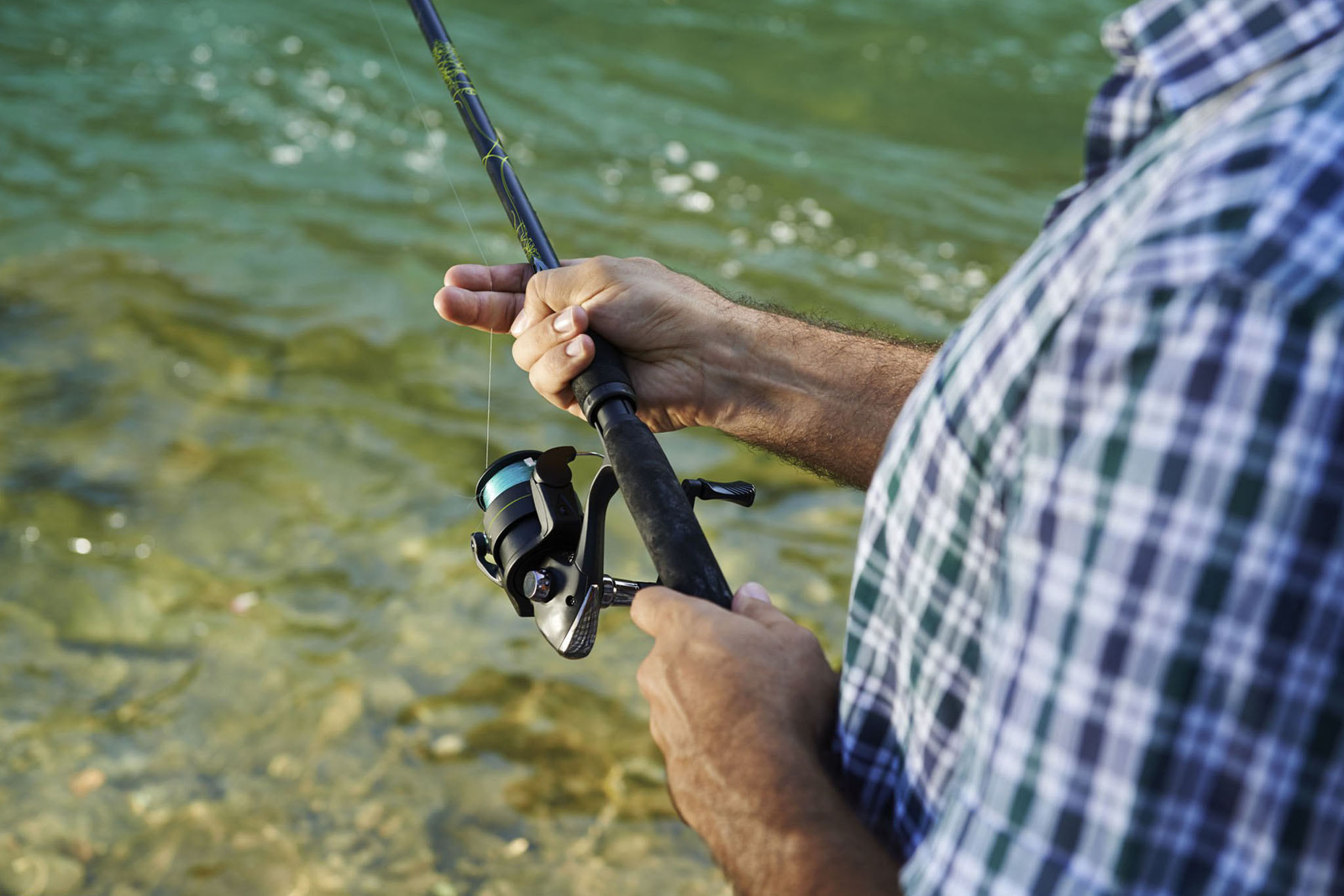
As summer fades and the first hints of cooler weather arrive, the fishing landscape transforms. Water temperatures begin to drop, oxygen levels shift, and baitfish start migrating—creating one of the most exciting windows of the year for anglers. While some fishermen pack it in after summer, those who understand how to adjust their tactics for cooling water can enjoy some of the hottest fishing action of the season.
Here’s how to adapt your strategy, select the right lures, and maximize your success as the water cools.
Why Cooling Water Changes the Game
The first signs of seasonal change trigger major behavioral shifts in fish. Understanding these changes is key to adjusting your tactics.
- Increased Fish Activity: Lower water temperatures often reinvigorate fish after the summer heat slump.
- Shallow Water Migration: Baitfish move toward shallows and creek mouths, drawing predatory fish with them.
- Feeding Windows Expand: Fish that were only active at dawn and dusk in summer may now feed longer during the day.
- Aggressive Pre-Fall Feeding: Many species feed heavily to store energy before winter, making them more responsive to lures and bait.
When you recognize these seasonal cues, you can start positioning yourself for peak action.
1. Follow the Baitfish
As waters cool, shad, minnows, and other baitfish often move into the backs of coves, shallow flats, and river inlets. Predators follow.
- Largemouth and Smallmouth Bass: Look for fish staging near points and secondary creek channels.
- Walleye: Begin patrolling drop-offs and edges near bait concentrations.
- Striped Bass or Hybrid Bass: Chase migrating shad schools toward wind-blown banks and shallow points.
Pro Tip: Keep binoculars in the boat to spot surface activity or diving birds—nature’s signal that baitfish and predators are nearby.
2. Adjust Your Lure Selection
Cooling water calls for more aggressive presentations as fish switch from lazy summer moods to active feeding patterns.
- Reaction Baits: Lipless crankbaits, spinnerbaits, and chatterbaits excel for covering water quickly and triggering strikes.
- Topwater Action: Walking baits and buzzbaits can shine again, especially during early mornings and cloudy days.
- Jigs and Swim Jigs: These mimic fleeing baitfish and can be worked along edges and drop-offs effectively.
- Soft Plastics with More Action: Paddle-tail swimbaits or curly-tail grubs create vibrations that trigger aggressive responses.
Experiment: Mix fast-moving baits to locate active fish, then slow down with jigs or plastics for follow-up strikes.
3. Focus on Structure and Depth Changes
Fish position changes with cooling water, and the best spots often have one thing in common: structure that bridges shallow and deep water.
- Main-Lake Points and Secondary Points: Fish use these as feeding highways during seasonal transitions.
- Weed Lines and Grass Edges: Vegetation that remains green still holds oxygen and attracts baitfish.
- Submerged Timber or Rock Piles: Provide ambush cover for predators chasing schooling bait.
- Creek Mouths and Inlets: Often serve as fish magnets during fall transition as bait moves shallow.
Observation Tip: Use electronics to scan for bait balls or suspended fish along these transition areas.
4. Adapt Your Retrieve and Timing
Cooling water doesn’t mean one-speed-fits-all fishing. Adjust retrieves based on fish mood and water temperature.
- Moderate Retrieves: Neither too fast nor too slow, ideal for fish in “search and ambush” mode.
- Stop-and-Go: Letting a lure pause mimics injured prey and triggers reaction bites.
- Use Wind to Your Advantage: Wind-blown banks and points funnel baitfish and keep predators active longer.
5. Stay Flexible With Weather Changes
Early cold fronts and shifting weather in late summer to early fall can make fish patterns unpredictable.
- Rising Barometer After a Front: Fish may get sluggish; downsize your lures or slow your presentation.
- Falling Barometer Before a Storm: Fish often feed aggressively—this is prime time for big catches.
- Overcast Days: Extend topwater and shallow-water bites well into the day.
Pro Tip: Keep a mix of power and finesse baits ready to adjust instantly to changing conditions.
6. Safety and Preparation Matter
Cooler weather might be more comfortable than the summer heat, but it introduces its own challenges.
- Dress in Layers: Mornings and evenings can be chilly, especially on the water.
- Mind Shorter Days: Plan your outings with reduced daylight in mind.
- Stay Aware of Slippery Surfaces: Dew and early frost can make boat decks or banks slick.
Final Thoughts
Cooling water signals the start of some of the most exciting fishing of the year. Fish feed more aggressively, baitfish become predictable, and your odds of landing a trophy increase—if you’re willing to adjust your tactics.
By following bait, targeting transitional structure, experimenting with lure speeds, and timing your trips around weather changes, you can turn cooling water into hot fishing action. When everyone else is winding down for the season, you’ll be in the perfect spot, rod bent, enjoying some of the year’s best catches.