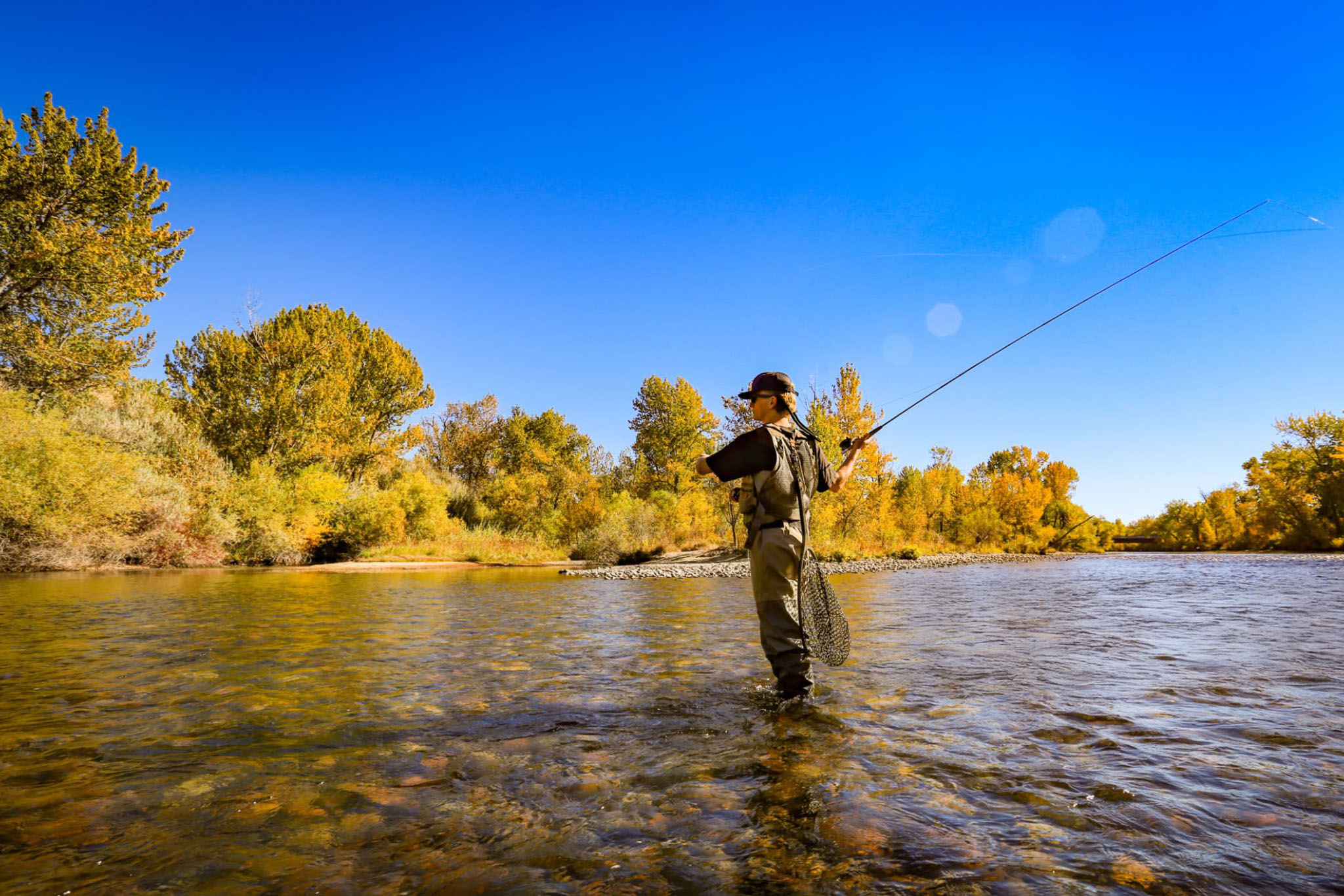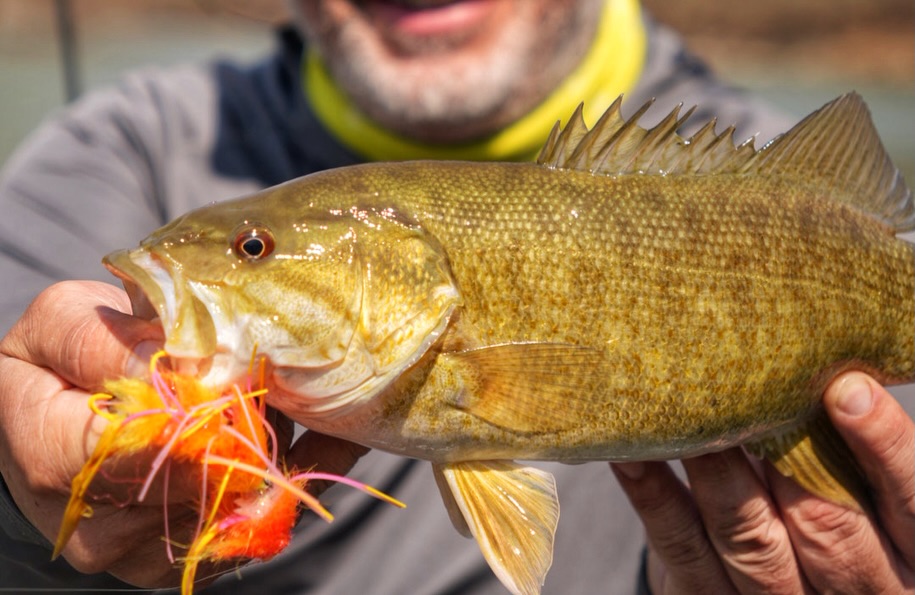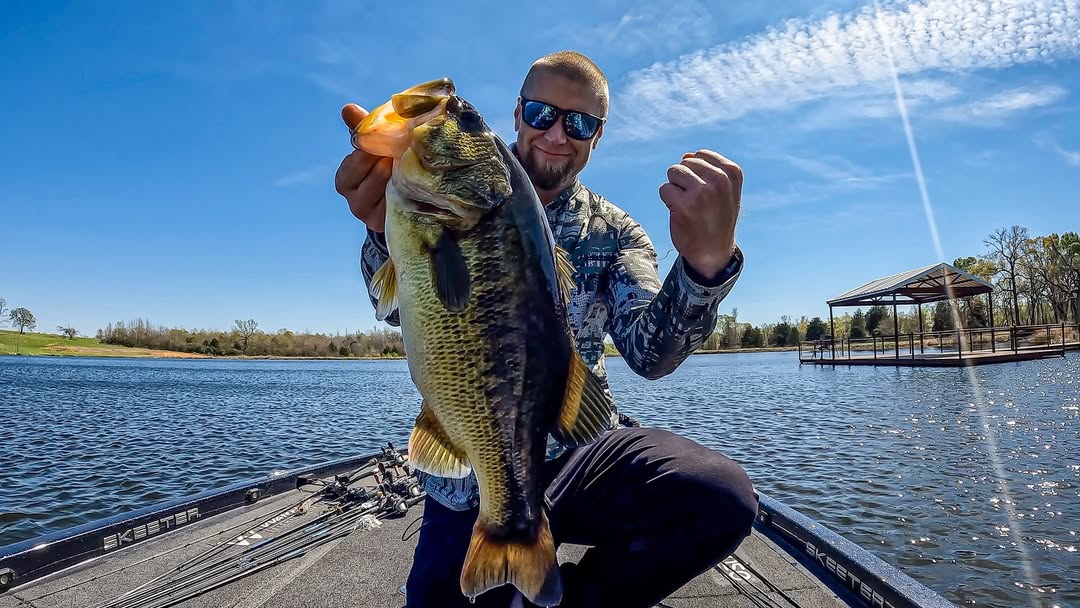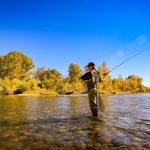
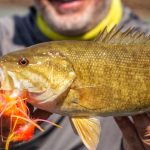
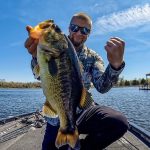
Some fishing days feel like the lake is asleep. The sun is high, the wind is still, and no matter what you throw, the fish just won’t bite. These are the moments when finesse fishing isn’t just an option—it’s a necessity. By slowing down and presenting your lures with subtlety, you can turn a tough day on the water into a productive one.
This guide breaks down the tactics, gear, and mindset needed to catch lethargic fish when everyone else is going home empty-handed.
1. Understand Why Fish Go Lethargic
Before you can catch them, you need to know why fish shut down.
- Temperature shifts: During summer heat or sudden cold fronts, fish often retreat to deeper, more stable waters and move less.
- High fishing pressure: Popular lakes with constant boat traffic can make fish wary and less likely to chase fast-moving lures.
- Oxygen levels: In warm months, surface water can lose oxygen, pushing fish to deeper, cooler zones.
Recognizing these conditions will help you adjust your strategy and target fish where they’re comfortable.
2. Downsize Everything
When fish aren’t actively feeding, smaller, subtler presentations are your best friend.
- Use light line: 4–8 lb fluorocarbon or light braid with a leader helps your bait move naturally.
- Shrink your lures: Swap large crankbaits or spinnerbaits for soft plastics, small jigs, or finesse worms.
- Keep it natural: Stick to muted colors like green pumpkin, brown, or watermelon that mimic real forage.
The goal is to give lethargic fish a snack-sized offering that’s too easy to ignore.
3. Master the Slow Presentation
Finesse fishing is about patience and precision.
- Deadstick your bait: Sometimes, just letting a soft plastic sit on the bottom is the trigger.
- Drag, don’t hop: A slow drag or crawl along the bottom mimics injured prey and tempts cautious fish.
- Pause longer than feels right: In cold or pressured conditions, fish may need several seconds to commit.
Tip: Watch your line closely. Light bites from lethargic fish often feel like extra weight or a slight “tick.”
4. Go Vertical When Horizontal Fails
If casting and retrieving isn’t producing, try vertical finesse techniques to target fish right in their comfort zone.
- Drop shot rigs: Keep a small bait hovering just off the bottom in front of their face.
- Ned rigs: Perfect for slow drags or letting the bait sit upright on the bottom.
- Vertical jigging: Especially effective when sonar marks fish suspended in deep water.
By staying in the strike zone longer, you maximize your chance of enticing bites from sluggish fish.
5. Use the Right Gear for Finesse Success
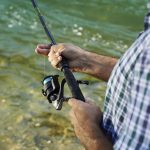
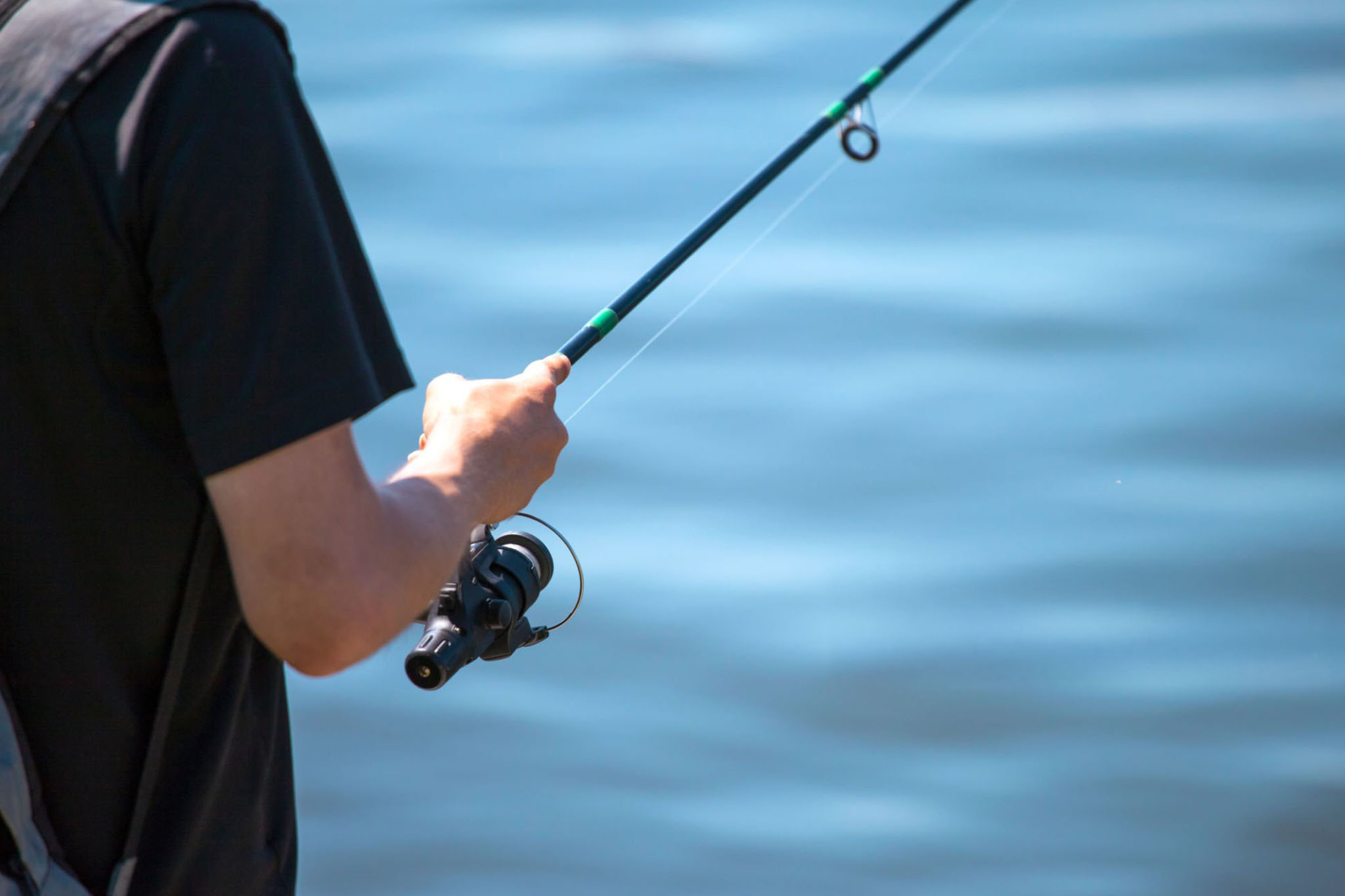
- Rod: A medium-light to light spinning rod with a sensitive tip to detect soft bites.
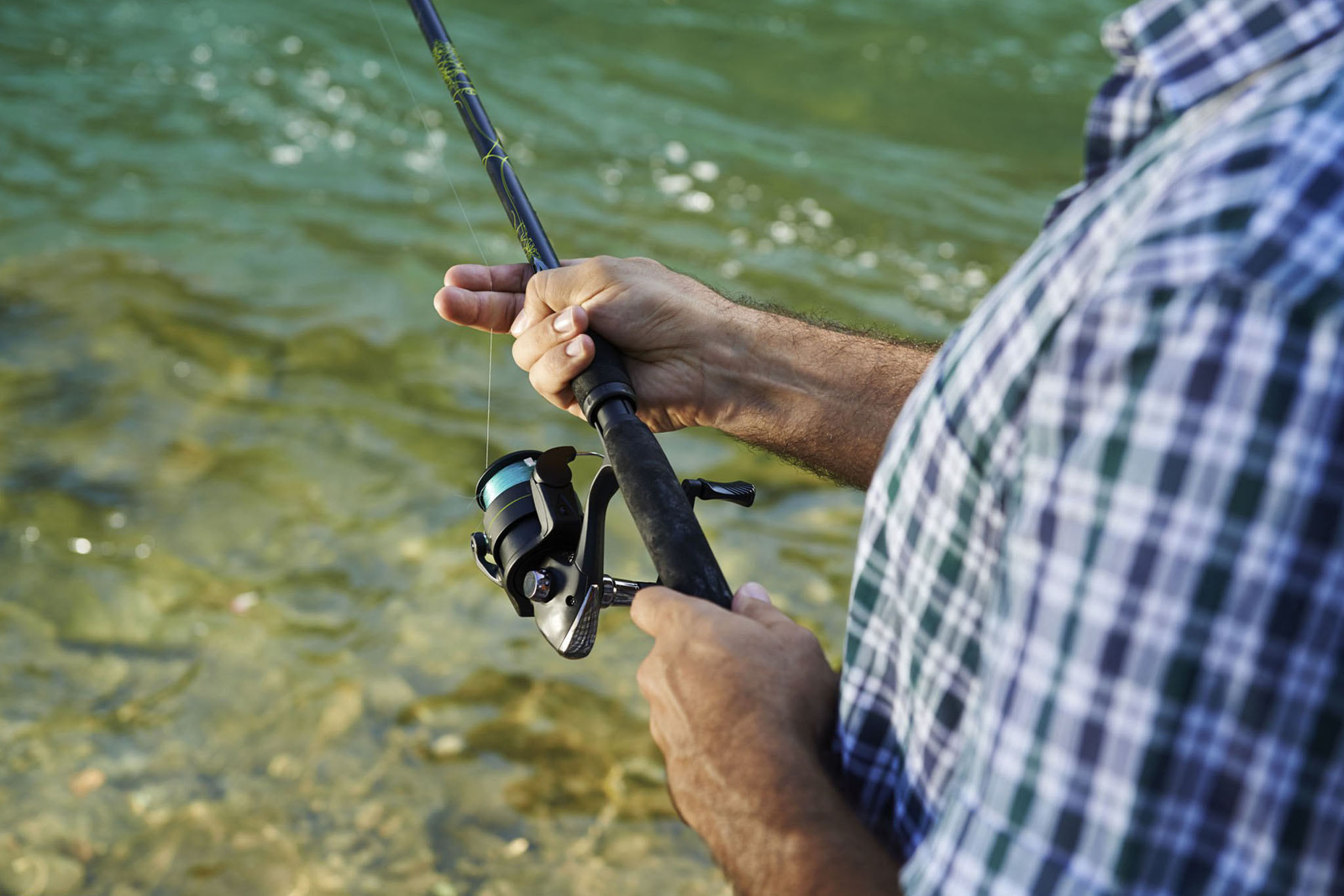
- Reel: Spinning reels excel at handling light line and small presentations.
- Line: Braid-to-fluorocarbon setups give you sensitivity and invisibility in clear water.
The right setup ensures you can feel the lightest taps and set the hook without spooking the fish.
6. Location and Timing Are Everything
Even the best finesse techniques fail if you’re fishing dead water.
- Focus on structure: Ledges, drop-offs, and brush piles often hold lethargic fish.
- Fish deep during mid-day: Heat pushes many species to cooler depths.
- Capitalize on feeding windows: Early morning and late evening can see brief bursts of activity.
Combine location with patience, and even slow fish will eventually bite.
7. Mindset: Patience Catches Fish
Finesse fishing requires mental discipline. While other anglers burn the bank with fast-moving lures, you’re deliberately slowing down and working the water with precision.
The reward? Fewer but more strategic bites—and often, bigger fish that others overlook because they refuse to slow down.
Final Thoughts
Catching lethargic fish is all about adopting a slow and steady approach. By downsizing your gear, mastering subtle presentations, and targeting the right locations, you can turn tough conditions into a successful fishing trip.
The next time the bite shuts down, resist the urge to power fish. Instead, slow down, finesse your way to success, and enjoy the satisfaction of fooling fish that everyone else left behind.